
Quick Answer: Which Newborn Diaper Should You Stock Up On?
Choosing the right diaper for your newborn in Singapore involves balancing performance, skin health, and your household budget. Drypers NB is widely recognized as a highly budget-friendly option, making it an attractive choice for the frequent, heavy-volume changes required during the first month. Pampers newborn diapers typically offer a slimmer, highly contoured fit with rapid liquid absorption that keeps wetness away from delicate skin. Huggies newborn diapers are favored for their snug, secure fit around the back and legs, alongside a highly pronounced umbilical cord cutout that protects the healing belly button stump.
The ideal diaper ultimately depends on your baby’s unique anatomy, skin sensitivity, and output volume. A diaper that fits one newborn perfectly might cause leaks or red marks on another. Because newborn body shapes change rapidly and skin sensitivities are unpredictable, avoiding massive bulk purchases before your baby arrives is highly recommended. Buying one small pack of Drypers NB, Pampers, and Huggies to test during the first week at home allows you to observe the fit and material compatibility before committing to a larger inventory.
Absorbency and Leak Protection Compared
Newborn babies produce highly frequent, liquid stools that require a diaper capable of rapid absorption and secure containment. The absorbent core of a diaper relies on a blend of cellulose pulp and superabsorbent polymers that lock liquid away from the skin. Pampers newborn diapers are engineered with specialized absorption channels designed to distribute liquid evenly, preventing the diaper from sagging heavily between changes. This rapid lock-away design helps maintain surface dryness, which is a critical factor in preventing skin irritation.
Products mentioned in this guide
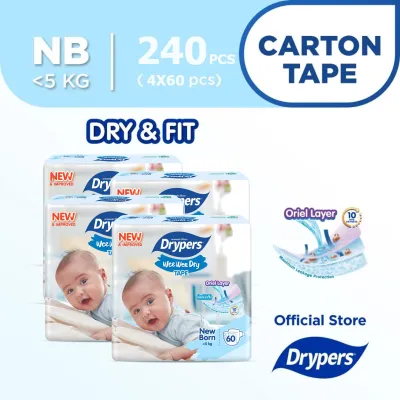
![Drypers Wee Wee Dry Tape Diapers [NB/S/M/L/XL/XXL]](https://img.lazcdn.com/g/ff/kf/S66e45c68b5a14d8eb0e8f89b100b8e17y.jpg_400x400q80.jpg_.webp)
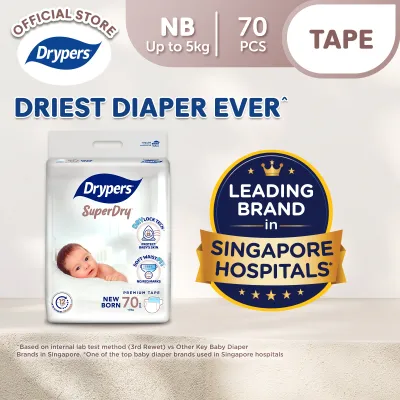
![[Carton Deal] Drypers Wee Wee Dry Tape Baby Diaper NB/S/M/L/XL/XXL Size](https://img.lazcdn.com/g/p/94f9d98c58f84ee724c348292226fe7f.jpg_400x400q80.jpg_.webp)
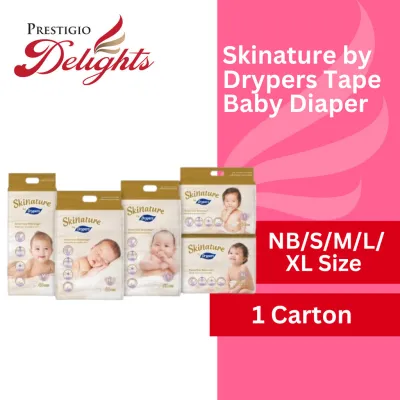
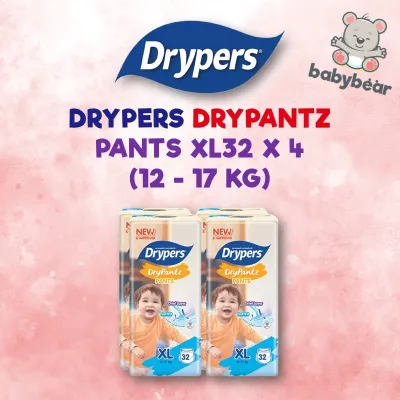
Prices are valid at publication and may change. Please refer to the product page for the latest price.

Huggies newborn diapers often feature a textured liner or a pocketed waistband designed specifically to trap runny bowel movements. This structural barrier is particularly effective at preventing liquid stools from escaping up the baby’s back, a common issue known as a blowout. Drypers NB utilizes a reliable, straightforward absorbent core that handles liquid waste effectively, though the physical profile of the diaper may feel slightly thicker and heavier when fully saturated compared to its premium competitors.
Wetness indicators are a standard feature across these major brands, consisting of a color-changing strip on the outside of the diaper. This indicator shifts from yellow to blue or green when moisture is detected, allowing you to monitor wetness without opening the diaper or disturbing a sleeping baby. While these indicators are incredibly helpful for timing changes, they should serve as a guide rather than an absolute rule, as minor humidity in Singapore’s climate can sometimes cause slight discoloration even before a full soil occurs.
To evaluate absorbency performance in daily use, you should physically check the diaper’s outer surface and your baby’s skin during changes. If the baby’s skin feels wet to the touch or the outer cover of the diaper feels damp and cold, the absorbent core may be saturated. Remember that newborn liquid output is highly frequent, often occurring during or immediately after feedings. Proper sizing and proactive, frequent changes every two to three hours are just as critical for preventing leaks as the diaper’s internal technology.
Fit, Sizing, and Umbilical Cord Care
An optimal fit is the primary defense against leaks and physical discomfort for a newborn. A standout feature of newborn-specific diapers is the umbilical cord cutout, which is a curved recess at the front waistband. This design prevents the diaper from rubbing against the sensitive, healing umbilical stump, which typically takes one to three weeks to dry and fall off. Huggies and Pampers place a strong emphasis on this cutout in their newborn sizes, ensuring the area remains exposed to air and free from friction. Drypers NB also features a soft, flexible waistband that can be easily folded downward if additional clearance is needed for the umbilical stump.
Waistband elasticity and leg cuff designs vary significantly among these three brands, catering to different infant body shapes. Huggies newborn diapers are known for a highly elasticated back waistband that hugs the baby’s lower back snugly, making them ideal for babies with rounder tummies or chunkier thighs. Pampers diapers tend to feature highly stretchable side tapes and a longer, narrower cut, which often provides a more secure fit for babies with a slimmer or longer build. Drypers NB offers a classic, reliable tape system that provides a secure hold, though it requires careful manual positioning to ensure an even fit across the hips.
To verify that a diaper fits your newborn correctly, you should perform a few quick physical checks during fastening. First, ensure you can easily slide two fingers under the waistband; if the fit is tighter than this, the diaper may compress the baby’s stomach comfortably. Second, run your finger along the inner leg cuffs to flare them outward. If these cuffs remain tucked inward, liquid will easily bypass the barrier and leak onto clothing. Finally, check for red, indented marks on your baby’s thighs or lower back after removing a diaper, as these are clear indicators that the current size is too tight.
Weight ranges printed on diaper packaging (such as up to 5kg for newborn sizes) are general guidelines rather than strict rules. Babies with identical weights can have vastly different waist measurements and thigh circumferences. If you notice persistent leaks at the legs, frequent blowouts at the back, or if the fastening tapes must be secured at the very outer edges of the landing zone, it is time to transition to Size S, even if your baby’s weight falls within the newborn limit.
Material, Breathability, and Skin Sensitivity
Singapore’s tropical climate, characterized by high humidity and temperatures that frequently exceed 30°C, creates a challenging environment for diapering. Inside a fastened diaper, heat and moisture can quickly build up, creating a microclimate that increases the risk of diaper rash and skin irritation. Consequently, the breathability of the diaper’s outer cover, or backsheet, is crucial. Premium lines from Pampers and Huggies utilize micro-porous materials that allow water vapor to escape while keeping liquid fully contained, helping to keep the baby’s skin cool and dry.
The texture of the diaper’s inner topsheet directly affects comfort, as it remains in constant contact with delicate newborn skin. Pampers often uses a silky-soft, mesh-like topsheet that minimizes friction and quickly draws liquid away. Huggies frequently incorporates soft, cotton-like fibers designed to feel gentle against highly sensitive skin. Drypers NB features a soft, breathable cover that provides reliable comfort for everyday wear, offering a practical balance between material softness and cost efficiency.
Many diaper brands highlight claims such as “hypoallergenic,” “dermatologically tested,” or “free from chlorine and parabens” on their packaging. Because formulations, materials, and manufacturing processes can change, you should always verify these specific claims on the physical packaging of the pack you purchase. If your family has a history of eczema, contact dermatitis, or highly sensitive skin, testing a single small pack of diapers is the safest way to monitor how your baby’s skin reacts to a specific brand’s materials.
While diaper materials play an important role in skin health, the primary defense against diaper rash remains consistent hygiene practices. Leaving any diaper on for too long after a bowel movement will cause irritation, regardless of how breathable or soft the material is. To maintain skin integrity, clean the diaper area gently with water or alcohol-free, fragrance-free wipes during every change. Ensure the skin is completely dry before applying a barrier cream and fastening a fresh diaper.
Price, Pack Sizes, and Overall Value
Analyzing the financial aspect of diapering requires looking beyond the shelf price of a single pack. To determine true cost-effectiveness, you should calculate the price-per-diaper by dividing the total cost of the pack by the number of diapers inside. Because newborns require between 10 and 12 changes per day, a minor difference in unit price can accumulate into significant savings over the course of a month. Drypers NB consistently offers a highly competitive price-per-diaper, making it an exceptionally budget-friendly choice for families looking to manage ongoing diapering expenses.
Pampers and Huggies premium lines generally sit at a higher price point, reflecting their advanced material designs, specialized absorption channels, and enhanced elastic features. When evaluating these premium options, consider whether their specific performance benefits—such as superior blowout protection or faster surface dryness—justify the higher ongoing cost for your baby’s specific needs. Many parents find value in using a mix of brands, utilizing premium diapers for overnight sleep and more economical options like Drypers NB for frequent daytime changes.
When planning your purchases, be mindful of the “newborn trap,” which occurs when parents overstock newborn-sized diapers before birth. Newborns grow at an astonishing rate, often outgrowing the newborn size within three to four weeks. Purchasing large carton deals or multiple bulk packs of NB diapers can lead to unused leftovers that your baby has outgrown. It is far more practical to stock only one or two standard packs of newborn diapers initially, shifting the bulk of your diaper budget toward Size S, which your baby will wear for a much longer duration.
In Singapore, Drypers, Pampers, and Huggies are widely available across major supermarket chains, physical personal care stores, and official brand stores on online marketplaces. E-commerce platforms regularly feature promotional bundles, flash sales, and subscription services that can substantially lower the price-per-diaper of premium brands. Comparing these online promotions against standard retail prices allows you to secure the best possible value on your preferred diaper brand.
How to Choose: Decision Framework for New Parents
To make a confident decision on which diaper brand to stock up on, align your choice with your immediate household priorities and your baby’s physical needs.
- Choose Drypers NB if: You prioritize excellent budget value, want to minimize your cost-per-diaper for frequent daytime changes, and your baby has a standard body shape with no severe skin sensitivities.
- Choose Pampers if: Your baby has a longer or slimmer build, you prefer a thin, low-bulk diaper profile under clothing, and you want rapid liquid absorption to maximize surface dryness.
- Choose Huggies if: Your baby has a rounder tummy or chubby thighs, you require robust protection against back blowouts, and you want a highly defined, built-in umbilical cord cutout.
- Verify first if: Your baby has known skin sensitivities or a strong family history of eczema. In these situations, always start by testing a single small pack of your chosen brand. If persistent redness or irritation develops despite regular changes, discontinue use and consult a qualified pediatrician.
Frequently Asked Questions (FAQ)
How many newborn diapers should I stock up on before birth?
Because newborns require approximately 10 to 12 diaper changes per day, you can expect to use around 300 diapers in the first month alone. However, because babies grow rapidly and their physical shapes vary, you should avoid buying this entire quantity before birth. It is highly recommended to stock only one or two standard packs of newborn diapers (totaling about 80 to 120 diapers) before your baby arrives. This initial supply will cover the first week or two, giving you ample time to assess the fit and purchase more of the same brand or transition smoothly to Size S as your baby grows.
Can I use Size S diapers for a newborn instead of NB?
Whether you can use Size S diapers immediately depends entirely on your newborn’s birth weight and physical build, as many Size S diapers are designed to fit babies starting around 3kg or 4kg. If your newborn is on the larger side, you may be able to transition to Size S early, though these diapers are physically larger and may fit loosely around the legs of a smaller infant, leading to leaks. Additionally, Size S diapers typically lack the dedicated umbilical cord cutout found on newborn sizes. If you choose to use Size S on a newborn, you should fold the front waistband outward and downward to prevent the material from rubbing against and irritating the healing umbilical stump.
Community discussion
Share your experience or ask a question. Comments are reviewed before publication.