
Determining whether a Dreamer baby crib is safe requires verifying its specific model documentation, manufacturing batch, and physical condition. No single brand name guarantees absolute safety across all models, production runs, or years of use. Parents must actively inspect the physical structure of the crib, locate official safety certification labels, and cross-reference the model with active recall databases to ensure a secure sleeping environment for their baby.
In Singapore, nursery furniture is subject to general consumer safety regulations, but the responsibility often falls on parents to verify that a specific crib meets international benchmarks and is assembled correctly. Because safety standards evolve and manufacturing defects can occur, relying solely on brand reputation is not enough. A thorough, hands-on evaluation is the most reliable way to protect your infant.
How to Verify Safety Compliance for Your Dreamer Crib
To confirm that your specific Dreamer crib model is safe, you must locate and verify its official compliance documentation. Manufacturers who adhere to strict safety guidelines typically print certification details directly on the product. Look for a permanent label or stamp on the inner surfaces of the crib frame, the underside of the mattress support base, or the original packaging. This label should clearly state the manufacturer’s name, the model number, the batch code, and the date of manufacture. Having this information is crucial if you ever need to check for product recalls or order replacement parts.
Products mentioned in this guide
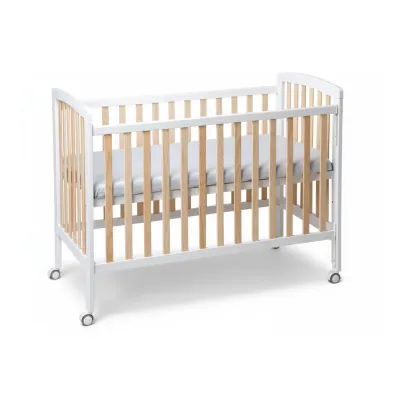
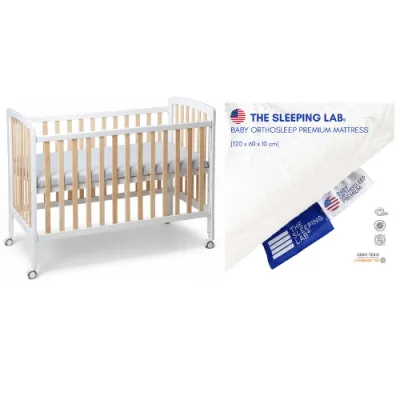
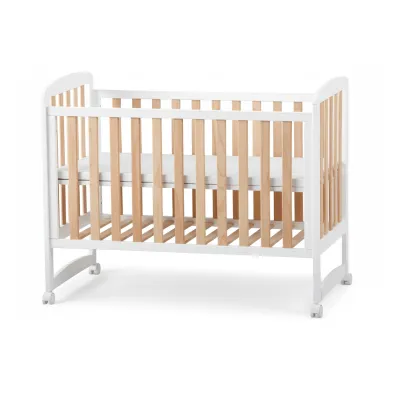
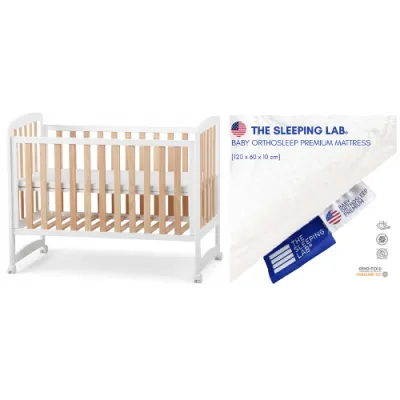
Prices are valid at publication and may change. Please refer to the product page for the latest price.
Next, carefully review the manufacturer’s instruction manual. A compliant manual does not just show assembly steps; it also outlines critical safety thresholds. Look for stated weight limits, age recommendations, and specific warnings regarding mattress thickness and height adjustments. If the manual is missing, do not attempt to assemble the crib using guesswork. Many reputable brands provide downloadable PDF manuals on their official websites, which you can locate using your crib’s specific model number.
If you cannot find physical certification labels on the crib or within the manual, you should request official test reports or a Certificate of Conformity (CoC) directly from the brand or the authorized retailer where you purchased the item. Legitimate distributors should be able to provide documentation proving the crib has passed independent laboratory testing. Avoid purchasing from sellers on online marketplaces who cannot or will not provide these verification documents upon request.
Recognized Safety Certifications and Standards for Baby Cribs
When evaluating a baby crib, you should look for specific international safety standards that indicate the product has undergone rigorous mechanical and chemical testing. The most widely recognized standards include ASTM F1169 (United States), EN 716 (Europe), and AS/NZS 2172 (Australia and New Zealand). These standards are updated periodically to address newly identified hazards, such as structural failures or entrapment risks.

These international benchmarks test for several critical safety factors. For instance, they ensure that the materials used, including paints, varnishes, and plastics, are non-toxic and free from harmful levels of lead or heavy metals. They also test the structural integrity of the crib under simulated use, ensuring that the mattress support can withstand repeated impacts and that the slats do not break or detach under pressure. In Singapore, while there may not be a unique local standard specifically for cribs, consumer protection guidelines expect nursery furniture sold locally to meet one of these major international benchmarks.
To ensure you are not looking at a counterfeit or outdated certification mark, you can verify the authenticity of the claim. Some certification bodies maintain public online databases where you can search for the manufacturer’s name or the specific certificate number. If a seller claims compliance but cannot provide a certificate number that matches these databases, treat the product with caution. Additionally, be aware that drop-side crib designs—where one side slides down to make accessing the baby easier—have been banned under many modern standards due to severe entrapment risks. Ensure any crib you choose features fixed sides.
Essential Physical Safety Checks Before and During Use
Even if a crib carries the correct certification labels, you must perform physical safety checks during assembly and throughout its period of use. The first physical check is measuring the slat spacing. The gap between individual slats must not exceed 6 centimetres. If the slats are too far apart, an infant’s body can slip through, leading to dangerous head entrapment. You can easily check this with a standard measuring tape or by using a common household object like a standard beverage can; if the can fits easily between the slats, the spacing is too wide and the crib is unsafe.
The second critical check is the mattress fit test. The mattress used in the crib must be firm and fit tightly against all four sides of the frame. There should be no gap wider than 3 centimetres (about two finger-widths) between the edge of the mattress and the crib walls. A gap larger than this presents a severe risk where a baby’s head or limbs could become wedged, leading to suffocation. Always use the exact mattress size recommended by the manufacturer in the instruction manual.
Finally, inspect all hardware, joints, and moving parts. During assembly, ensure every bolt, screw, and bracket is tightened securely according to the instructions. Do not use alternative hardware or substitute missing parts with items from a hardware store; contact the manufacturer for official replacement parts. Because Singapore’s high humidity can cause wood to expand, contract, or warp over time, you should perform a quick physical inspection every few weeks. Shake the crib gently to check for stability, ensure no screws have worked themselves loose, and run your hand along the wooden surfaces to check for splinters, sharp edges, or peeling finishes.
Safe Sleep Setup and When to Stop Using the Crib
A safe crib is only effective if the sleep environment inside it is also safe. Established pediatric guidelines emphasize keeping the crib completely bare. The crib should contain only a firm, flat mattress covered by a tight-fitting sheet. Do not place pillows, blankets, quilts, sheepskins, bumper pads, or stuffed toys inside the crib. While these items are often marketed as cozy additions, they significantly increase the risk of Sudden Infant Death Syndrome (SIDS), suffocation, and strangulation. If you are concerned about your baby staying warm, use a properly fitted infant sleep sack instead of loose blankets.
You must also establish clear triggers for when to stop using the crib or adjust its configuration. The mattress support base must be lowered as your baby grows. Most cribs offer multiple height positions; the highest position is only for newborns who cannot yet roll over or sit up. As soon as your baby shows signs of rolling, pushing up on their hands and knees, or sitting independently, you must lower the mattress to its lowest setting to prevent them from falling out.
Additionally, recognize the immediate stop-use triggers. If you discover any structural cracking in the wood, stripped screw threads, or missing hardware that cannot be immediately replaced with official parts, discontinue use of the crib immediately. You must also transition your child out of the crib entirely once they reach the manufacturer’s height or weight limits, or when they begin attempting to climb out of the crib. A general rule of thumb is to transition to a toddler bed or a floor mattress when the height of the side rail is less than three-quarters of your child’s height, as the risk of a fall outweighs the benefits of the crib.
Frequently Asked Questions (FAQ)
Are second-hand Dreamer cribs safe to use?
Using a second-hand crib carries inherent risks and requires meticulous inspection. Before accepting or purchasing a pre-owned crib, you must verify its complete history. Ensure it has all its original hardware, the original instruction manual, and that no parts have been modified or repaired using non-standard materials. You must also check the model number against active safety recall databases to ensure it was not recalled. If the crib is more than a few years old, its materials may have degraded, or it may comply only with outdated safety standards. If you cannot verify these details, it is safer to opt for a new, certified crib.
What should I do if my Dreamer crib is missing its certification label?
If your crib is missing its physical certification label, do not assume it is safe. First, look for any stamped model numbers or batch codes on the wooden frame, typically located on the bottom rails or the headboard. Contact the manufacturer or the authorized distributor in Singapore with these details to request the official compliance certificates and assembly instructions. If the manufacturer cannot verify the model’s safety compliance, or if the crib’s origin is completely untraceable, you should halt use of the product immediately to avoid exposing your baby to undetected hazards.
Community discussion
Share your experience or ask a question. Comments are reviewed before publication.