
Quick Answer: Is Drapolene the Right Choice for Your Baby?
Diaper rash is a frequent challenge for parents in Singapore, where the tropical heat and high humidity can easily trap moisture and sweat inside a baby’s diaper. If you are looking for a lightweight, easy-to-clean solution for daily prevention and mild redness, Drapolene is a highly practical choice. Its mild antiseptic formulation soothes irritated skin while helping to address minor bacterial risks before they develop into more severe diaper dermatitis.
However, the ideal diaper rash cream depends entirely on the current state of your baby’s skin. While Drapolene excels at managing mild irritation and daily maintenance, it is not designed to handle severe, weeping rashes. For those situations, a thick zinc oxide-based paste is far more effective at creating an impermeable physical barrier against moisture. Alternatively, if your baby’s skin is dry, peeling, or cracked, a dexpanthenol-based healing ointment may be required to support cellular repair. Understanding these distinctions helps you match the product to your baby’s immediate skin needs and your cleanup preferences.
Understanding Drapolene: Formulation and Primary Benefits
Drapolene has long been a familiar pink-tinted antiseptic cream in many Singaporean households. To understand how it works, you must look at its specific formulation profile. It is primarily designed as a soothing, antiseptic cream rather than a heavy physical block. The active ingredients traditionally include mild antiseptics, such as benzalkonium chloride and cetrimide, which work together to target the bacteria responsible for breaking down urine into irritating ammonia.
Products mentioned in this guide
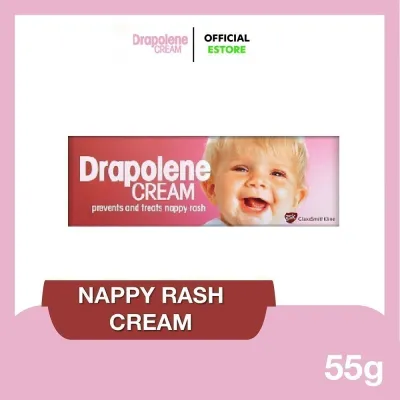
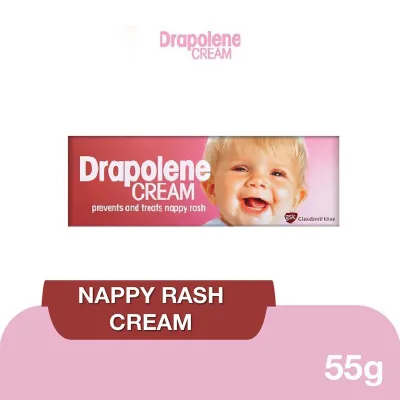
![[Exp2027] Drapolene Cream | Nappy Rash Cream for baby](https://img.lazcdn.com/g/p/01d7dbe051d9e8ad59f3be00878e54cb.png_400x400q80.png_.webp)
![[3 Pack] DRAPOLENE Cream for nappy rash 55g](https://img.lazcdn.com/g/p/0cd577d7eb5bd51f39511f50d21f66cd.jpg_400x400q80.jpg_.webp)
![[6 Pack] DRAPOLENE Cream for nappy diaper rash 55g](https://img.lazcdn.com/g/p/4e0052e3a23ce3104074c8b8d5c0589e.jpg_400x400q80.jpg_.webp)
Prices are valid at publication and may change. Please refer to the product page for the latest price.

The primary mechanism of Drapolene involves providing a light, breathable protective layer on the skin surface. This layer helps soothe irritated tissues while simultaneously addressing the minor bacterial risks associated with mild nappy rash. Because it is formulated in a water-miscible base, it allows the skin to breathe more freely than heavy, petroleum-based alternatives, making it highly suitable for Singapore’s humid climate where trapping too much heat can worsen skin irritation.
This specific design makes Drapolene ideal for daily maintenance, mild redness, and general soothing after diaper changes. It acts as a reliable first line of defense to keep minor chafing from escalating. However, you should not rely on it for severe, weeping, or raw rashes that require a thick, impermeable moisture block to isolate the skin from liquid.
Because manufacturers may update their products over time, it is a critical safety practice to check the specific product label for the exact, current ingredient list before application. This is particularly important if your baby has highly sensitive skin or known allergies to specific preservatives or emulsifiers.
Comparing Effectiveness: Barrier Protection vs. Soothing Relief
Selecting the right diaper rash cream requires comparing how different active ingredients address diaper dermatitis. Over-the-counter options in Singapore generally fall into three distinct categories: zinc oxide-based barrier pastes, dexpanthenol-based healing ointments, and botanical balms. Each category utilizes a different mechanism to protect and repair your baby’s skin.
Zinc Oxide-Based Creams (e.g., Sudocrem, Desitin)
Zinc oxide-based creams work by creating a thick, physical, and highly durable moisture barrier that sits directly on top of the skin. Because zinc oxide is insoluble in water, it forms an impermeable shield that prevents urine, faeces, and sweat from making contact with the baby’s delicate skin barrier. This mechanism is fundamentally different from Drapolene’s lighter, antiseptic-focused approach, which relies on active ingredients to soothe and sanitize rather than physically block all moisture.
Due to this heavy-duty physical shield, zinc oxide pastes are generally much more effective for treating severe rashes, providing overnight protection during long sleep stretches, or protecting the skin during episodes of frequent, acidic loose stools. Drapolene, by contrast, is better suited for daytime use, mild redness, and quick absorption when you plan to change the diaper frequently and do not need a thick, stubborn layer of paste.
Dexpanthenol-Based Ointments (e.g., Bepanthen)
Dexpanthenol-based ointments take an active healing approach to diaper care. Dexpanthenol, also known as pro-vitamin B5, is absorbed into the skin where it converts into pantothenic acid, a crucial component in cellular metabolism. This process actively promotes skin healing, deep hydration, and cellular regeneration from within the skin barrier rather than simply protecting the surface.
The texture of these ointments is typically greasy and dense, utilizing bases like lanolin or liquid paraffin to trap moisture and reduce friction. This contrasts with Drapolene’s lighter, cream-based texture and its focus on surface-level antiseptic action. A parent might choose a dexpanthenol-based healing ointment when the baby’s skin is visibly cracked, dry, or peeling, as these conditions benefit more from deep tissue repair and intensive hydration than from a light antiseptic cream.
Botanical and Natural Balms
Botanical and natural balms have gained popularity among parents in Singapore who prefer plant-based alternatives to clinical formulations. These products typically rely on natural ingredients such as calendula, chamomile, shea butter, and coconut oil to soothe inflammation and provide a mild, natural moisture barrier. They appeal to those looking to avoid synthetic preservatives, mineral oils, or clinical antiseptic agents.
While these natural ingredients offer gentle, soothing benefits, they lack the targeted clinical antiseptic properties found in Drapolene, which are specifically formulated to neutralize the bacterial breakdown of urine. Additionally, natural does not automatically mean allergen-free. It is highly recommended to perform a patch test on a small, unaffected area of your baby’s skin before widespread use. Parents should also check labels carefully for essential oils or botanical extracts, as these can sometimes trigger allergic contact dermatitis or cause stinging on broken, irritated skin.
Texture, Application, and Cleanup: What to Expect
The physical characteristics of a diaper cream significantly affect your daily routine, especially when managing multiple diaper changes in Singapore’s warm, humid environment. Ease of application and cleanup are major practical considerations that can influence which product you prefer to use long-term.
Drapolene features a lightweight, easily spreadable cream texture that glides effortlessly onto the baby’s skin without requiring firm rubbing. It absorbs relatively quickly, leaving a thin, non-greasy protective film that does not leave heavy residue on disposable diapers. Because it is water-miscible, it is exceptionally easy to wipe off during subsequent diaper changes, allowing you to clean the diaper area quickly and gently with a standard baby wipe or warm water.
Thick zinc oxide pastes, on the other hand, can be stiff, dense, and highly viscous. Applying them often requires warming a small amount between your fingers first to soften the paste, preventing you from dragging or pulling on your baby’s already tender and irritated skin. These pastes are designed to stick to the skin and resist moisture, which means they do not wash off easily with water alone and can leave a stubborn white residue that accumulates in skin folds.
Ointments containing petroleum or dexpanthenol present a greasy, oily feel that provides excellent “slip,” which is highly effective at reducing friction between the diaper and the skin. However, this greasy barrier can easily transfer onto clothing or stain fabrics. If you use modern cloth diapers, petroleum-based ointments can clog the fabric pores, drastically reducing the diaper’s absorbency and leading to leaks unless you use a protective liner.
To clean up thick barrier creams or greasy ointments safely without irritating your baby’s skin, avoid vigorous scrubbing. Instead, apply a few drops of baby oil or pure coconut oil to a soft cotton pad and gently wipe the area. The oil will naturally dissolve the heavy cream or ointment, allowing you to wipe it away smoothly while preserving the integrity of the baby’s delicate skin barrier.
Price and Value: Evaluating Cost Per Use in Singapore
When evaluating the financial aspect of diaper rash creams in Singapore, looking solely at the retail price per tube can be misleading. The overall value depends heavily on the packaging size, the frequency of application required, and how much product is needed per use. Diaper creams are commonly sold in various sizes, ranging from small 30g travel tubes to larger 100g or 350g family-sized tubs.
Drapolene is widely recognized as an affordable, everyday pharmacy staple in Singapore. However, because it is a lighter cream that absorbs and wipes away easily, you may find yourself applying it more frequently or in more generous amounts to maintain a consistent protective layer. This higher frequency of application can increase your overall consumption rate over time.
In contrast, thick zinc oxide pastes are highly concentrated. A tiny, pea-sized amount is often sufficient to cover the entire diaper area and provide long-lasting protection that survives multiple wet diapers. Consequently, even if a premium zinc oxide paste has a higher upfront cost, a single tub can last significantly longer than a lighter cream, potentially offering better long-term value per use.
To find the best deals, parents should check current pricing and availability at local physical pharmacies such as Watsons, Guardian, and Unity, as well as major local supermarkets and reputable online marketplaces. Many of these retailers frequently offer bundle deals, twin-packs, or loyalty discounts. Purchasing larger tub sizes is generally more cost-effective if your baby is prone to frequent diaper irritation and requires daily preventative care.
Decision Framework: Which Diaper Rash Cream Should You Choose?
To simplify your purchasing decision, you can match the specific diaper cream category to your baby’s current skin condition and your daily parenting preferences. This structured framework helps ensure you are using the most effective tool for the task at hand.
- Choose Drapolene if: You are looking for an affordable, lightweight, and easy-to-clean cream for daily preventative care. It is highly suitable for addressing mild redness, soothing minor chafing, and protecting the skin during daytime hours when diaper changes are frequent and easy cleanup is your priority.
- Choose a Zinc Oxide Paste if: Your baby has developed a moderate to severe, bright red diaper rash, or if you need a heavy-duty, waterproof barrier to protect the skin overnight. It is also the ideal choice if your baby is experiencing frequent loose stools, which can rapidly damage the skin barrier if not physically isolated.
- Choose a Dexpanthenol Ointment if: The skin in the diaper area is visibly dry, cracked, peeling, or in the process of healing from a previous rash. These ointments provide the intensive hydration and cellular support needed to repair damaged skin tissue from within.
- Verify first if: Your baby has highly sensitive skin or known contact allergies. Always read the manufacturer's packaging carefully to check for age and weight restrictions, and verify the current ingredient list. If you are ever unsure about the underlying cause of a persistent skin rash, do not attempt to self-diagnose; seek professional medical advice.
Safety Boundaries: When to Stop and See a Paediatrician
While over-the-counter diaper rash creams are highly effective for managing common diaper dermatitis, they are not a substitute for professional medical treatment. Knowing when to stop using home remedies and consult a healthcare professional is critical for preventing complications and ensuring your baby’s comfort.
You should seek immediate medical attention from a paediatrician or a general practitioner in Singapore if you observe any of the following red flags:
- The diaper rash does not improve or continues to worsen after 3 to 4 days of consistent cream application and frequent diaper changes.
- The skin begins to bleed, ooze pus, or develops yellow, crusty scabs.
- The rash develops fluid-filled blisters, pimples, or open sores.
- The rash spreads significantly beyond the diaper area, such as to the baby's abdomen, back, thighs, or arms.
- The baby develops a fever, becomes unusually irritable, or shows signs of severe pain during diaper changes.
Parents must avoid using strong antiseptic solutions, topical steroids (such as hydrocortisone), or over-the-counter antifungal creams unless explicitly instructed to do so by a qualified doctor. Applying these potent treatments without a proper diagnosis can thin the baby’s delicate skin, cause systemic absorption, or worsen the underlying infection. A persistent, bright red rash with distinct red spots (satellite lesions) in the skin folds is often a fungal infection, such as Candida, which requires a specific prescription antifungal treatment to resolve safely.
Community discussion
Share your experience or ask a question. Comments are reviewed before publication.