
Choosing the right diaper rash cream for a newborn is one of the first practical decisions new parents face. A newborn’s skin is exceptionally thin, highly permeable, and easily irritated by prolonged exposure to wetness, friction, and acidic waste. While many parents find themselves overwhelmed by the sheer variety of creams on the shelves, selecting the right product comes down to understanding how different formulations interact with your baby’s skin.
Drapolene cream has long been a familiar name in nursery cabinets, but it represents just one approach to managing diaper area moisture and irritation. To determine if it is the right fit for your newborn, you must compare its specific active ingredients, texture, and protective qualities against other popular options, such as heavy physical barrier creams. This comparison requires looking closely at how each product functions, how easy it is to apply and clean during a diaper change, and how it fits into your daily routine.
By evaluating these products through a structured framework, you can make an informed choice that protects your baby’s delicate skin barrier. Rather than searching for a universal solution, the goal is to match the cream’s properties to your newborn’s current skin condition, your diapering habits, and your budget.
Products mentioned in this guide
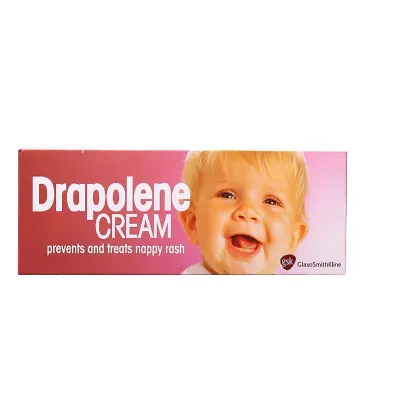
![[6 Pack] DRAPOLENE Cream for nappy diaper rash 55g](https://img.lazcdn.com/g/p/4e0052e3a23ce3104074c8b8d5c0589e.jpg_400x400q80.jpg_.webp)
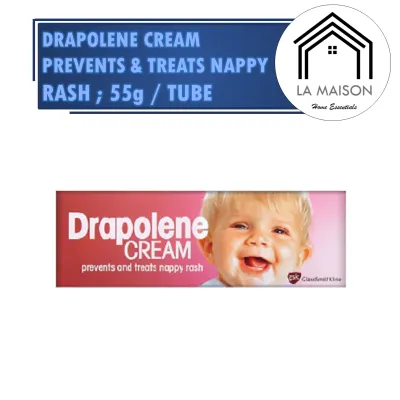
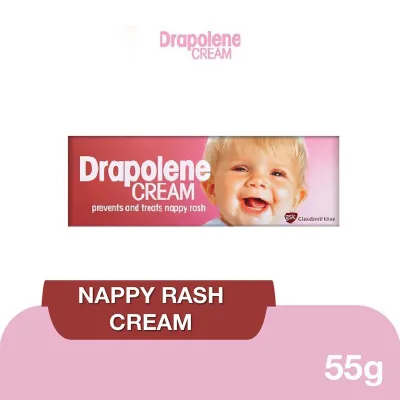
![[Exp2027] Drapolene Cream | Nappy Rash Cream for baby](https://img.lazcdn.com/g/p/01d7dbe051d9e8ad59f3be00878e54cb.png_400x400q80.png_.webp)
Prices are valid at publication and may change. Please refer to the product page for the latest price.
Understanding Drapolene Cream's Role and Formulation
To evaluate Drapolene cream effectively, you must first understand what is inside the tube and how those ingredients work. Unlike simple petroleum jelly or heavy zinc oxide pastes, Drapolene is formulated with specific active ingredients designed to address skin irritation. By checking the product packaging, you will find that its primary active components are benzalkonium chloride and cetrimide, which function as mild antiseptics.
These antiseptic agents are included to help neutralize the bacteria that naturally break down urine into ammonia, which is a primary cause of diaper dermatitis. In addition to these active ingredients, the cream contains a soothing emollient base, often utilizing lanolin, which helps to soften the skin and provide a light protective layer. This combination makes the formulation particularly suited for soothing minor skin irritations and preventing secondary infections in the diaper area.
Before applying any product to a newborn, it is essential to review the manufacturer’s guidelines for age suitability and specific application instructions. Newborn skin is highly sensitive, and some formulations may carry warnings against use on deeply broken skin, open wounds, or mucous membranes. Checking these details on the label ensures you are using the cream safely and within its intended scope.
Key Dimensions for Comparing Diaper Rash Creams
When comparing Drapolene to other diaper creams on the market, the primary point of comparison is the active mechanism of the product. Many popular alternative creams rely heavily on zinc oxide, a mineral that does not absorb into the skin but instead sits on top of it to form a thick, physical barrier. While zinc oxide creams excel at blocking external moisture from reaching the skin, antiseptic creams like Drapolene focus more on treating the bacterial environment while providing a lighter, breathable layer.

Skin sensitivity is another critical dimension that varies significantly across different brands. Newborns are highly susceptible to contact dermatitis from added fragrances, artificial colorants, and strong preservatives. When evaluating diaper creams, parents should carefully inspect the ingredient list for potential allergens or unnecessary additives. A cream with a minimal, fragrance-free ingredient list is generally safer for highly sensitive newborn skin.
Additionally, you should distinguish between preventative daily care and targeted treatment for active irritation. Some creams are designed to be slathered on at every diaper change to prevent wetness from touching the skin, while others are formulated to soothe and treat skin that is already showing signs of redness. Understanding whether a product is a daily preventative barrier or an active treatment cream helps you use it more effectively.
Texture, Application, and Cleanup Considerations
The physical properties of a diaper cream play a major role in your daily changing routine. Spreadability is a key factor to consider, especially when dealing with a newborn who may already have tender, red skin. A cream that is too thick or sticky requires significant pressure to spread, which can cause discomfort and further friction damage to the baby’s skin. Lighter creams generally glide on more smoothly, reducing the physical stress on the skin barrier during application.
You must also consider how the cream’s thickness interacts with different diaper materials. Very thick, oil-heavy barrier creams can leave a stubborn residue on cloth diapers, potentially reducing their absorbency over time unless a liner is used. Even with disposable diapers, an excessively thick layer of cream can sometimes block the top sheet’s pores, preventing urine from absorbing quickly into the core.
Cleanup difficulty is an often-overlooked aspect of diaper cream selection. While a highly water-resistant barrier cream provides excellent protection against wetness, it can be incredibly difficult to wipe away during subsequent diaper changes. Repeatedly scrubbing the skin to remove leftover cream can cause mechanical irritation. Parents should evaluate whether a cream can be gently wiped away with a soft, damp cloth or if it requires a specialized baby-safe oil to dissolve the residue without harsh rubbing.
Evaluating Price and Value in Singapore
Managing diapering costs is a practical consideration for families in Singapore, where the expenses of newborn care can accumulate rapidly. To find the true value of a diaper cream, avoid simply comparing the retail price of the tubes. Instead, calculate the cost per gram or milliliter (S$) to understand exactly what you are paying for the volume of product provided.
Availability is another factor that influences your purchasing decisions. Some specialized or imported diaper creams are only available through select pediatric clinics or niche online retailers, which can lead to supply issues or high shipping fees. Drapolene and other mainstream brands are widely stocked across local physical pharmacies, major supermarkets, and local e-commerce platforms, making them easy to restock at short notice.
Finally, factor in the required application thickness when calculating long-term value. A cheaper, lighter cream that needs to be applied generously at every single diaper change may run out quickly, requiring frequent repurchases. Conversely, a highly concentrated barrier cream that only requires a thin, pea-sized application to protect the skin might last for several months, offering better overall value despite a higher upfront cost.
Decision Framework: Choosing the Right Cream for Your Newborn
To choose the right cream, you must assess your newborn’s current skin condition and your daily diapering routine. Drapolene is a suitable choice if your baby’s skin responds well to a lighter, antiseptic-soothing formulation that is easy to apply and clean off during regular daytime changes. Its formulation is particularly helpful when you want to address mild redness and prevent bacterial irritation without dealing with the heavy residue of thick pastes.
On the other hand, a heavy physical barrier cream containing zinc oxide is often more appropriate when your primary goal is to block moisture for extended periods. This is especially true during overnight sleep, when diaper changes are less frequent and the skin is exposed to wetness for longer stretches. Many parents find success by using a lighter cream during the day and switching to a thick barrier cream before bedtime.
Regardless of the product you choose, safety must always come first. If your newborn’s diaper rash is severe, bleeding, oozing, spreading rapidly beyond the diaper area, or accompanied by a fever, you should stop using over-the-counter creams immediately. These symptoms can indicate a secondary fungal or bacterial infection that requires a professional diagnosis and targeted prescription treatment from a pediatrician.
Frequently Asked Questions (FAQ)
Can I use Drapolene cream for daily prevention?
Whether you can use Drapolene cream for daily prevention depends on the specific product guidelines and your baby’s skin tolerance. You should always check the manufacturer’s label on your specific tube to see if it is recommended for daily preventative application or if it is intended primarily for treating active irritation. If you are unsure about the frequency of use for your newborn, consult a healthcare professional for personalized advice.
How do I remove thick diaper cream without irritating my newborn's skin?
To remove stubborn, thick diaper cream without irritating your newborn’s delicate skin, avoid harsh rubbing or scrubbing with dry wipes. Instead, use a soft cloth saturated with warm water, or apply a few drops of a gentle, baby-safe oil (such as mineral oil or a designated baby oil) to a cotton pad. The oil will naturally dissolve the heavy barrier cream, allowing you to wipe it away smoothly and gently.
Community discussion
Share your experience or ask a question. Comments are reviewed before publication.