
Choosing the right appliance to prepare meals for your infant is a pivotal decision during the weaning journey. The ideal baby food maker for your household depends heavily on your daily routine, available kitchen space, batch-cooking habits, and budget. All-in-one baby food makers, such as the Dr. Isla food maker, offer a highly consolidated footprint by combining steaming and blending functions into a single countertop unit. This design eliminates the need to transfer hot ingredients from a separate stovetop steamer to a standalone blender, minimizing cleanup and saving valuable space in compact Singapore kitchens, such as HDB flats. However, while these integrated appliances provide exceptional convenience for small, fresh batches, they may not suit every family. Caregivers who prefer to prepare massive quantities of food once a week for freezing might find the capacity of compact all-in-one machines limiting. Alternatively, those who already own high-performance household blenders and steaming baskets might prefer to stick with their existing modular setup. Evaluating your specific preparation style and kitchen constraints will help you determine whether an integrated machine like the Dr. Isla model or a premium alternative is the most practical choice for your home.
Core Functions Compared: Steaming, Blending, and Cooking
To understand how the Dr. Isla food maker stacks up against competing models, it is essential to analyze the core mechanical functions that dictate daily performance. A baby food maker must execute two primary tasks exceptionally well: steaming raw ingredients to preserve nutrients and blending those ingredients to the precise consistency required for your baby’s developmental stage.
Steaming Efficiency and Nutrient Retention
Steaming is widely regarded as one of the best methods for preparing baby food because it cooks ingredients thoroughly while retaining water-soluble vitamins and minerals. When comparing the steaming capabilities of the Dr. Isla food maker with other brands, pay close attention to the steam basket design and water tank capacity. A well-designed steam basket allows steam to circulate 360 degrees around the food, ensuring uniform heat distribution so that dense root vegetables like carrots or sweet potatoes soften at the same rate as delicate fruits or proteins.
Products mentioned in this guide
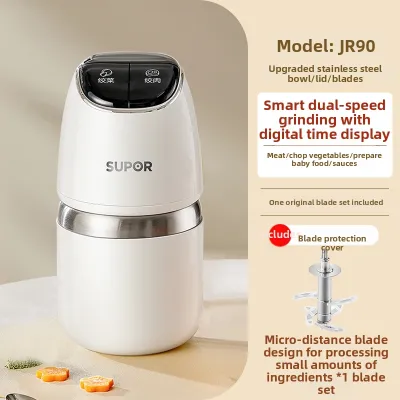
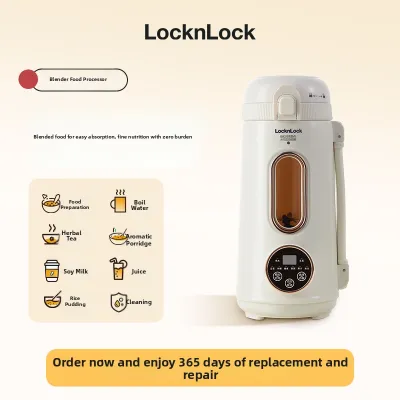
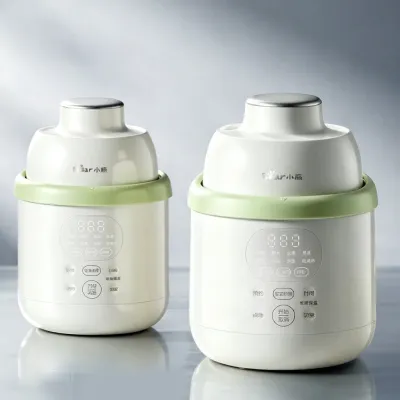
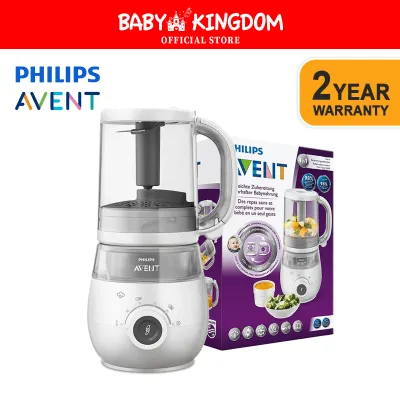
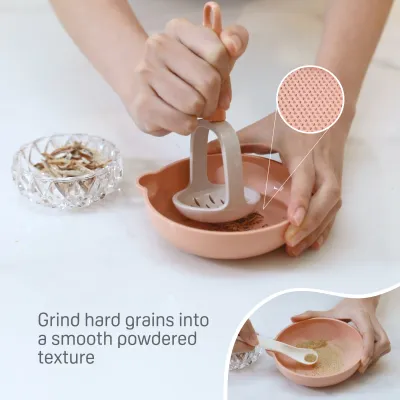
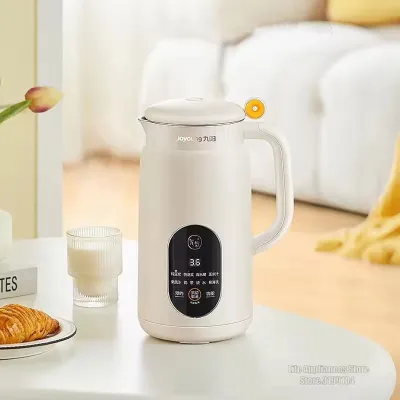
Prices are valid at publication and may change. Please refer to the product page for the latest price.
The water tank is the heart of the steaming function. You must verify the tank’s capacity on the manufacturer’s specification sheet; a tank that is too small may run dry before a 20-minute steaming cycle is complete, requiring you to pause the machine and refill it. Look for models that feature transparent water level indicators or digital alerts. Safety is paramount when dealing with boiling water and pressurized steam. Always check the product packaging or user manual to confirm that the food maker includes automatic shut-off and boil-dry protection. These safety features automatically cut power to the heating element if the water tank empties, preventing overheating, potential electrical hazards, and damage to the appliance.
Blending Power and Texture Control
Once ingredients are steamed, the blending function takes over to transform solid food into an edible format. The transition from early weaning to solid foods involves several distinct texture stages. For infants just starting solids (typically around six months of age), the food must be processed into a completely smooth, silk-like puree to prevent choking. As the baby develops oral motor skills (around eight to ten months), they require thicker, textured mashes with small soft lumps, eventually progressing to chunkier chopped pieces. Always consult your pediatrician or a qualified healthcare professional before introducing new food textures or if you suspect your baby is experiencing feeding difficulties.
To achieve these varying consistencies, evaluate the motor wattage and blade geometry of the food makers you are comparing. A motor with higher wattage (typically ranging from 150W to 400W for blending) combined with multi-angle stainless steel blades can pulverize fibrous vegetables and meats more efficiently, reducing the risk of leaving dangerous unblended chunks. Furthermore, look for machines that offer variable speed settings or a manual pulse function. A single-speed automatic blend cycle offers convenience but deprives you of control; a pulse button allows you to manually control the blade rotation in short bursts, giving you the precision needed to transition from smooth purees to textured meals as your child grows.
Reheating, Defrosting, and Extra Functions
Beyond the basic steam-and-blend cycle, many modern baby food makers incorporate supplementary features designed to streamline meal preparation. These functions often include reheating previously cooked meals, defrosting frozen puree cubes, and keeping food warm until serving time. For busy parents in Singapore balancing work and caregiving, these built-in features can save significant time.
When comparing models, consider whether these extra functions offer genuine utility or simply inflate the purchase price. For instance, defrosting frozen baby food in a dedicated food maker using gentle steam can preserve food quality and prevent the uneven hot spots often created by microwave defrosting. However, if you already have a reliable routine using a standard stovetop water bath or a microwave with precise power settings, you might not need to pay a premium for a multi-functional digital interface. Evaluate your daily workflow: if you plan to batch-freeze purees in silicone trays, a food maker with an efficient, gentle defrosting and reheating cycle will be highly beneficial.
Performance, Safety, and Daily Usability
An appliance can have impressive technical specifications, but its true value is proven through daily usability, safety standards, and maintenance requirements. Preparing baby food is a daily task, meaning any friction in cleaning or operation will quickly lead to frustration.

Material Safety and Build Quality
Because the food preparation process involves high temperatures and direct contact with food, material safety is a non-negotiable factor. Caregivers must carefully inspect product specifications and packaging to verify that all components coming into contact with food are entirely free from harmful chemicals. Look for explicit certifications stating that the blending bowl, steam basket, and lid are BPA-free, phthalate-free, and made from food-grade materials. Common high-quality materials include Tritan plastic (a durable, impact-resistant, BPA-free copolyester), borosilicate glass, and food-grade stainless steel (such as 304 or 316 grade).
Build quality also extends to the physical stability of the appliance. High-speed blending generates significant vibration. Compare the base design of the models you are considering; a quality food maker should feature a heavy, stable motor base equipped with non-slip suction feet to prevent the machine from sliding or tipping over on your kitchen countertop during operation. Additionally, check the locking mechanisms. The appliance should feature a safety lock system that prevents the blades from spinning unless the blending jar and lid are fully secured in place.
Cleaning, Maintenance, and Noise Levels
The reality of daily baby food preparation involves frequent cleanup. Before purchasing, verify which parts of the food maker are dishwasher-safe and which must be washed by hand. Removable blade assemblies are highly desirable, as they allow you to clean food residue trapped beneath the blades safely and thoroughly. If a machine has non-removable blades or deep crevices in the bowl, food particles can accumulate, leading to bacterial growth over time.
In Singapore’s warm and humid climate, moisture retention can quickly lead to mould. Therefore, the water tank must be easy to dry completely. Mineral buildup, or limescale, is another common issue that occurs when tap water is heated. Over time, this buildup can clog the steam vents and reduce heating efficiency. You must check the manufacturer’s descaling instructions; most brands recommend running a cycle with a mixture of water and white vinegar or food-grade citric acid every few weeks. Ensure the water tank has a wide opening that allows you to physically wipe the interior, as narrow-necked tanks are incredibly difficult to clean and descale.
Finally, consider operational noise levels. Many parents prepare baby food during nap times or late at night when the household is quiet. A motor that produces excessive, high-pitched noise can easily wake a sleeping infant. While manufacturers rarely publish exact decibel ratings, reading user feedback regarding motor noise can provide valuable insight into whether a model operates with a quiet hum or a loud, disruptive roar.
Evaluating Value: Price, Capacity, and Longevity
When assessing the overall value of the Dr. Isla food maker against its competitors, you must look beyond the initial price tag and consider the cost-to-capacity ratio and long-term durability. Baby food makers generally fall into three price tiers: budget-friendly options (often under S$80), mid-range models (S$100 to S$200), and premium appliances (above S$250).
The usable capacity of the blending bowl is a major differentiator. Compact models with smaller bowls (around 300ml to 500ml) are excellent for preparing single, fresh meals or small portions for immediate consumption. These are highly suitable for smaller kitchens where storage space is limited. However, if you intend to practice batch cooking—preparing a week’s worth of purees at once to store in the freezer—you will require a larger capacity bowl (typically 800ml to 1,200ml). Buying a low-cost, small-capacity machine for batch cooking will force you to run multiple consecutive cycles, which can strain the motor and waste time, ultimately diminishing the machine’s value.
Longevity is also tied to warranty terms and the availability of replacement parts. In Singapore, check whether the brand offers a local warranty and has an official service center or authorized distributor. Appliances purchased from parallel importers or unauthorized online sellers may lack local warranty coverage, leaving you without recourse if the motor or heating element fails. Furthermore, verify if essential wear-and-tear parts—such as rubber sealing rings, replacement blades, water tank caps, and extra blending bowls—are readily available for purchase. A food maker becomes useless if a single lost silicone gasket cannot be replaced, so choosing a brand with robust local support and spare part availability is a wise long-term investment.
Final Decision Framework: Which Baby Food Maker Should You Choose?
To make your final decision, align your choice with your specific household needs, budget, and kitchen space. Use the following conditional framework to guide your purchase:
- Choose the Dr. Isla food maker if: You are looking for a highly budget-friendly, compact, all-in-one appliance that handles daily, fresh portions without taking up excessive countertop space. It is ideal for caregivers who prefer straightforward, manual controls, have limited kitchen storage, and want a cost-effective entry point into making homemade baby food.
- Choose a premium competitor if: You prioritize advanced digital features (such as programmable timers, auto-blend cycles, or digital descaling alerts), prefer premium materials like borosilicate glass bowls over plastic, and require a larger capacity for extensive weekly batch cooking. These models are best suited for those willing to invest more upfront for long-term convenience and multi-child durability.
- Choose a basic standalone blender and steamer combo if: You already own a reliable stovetop steamer basket or a multi-cooker and a high-quality household blender. If you do not mind the extra step of transferring hot food between appliances and washing multiple pots, this modular approach saves money and avoids cluttering your kitchen with another single-purpose appliance.
Before making your final purchase, always verify the exact technical specifications, material certifications, and warranty details on the product box or the official brand store listing, as manufacturers frequently update model features and accessories.
Frequently Asked Questions (FAQ)
Can I use a baby food maker to prepare meals for the whole family?
Yes, you can use a baby food maker to steam and blend ingredients for adult meals, such as pureeing ingredients for soups, making pasta sauces, or steaming small portions of vegetables and fish. However, these appliances are specifically engineered and optimized for small-batch infant nutrition. The bowl capacity is significantly smaller than standard household food processors, and the motor is designed for shorter run times. Before processing larger or tougher family-sized portions, always check the maximum fill lines and motor run-time limits in your user manual to prevent motor burnout or food overflow.
How often should I descale the water tank in a baby food maker?
As a general rule, you should descale the water tank every two to four weeks, but the exact frequency depends on how often you use the machine and the hardness of your local water supply. In Singapore, tap water is moderately soft, but mineral deposits will still gradually accumulate on the heating element over time. To maintain efficient steam generation and prevent bacteria or mould growth, follow the manufacturer’s guidelines. Most brands recommend filling the tank with a solution of equal parts white vinegar and water (or a food-grade citric acid mixture), letting it sit or running a steam cycle, and then rinsing thoroughly with clean water.
Community discussion
Share your experience or ask a question. Comments are reviewed before publication.