
Selecting the right baby bottle is a critical decision for new parents, directly impacting a baby’s feeding comfort and a caregiver’s daily routine. Two of the most prominent brands in Singapore’s mother-and-baby market are Dr. Brown’s and Pigeon. While both brands enjoy widespread popularity, they approach infant feeding from fundamentally different design philosophies. Dr. Brown’s is famous for its intricate internal vent system aimed at minimizing air ingestion, whereas Pigeon focuses on a simplified wide-neck design with a highly contoured nipple engineered to mimic the natural dynamics of breastfeeding.
To make an informed choice, parents must look beyond brand names and evaluate how these distinct designs, along with various material options, align with their baby’s feeding patterns and their own lifestyle. This comparison breaks down the core differences in venting mechanisms, material safety, cleaning demands, and overall value to help you determine which bottle system is the right fit for your home.
Core Design Differences: Anti-Colic Vents vs. Natural Latch
The primary distinction between Dr. Brown’s and Pigeon lies in how they manage air flow and facilitate a secure latch during feeding. Dr. Brown’s utilizes an internal vent system, which consists of a reservoir tube and a vent insert. This system is designed to create a fully vented, vacuum-free feeding environment. As the baby feeds, air is channeled from the bottle collar through the internal tube directly to the bottom of the bottle, bypassing the milk entirely. This mechanism prevents air bubbles from mixing with the liquid, which is intended to reduce the amount of air the baby swallows, thereby minimizing common feeding issues like gas, spit-up, and colic.
Products mentioned in this guide
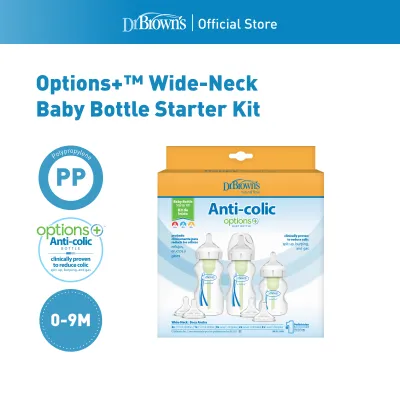
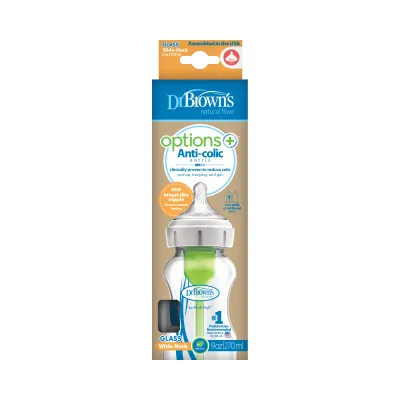
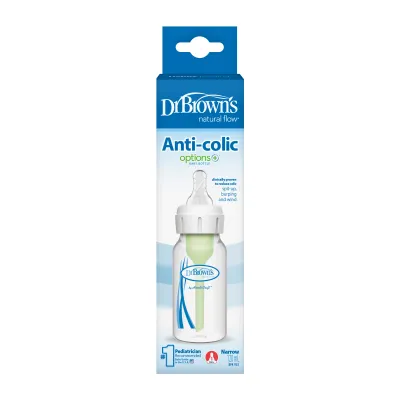
Prices are valid at publication and may change. Please refer to the product page for the latest price.
In contrast, Pigeon’s design philosophy centers on replicating the natural breastfeeding experience. Their signature wide-neck bottles feature a highly flexible, textured nipple designed to encourage a natural latch. The nipple has a distinct latch-on line that guides parents on how far the baby should take the nipple into their mouth. Instead of an internal tube, Pigeon integrates a small ventilation valve, known as the Air Ventilation System (AVS), directly into the base of the silicone nipple. This valve regulates air pressure inside the bottle to maintain a steady milk flow and prevent nipple collapse, without requiring extra internal components.
When deciding between these two approaches, caregivers should closely observe their baby’s feeding behavior. If your baby tends to swallow rapidly, makes audible clicking sounds while sucking, or shows signs of abdominal discomfort shortly after feeding, they may benefit from the active air-channeling design of Dr. Brown’s. Conversely, if you are practicing mixed feeding—alternating between breast and bottle—and want to maintain a consistent latching technique, Pigeon’s wide-neck nipple shape may offer a more seamless transition for your infant.
Material Quality and Safety Standards to Verify
Both brands offer bottles in a variety of materials, each presenting distinct trade-offs regarding weight, durability, heat resistance, and long-term safety. The most common materials available in Singapore include Polypropylene (PP), Polyphenylsulfone (PPSU), Borosilicate Glass, and Silicone. Understanding these materials is essential for selecting a bottle that fits your sterilization routine and durability expectations.

PP is a lightweight, shatter-resistant plastic that serves as an affordable entry point for many families. However, PP is relatively soft and prone to scratching, and it tends to become cloudy after repeated sterilization cycles. PPSU, often recognizable by its natural honey-colored tint, is a medical-grade plastic that combines the lightweight benefits of plastic with exceptional durability. It can withstand high temperatures and frequent sterilization without degrading, making it a popular choice for long-term use.
Borosilicate glass is highly favored by parents who prioritize chemical inertness and scratch resistance. Glass bottles do not retain odors or stains, are easy to clean, and can endure extreme temperature changes. However, they are significantly heavier than plastic alternatives and carry a risk of shattering if dropped, which requires careful handling, especially as babies begin to hold their own bottles. Silicone bottles offer a soft, squeezable texture that mimics the feel of skin, though they are less common and can sometimes absorb odors from dish soaps or milk fats.
Regardless of the material you choose, it is crucial to verify safety standards directly on the product packaging. Look for clear labels indicating that the bottles are BPA-free and BPS-free. Additionally, parents should carefully check the manufacturer’s instructions regarding sterilization limits. Some materials may degrade or release microplastics if subjected to prolonged boiling, high-heat steam, or UV sterilization. Always cross-reference the sterilizer manufacturer’s guidelines with the bottle manufacturer’s material specifications to ensure safe daily preparation.
Cleaning, Maintenance, and Daily Usability
The daily workload of washing, sterilizing, and assembling baby bottles is a major factor in caregiver satisfaction. The structural differences between Dr. Brown’s and Pigeon translate directly into different cleaning routines. Dr. Brown’s bottles, particularly those featuring the full internal vent system, consist of several individual parts: the bottle, the nipple, the collar, the cap, the vent insert, and the reservoir tube. Cleaning these components thoroughly requires using a specialized, narrow wire brush to scrub the inside of the tube and the small crevices of the insert. This multi-step process can be time-consuming, especially when preparing multiple bottles a day.
Pigeon bottles offer a much more streamlined cleaning experience. Because the venting mechanism is integrated directly into the silicone nipple, the bottle assembly consists of only four basic parts: the bottle, the nipple, the collar, and the cap. There are no internal tubes or specialized inserts to wash, which significantly reduces the time spent at the sink. The wide-neck design of Pigeon bottles also makes it easier to reach inside with a standard bottle brush and simplifies the process of scooping formula powder without spilling.
To maintain optimal hygiene and safety, caregivers must regularly inspect all bottle components for signs of wear and tear. Over time, silicone nipples can stretch, tear, or become sticky, which alters the flow rate and can pose a choking hazard. Plastic bottles should be checked for deep scratches, cloudiness, or warping, which can harbor bacteria or compromise the bottle’s seal. If you notice any structural changes, discoloration, or if the nipple collapses frequently during feeding, it is time to replace those components immediately.
Pricing, Availability, and Long-Term Value in Singapore
When evaluating the financial aspect of bottle-feeding, parents must consider both the initial S$ investment and the ongoing costs of replacement parts. Starter sets, which typically include several bottles, nipples of varying flow rates, and cleaning brushes, are available for both brands in Singapore. While the initial purchase price of a starter set is a factor, the long-term value is heavily influenced by how often you need to replace worn-out components.
Dr. Brown’s bottles require periodic replacement of the internal vent parts if they become warped, stained, or lost. Additionally, because the vent system is highly specific, you must purchase brand-compatible replacement nipples and parts. Pigeon’s simpler design means there are fewer parts to lose or replace, though you will still need to purchase faster-flowing nipples as your baby grows. PPSU bottles from both brands generally command a higher upfront price in S$ compared to PP or glass, but their superior durability often translates to better long-term value, as they do not need to be replaced as frequently.
Both brands enjoy excellent availability across Singapore. You can easily find them in specialty mother-and-baby retail stores, official brand boutiques, department stores, and major online marketplaces. This widespread availability ensures that if you need to replace a nipple or purchase an extra bottle in a hurry, you can easily find compatible parts locally. When calculating overall value, consider your household’s daily routine: if you rely heavily on a dishwasher or a specific type of sterilizer, verify which bottle materials are compatible with your appliances to avoid premature wear and unexpected replacement costs.
How to Choose the Right Bottle for Your Baby
Selecting between Dr. Brown’s and Pigeon ultimately comes down to identifying your baby’s specific feeding challenges and matching them to the appropriate design. If your infant struggles with persistent gas, severe colic, or frequent spit-up, the active air-channeling technology of Dr. Brown’s internal vent system is highly suitable, provided you are willing to invest the extra time required for meticulous cleaning and assembly.
If your feeding routine involves transitioning back and forth between breastfeeding and bottle-feeding, or if you prioritize a quick and easy cleanup process, Pigeon’s wide-neck design is an excellent choice. The natural shape of the nipple helps maintain a consistent latch, and the simple three-piece assembly fits easily into a busy daily schedule.
It is important to remember that every baby’s oral anatomy and feeding preferences are unique. If your baby exhibits severe feeding aversions, continuous coughing during feeds, or has suspected oral structural concerns such as a tongue or lip tie, consult a pediatrician, lactation consultant, or pediatric feeding specialist. A professional evaluation can provide personalized guidance and ensure your baby’s feeding setup supports safe and comfortable development.
Frequently Asked Questions (FAQ)
Can I mix Dr. Brown's and Pigeon bottles for the same baby?
While some babies can transition between different bottle brands without issue, others may experience flow frustration or nipple confusion due to the differing nipple shapes and flow rates. If you choose to use both brands, monitor your baby’s latch quality and comfort closely. It is highly recommended to avoid mixing physical parts—such as placing a Pigeon nipple onto a Dr. Brown’s collar—as this can lead to improper sealing, leaks, and a failure of the anti-colic venting mechanisms.
Which bottle material is best for newborns?
The ideal bottle material for a newborn depends on your lifestyle and sterilization preferences. Borosilicate glass is highly hygienic, scratch-resistant, and easy to sterilize thoroughly, making it an excellent choice for the early months when a newborn’s immune system is still developing. However, if you travel frequently or prefer a lighter option, medical-grade PPSU offers high heat resistance and durability without the risk of shattering. Always verify that any chosen material is certified BPA-free and compatible with your home sterilizer.
Community discussion
Share your experience or ask a question. Comments are reviewed before publication.