
Deciding when to transition your baby from a Dr. Brown’s Level 3 to a Level 4 nipple is a milestone that depends heavily on your baby’s individual feeding cues rather than a strict calendar date. While age guidelines printed on the packaging offer a helpful starting point, every infant develops swallowing coordination and sucking strength at their own pace. Observing how your baby interacts with the bottle during daily feeds is the most reliable way to determine if they are ready for a faster flow. Upgrading too early can lead to choking or discomfort, while waiting too long can turn feeding sessions into exhausting, frustrating chores for your little one.
In Singapore’s warm climate, keeping your baby well-hydrated and comfortable during feeds is essential for their overall well-being. A smooth, efficient feeding session ensures they receive the necessary nutrition without unnecessary physical exertion. By understanding the physical differences between Level 3 and Level 4 nipples and learning to read your baby’s behavioral signals, you can make a confident, safe transition that supports their ongoing growth and development.
Understanding the Flow Rate Differences
To make an informed decision, it helps to understand how Dr. Brown’s structures its nipple levels. The primary difference between Level 3 and Level 4 nipples lies in the physical size of the opening, which directly dictates the rate at which milk or formula flows into your baby’s mouth. A Level 3 nipple is designed to offer a moderate flow, typically recommended by the manufacturer for babies around six months of age or older who have established a steady, predictable feeding rhythm. In contrast, a Level 4 nipple features a larger opening designed for a faster flow, generally suggested for babies around nine months of age or older who possess more advanced oral motor skills.
Products mentioned in this guide
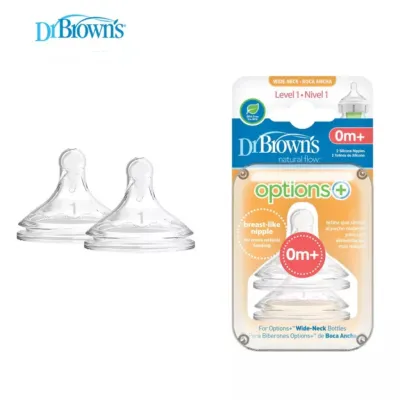
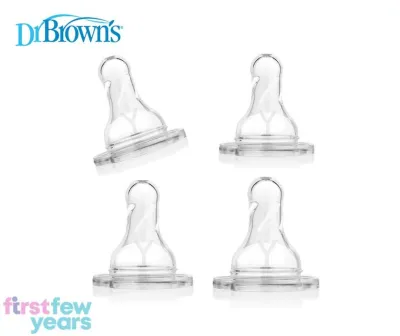
![Dr Browns Original Silicone Nipple Teat (2pcs) [Fit Natural and Options/Options+ Bottle]](https://img.lazcdn.com/g/p/824e892b1baaa7def98b55339a41cadc.jpg_400x400q80.jpg_.webp)
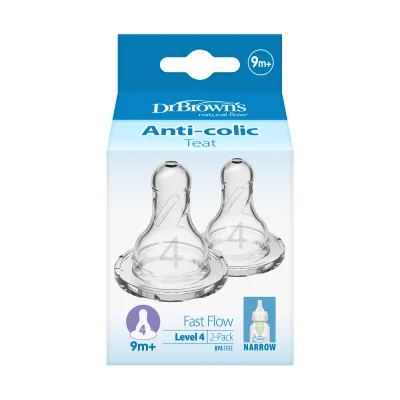
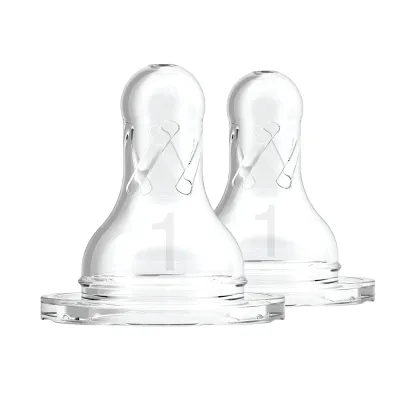
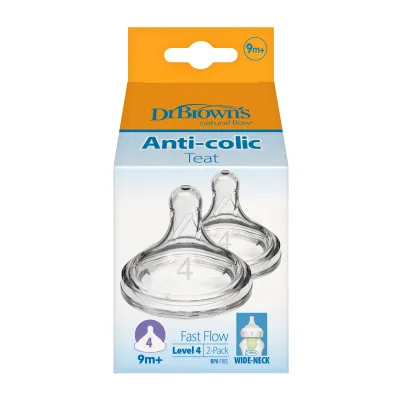
Prices are valid at publication and may change. Please refer to the product page for the latest price.
However, these age recommendations are general benchmarks rather than absolute rules. The physical hole size in a Level 4 nipple allows a significantly larger volume of liquid to pass through with each suck. This increased volume requires your baby to coordinate their breathing, sucking, and swallowing actions much more rapidly. If a baby’s oral muscles and reflexes are not yet mature enough to handle this faster pace, the sudden influx of liquid can overwhelm their airway, leading to disorganized feeding patterns.
Before purchasing new nipples from a local baby specialty store or an online marketplace, always inspect the official packaging to verify the manufacturer’s specific guidelines and compatibility with your existing bottle system. Dr. Brown’s offers nipples in both narrow and wide-neck options, and ensuring a precise match is crucial for preventing leaks. Remember that the transition is not a race; some babies remain perfectly content and well-nourished on a Level 3 nipple for a much longer period than the packaging suggests, while others may require the faster flow slightly earlier to match their growing appetite.
Key Signs Your Baby Is Ready for a Level 4 Nipple
As babies grow, their jaw muscles strengthen, and their sucking reflex becomes more powerful. When their physical capabilities outpace the flow rate of their current nipple, they will begin to show clear signs of frustration and fatigue during feeds. One of the most common indicators that it is time to transition to a Level 4 nipple is a sudden, significant increase in feeding duration. If a feeding session that previously took fifteen minutes now drags on for thirty to forty minutes, your baby is likely working much harder than necessary to extract the milk.

This prolonged effort often leads to physical exhaustion. If your baby regularly falls asleep mid-feed before finishing their usual volume, but wakes up hungry shortly afterward, the slow flow of the Level 3 nipple may be tiring them out. Feeding should be an efficient process that leaves your baby satisfied, not an exhaustive workout that drains their energy before they can consume a full meal.
Frustration is another unmistakable signal to watch for during bottle feeds. You might observe your baby pulling away from the bottle repeatedly, crying or whining mid-feed, or biting and tugging aggressively on the silicone nipple. This behavior typically indicates that they are hungry and annoyed by how slowly the milk is being delivered. Additionally, pay close attention to the physical state of the nipple during a feed; if the silicone tip collapses or caves inward repeatedly, it is a sign that your baby is creating an intense vacuum through forceful suction in an attempt to draw out more liquid than the Level 3 opening allows.
When to Stay with Level 3 or Step Back
While it can be tempting to move up a level as soon as your baby reaches the age printed on the box, introducing a faster flow too early poses safety risks and can cause physical discomfort. If you transition to a Level 4 nipple and observe your baby coughing, choking, or gagging during a feed, the flow rate is too fast for their current swallowing coordination. In these moments, you must immediately stop the feed, sit the baby upright, and allow them to recover. These symptoms indicate that milk is entering the throat faster than the baby can safely swallow, which can lead to aspiration.
Another common warning sign is milk consistently leaking or pooling from the corners of your baby’s mouth during feeds. This occurs when the volume of milk entering the mouth exceeds what the baby can manage, causing the excess liquid to spill out. You may also notice your baby gulping loudly or gasping for air between swallows, which suggests they are struggling to maintain a safe breathing-to-swallowing ratio.
An inappropriate flow rate can also manifest as digestive issues after the feed is complete. If your baby experiences a sudden increase in spit-up, painful gas, or vomiting shortly after trying a Level 4 nipple, they are likely swallowing excessive amounts of air or consuming milk too quickly for their stomach to process comfortably. If you observe any of these signs of distress, it is highly recommended to step back to the Level 3 nipple immediately. Give your baby a few more weeks to develop their oral motor skills before attempting the transition again, and consult your pediatrician if you have ongoing concerns about their feeding safety or digestive comfort.
How to Safely Transition and Monitor Feeding
When you decide your baby is ready to try a Level 4 nipple, planning the transition carefully can minimize stress for both you and your little one. It is best to introduce the faster flow during a daytime feed when your baby is alert, calm, and not overly hungry. Attempting the transition during a late-night feed or when your baby is already crying from intense hunger can exacerbate any initial frustration or choking risks, making it harder to assess their true readiness.
During the first few feeds with the Level 4 nipple, maintain close supervision and observe your baby’s swallowing rhythm. Watch their eyes and body language; a relaxed posture and a steady, rhythmic swallow indicate a successful transition. If they appear tense, widen their eyes in surprise, or struggle to catch their breath, be prepared to switch back to a Level 3 bottle mid-feed to ensure they can finish their meal safely and comfortably.
Before every feed, take a moment to inspect the new silicone nipples for any signs of wear, tear, or structural damage. Gently pull on the bulb of the nipple to check for cracks, thinning, or enlargement of the hole, and discard any nipples that show signs of deterioration. Always follow the manufacturer’s specific instructions for cleaning and sterilizing the nipples before their first use and after every subsequent feed. Proper hygiene is essential for protecting your baby’s developing immune system, especially in humid climates where bacteria can multiply quickly on damp surfaces.
Frequently Asked Questions (FAQ)
Can I mix Level 3 and Level 4 nipples during the transition?
Yes, alternating between different nipple levels can be a practical strategy during the transition phase, provided you monitor your baby’s reactions closely. Some parents find success by using a Level 4 nipple for daytime feeds when the baby is fully alert and active, while sticking to a Level 3 nipple for dream feeds or nighttime sessions when the baby is sleepy and has slower reflexes. However, if you notice that alternating levels causes your baby confusion, frustration, or inconsistent feeding behavior, it is best to stick to one consistent level that matches their primary developmental needs.
Does the thickness of the liquid affect the nipple level needed?
The consistency of the liquid inside the bottle plays a significant role in how quickly it flows through the nipple. Thicker liquids, such as specialized anti-reflux formulas or breast milk that has been medically thickened, do not flow as easily through a standard Level 3 opening and may require a faster flow rate like Level 4, or a specialized Y-cut nipple designed specifically for thick feeds. You should never add thickeners, infant cereal, or any other substances to your baby’s bottle without explicit guidance and a recommendation from your pediatrician, as doing so can pose a serious choking hazard and impact their nutritional balance.
Community discussion
Share your experience or ask a question. Comments are reviewed before publication.