
Navigating the early days of breastfeeding often comes with the challenge of sore, tender, or cracked nipples. If you are using a medela nipple cream to soothe your skin, a primary question is whether you must wipe it off before your baby latches. The short answer is that if you are using Medela’s 100% ultra-pure lanolin cream (commonly known as Purelan), the manufacturer states there is no need to remove it before breastfeeding. However, because product formulations can change and individual babies may react differently, verifying your specific product’s packaging is always the safest first step.
In Singapore’s warm and humid tropical climate, skin care during breastfeeding requires careful attention. High humidity can affect how creams sit on your skin, how quickly they absorb, and how moisture is trapped. Understanding how to safely apply, monitor, and choose these products ensures both your comfort and your baby’s safety during every feeding session.
Quick Answer: Checking If Your Nipple Cream Is Wipe-Free
Whether a nipple cream needs to be wiped off before feeding depends entirely on the specific product’s formulation, its purity level, and the manufacturer’s explicit instructions. Not all nipple creams are created equal; some contain complex botanical blends, preservatives, or synthetic additives that are not safe for an infant to ingest.
Products mentioned in this guide
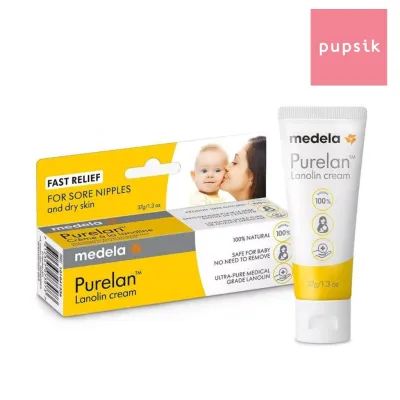
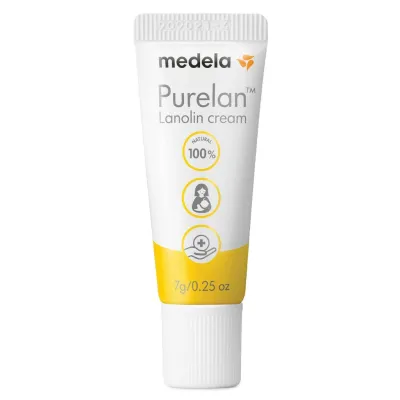
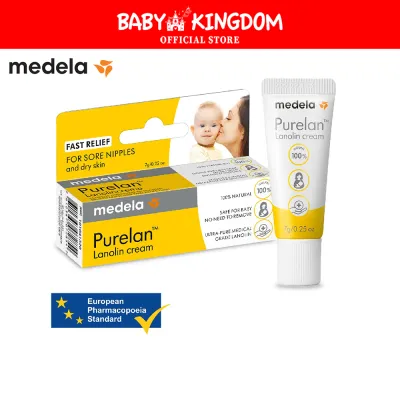
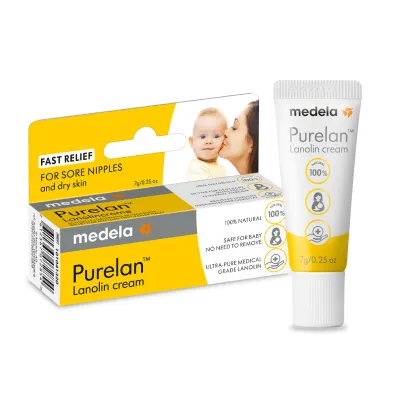
Prices are valid at publication and may change. Please refer to the product page for the latest price.
To confirm if your specific tube is safe to leave on, you must check the product packaging for explicit, manufacturer-approved claims. Look for clear phrasing such as “no need to wipe off before feeding,” “safe for baby,” or “100% natural.” These statements indicate that the formulation has been evaluated for safety in the event of minor infant ingestion.
As a fundamental safety rule, if the label does not explicitly state that the product is safe for infant ingestion or is wipe-free, you must gently remove it before nursing. Never assume a cream is safe simply because it is marketed for breastfeeding mothers. Some multi-purpose balms or soothing salves are designed only for post-feeding recovery and require thorough washing before the next latch.
To ensure you are following the correct protocol, always keep the original packaging or the insert leaflet that came with your purchase. If you have discarded the box, visit the manufacturer’s official website to verify the safety guidelines for the exact variant and batch you purchased. This simple check prevents unnecessary exposure to potentially harmful substances.
Understanding Common Ingredients and Baby Safety
To make informed decisions about what your baby might ingest, it helps to understand the ingredients commonly used in nursing creams. Highly purified lanolin is the primary ingredient in classic formulations like Medela Purelan. Lanolin is a natural, deeply hydrating substance refined from sheep’s wool that excels at mimicking the skin’s natural moisture barrier, helping to soothe and protect dry, cracked skin.

When evaluating lanolin-based products, look for terms like “100% pure,” “ultra-purified,” or “medical-grade” on the label. This level of purification is critical because crude lanolin contains natural impurities, environmental pesticides, and wool alcohols that can trigger allergic reactions or digestive issues. Medical-grade refining processes remove these unwanted compounds, leaving a hypoallergenic, single-ingredient product that is safe for newborn contact.
Many modern nursing balms use plant-based or alternative ingredients, such as organic coconut oil, shea butter, calendula, or olive oil. While these ingredients are natural, you must still verify their food-grade or baby-safe status. Plant oils can sometimes be heavy, and certain botanicals may carry strong natural scents or tastes that do not appeal to a newborn.
Regardless of the base ingredient, carefully inspect the ingredient list for additives that should never be ingested by an infant. Avoid any products that contain added synthetic fragrances, parabens, artificial preservatives, or numbing agents (like benzocaine). These additives can irritate your baby’s sensitive mouth, affect their ability to suckle, or introduce unnecessary chemical exposure.
Potential Side Effects and Risks to Monitor
While highly purified creams are generally very safe, mothers should remain vigilant and monitor both themselves and their babies for any unusual reactions.
Allergic Reactions
Although medical-grade lanolin is highly refined to minimize allergens, a lanolin (wool) allergy can still occur in either the mother or the baby. If you or your baby have a known sensitivity to wool, you should avoid lanolin-based creams entirely. Monitor the breast area and your baby’s mouth, lips, and face for observable signs of an allergic reaction, which include increased redness, itching, swelling, or a sudden rash.
Taste and Latch Issues
Applying too much cream can create a physical barrier to successful breastfeeding. A thick, unabsorbed layer of cream can alter the natural taste of your skin or make the nipple and areola slippery. This slipperiness can prevent your baby from achieving a deep, secure latch, causing them to slide off onto the sensitive tip of the nipple, which actually increases pain and damage. In some cases, the unfamiliar taste or texture may lead to temporary feeding refusal.
Digestive Sensitivities
Even though small amounts of highly purified lanolin are considered safe for ingestion, a newborn’s digestive system is incredibly delicate and still developing. Some infants may have highly sensitive stomachs that react to even trace amounts of ingested oils or fats. Keep an eye out for signs of mild digestive upset, such as unusual fussiness during or after feeds, an increase in spitting up, or sudden changes in stool consistency.
Infection Risks
In Singapore’s warm, humid climate, trapping moisture against the skin can elevate the risk of localized infections. If you apply thick, occlusive creams over open, bleeding, weeping, or infected wounds, you may inadvertently trap bacteria or yeast (such as Candida, which causes thrush) against the skin. If you suspect an active infection, avoid sealing the area with heavy creams and consult a healthcare professional immediately.
Best Practices for Safe Application During Breastfeeding
Using nipple cream effectively requires a balance between soothing your damaged skin and keeping the feeding process clean and comfortable for your baby. Following a few practical steps can make a significant difference in your recovery.
Hygiene First
Always wash your hands thoroughly with warm water and soap before touching your breasts or applying any cream. This simple step prevents the introduction of environmental bacteria or viruses to compromised skin, protecting both your breast health and your baby’s immune system.
Amount and Technique
When it comes to high-purity creams like Medela Purelan, a little goes a long way. Dispense a tiny, pea-sized amount onto your clean fingertips. Because pure lanolin can be quite thick and tacky—especially in air-conditioned rooms—warm the cream by rubbing it gently between your fingers to soften its texture. Then, gently pat or press the softened cream onto the affected nipple and areola area, avoiding any harsh rubbing that could further irritate the skin.
Timing
To maximize the healing benefits of the cream and minimize what your baby might ingest, apply it immediately after a feeding or pumping session. This timing gives the cream the maximum amount of time to absorb deeply into your skin layers before the next feed, leaving only a minimal, safe residue on the surface by the time your baby latches again.
Conditional Wiping Protocol
Even if your chosen product is certified as wipe-free, you should adapt your routine to your baby’s behavior. If you notice your baby struggling to latch, slipping off the breast, or showing signs of distaste, gently wipe away any excess, unabsorbed cream before the next feed. Use a clean, soft cloth dampened with warm water, or express a few drops of your own breast milk to gently cleanse the area without drying out the skin.
When to Stop Use and Seek Professional Guidance
While nipple creams are excellent supportive tools for dry or chafed skin, they are not a cure-all. Knowing when to step back and seek professional medical advice is crucial for your long-term breastfeeding journey.
Immediate Stop Conditions
Discontinue using the cream immediately if you observe any worsening pain, extreme tenderness, or clear signs of localized infection. These signs include the presence of pus, a fever, skin that feels unusually hot to the touch, or red streaks spreading across the breast. You should also stop use if your baby exhibits signs of an allergic reaction or persistent feeding refusal that does not resolve when the cream is wiped away.
Addressing Underlying Issues
It is vital to recognize that persistent nipple pain, deep cracking, or bleeding is rarely just a moisture issue. These symptoms are typically warning signs of an underlying mechanical or physiological challenge, such as a poor latch, an infant tongue-tie or lip-tie, or a fungal infection like thrush. Nipple cream cannot correct a poor latch or cure an infection; it only temporarily soothes the surface irritation.
Professional Support
If your discomfort persists past a few days, or if you are experiencing severe pain during latching, reach out to an International Board Certified Lactation Consultant (IBCLC), a pediatrician, or your family doctor. Many hospitals and private clinics in Singapore offer specialized lactation consultations to assess latch mechanics and provide personalized guidance. If necessary, a doctor can prescribe medicated ointments to treat infections safely.
Disclaimer: The information provided in this article is for educational and informational purposes only. It is not intended to serve as a substitute for professional medical advice, diagnosis, or treatment. Always seek the advice of your physician, pediatrician, or other qualified healthcare provider with any questions you may have regarding a medical condition.
Frequently Asked Questions (FAQ)
Can I use regular body lotion or petroleum jelly instead of nipple cream?
No, standard cosmetic body lotions are not safe for breastfeeding because they frequently contain synthetic fragrances, chemical preservatives, and stabilizers that are toxic for infants to ingest. While pure petroleum jelly is highly occlusive and hypoallergenic, it is very thick, difficult for a baby to digest if swallowed, and does not absorb into the skin as effectively as medical-grade lanolin. It is always safest to stick to specialized, food-grade nursing balms that are explicitly labeled as safe for infant ingestion.
How do I know if my baby is allergic to lanolin?
An allergic reaction to lanolin in infants typically presents as localized skin irritation where their face or mouth made contact with the cream. Look for redness, small red bumps, or a rash around your baby’s mouth, lips, or cheeks. Your baby might also show signs of discomfort or unusual fussiness during or immediately after feeding, or exhibit mild digestive upset. If you suspect an allergy, stop using the cream immediately, clean your skin thoroughly before the next feed, and consult your pediatrician.
Does nipple cream expire, and is it safe to use past the date?
Yes, nipple cream does expire, and it is not recommended to use it past its expiration date or the Period After Opening (PAO) symbol, which is usually indicated by an open jar icon on the tube. Over time, the fats and oils in nipple creams can oxidize and go rancid, which alters their smell, taste, and texture. Furthermore, repeatedly touching the opening of the tube can introduce bacteria into the product, which can multiply over time and pose an infection risk to both your cracked skin and your baby’s mouth. Discard any cream that has passed its expiration date or shows changes in color, consistency, or scent.

Community discussion
Share your experience or ask a question. Comments are reviewed before publication.