
As your baby transitions from a stationary newborn to an active, curious explorer, your perspective on home safety must shift. Suddenly, objects and areas of your living space that you never previously noticed become potential points of interest for a child. Among these, electrical outlets are often a primary concern for parents. The market is filled with various safety gadgets, leading many families to wonder if they truly need to buy a power socket protector for every single outlet in their home.
Deciding how to baby-proof your electrical system requires a balance between practical risk assessment and targeted action. While electrical safety is non-negotiable, not every outlet poses the same level of risk, and some modern homes already feature built-in safety mechanisms. By systematically evaluating your living space, understanding your child’s physical development, and learning about the different types of protective devices available, you can create a secure environment without over-purchasing unnecessary gear.
Assess Your Home: The "Crawl-Level" Electrical Check
To understand what your child sees and can reach, you must change your physical perspective. Adults view a room from standing height, which naturally obscures low-lying hazards. Performing a “crawl-level” check requires you to physically get down on your hands and knees and move through each room of your home. This simple exercise reveals a completely different landscape of cords, plugs, and outlets that are directly within a baby’s line of sight and reach.
Products mentioned in this guide
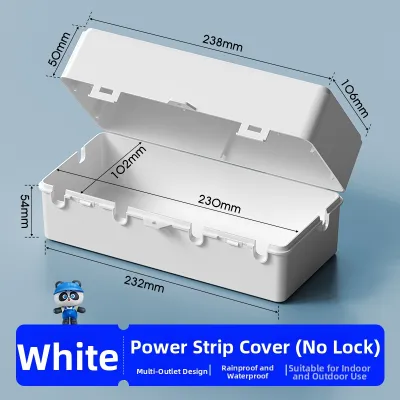
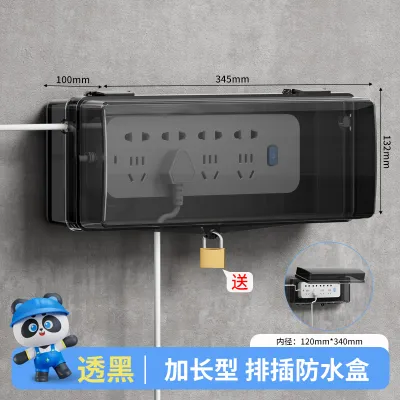
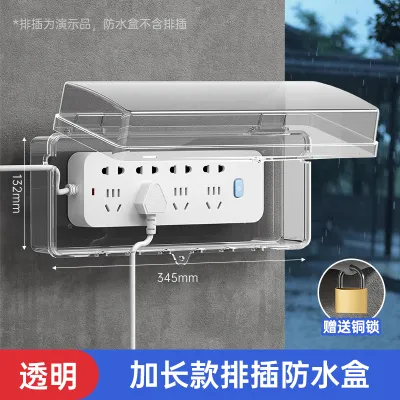
Prices are valid at publication and may change. Please refer to the product page for the latest price.
When conducting this assessment, focus first on the high-risk zones where your baby will spend the majority of their time. In most homes, these areas include the living room floor, the nursery, and designated play spaces. Look for outlets that sit close to the floorboards. In many standard residential layouts, including typical Singaporean HDB flats and condominiums, low-wall outlets are placed systematically around the perimeter of rooms to accommodate entertainment systems, bedside tables, and study desks. These are the exact heights where a crawling baby or a toddler sitting on the floor will naturally explore.
During your crawl-level tour, pay close attention to easily overlooked electrical hazards that go beyond standard wall sockets:
- Floor-level power strips: Multi-plug extension cords resting on the floor under sofas, TV consoles, or desks are highly accessible and tempting to touch.
- Dangling cables: Cords hanging down from table lamps, wall-mounted televisions, or kitchen appliances can easily be pulled, bringing heavy objects crashing down or exposing live plug prongs.
- Loose-fitting plugs: Older appliances with slightly bent prongs may not sit flush against the wall, leaving a small gap of exposed metal that carries live current.
- Wall switches: Low-lying individual switches on sockets are highly tactile and attractive to toddlers who love the physical feedback of clicking them on and off.
When You Actually Need Power Socket Protectors
There are specific environmental conditions and developmental stages where installing physical socket protectors is highly recommended. The primary purpose of a power socket protector is to act as a physical barrier that prevents a child from inserting their fingers, toys, or common household metal objects—such as hairpins, keys, or cutlery—into the live slots of an electrical outlet. Because babies learn by touching and inserting objects into gaps, an open, unprotected socket at floor level represents a direct hazard.

This need becomes urgent as your child reaches key developmental milestones. While a newborn remains safely where placed, the onset of rolling, crawling, scooting, and eventually pulling up to stand changes the safety dynamic entirely. This transition typically begins between six and nine months of age. Before your baby starts moving independently, you should have your socket protection strategy fully implemented. Waiting until they are already mobile often results in reacting to a close call rather than preventing one.
Identify the specific sockets in your home that require active protection. Any unused outlet located within one meter of the floor is a prime candidate. This includes outlets in open hallways, empty corners of the living room, and the nursery. Additionally, if you use extension blocks or power strips in areas where your child plays, these must be secured. Because these strips lie flat on the floor and feature multiple open ports, they are highly vulnerable to curious fingers and spilled liquids, making physical protection essential.
When You Might Not Need Them: Safe Alternatives
Baby-proofing does not mean you have to buy plastic covers for every single electrical point in your property. Understanding when you can safely forgo these accessories will save you time and money while keeping your home uncluttered. There are several scenarios where alternative physical barriers or existing structural designs provide all the safety your family needs.
First, consider the physical height of the outlets. Sockets mounted high on walls, such as those dedicated to wall-split air conditioning units, wall-mounted televisions, or kitchen backsplashes, are well out of reach. Even when your toddler reaches their maximum height on tiptoes, these outlets remain inaccessible. Unless there is a chair, sofa, or toy box nearby that the child can climb on to reach the high outlet, purchasing protectors for these points is unnecessary.
Second, heavy and immovable furniture can serve as an excellent natural barrier. If a heavy wardrobe, a large sideboard, or a secured bookshelf completely blocks access to a wall outlet, you do not need to add a plastic protector behind it. However, you must apply a strict safety check to this setup:
- Verify stability: Ensure the furniture is heavy enough that a toddler cannot push or slide it away from the wall.
- Anchor to the wall: Confirm that the furniture is securely anchored to prevent tipping if a child attempts to climb it.
- Check for gaps: Ensure there are no side gaps where a small arm or hand could slip behind the furniture to reach the outlet.
Finally, many modern homes are equipped with built-in safety features. In Singapore, standard electrical outlets (Type G, 3-pin sockets) are designed with internal safety shutters. These shutters are physical plastic barriers inside the socket that block the live and neutral holes. They are engineered to open only when a ground pin (the top longer prong of a standard plug) is inserted first.
To verify if your sockets have functioning safety shutters, perform a careful visual inspection when the outlet switch is turned off. Look closely into the lower two slots; you should see a solid plastic barrier blocking the path. Never insert keys, screwdrivers, or other tools to test the shutters physically. If you notice that the internal shutters are damaged, stuck in an open position, or missing entirely, the outlet is compromised and must be protected with an external cover or replaced by a licensed electrician.
How to Choose the Right Socket Protection
If your home assessment reveals that you need to purchase socket protectors, selecting the right type of product is crucial for effective safety. Not all protectors are created equal, and choosing an inappropriate design can create a false sense of security or even introduce new risks.
Simple Plug-In Caps vs. Socket Lock Boxes
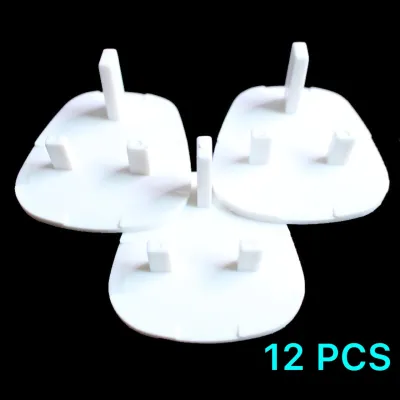
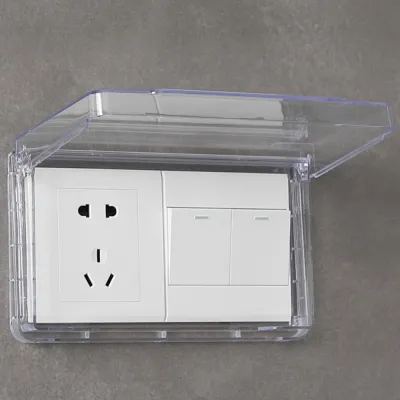
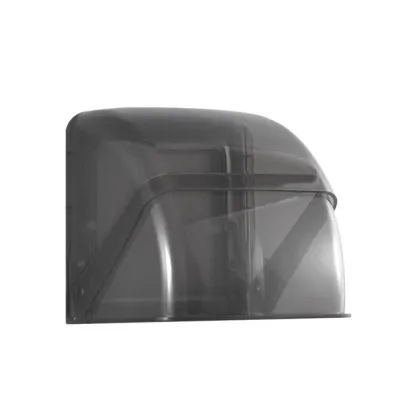
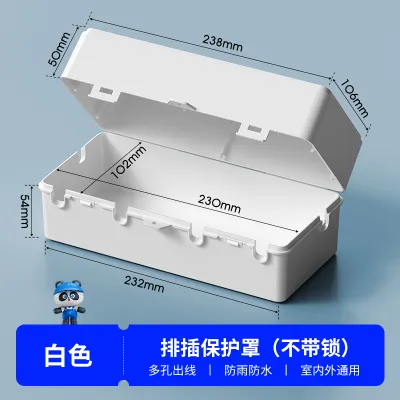
Your first decision is choosing between simple plug-in caps and full outlet enclosure boxes. Plug-in caps are small plastic inserts with prongs that push directly into unused sockets, mimicking a standard plug. These are highly effective for empty outlets that you rarely use. However, for outlets that host active plugs—such as those powering your refrigerator, television, or fan—plug-in caps are useless. For active outlets, you need socket lock boxes or outlet covers. These devices enclose the entire outlet faceplate, including the plugged-in cords, inside a secure plastic box that requires a double-action latch or a key to open. This prevents your child from pulling active plugs out of the wall and exposing live prongs.
Ensuring a Snug, Secure Fit
When shopping for plug-in caps, look for designs that fit completely flush against the wall plate. There should be no protruding edges or lips that a baby can grip with their fingernails or teeth. Some high-quality designs feature a fold-flat ring or require a specialized plastic key to extract, ensuring that only an adult can remove them. Avoid cheap, flimsy plastic caps that wiggle or sit loosely in the socket, as a persistent toddler can easily pry these loose.
Material Quality and Heat Resistance
Because these devices sit inside electrical outlets, material safety is paramount. Choose protectors made from high-quality, flame-retardant plastics (such as ABS or polycarbonate). These materials are designed to withstand normal electrical warmth without warping, melting, or emitting toxic fumes.
Verifying Safety Compliance
Before purchasing any electrical safety accessory, check the product packaging for recognized safety standard marks. While socket protectors are passive plastic items, reputable manufacturers will list compliance with international safety standards or local consumer product safety regulations. Avoid buying unbranded, generic bulk packs from unregulated online marketplaces, as these items often use cheap, brittle plastics that break easily under pressure, creating sharp edges or small parts.
Essential Electrical Safety Habits Beyond Protectors
While physical barriers like power socket protectors are valuable tools, they are only one component of a comprehensive home safety strategy. Relying solely on plastic covers can lead to complacency. True electrical safety is built on daily habits, proper cord management, and active parental supervision.
Proactive Cord Management
An open socket is a passive hazard, but a loose, dangling power cord is an active temptation. Children love to pull on dangling lines, which can lead to heavy appliances falling from tables or shelves. Implement these cord management strategies throughout your home:
- Use cord shorteners: Wind excess cable length into compact, enclosed spool devices to keep them off the floor.
- Route cables strategically: Run power cords behind heavy furniture or secure them along baseboards using plastic cable channels or adhesive clips.
- Use cable management boxes: Place multi-plug extension strips inside ventilated cable management boxes to hide both the outlets and the plug heads from view.
Safe Electrical Practices
Ensure your home’s electrical load is distributed safely. Overloaded multi-plugs and daisy-chained extension cords increase the risk of overheating and electrical fires. Regularly inspect all household cords for signs of wear, fraying, or damage. If a cord is damaged, stop using the appliance immediately and have it repaired or replaced. Teach everyone in the household—including older siblings and domestic helpers—to unplug appliances by gripping the solid plug head rather than pulling on the flexible wire, which can damage the internal copper strands over time.
Education and Supervision
As your child transitions into a toddler, physical barriers should gradually be supplemented with behavioral education. Begin teaching the “no-touch” rule for electrical outlets and cords early. Use consistent, firm language to explain that electricity is hot and dangerous. While toddlers may not fully grasp the science of electricity, they can understand boundaries through repetition and consistent feedback.
Remember that no safety device can replace active adult supervision. A determined child can eventually bypass or break almost any child-proofing gadget if left unattended for too long. Use socket protectors to buy yourself crucial reaction time, but maintain a watchful eye whenever your child is playing near electrical appliances.
Frequently Asked Questions (FAQ)
Are power socket protectors a choking hazard?
Yes, poorly designed, low-quality, or damaged plug-in socket caps can pose a serious choking hazard. If a cap does not fit tightly into the socket, or if the plastic degrades and becomes brittle over time, a persistent child may succeed in prying it out. Once removed, these small plastic objects can easily find their way into a baby’s mouth.
To mitigate this risk, choose high-quality protectors that sit completely flush against the wall socket with no exposed edges for tiny fingers to grip. Opt for designs that require a dedicated removal tool or a highly specific, two-handed adult grip to extract. Additionally, make it a habit to inspect your socket covers weekly. Check for cracks, loose fits, or signs of wear, and immediately replace any protector that is damaged or easy to remove.
Do I need protectors if my sockets have built-in safety shutters?
In many modern homes equipped with standard Type G sockets (the standard three-pin configuration in Singapore), built-in safety shutters provide excellent protection. These internal mechanisms block access to the live and neutral ports unless a grounding pin is inserted first, making it very difficult for a child to insert a single foreign object like a bobby pin or toy.
However, these internal shutters are not completely infallible. Over years of use, the internal spring mechanisms can wear out, accumulate dust, or become stuck in the open position. Furthermore, older siblings who understand how the sockets work might attempt to bypass the safety mechanism. To ensure safety, visually inspect your outlets regularly. If you live in an older property, or if you notice that the internal shutters do not close fully when a plug is removed, you should install external power socket protectors as an extra layer of defense until you can have the outlet replaced by a professional.
Community discussion
Share your experience or ask a question. Comments are reviewed before publication.