
A silicone nipple shield can be a helpful temporary bridge when breastfeeding presents immediate physical challenges, but it is rarely the first or only solution. While it can assist a baby who struggles to latch or protect highly sensitized skin, introducing this thin silicone barrier changes the mechanics of nursing. Understanding your specific symptoms and exploring alternative adjustments first can help you determine if a shield is truly necessary or if another approach will better support your feeding goals.
Using a nipple shield without addressing the root cause of your breastfeeding difficulties can sometimes lead to secondary challenges, such as changes in your milk supply or baby’s latching habits. By evaluating your situation carefully, you can make an informed decision that prioritises both your comfort and your baby’s nutrition.
Common Breastfeeding Challenges That Might Require a Nipple Shield
Observable signs of latch difficulties are among the most common reasons families consider using a silicone nipple shield. If your baby frequently slips off the breast, struggles to maintain a deep, asymmetrical latch, or only bites at the tip of the nipple, the firm and consistent shape of a shield can provide a helpful physical guide. This structured shape helps the baby locate the nipple and keep it positioned correctly in their mouth during active feeding.
Products mentioned in this guide
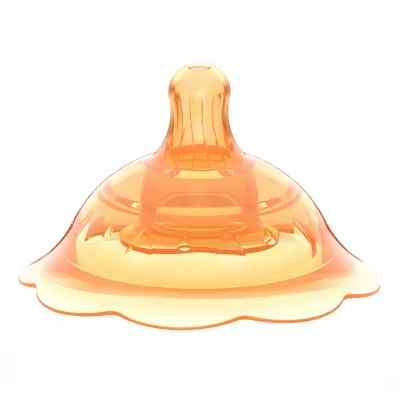
Prices are valid at publication and may change. Please refer to the product page for the latest price.
Severe nipple pain, blanching, or visible skin breakdown can make nursing sessions incredibly difficult to sustain. When pain causes you to dread feedings or shorten them prematurely, a shield can act as a temporary physical buffer. This barrier protects highly sensitive or damaged skin from direct friction, allowing your body time to heal while you continue to nurse.
Anatomical variations, such as flat or inverted nipples, can also physically affect how a baby draws breast tissue into their mouth. While many babies latch successfully onto flat nipples once they learn the technique, a newborn with a weak suck or a small mouth may struggle initially. A silicone shield can provide a more prominent target, though it is important to remember that nipple shape alone is not an automatic indication that a shield is required.
Signs a Silicone Nipple Shield Might Not Be the Right Solution
It is essential to differentiate normal early breastfeeding discomfort from signs of infections that require targeted medical treatment. If you experience shooting pain, deep breast aches, burning sensations, or cracked skin that does not improve, you might be dealing with thrush or mastitis. A silicone shield will not cure these conditions and can sometimes trap moisture, potentially worsening the infection.

Using a shield can occasionally mask indicators of poor milk transfer, which can impact your baby’s health. You should monitor your baby closely for signs of inadequate milk intake, such as a low number of wet diapers, slow weight gain, or falling asleep almost immediately after latching due to exhaustion. If your baby is not actively swallowing, a shield may be hindering rather than helping the feeding process.
Introducing a shield without professional assessment also carries the risk of long-term dependency and unintended reductions in milk supply. Babies can quickly become accustomed to the firm texture of silicone, making it more challenging to transition back to the bare breast later. Additionally, because the silicone barrier reduces direct skin-to-skin contact, it may decrease the sensory stimulation needed to maintain a robust milk supply.
Alternative Solutions to Try Before Using a Nipple Shield
Before introducing a physical barrier, minor adjustments to your breastfeeding positions can yield significant improvements in comfort and latch depth. Trying a laid-back breastfeeding position allows gravity to help your baby take a deeper, more natural latch. Alternatively, using the football hold or cross-cradle hold can give you better control over your baby’s head alignment, ensuring their chin tucks deeply into the breast first.
Implementing a safe, simple nipple care routine can soothe minor soreness and promote natural healing between feeding sessions. Applying a few drops of expressed breast milk to the nipple after feeding and letting it air dry provides natural protective properties. For dry or cracked skin, a thin layer of purified, medical-grade lanolin can help protect the skin barrier without needing to be washed off before the next feed.
If flat or inverted nipples are making the initial latch difficult, gentle manual stimulation right before feeding can help draw the nipple out. You can also use a manual or electric breast pump for just a minute or two before latching your baby. This brief suction helps shape the nipple and initiates the milk ejection reflex, making it much easier for your baby to latch onto a soft, pre-stimulated breast.
How to Decide Your Next Step: When to Seek Professional Help
Certain warning signs indicate that self-adjustment is no longer sufficient and professional support is required. If your baby shows signs of dehydration, such as dark urine or extreme lethargy, or if you experience fever, chills, and red, warm areas on your breast, seek immediate medical attention. Persistent, severe pain that does not improve with positioning changes also warrants an expert evaluation.
A certified lactation consultant can perform a comprehensive assessment to determine if a silicone nipple shield is truly appropriate for your situation. They will evaluate your baby’s oral anatomy, check for issues like tongue-tie, and help you select the correct size and material. A shield that is too small or too large can cause friction injuries or restrict milk flow, making professional sizing essential.
If a shield is recommended, it should be viewed as a temporary bridge rather than a permanent fixture. Work with your lactation consultant to establish a clear plan for short-term use, which includes regular re-evaluations of your baby’s weight and milk transfer. This structured approach ensures you can gradually wean your baby off the shield as their latch improves and your body adjusts.
Frequently Asked Questions (FAQ)
Can using a silicone nipple shield affect my milk supply?
Yes, using a silicone nipple shield can potentially affect your milk supply if it is not monitored closely. The silicone layer acts as a physical barrier, which can reduce the direct skin-to-skin contact and nerve stimulation that signals your body to produce milk. To prevent a drop in supply, it is important to monitor objective metrics of milk transfer, such as tracking daily wet diapers and ensuring your baby is gaining weight consistently. If you notice any signs of decreased supply, a lactation professional may recommend incorporating additional pumping sessions after feedings to stimulate production and ensure your breasts are fully emptied.
How do I know if the nipple shield is the correct size?
You can determine if a nipple shield is the correct size by observing physical feedback during and after a feeding session. A properly fitting shield should allow your nipple to move freely inside the central tunnel without rubbing against the sides, and there should be a small space at the tip of the tunnel when your nipple is fully drawn in. Signs of a poor fit include your nipple rubbing painfully against the tunnel walls, visible bruising or blanching after use, or the baby failing to create a secure vacuum seal. Because nipple size and breast elasticity can change throughout your breastfeeding journey, you may need to re-measure periodically. Always consult the manufacturer’s specific sizing guidelines or ask a lactation consultant to help you verify the fit.
Community discussion
Share your experience or ask a question. Comments are reviewed before publication.