
If you find yourself constantly changing damp nursing pads or watching precious breast milk leak away into your clothing during feeds, you might benefit from a milk collector. A milk collector is a simple, passive device designed to catch the natural let-down of breast milk from one side while your baby nurses on the other, or to collect minor leaks throughout the day. It is an excellent tool for saving milk that would otherwise be wasted, but it is not a universal replacement for a breast pump. Deciding whether to add one to your breastfeeding toolkit depends entirely on your daily routine, your milk supply, and your comfort preferences.
What a Milk Collector Actually Does
A milk collector is typically a lightweight, low-profile cup or shell made of soft, food-grade silicone that fits discreetly inside your nursing bra. Unlike mechanical or electric breast pumps, which use active, rhythmic motorized suction to draw milk out of the breast tissue, a collector relies on passive collection. It sits gently against your breast to catch the milk that flows naturally during a let-down reflex. Some models feature a very light suction to help hold the cup in place, but they do not actively extract milk from the ducts.
Because of this passive mechanism, a milk collector is specifically designed to harvest milk that your body is already releasing. When your baby nurses on one breast, the hormone oxytocin triggers the let-down reflex in both breasts simultaneously, causing the non-nursing side to leak. The collector captures this liquid gold without requiring you to set up a double electric pump or perform manual expression. However, because it lacks active extraction capabilities, it cannot be used to relieve severe engorgement, clear blocked ducts, or stimulate milk production when your baby is not feeding.
Products mentioned in this guide
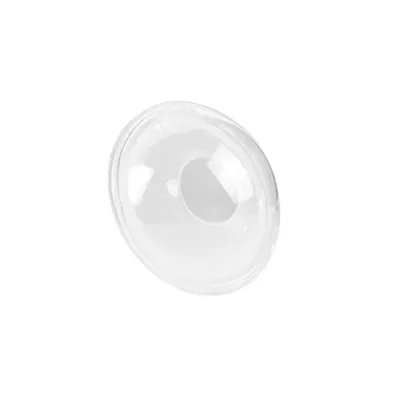

![C&H Silicone Breast Milk Collector Shell / Silicone Breast Pad [ONE PAIR]](https://img.lazcdn.com/g/p/29d306b69fa9e541ccb14013925dae86.jpg_400x400q80.jpg_.webp)
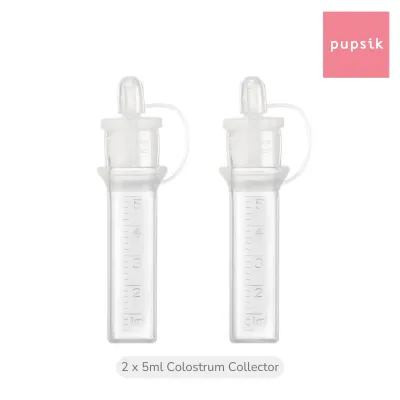
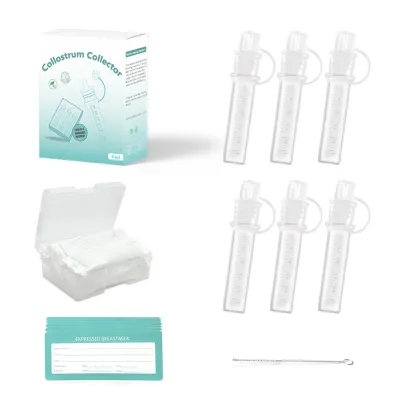
Prices are valid at publication and may change. Please refer to the product page for the latest price.
Clear Signs a Milk Collector Could Help You
Every breastfeeding journey is unique, and what works for one mother may not be necessary for another. To determine if a milk collector is a practical investment for your routine, look for these common scenarios in your daily nursing sessions.

You Experience Strong Let-Down Leaks
A strong, active let-down reflex often causes the opposite breast to spray or leak heavily the moment your baby begins to nurse. If you frequently find your nursing pads completely saturated within minutes, or if you have to hold a towel over your non-nursing breast to protect your clothes, a collector is highly beneficial. Instead of allowing this milk to absorb into a pad where it cannot be recovered, the silicone shell safely channels the flow into a reservoir, allowing you to store it for future feedings.
You Frequently Nurse on One Side
Many babies prefer to feed from only one breast per session, especially during the early weeks or when they are highly efficient feeders. When this happens, the unused breast still experiences the hormonal signal to let down, resulting in wasted milk. By placing a collector on the non-nursing side during these single-breast feeds, you can easily gather several ounces of milk throughout the day without the hassle of scheduling a separate, time-consuming pumping session.
You Have an Oversupply and Want to Save Milk
Mothers with a mild to moderate oversupply often struggle with constant leaking between feeds. If your body naturally produces more milk than your baby currently demands, a collector allows you to build a modest freezer stash passively. This method is particularly useful if you are preparing to return to work or planning occasional outings, as it lets you accumulate a bottle or two of milk every few days without overstimulating your breasts and worsening your oversupply.
You Discomfort with Wet Nursing Pads in Humid Weather
Living in Singapore’s hot and humid tropical climate presents unique challenges for postpartum skin care. Wearing disposable or washable cloth nursing pads that remain damp with breast milk can quickly lead to skin maceration, painful friction, or localized yeast infections such as thrush. A silicone milk collector keeps the milk completely separated from your skin, providing a dry, breathable, and comfortable at-home alternative that helps maintain optimal skin health.
When a Milk Collector Is Not the Right Solution
While these devices are highly convenient, they are not designed to solve every breastfeeding challenge. Misusing a collector or expecting it to perform tasks outside its scope can lead to frustration, compromised milk supply, or physical discomfort.
You Need to Exclusively Pump or Build a Large Stash
If your goal is to feed your baby exclusively with expressed milk, or if you need to build a substantial freezer stash quickly, a passive collector will not suffice. Passive collection only yields the small amounts of milk that your body naturally releases during a let-down. To maintain a full milk supply and extract complete feeds without a nursing baby, you must use a high-quality manual or electric breast pump that mimics a baby’s active sucking pattern.
You Are Struggling with Low Milk Supply
When a mother is dealing with a low milk supply, the primary goal is to increase breast stimulation to signal the body to produce more milk. Because milk collectors are passive and do not actively stimulate the breast tissue or empty the milk ducts thoroughly, they will not help increase your supply. If you suspect your supply is low, it is crucial to consult an International Board Certified Lactation Consultant (IBCLC) who can design an active pumping and feeding plan tailored to your needs.
You Have Sore, Cracked, or Damaged Nipples
If you are experiencing nipple pain, cracking, or bleeding due to latch issues or friction, using a milk collector can sometimes worsen the irritation. Even the mild suction used by some silicone collectors to stay in place can put unnecessary pressure on compromised skin, delaying healing or causing blistering. If you have damaged skin, stop using any suction-based devices immediately, check your product’s manufacturer guidelines, and seek guidance from a healthcare professional or lactation specialist.
Comparing Your Options: Collectors, Pads, and Pumps
Understanding how milk collectors fit alongside other common breastfeeding accessories helps you choose the right tool for the right situation. In Singapore, quality silicone milk collectors are widely available, typically ranging in price from S$15 to S$40, making them an affordable addition to your nursing setup. The table below outlines the primary differences in function, best use cases, and limitations of each option.
| Tool | Primary Purpose | Best Use Case | Limitations |
|---|---|---|---|
| Milk Collector | Passive collection of natural let-down milk. | At home during one-sided nursing sessions or to catch leaks. | Cannot actively extract milk or stimulate supply; limited capacity. |
| Nursing Pads | Absorption of random, daily leaks to protect clothing. | Out of the house, during sleep, or when milk preservation is not a priority. | Milk is absorbed and cannot be saved; can feel damp in humid weather. |
| Breast Pump | Active extraction of breast milk to empty the breasts. | Exclusively pumping, building a large stash, or relieving engorgement. | Requires power or manual effort; more parts to wash and assemble; less discreet. |
Many mothers find that a combination of these tools works best. For example, you might use a silicone milk collector on the opposite side while nursing at home, wear breathable nursing pads when running errands, and rely on an electric breast pump for scheduled sessions when away from your baby.
How to Use and Clean a Milk Collector Safely
To ensure the milk you collect is safe for your baby and to protect your own breast health, strict hygiene and proper usage are essential. Always refer to your specific product’s manufacturer instructions before first use.
- Sterilisation and Cleaning: Before using your milk collector for the first time, sterilise it according to the manufacturer's guidelines, typically by boiling it in water or using a steam steriliser. After every subsequent use, wash the collector thoroughly with warm, soapy water, rinse it well, and allow it to air dry completely in a clean area.
- Safe Milk Handling: Because breast milk collected passively can sit at room temperature during a feeding session, you should empty the collector frequently. Transfer the collected milk into a sterile storage bag or bottle immediately after feeding, and follow standard health authority guidelines for refrigeration or freezing.
- Avoid Over-Suctioning: Some milk collectors feature a flexible silicone base that can be squeezed to create a vacuum. Never squeeze the collector excessively to create strong suction, as this turns the passive collector into an makeshift active pump. Excessive suction can cause tissue damage, bruising, or blistering on the delicate skin of the breast and nipple. If you feel any pain or pinching, release the suction immediately.
Frequently Asked Questions (FAQ)
Can I wear a milk collector while sleeping?
It is generally not recommended to wear a milk collector while sleeping. Because these cups rely on a secure fit or mild suction to stay in place, tossing and turning in bed can easily dislodge them, leading to major leaks and spilled milk. Furthermore, leaving a collector on your breast for extended periods overnight can trap moisture against your skin, increasing the risk of bacterial growth, skin irritation, or thrush. For nighttime leak management, breathable, high-absorbency nursing pads are a much safer and more comfortable choice.
Will using a milk collector increase my milk supply?
No, a milk collector will not increase your milk supply. Breast milk production operates on a supply-and-demand system; your body produces more milk when the breasts are actively and thoroughly emptied, either by a nursing baby or an active breast pump. Because a collector only catches milk that is already flowing during a let-down reflex, it does not provide the neurological or physical stimulation required to signal your body to produce more milk.
Community discussion
Share your experience or ask a question. Comments are reviewed before publication.