
Quick Answer: Do You Actually Need a Lactation Massager?
A lactation massager is an optional, supportive tool designed to assist with milk flow and temporarily relieve breast engorgement, but it is not a mandatory purchase for a successful breastfeeding journey. For most parents, establishing a proper latch and maintaining a frequent, responsive feeding schedule are the most effective ways to manage milk production and prevent discomfort. While a massager can offer physical relief by using gentle vibrations to help loosen blockages, it is best viewed as a helpful accessory rather than an essential requirement. If your breastfeeding routine is already comfortable and your baby is feeding well, you do not need to buy one.
Identifying Your Current Breastfeeding Challenges
Navigating the early weeks of postpartum life involves adjusting to many physical changes, and it is common to experience some degree of breast discomfort. However, it is important to distinguish between normal postpartum fullness and specific issues that might benefit from targeted physical relief. Normal fullness typically presents as a heavy, warm sensation in both breasts as your milk supply transitions, which usually resolves within a few days of regular feeding. In contrast, true engorgement causes the breasts to feel hard, tight, and painfully swollen, sometimes making it difficult for your baby to latch onto the flattened nipple.

Other common challenges include clogged ducts and localized milk stasis. A clogged duct typically feels like a small, hard, tender lump in a specific area of the breast, which may feel sore to the touch but does not cause systemic symptoms like a fever. While these physical blockages can impede milk flow, they are distinct from hormonal supply issues. If your primary concern is low milk supply, a massager alone will not resolve the underlying issue, as milk production is regulated by hormonal signals and the frequent, thorough removal of milk.
Products mentioned in this guide
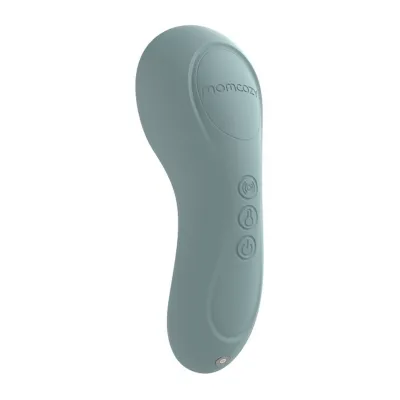
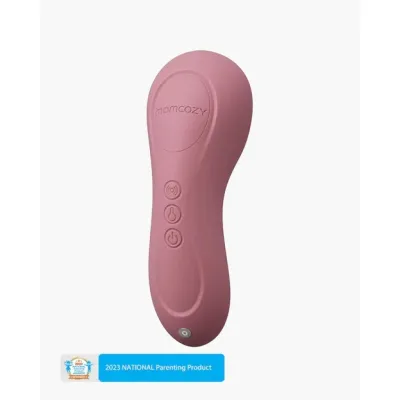
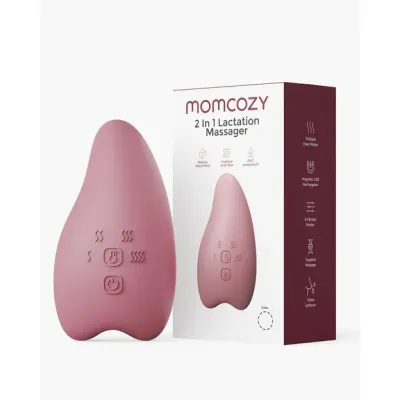
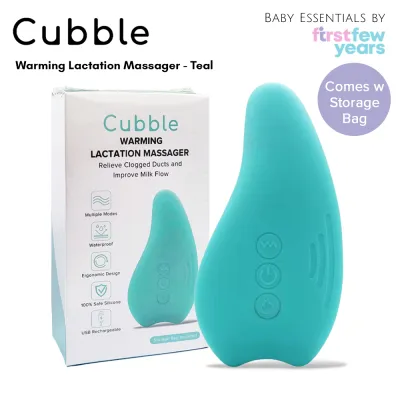
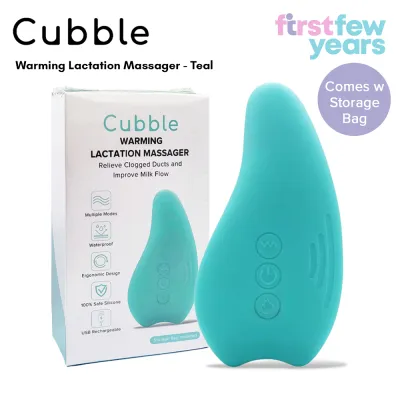
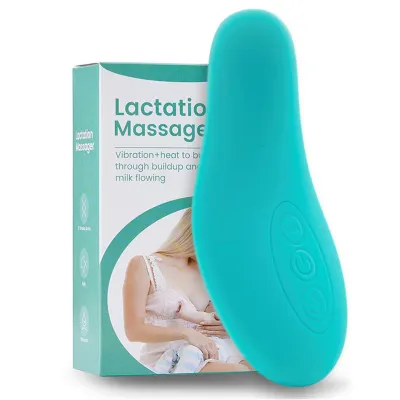
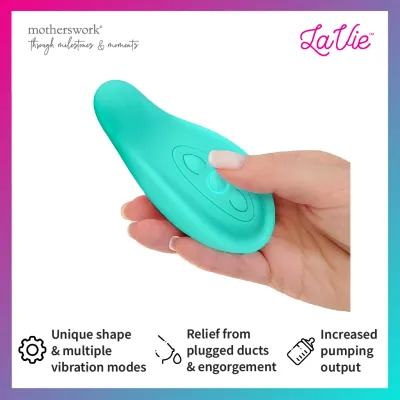
Prices are valid at publication and may change. Please refer to the product page for the latest price.
Self-Check: Signs a Lactation Massager Could Help
To determine if a lactation massager is a practical investment for your situation, you can perform a quick self-check of your daily breastfeeding experiences. One of the most common signs that a device could help is persistent engorgement that makes it difficult for your baby to latch. When the breast tissue is extremely firm and swollen, a baby may struggle to get a deep mouthful of the breast, leading to shallow latching and nipple pain. Using a gentle vibrating tool for a few minutes before a feed can help soften the area around the areola, making latching much easier for your baby.
Another indicator is a sluggish milk ejection reflex, commonly known as the letdown. If you notice that your milk takes a long time to flow when you start pumping or feeding, or if you experience minor, recurring clogged ducts that make your breasts feel unevenly drained, targeted vibration can help encourage the milk to move through the ducts more freely. This is particularly useful for parents who pump frequently, as the mechanical stimulation can sometimes help empty the breasts more efficiently than pumping alone.
Finally, a massager is highly beneficial when manual massage is simply too painful or exhausting to perform. Massaging firm, tender breast tissue by hand requires significant physical effort and can cause hand fatigue, especially during late-night feeding or pumping sessions. A dedicated device allows you to apply consistent, gentle pressure and vibration without the physical strain of manual hand expression, offering a more comfortable and relaxing experience during a stressful moment.
Red Flags: When to Skip the Massager and Seek Professional Help
While a lactation massager can be a useful tool for mild discomfort, there are critical situations where you must skip the device entirely and seek immediate professional medical care. The most significant concern is mastitis, an inflammatory condition of the breast that can sometimes involve an infection. If you experience systemic symptoms such as a fever, chills, body aches, or flu-like exhaustion, alongside a breast that is hot to the touch, swollen, and marked by red streaks, do not use a massager. Applying intense vibration or firm pressure to an actively inflamed or infected breast can worsen tissue damage and spread the inflammation.
Additionally, you should avoid using a massager directly on cracked, bleeding, or severely damaged nipples. Open wounds on the skin are highly susceptible to bacterial entry, and placing a device over these areas can introduce pathogens or exacerbate the physical trauma to the delicate skin. If you notice any signs of skin breakdown, prioritize keeping the area clean and dry, and consult a healthcare provider for appropriate treatment options.
Always stop using any lactation device immediately if you experience increased pain, bruising, or skin irritation during or after use. A lactation massager is meant to assist, not cause further discomfort. If your symptoms do not improve within 24 to 48 hours, or if you are unsure whether your symptoms indicate a more serious condition, contact a certified lactation consultant or your doctor. Professional guidance is essential to ensure you receive the correct diagnosis and treatment plan.
Free and Low-Cost Alternatives to Try Before Buying
Before spending money on a specialized device, there are several highly effective, zero-cost techniques you can try at home to relieve discomfort and improve milk flow. Manual massage is a powerful tool when performed correctly and gently. Instead of applying deep, painful pressure, use light, sweeping motions with your fingertips starting from the chest wall and moving toward the nipple, or try gentle circular motions over any tender areas. Another effective technique is reverse pressure softening, which involves pressing your fingers gently around the base of the nipple for a minute to push fluid back into the breast tissue, temporarily softening the areola to help your baby latch.
Temperature therapy is another accessible option that works well in combination with manual techniques. Applying a warm, damp compress or taking a warm shower just before feeding or pumping can help dilate the milk ducts and encourage a faster letdown. Conversely, applying a cold compress or a chilled gel pack to your breasts for 10 to 15 minutes after a feed can significantly reduce swelling, inflammation, and localized discomfort.
It is also crucial to evaluate your baby’s latch and experiment with different breastfeeding positions. Sometimes, simply changing from a cradle hold to a football hold or a side-lying position can alter the angle of suction, allowing the baby to drain different areas of the breast more effectively. If a poor latch is the root cause of your engorgement or clogged ducts, adjusting your positioning can resolve the issue permanently without the need for any external gadgets.
What to Look for If You Decide to Buy
If you have tried manual methods and decided that a lactation massager is the right choice for your lifestyle, selecting a safe and high-quality device is essential. First and foremost, prioritize products made from body-safe, non-toxic materials. Look for medical-grade or food-grade silicone that is completely free from BPA, phthalates, and latex. Because these devices come into direct contact with your skin and may be used near your baby’s feeding area, the material must be non-porous, easy to clean, and simple to sterilize according to the manufacturer’s instructions.
Another critical feature is adjustable vibration settings. Everyone’s pain tolerance and breast sensitivity vary, especially during the postpartum period when breast tissue can be highly tender. A device with multiple speed and pulsation modes allows you to start with a very gentle setting and gradually increase the intensity as tolerated, preventing accidental tissue bruising or inflammation from overly aggressive vibration.
Finally, consider practical design elements that enhance usability. A waterproof design is highly beneficial, as it allows you to use the massager in a warm shower where the combination of heat and vibration can maximize relief. It also makes the device much easier to wash with warm, soapy water after each use. An ergonomic, compact shape that fits comfortably in your hand will make it easier to hold and position against different areas of the breast, ensuring a more relaxing and stress-free experience.
Frequently Asked Questions (FAQ)
Can a lactation massager increase milk supply?
A lactation massager does not directly stimulate the hormonal production of breast milk. Milk supply is primarily regulated by a demand-and-supply feedback loop, which relies on the frequent and thorough removal of milk from the breasts. However, a massager can indirectly support your supply by helping to empty the breasts more efficiently during feeding or pumping sessions. By encouraging better milk drainage and helping to trigger a faster letdown, it can ensure that the breasts are thoroughly emptied, which signals your body to produce more milk over time.
Is it safe to use a lactation massager every day?
Yes, it can be safe to use a lactation massager daily, provided you follow the manufacturer’s guidelines regarding session duration and intensity. To prevent skin irritation, bruising, or deep tissue inflammation, avoid using the device for extended periods in a single session—typically, a few minutes per breast before or during a feed is sufficient. It is generally best to use the massager as a targeted solution when you are actively experiencing engorgement, clogged ducts, or sluggish flow, rather than viewing it as a mandatory part of your daily breastfeeding routine.

Community discussion
Share your experience or ask a question. Comments are reviewed before publication.