
Deciding how to manage diaper waste is one of the first practical hurdles new parents face. The choice between investing in a dedicated diaper trash bag system and relying on standard household bags is not about finding a single correct answer. Instead, it requires balancing your daily routines, your home’s layout, your budget, and your personal tolerance for unpleasant odors.
Dedicated diaper disposal systems offer specialized mechanical sealing and multi-layered liners designed to lock in smells for several days. Conversely, regular trash bags provide unmatched flexibility, lower ongoing costs, and a simpler routine that fits into standard household waste management. By evaluating your household’s specific setup, you can easily determine which method aligns with your family’s needs.
Understanding Dedicated Diaper Trash Bag Systems
Dedicated diaper trash bag systems are integrated units consisting of a specialized diaper pail and custom-engineered liners. Unlike standard trash cans, these pails employ mechanical barriers—such as spring-loaded trapdoors, rubber gaskets, or twisting clamps—to isolate each deposited diaper. The primary objective of these designs is to prevent ambient air from circulating over the accumulated waste, thereby trapping odors inside the container even when the lid is opened.
Products mentioned in this guide

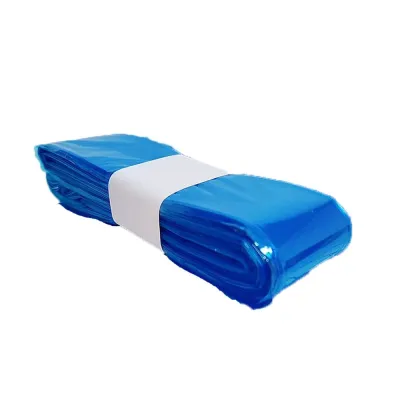
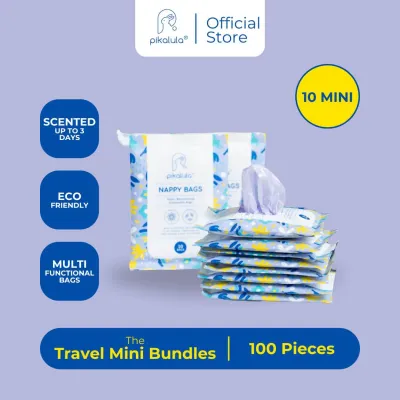
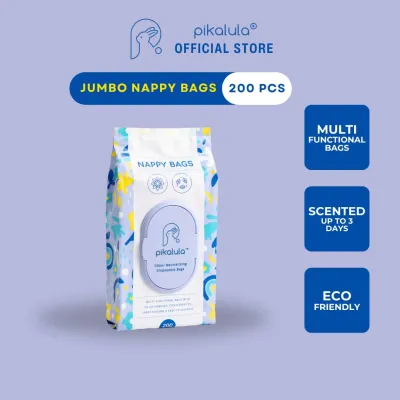
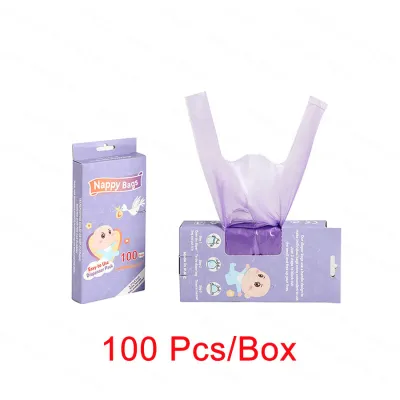
![[Ready Stock] 5/10pcs Portable Baby Diaper Waste Dispenses Bag Pet Dog Cat Poop Garbage Bags For Travel](https://img.lazcdn.com/g/p/0686b84fa174d4c4cd726ea69d9aae5e.jpg_400x400q80.jpg_.webp)
![[SG Seller] 40 rolls/600 plastic bags Dog Garbage bag dog Poop bag Refill Bags Trash bag dog poo bags baby diaper disposable bag plastic bags](https://img.lazcdn.com/g/p/5af1e2d20759c2d565b0b5aa0810b64d.png_400x400q80.png_.webp)
Prices are valid at publication and may change. Please refer to the product page for the latest price.
The specialized diaper trash bag used in these systems is typically constructed from multi-layered plastic films that are significantly more effective at blocking gas molecules than standard low-density polyethylene kitchen bags. Many systems utilize a continuous refill cartridge, allowing users to pull down, tie off, and cut the plastic liner at any point. This design maximizes storage capacity, enabling parents to accumulate multiple days of diapers before taking the waste to an outdoor bin or central chute.
However, this specialized construction introduces a structural limitation. Most dedicated pails require proprietary refill cassettes or specific compatible bags to maintain their airtight seals. Purchasing a dedicated system locks you into a specific brand’s refill ecosystem, which dictates your long-term operating costs and limits your ability to use alternative, cheaper bags if your local store runs out of stock.
Signs a Dedicated Diaper Pail System Is Right for You
In warm, tropical environments like Singapore, high humidity and consistent indoor temperatures accelerate the decomposition of organic waste. This rapid breakdown intensifies diaper odors and encourages bacterial growth, making efficient containment a high priority. If your nursery or changing station is located close to your main living areas, dining space, or a home office, the advanced mechanical seals of a dedicated system offer a highly noticeable advantage in maintaining indoor air quality.

High diaper volume is another clear indicator that a specialized system may be worth the investment. Newborns frequently require 10 to 12 diaper changes per day, and households with twins or multiples will see this volume double. Managing this quantity of waste with standard bags often requires multiple trips to the trash chute daily. A continuous diaper trash bag system allows you to store a large volume of diapers securely, reducing the frequency of waste disposal runs.
Your daily schedule and physical living arrangements also play a significant role. If you live in a high-rise apartment block where disposing of household trash requires walking down a long corridor to a shared waste chute, or if you have limited mobility during postpartum recovery, taking the trash out multiple times a day can be highly inconvenient. A dedicated system that safely contains odors for three to four days provides a practical buffer, allowing you to empty the bin at your convenience.
Finally, choosing a dedicated system is ideal for those who prioritize hands-free convenience and are willing to pay a premium for it. Many specialized pails feature foot pedals or motion sensors that allow you to drop a soiled diaper inside without touching the unit. If minimizing friction during late-night changes is your priority, the ongoing cost of proprietary refills is a deliberate and acceptable trade-off.
When Regular Trash Bags and Standard Bins Are Sufficient
For many families, avoiding the initial expense of a specialized pail and the recurring cost of proprietary refills is a primary consideration. Standard kitchen or nursery bins work perfectly well with regular, inexpensive trash bags or repurposed plastic grocery bags. Choosing this route eliminates a continuous financial commitment, allowing you to allocate your baby budget toward other essential items like diapers, clothing, or feeding supplies.
If your household already maintains a strict daily trash disposal routine, a dedicated diaper pail is often redundant. If you habitually empty your primary kitchen bin every evening, you can simply toss soiled diapers into your regular household trash and take the bag out at the end of the day. Because the waste does not sit in your living space for more than 24 hours, odors do not have sufficient time to accumulate or penetrate the room.
Space constraints in compact apartments or HDB flats also make standard bins highly appealing. Dedicated diaper pails can be bulky, heavy, and visually prominent, occupying valuable floor space in a small nursery. A small, simple step-bin has a much smaller physical footprint and can easily be tucked under a changing table, placed inside a wardrobe, or kept out of sight in an adjacent bathroom.
Environmental considerations may also lead you to choose standard bags. Proprietary refill cassettes often utilize rigid plastic cartridges and long, continuous sleeves of non-biodegradable plastic, contributing to household plastic waste. Using standard trash bags allows you to select eco-friendly, biodegradable, or recycled plastic options, giving you greater control over your household’s environmental footprint.
Comparing Costs and Maintenance: Dedicated Systems vs. Regular Bins
Evaluating the financial and practical differences between these two methods requires looking at both upfront costs and long-term upkeep. While a dedicated system offers specialized features, regular bins provide simplicity and low-cost maintenance.
Initial Investment
Dedicated diaper pails typically range from S$40 to well over S$100 upfront, depending on the brand, materials, and mechanical complexity. In contrast, a standard plastic or stainless steel step-bin costs between S$10 and S$30. Many families may already own a suitable small bin, reducing their initial investment to zero.
Ongoing Consumables
The true cost of a dedicated system lies in the proprietary refill cassettes, which can cost anywhere from S$15 to S$30 for a multi-pack. Depending on your baby’s age and diaper volume, a single refill may only last two to three weeks. Standard trash bags or small bin liners cost only a few cents per bag, resulting in significant savings over the two to three years your child will wear diapers. Parents should check current local retail prices in Singapore dollars (SGD) to calculate their projected long-term expenses.
Cleaning and Upkeep
Dedicated pails feature intricate mechanical parts, springs, and rubber gaskets that can trap moisture and organic residue over time. In humid climates, these hidden crevices can harbor bacteria and mold, requiring careful disassembly and deep cleaning with baby-safe sanitizing sprays. Standard bins have simple, smooth surfaces with no complex mechanisms, making them incredibly easy to wash, wipe down, and air-dry in a few minutes.
| Feature | Dedicated Diaper Pail System | Standard Bin & Regular Bags |
|---|---|---|
| Upfront Cost | Higher initial investment (S$40 – S$100+) | Minimal upfront cost (S$10 – S$30) |
| Ongoing Cost | Higher recurring cost for proprietary refills | Extremely low cost for standard bags |
| Odor Control | Advanced mechanical seals and multi-layer film | Basic containment; relies on frequent emptying |
| Maintenance | Requires cleaning of mechanical parts and seals | Simple, quick wipe-down or wash |
| Flexibility | Locked into specific refill bag sizes and brands | Works with any standard or repurposed bag |
How to Maximize Odor Control Without a Dedicated System
If you decide that a dedicated system is not necessary for your household, you can still manage nursery odors effectively using smart, low-risk habits. The key to odor control with standard bins is preventing air circulation and managing moisture before smells can spread.
- Pre-Disposal Wrapping: Before tossing a diaper, roll it as tightly as possible and secure it firmly using its own adhesive tabs. For heavily soiled diapers, place them individually into small, inexpensive bags—such as scented pet waste bags or small biodegradable bags—and tie a tight knot before throwing them into the main bin.
- Bin Selection: Opt for a small, hands-free step-bin with a tight-fitting lid and a removable inner plastic bucket. The smaller capacity is actually an advantage, as it forces you to empty the bin every 24 to 48 hours, preventing waste from sitting long enough to create a severe odor problem.
- Natural Deodorizers: Place an open box of baking soda, a sprinkle of bicarbonate powder, or an activated charcoal odor-absorbing pouch at the bottom of the bin, underneath the trash liner. These natural agents absorb moisture and neutralize acidic odors without releasing strong synthetic fragrances that might irritate your baby's sensitive respiratory system.
- Routine Cleaning: Every time you change the trash bag, spray the inside of the empty bin with a mild, baby-safe disinfectant or a mixture of water and white vinegar. Wipe it clean and ensure the bin is completely dry before inserting a new liner, as trapped moisture in a closed bin rapidly leads to mildew and lingering smells.
- Safety First: Always store all plastic bags, trash liners, and small disposal bags completely out of reach of infants and young children. Loose plastic poses a severe suffocation hazard, so ensure your diaper changing station is organized with safety in mind.
Frequently Asked Questions (FAQ)
Can I use regular trash bags in a dedicated diaper pail?
Whether you can use regular bags depends entirely on the design of your specific diaper pail. Some open-top or clamp-style pails are engineered to accommodate standard kitchen trash bags, offering the benefits of a mechanical seal without the recurring cost of proprietary refills. However, many popular systems require continuous, cartridge-based liners to maintain their airtight seals. Always check the manufacturer’s specifications before purchasing a pail if you plan to use standard bags.
How often should I empty a regular nursery trash bin?
To prevent bacterial growth and strong odors, you should empty a standard nursery bin at least once every 1 to 2 days. In warm or humid conditions, solid waste should be taken to your main outdoor bin or waste chute immediately. Letting soiled diapers sit in an unsealed bin for more than 48 hours allows bacteria to multiply, making odors much harder to eliminate from the room.
Are dedicated diaper pails necessary for cloth diapers?
Dedicated diaper pails designed for disposable diapers are not suitable for cloth diapers. Cloth diapering requires a breathable storage system to prevent mildew and fabric degradation before laundry day. Instead of plastic liners, cloth diaper users should use a large, washable zippered wet bag or a dedicated diaper pail fitted with a breathable, machine-washable cloth liner. Check your diaper manufacturer’s care instructions to ensure your storage method preserves the life of the fabric.
Community discussion
Share your experience or ask a question. Comments are reviewed before publication.