
A colostrum collector is not a mandatory purchase for every expecting mother, but it can be a highly beneficial tool if you anticipate specific breastfeeding challenges or want to prepare for early feeding scenarios. Often referred to as “liquid gold,” colostrum is the nutrient-rich first milk your body produces during pregnancy and the immediate postpartum period. While many mothers successfully feed their newborns directly from the breast without prior preparation, others choose to collect and store this early milk before birth or in the first few days after delivery. Deciding whether to invest in a dedicated collector depends on your medical history, physical anatomy, and personal feeding goals.
Understanding the Role of a Colostrum Collector
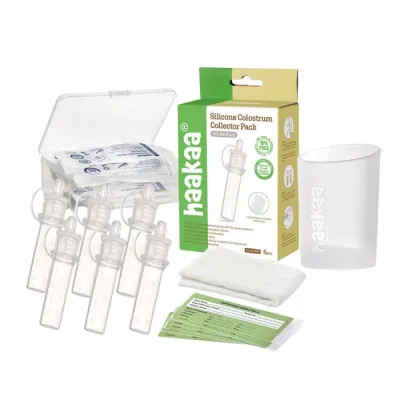
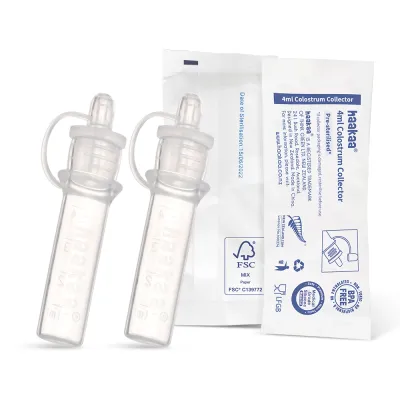
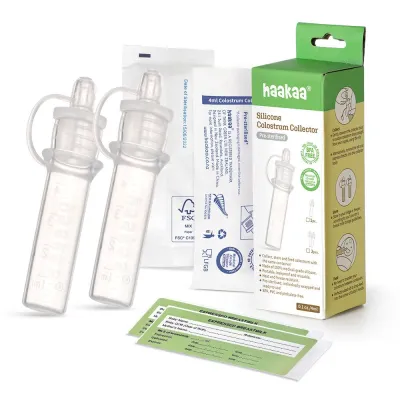
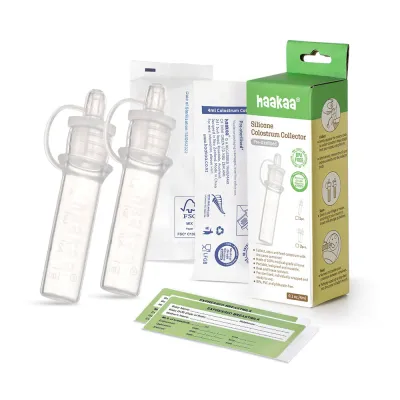
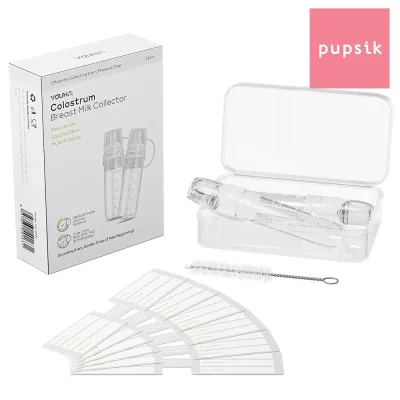
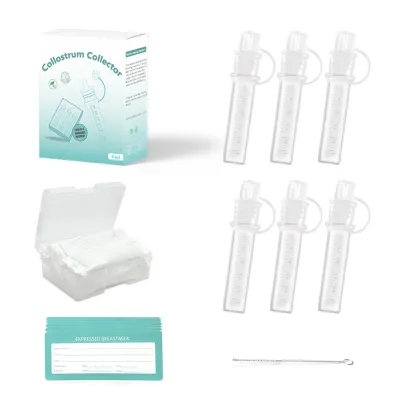
A colostrum collector is a specialized, small-capacity container designed to gather and store the thick, highly concentrated first milk produced by the breasts. Unlike standard breast pumps that rely on motorized suction to draw out large volumes of mature milk, these collectors are typically small, syringe-like devices made of soft, food-grade silicone. They allow mothers to collect tiny droplets of milk through gentle manual expression or passive collection directly from the nipple, ensuring that not a single drop of this valuable fluid is wasted.
These devices serve two primary purposes depending on when they are used. Antenatally, they are used to collect and freeze colostrum during the final weeks of pregnancy, typically from around the 36th or 37th week onward, subject to medical clearance. Postpartum, they provide a sterile, easy-to-use tool for gathering colostrum in the hospital or at home during the first few days after delivery, especially if the baby is having difficulty latching or is temporarily separated from the mother. Because colostrum is produced in very small quantities—often measured in drops or single milliliters—the narrow, syringe-like design of these collectors makes it much easier to draw up, store, and feed the milk directly to the infant compared to wide-mouthed bottles.
Products mentioned in this guide
Prices are valid at publication and may change. Please refer to the product page for the latest price.
Signs a Colostrum Collector Could Help Your Breastfeeding Journey
Evaluating your physical anatomy and medical history can help you determine if a colostrum collector is a practical addition to your preparation checklist. For mothers with flat, inverted, or highly sensitive nipples, direct latching can sometimes be challenging during the first few days postpartum. Having a pre-collected supply of colostrum allows you to feed your newborn immediately using a syringe or spoon, giving both you and your baby time to practice latching without the pressure of immediate hunger.

Medical factors also play a significant role in deciding whether to collect colostrum early. If you are managing gestational diabetes, your baby may experience low blood sugar levels shortly after birth, requiring prompt feeding to stabilize their glucose. Having a small freezer stash of colostrum ready can prevent the need for formula supplementation if that is your personal preference. Similarly, if you are anticipating a planned Caesarean delivery or have been advised of a potential premature birth, your mature milk production may take slightly longer to establish, or your baby may spend time in the neonatal intensive care unit. In these situations, pre-collected colostrum provides immediate, tailored nutrition and immune support when direct nursing is not yet possible.
Reasons You Might Not Need to Buy a Colostrum Collector
While colostrum collectors are highly useful for specific circumstances, they are by no means a necessity for every pregnancy. If you have an uncomplicated, low-risk pregnancy and typical nipple anatomy, your baby will likely be able to latch and feed directly from the breast immediately after birth. The natural process of skin-to-skin contact and frequent, on-demand nursing is highly effective at stimulating your milk supply and delivering colostrum directly to your newborn without the need for any external tools.
It is also worth noting that hospitals and birth centers are well-equipped to support early feeding needs. If your baby requires temporary supplementation or assistance with feeding in the hospital, medical staff can typically provide sterile collection cups, spoons, or standard oral syringes free of charge. These hospital-provided items function perfectly well for gathering and administering small amounts of hand-expressed colostrum, making a pre-purchased retail collector redundant for many families. Skipping the purchase of dedicated collectors can save you money and reduce the amount of baby gear you need to manage and sterilize.
Safety Checks and When to Stop Antenatal Collection
If you decide to collect colostrum before your baby is born, safety must be your primary consideration. It is essential to consult your obstetrician, midwife, or a certified lactation consultant before starting any antenatal expression. Nipple stimulation triggers the release of oxytocin, a hormone that can cause uterine contractions. While this is generally safe in healthy, full-term pregnancies, it can pose risks for those with a history of preterm labor, cervical incompetence, or other pregnancy complications.
Hygiene and sterilization are critical when handling and storing raw colostrum. Ensure that you wash your hands thoroughly with soap and water before expression, and verify that the collectors have been sterilized according to the manufacturer’s instructions. Each collector should be clearly labeled with the date and time of collection before being placed in the freezer. You must stop expressing immediately if you experience any signs of uterine contractions, cramping, lower back pain, or physical discomfort.
Practical Alternatives for Collecting and Feeding Colostrum
If you choose not to purchase dedicated colostrum collectors, several practical and highly effective alternatives are available. The most common method is hand expression directly onto a sterile, food-grade spoon or into a small, sterile medicine cup. This technique is easy to learn, requires no specialized equipment, and allows you to feed the collected droplets directly to your baby’s mouth, minimizing waste.
In cases where medical separation occurs postpartum, hospital-grade electric breast pumps can be used under the guidance of hospital staff. While these pumps are generally designed for mature milk, they often have specific settings or manual attachments suitable for early expression. Ultimately, the most powerful alternative to any collection device is immediate, uninterrupted skin-to-skin contact and direct nursing. Placing your baby on your chest right after birth stimulates the natural release of hormones that encourage milk production and helps your baby find the breast instinctively.
What to Look for If You Decide to Purchase One
If you conclude that a colostrum collector is the right choice for your journey, selecting a high-quality, safe product is essential. Look for collectors made from 100% food-grade, BPA-free, and medical-grade silicone. The material should be soft and flexible to allow for comfortable handling and gentle suction if the design supports it.
Clear volume measurement markings are another important feature. Because colostrum is produced in tiny amounts, having precise milliliter markings helps you track your output accurately and monitor how much your baby is receiving. Additionally, evaluate how easy the device is to clean and sterilize; designs with minimal parts that can be boiled or steam-sterilized are highly recommended to ensure optimal hygiene. Finally, always review the manufacturer’s instructions regarding storage limits, temperature guidelines, and sealing mechanisms.
Frequently Asked Questions (FAQ)
Can I use a colostrum collector while pregnant?
Yes, but only under specific conditions and with explicit clearance from your healthcare provider. Antenatal colostrum expression is typically only recommended from the 36th or 37th week of pregnancy for low-risk individuals. Because nipple stimulation can release oxytocin and potentially induce uterine contractions or early labor, you must consult your doctor or midwife before starting to ensure it is safe for your specific pregnancy.
How much colostrum should I expect to collect per session?
Colostrum is highly concentrated and produced in very small quantities, so you should expect to collect only a few drops to a few milliliters per session, especially when starting out. It is completely normal to collect less than one milliliter during your first few attempts. Small-capacity collectors, usually ranging from 1ml to 5ml, are specifically designed to capture these tiny volumes efficiently without losing any milk to the surface of a larger container.
Community discussion
Share your experience or ask a question. Comments are reviewed before publication.