
Keeping a home clean when you have an infant is a delicate balancing act. You want to eliminate harmful bacteria and viruses that could make your little one sick, but you also want to avoid exposing their developing systems to harsh chemical residues and strong fumes. This dilemma often leaves parents wondering if they truly need a specialized baby surface cleaner or if their standard household disinfectants are safe enough to use around the home.
Both products have a place in a household with a baby, but they serve different purposes and require different handling. Regular disinfectants are highly effective at killing pathogens but often leave behind chemical residues that must be rinsed off surfaces your baby touches. A dedicated baby surface cleaner is formulated to clean effectively without leaving harsh residues, making it a safer and far more convenient choice for high-touch baby zones, toys, and play areas. Deciding which to use depends on the specific surface, your baby’s developmental stage, and how much time you can dedicate to proper rinsing and ventilation.
Understanding the Difference: Baby Cleaners vs. Regular Disinfectants
To make an informed choice, it is essential to understand what sets these two categories of cleaning products apart. A dedicated baby surface cleaner is specifically formulated with the vulnerabilities of infants in mind. These products are typically made with plant-derived surfactants—such as those derived from coconut or corn—and are designed to clean surfaces without leaving behind harsh chemical residues. They generally omit ingredients like chlorine bleach, ammonia, synthetic fragrances, and artificial dyes, which are common irritants. The primary goal of a baby-specific cleaner is to lift dirt, grease, and spills safely, leaving a surface clean and free of substances that could harm a baby upon direct contact.
Products mentioned in this guide
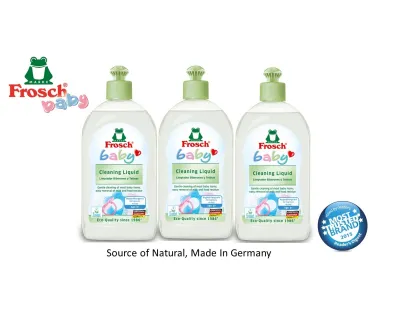
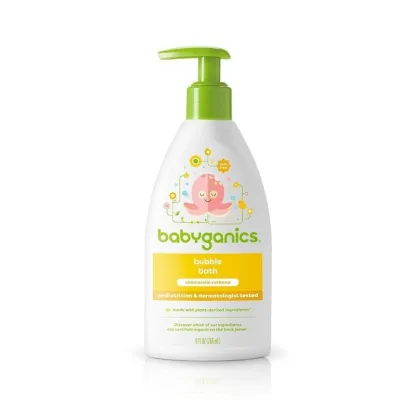
Prices are valid at publication and may change. Please refer to the product page for the latest price.
In contrast, regular household disinfectants are formulated to achieve a high level of pathogen reduction, often claiming to kill 99.9% of bacteria and viruses. To achieve this, they rely on potent active chemical agents. Common ingredients in standard disinfectants include quaternary ammonium compounds (often called “quats”), sodium hypochlorite (chlorine bleach), or hydrogen peroxide. While highly effective at sanitizing, these chemicals are designed to remain on the surface for a specific period to work, and they can leave behind a persistent chemical film once dry.
This chemical residue is the core concern for parents of young infants. Babies do not interact with their environment the way adults do; they explore the world through touch and taste. They crawl across floors, pull themselves up on low tables, and constantly put their hands, toys, and random household objects directly into their mouths. If a surface has been treated with a strong household disinfectant and not thoroughly rinsed, those residual chemicals can easily transfer to the baby’s skin and be ingested.
However, parents should not assume that a product labeled “natural,” “organic,” or “baby-friendly” is automatically devoid of risk. These marketing terms are not strictly regulated in the cleaning industry. Some natural formulations contain essential oils or plant extracts that can still trigger allergic reactions or skin irritation in sensitive infants. It is always necessary to inspect the ingredient list, check for fragrance-free options, and read the manufacturer’s specific safety and application instructions before use.
When Regular Household Disinfectants Are Safe Enough
You do not need to throw out your standard household disinfectants the moment you bring a newborn home. Regular disinfectants are entirely safe and highly recommended for low-risk areas of the house where your baby does not spend time. Spaces like adult bathrooms, high kitchen countertops, entryways, and high shelves are excellent candidates for standard chemical disinfection. Using these stronger products in adult-only zones helps keep the overall viral and bacterial load of the household low without exposing your baby to direct contact risks.

When using standard disinfectants, understanding “contact time” is crucial for both efficacy and safety. Most disinfectants do not kill germs instantly; the surface must remain visibly wet with the product for a specified duration—often ranging from 30 seconds to 10 minutes, depending on the pathogen. During this contact time, chemical fumes can build up in the air. To protect your baby’s sensitive respiratory system, always ensure the room is highly ventilated. Open windows, turn on extractor fans, and keep the baby in another room until the product has dried and the fumes have completely dissipated.
For surfaces that your baby will directly interact with—such as high chair trays, low play tables, or crib rails—using a regular disinfectant requires a mandatory secondary step. Once the product’s required contact time has elapsed, you must thoroughly rinse the surface with potable water. This rinsing step is essential to physically strip away the chemical residue left behind by the disinfectant. If you do not have the time or ability to rinse a surface thoroughly with clean water, a standard household disinfectant should not be used on that item.
Additionally, if you are using concentrated disinfectants that require dilution, you must follow the manufacturer’s instructions precisely. Creating a solution that is too strong increases the risk of chemical burns, skin irritation, and toxic fumes, while a solution that is too weak will fail to disinfect. Always store these concentrated chemicals, as well as ready-to-use sprays, in secure, high cabinets that are completely inaccessible to children.
Signs It Is Time to Switch to a Baby-Specific Surface Cleaner
As your baby grows, their daily habits and physical abilities change rapidly. There are several clear indicators that it is time to transition from relying solely on standard disinfectants to incorporating a dedicated baby surface cleaner into your routine. The most significant indicator is developmental: reaching major physical milestones. Once your baby begins to crawl, roll, and sit up on the floor, their exposure to floor-level residues increases exponentially. During the oral phase, which typically peaks between six months and two years of age, babies place almost everything they touch into their mouths. At this stage, a residue-free baby surface cleaner becomes a practical necessity for daily floor and furniture maintenance.
Your baby’s physical health and skin condition are also critical factors to watch. If your child shows signs of sensitive skin, eczema, or respiratory sensitivities, they may react poorly to the harsh ingredients and strong fragrances found in standard household cleaners. Fumes from chlorine bleach or synthetic perfumes can trigger coughing, wheezing, or skin flare-ups. Switching to a fragrance-free, plant-based baby surface cleaner can help minimize these environmental triggers, providing a gentler environment for a child with sensitive airways or skin.
Another sign is the sheer volume of high-touch baby zones in your home. Items like changing tables, crib wooden rails, foam play mats, and hard plastic toys require frequent cleaning due to diaper leaks, spit-up, and drool. Rinsing a massive foam play mat or an intricate plastic activity center with potable water multiple times a day is incredibly tedious and time-consuming. A baby-specific surface cleaner designed for “wipe-and-go” use eliminates this extra step, allowing you to clean up messes quickly and safely.
Ultimately, convenience and peace of mind are valid reasons to make the switch. Parenting a young child is exhausting, and the mental load of constantly worrying whether a surface was rinsed well enough can take a toll. Utilizing a trusted, baby-safe cleaner for all surfaces in the nursery and common play areas streamlines your daily chores, giving you confidence that your baby’s immediate environment is clean and free of harsh chemical residues.
Building a Safe Cleaning Routine for Your Singapore Home
Managing a clean and safe home environment requires adjusting your routine to local living conditions. In Singapore, most families reside in high-rise HDB flats or condominiums, which often feature compact layouts. When using any cleaning products, ensuring proper ventilation is a primary safety step. If you are cleaning with standard disinfectants or even scented baby cleaners, turn off your air-conditioning systems temporarily. Open your main doors, windows, and balcony doors to establish cross-ventilation, and use standing fans to help push chemical fumes out of the living spaces.
Singapore’s tropical climate is characterized by high humidity, which naturally encourages the growth of mold and mildew. While mold must be addressed promptly to protect your baby’s respiratory health, the strong bleach-based products typically used to kill mold are highly irritating. To manage this safely, isolate the area being treated—such as a bathroom corner—and keep your baby in a separate, well-ventilated room. Once the mold is treated, rinse the area thoroughly with water and ensure it is completely dry before letting your baby near the space. For daily prevention in play areas, wipe down surfaces regularly with a mild baby surface cleaner to remove the organic matter that mold feeds on, keeping moisture levels down with dehumidifiers or fans.
A practical way to manage your household chores is to implement a zoned cleaning strategy. You do not need to use baby cleaner on every single surface in your home. Divide your living space into distinct zones:
- Adult and High-Risk Zones: Use regular, heavy-duty disinfectants for adult bathrooms, toilet bowls, kitchen sinks, and entryway floors where external dirt is tracked in. Rinsing and ventilating these areas is easier because the baby does not play there.
- Baby Zones: Use a mild, baby-specific surface cleaner for the nursery, play mats, high chairs, toy shelves, and low coffee tables. This ensures the areas where your baby spends the most time remain free of harsh chemical films.
It is also helpful to differentiate between daily routine cleaning and periodic deep disinfection. Daily messes—such as spilled milk, food crumbs, and drool—only require a quick wipe with a mild baby surface cleaner or mild soap and water. True disinfection with stronger agents is generally only necessary if someone in the household has been sick with a contagious illness, or if a high-risk spill has occurred. After deep disinfection, always remember to perform the mandatory rinse step on any surfaces your baby will touch.
Essential Safety Boundaries for All Cleaning Products
Regardless of whether you choose to use regular disinfectants, baby-specific cleaners, or a combination of both, there are several non-negotiable safety rules that every caregiver must follow to protect infants from accidental harm. First and most importantly, never mix different cleaning products. Combining chlorine bleach with ammonia-based cleaners, acids (such as vinegar), or even certain toilet bowl cleaners can trigger a chemical reaction that releases highly toxic chloramine or chlorine gas. These gases can cause severe, immediate damage to an infant’s highly sensitive respiratory tract.
Second, secure storage is a critical safety baseline. Many modern baby cleaners come in brightly colored packaging or feature pleasant fruit scents, which can make them highly attractive to curious toddlers. Always store all cleaning agents—including those labeled “natural,” “organic,” or “baby-safe”—in locked cabinets or on high shelves that are completely out of your child’s reach. Never leave a cleaning bottle unattended on the floor or a low table while you are in the middle of cleaning.
Third, always read and strictly follow the manufacturer’s instructions printed on the product label. Pay close attention to recommended dilution ratios, wet contact times, and whether the product requires rinsing. Never guess how to use a chemical, and do not use a product on materials for which it is not recommended.
Finally, if you are ever in doubt about the safety or compatibility of a cleaning product with a specific baby item—such as a silicone teether, a wooden play gym, or a specialized fabric play mat—stop using the product immediately. Refer to the manufacturer’s care instructions for that specific item, or consult your pediatrician for guidance on safe cleaning practices for your baby’s toys and accessories.
Frequently Asked Questions (FAQ)
Can I use natural alternatives like vinegar or baking soda instead?
While white vinegar and baking soda are popular, low-toxicity household alternatives, they are not registered disinfectants. They are excellent for cutting through grease, removing mineral deposits, and lifting light dirt without leaving harmful chemical residues. However, they do not reliably kill strong pathogens like viruses or certain bacteria. You can safely use them for daily, low-risk wiping, but you should not rely on them for sanitizing surfaces after an illness or cleaning up high-risk biological spills.
How should I clean and disinfect baby toys?
The safest cleaning method depends entirely on the toy’s material. Hard plastic toys without batteries can typically be washed with mild dish soap and warm water, or placed in the top rack of a dishwasher if the manufacturer’s care label permits. For soft plush toys, check the care tag; most can be laundered in a washing machine on a gentle cycle. Before applying any commercial surface cleaner or disinfectant wipe to a toy, always verify the toy manufacturer’s care instructions to prevent material degradation or chemical absorption.
Community discussion
Share your experience or ask a question. Comments are reviewed before publication.