
Quick Answer: Which Underpad Type is Right for You?
Choosing the right underpad for your baby’s changing table is a decision that directly impacts your daily diapering routine, your household budget, and your environmental footprint. The ideal choice between a disposable underpad and a reusable underpad depends on your family’s lifestyle, laundry capacity, and long-term financial preferences.
Disposable underpads offer unmatched convenience, making them highly practical for travel, quick outings, or managing heavy messes without adding to your laundry pile.
On the other hand, reusable underpads provide substantial long-term savings, offer softer and more breathable materials for sensitive skin, and significantly reduce landfill waste for daily home diapering.
Products mentioned in this guide
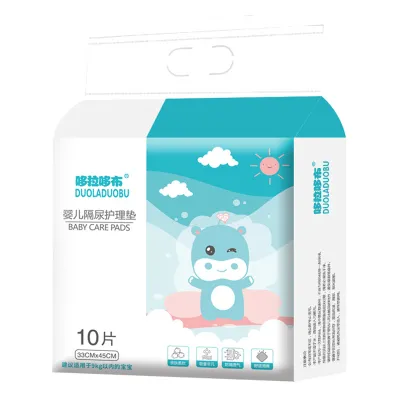
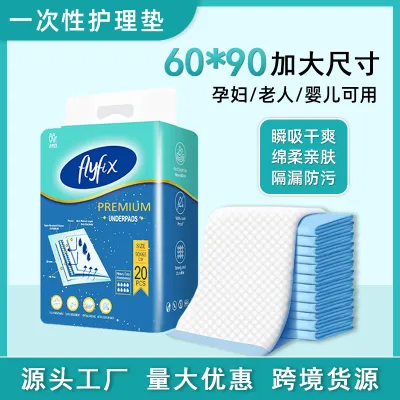
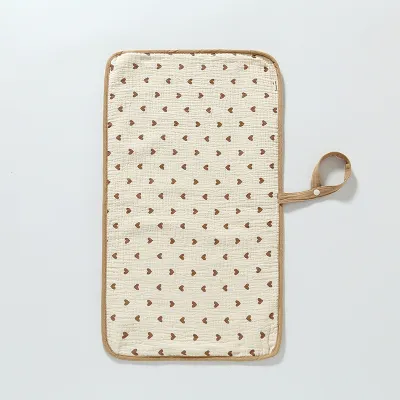
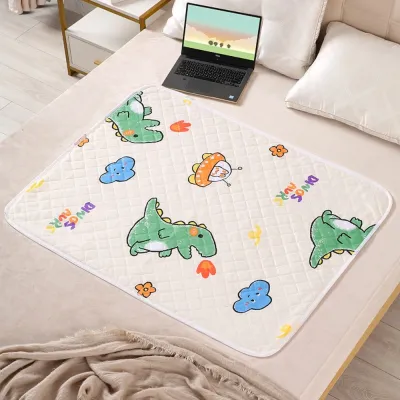
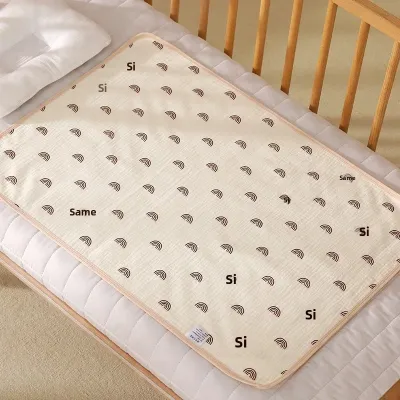
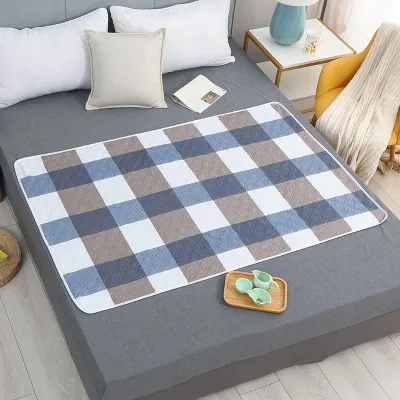
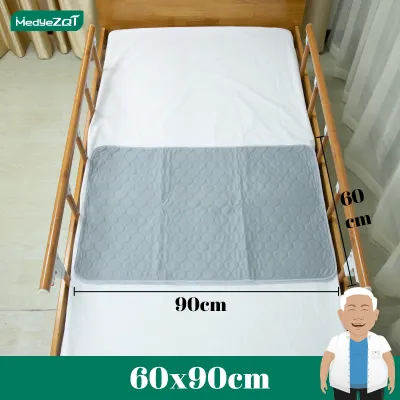
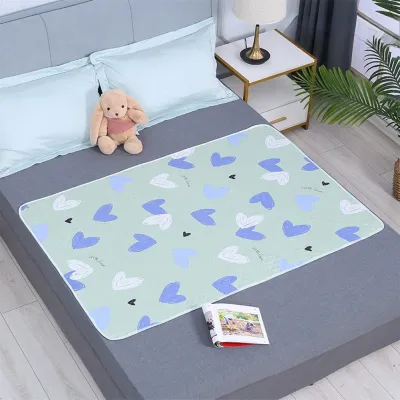
Prices are valid at publication and may change. Please refer to the product page for the latest price.
Core Differences Between Disposable and Reusable Underpads
To make an informed decision, it is essential to understand how these two types of underpads are constructed and how they function on a changing table. An underpad, also known as a changing pad liner, serves as a protective barrier between your baby and the changing table surface, catching unexpected leaks, spills, and messes during diaper changes.

Disposable underpads are designed for single-use convenience. They typically feature a multi-layered construction starting with a soft, non-woven top sheet that channels moisture away from the baby’s skin. Beneath this lies an absorbent core, often made of wood fluff pulp or superabsorbent polymer (SAP) gel that locks in liquids. The bottom layer is a waterproof plastic backing, usually made of polyethylene, which prevents moisture from seeping onto the changing table pad or furniture.
Reusable underpads are engineered for durability and repeated laundering. They generally feature a top layer made of natural fibers like organic cotton, bamboo, or soft fleece, which feels gentle against a baby’s delicate skin. The middle layer consists of an absorbent microfiber or polyester blend designed to trap moisture. The bottom layer is a waterproof barrier made of polyurethane laminate (PUL) or thermoplastic polyurethane (TPU), which is bonded to the fabric to ensure it remains leakproof through dozens of wash cycles.
While both options protect your changing table pad from stains and dampness, their structural differences lead to distinct experiences in terms of physical effort, cost, and skin health.
Key Comparison Dimensions for Your Changing Table Setup
When setting up your nursery in Singapore, several practical factors will influence which underpad type fits best into your daily routine.
Convenience and Daily Routine
The daily physical effort required to manage diaper changes is often the deciding factor for busy parents. Disposable underpads excel in “use and toss” simplicity. When a blowout or mid-change accident occurs, you simply fold up the soiled pad and throw it directly into the trash bin. This immediate disposal is incredibly helpful for sleep-deprived parents navigating late-night changes or those managing multiple young children simultaneously.
In contrast, reusable underpads introduce a dedicated maintenance cycle. When a reusable pad is soiled, you cannot simply toss it into the washing machine if there is solid waste present. You must first scrape or rinse off any feces into the toilet, pre-treat any potential stains, and store the damp pad in a wet bag or diaper pail until laundry day. Managing these extra steps requires consistent time and energy, which can feel overwhelming during the demanding newborn phase.
Your physical living environment also plays a role in this routine. In Singapore’s humid climate, air-drying thick, multi-layered reusable underpads in an HDB service yard or apartment balcony can take a significant amount of time. If you do not own a clothes dryer or prefer not to run one frequently, you will need a larger inventory of reusable pads to ensure you always have a dry one ready.
Out-of-home convenience is another major consideration. Packing a diaper bag with lightweight, compact disposable underpads is highly efficient. They take up minimal space and can be discarded immediately after use at public changing stations, eliminating the need to carry a soiled, smelly fabric pad around in your bag for the rest of the day.
Long-Term Cost and Value
Evaluating the financial impact of your underpad choice requires looking beyond the initial purchase price to calculate the cost per use over your baby’s diapering years.
Disposable underpads have a low upfront cost, with packs of various sizes widely available on online marketplaces and in local supermarkets. However, because you use and discard at least three to five pads a day during the newborn stage, these small costs accumulate continuously. Over two to three years of diapering, the total expenditure on single-use items can become substantial.
Reusable underpads require a higher initial investment. Purchasing a multi-pack of high-quality washable pads can cost more upfront, but these pads are designed to last through hundreds of wash cycles. Once purchased, your ongoing costs for these pads drop to near zero, making them highly economical in the long run.
To accurately compare the two, parents should factor in the hidden costs of laundering reusables. In Singapore, this includes the cost of water, electricity, and gentle baby-safe detergents. Even when factoring in these utility expenses, reusable pads generally offer significant financial savings over their lifespan compared to buying thousands of disposable sheets. Parents are encouraged to check current retail prices in SGD on local e-commerce platforms to calculate their specific projected savings.
Hygiene, Skin Sensitivity, and Cleanup
A baby’s skin is incredibly delicate, making the material composition of your changing table underpad a vital consideration for comfort and health.
Reusable underpads are often preferred for babies with highly sensitive skin or those prone to diaper rash. Because they are typically crafted from natural fibers like cotton or bamboo, they offer superior breathability and a soft, non-abrasive texture. These natural materials allow air to circulate more freely, reducing the warm, humid environment that can contribute to skin irritation.
Disposable underpads, while highly absorbent, are made of synthetic materials and plastic backings that do not breathe as well. Some babies may experience mild irritation from prolonged contact with synthetic top sheets, especially during warm afternoons. Additionally, parents should carefully check product labels on disposable packaging to verify if they are free from added fragrances, dyes, or chlorine processing, which can trigger allergic reactions.
The cleanup process for major messes highlights a clear trade-off between hygiene and effort. With a major blowout, a disposable pad allows you to wrap up the entire mess and dispose of it immediately, minimizing the spread of bacteria in your home. Cleaning a reusable pad after a major blowout requires immediate rinsing and hot-water washing to ensure proper sanitation, which can be challenging when you are also trying to clean and soothe a fussy baby.
Environmental Impact and Sustainability
For eco-conscious households, the ecological footprint of baby care products is a primary decision driver. The environmental comparison between disposable and reusable underpads involves weighing landfill waste against resource consumption.
Disposable underpads contribute directly to municipal solid waste. Because they contain plastic backings and superabsorbent polymers, they do not decompose quickly in landfills. Over the course of a baby’s diapering journey, a single household can discard hundreds of single-use pads, adding to the growing waste management challenges faced by modern cities.
Conversely, reusable underpads drastically reduce physical waste, as a small set of ten to twelve pads can serve a baby from birth through potty training. However, reusables are not entirely without environmental impact. Laundering them requires water and energy, and the use of chemical detergents can affect local waterways. To minimize this impact, parents can wash reusable pads in full loads, use eco-friendly detergents, and line-dry them whenever possible.
If you prefer the convenience of disposables but want to reduce your environmental impact, some manufacturers offer biodegradable or compostable disposable underpads. When considering these options, it is crucial to read the packaging carefully to verify their certifications and understand the specific disposal instructions, as many biodegradable products require industrial composting facilities to break down properly and will not decompose efficiently in standard household trash.
How to Choose: Decision Framework for Parents
To determine the best underpad setup for your nursery, consider how your daily habits, housing setup, and baby’s unique needs align with each option.
Choose Disposable Underpads If:
- You travel frequently: If you are often on the go, visiting family, or navigating public spaces in Singapore, the ease of discarding a soiled pad instantly is unmatched.
- You have limited laundry capacity: If you live in an apartment with limited drying space, do not have a clothes dryer, or already struggle to keep up with daily laundry loads, adding more fabric items to wash may cause unnecessary stress.
- You prioritize quick cleanup: If you want to minimize the time spent scraping, pre-treating, and washing heavily soiled fabrics, the "use and toss" method is the most practical solution.
- Your baby has a temporary illness: During bouts of stomach flu or diarrhea, using disposable pads helps contain highly infectious waste and simplifies sanitization.
Choose Reusable Underpads If:
- You want to minimize long-term expenses: If you are looking to optimize your nursery budget over the next two to three years, the low cost-per-use of reusables is highly advantageous.
- Your baby has highly sensitive skin: If your child is prone to eczema, contact dermatitis, or frequent diaper rash, the gentle, breathable texture of natural cotton or bamboo is the safer choice.
- You are committed to a low-waste lifestyle: If reducing your household’s contribution to landfills is a priority, washable pads align perfectly with your environmental goals.
- You already run daily laundry cycles: If you are already washing cloth diapers or running daily loads of baby clothes, integrating a few underpads into your existing routine requires very little extra effort.
Consider a Hybrid Approach: Many parents find that a hybrid strategy offers the ultimate balance of convenience, cost-effectiveness, and sustainability. Under this approach, you place a soft, reusable underpad on your home changing table for daily use, taking advantage of its comfort and cost savings. Meanwhile, you keep a small stash of disposable underpads in your diaper bag for travel, outdoor excursions, or emergency situations where washing fabric is not feasible. This combination allows you to enjoy the benefits of both systems without committing fully to the drawbacks of either.
Essential Safety and Usage Tips for Changing Tables
Regardless of whether you choose disposable or reusable underpads, safety must always be your top priority when using an elevated changing table.
The most critical safety rule of diaper changing is that an underpad does not replace active caregiver supervision. Never leave your baby unattended on a changing table, even for a split second to grab a fresh diaper or wipe. Always keep at least one hand securely on your baby to prevent sudden rolls or falls, as infants can move unexpectedly at any stage of development.
When purchasing underpads, look for options that feature a reliable non-slip backing. A pad that slides easily can bunch up under your baby, causing them to lose their footing or slip during a change. Reusable pads with textured silicone dots or high-grip waterproof backings, and disposable pads with adhesive strip backings, help secure the pad firmly to the changing table topper.
Pay close attention to the thickness and stability of the pad. While a thick, plush pad might seem more comfortable, overly cushioned surfaces can create a rolling hazard or make your baby feel unstable, leading to squirming. A thin, flat, yet highly absorbent underpad is generally safer because it maintains a firm, level surface.
Always review and adhere to the safety guidelines, weight limits, and age recommendations provided by your changing table’s manufacturer. Ensure that the placement of the underpad does not interfere with the proper function of any built-in safety straps or harness systems. If your baby outgrows the weight limit of the changing table or becomes too active to safely restrain, transition to diapering on a clean floor mat immediately.
Frequently Asked Questions (FAQ)
Can I use a regular towel instead of a dedicated underpad?
While a regular bath towel or hand towel is soft and absorbent, it is not a suitable substitute for a dedicated underpad because it lacks a waterproof backing. Moisture from urine or runny stools will quickly seep through the porous fabric of a towel, reaching the underlying changing table pad or wooden furniture. This can lead to persistent stains, unpleasant odors, and the growth of mold or bacteria over time. Dedicated underpads, with their integrated waterproof barriers, ensure that moisture is completely contained, protecting your furniture and maintaining a hygienic changing environment.
How many reusable underpads do I need to start with?
If you decide to use reusable underpads, a good starting point is a pack of three to six pads. This quantity allows you to have one pad on the changing table, one or two in the laundry cycle, and a couple of clean spares in the nursery drawer to handle unexpected back-to-back blowouts. If you plan to wash laundry only once or twice a week, you may want to increase your inventory to eight or ten pads. It is highly recommended to start with a small pack first to evaluate how the material suits your baby’s skin and how well the washing routine fits into your daily schedule before buying in bulk.

Community discussion
Share your experience or ask a question. Comments are reviewed before publication.