
Quick Answer: Disposable vs Reusable Nursing Pads
Choosing between disposable and reusable nursing pads depends on your daily routine, leakage volume, budget, and skin sensitivity. There is no single superior option, as both types serve different needs throughout your breastfeeding journey.
Disposable nursing pads are highly absorbent, convenient, and hygienic, making them excellent for heavy leaking, long outings, travel, or returning to the workplace. They feature a waterproof backing that protects your clothing and can be thrown away immediately after use.
Reusable nursing pads are made from soft, washable fabrics like bamboo, cotton, or hemp, offering superior breathability and comfort for sensitive skin. They are ideal for moderate to light leaking, home use, and overnight wear, providing substantial long-term cost savings and a smaller environmental footprint. Many mothers find that a hybrid approach—using reusables at home and disposables when out—offers the most balanced solution.
Products mentioned in this guide
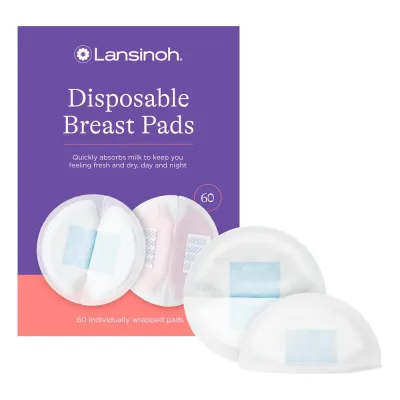
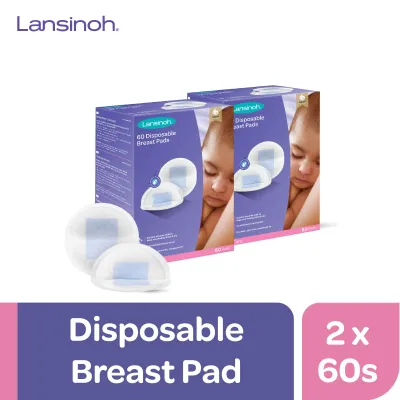
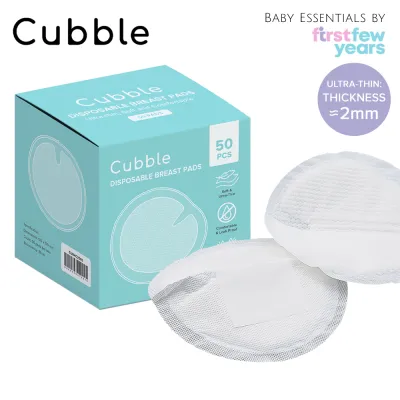
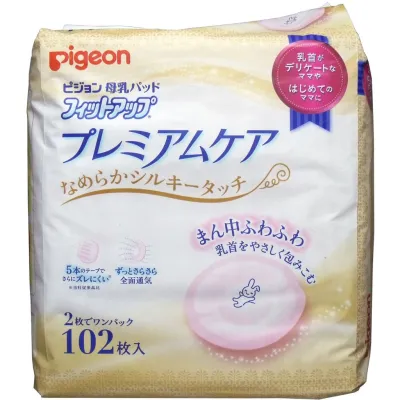
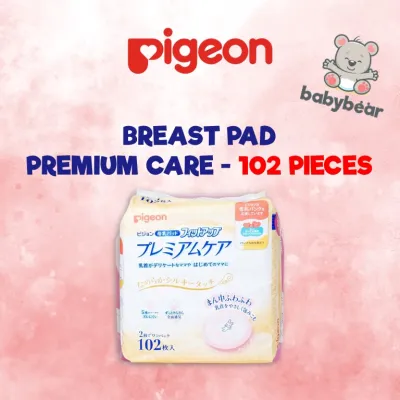
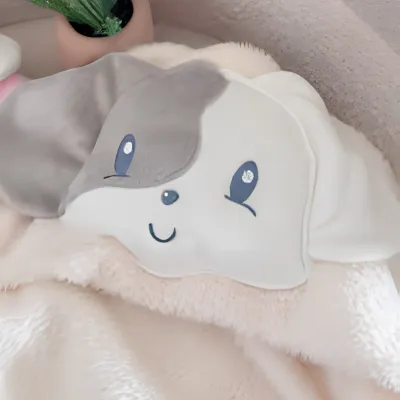
Prices are valid at publication and may change. Please refer to the product page for the latest price.
Assessing Your Breastfeeding Routine and Leaking Patterns
Before purchasing a large supply of nursing pads, take a close look at your physical needs and daily lifestyle. Milk leakage is highly individual and changes dramatically over time. During the early postpartum weeks, your body is still regulating its milk supply, which often results in sudden, heavy letdowns and constant leaking from both breasts. As your supply stabilizes around the six-to-eight-week mark, you may experience much lighter, more predictable leaking, or even stop leaking entirely during the day.

Your daily routine also dictates which pad is most practical. If you are returning to an office environment in Singapore, you may prefer a highly discreet, ultra-thin pad that does not show through professional attire. Access to laundry facilities is another major factor. If you already feel overwhelmed by baby laundry, adding delicate nursing pads that require specific washing routines might feel like an unnecessary chore. Conversely, if you run regular daily laundry cycles, throwing reusable pads into a mesh wash bag is highly manageable.
Finally, consider your skin sensitivity. Singapore’s hot and humid tropical climate makes moisture management critical. Prolonged contact with damp fabric can lead to skin irritation, friction soreness, or even fungal infections like nipple thrush. If you have sensitive skin or are prone to eczema, the material composition of your nursing pads will be just as important as their overall absorbency.
Disposable Nursing Pads: Convenience and Hygiene
Disposable nursing pads are designed for single-use convenience, acting as a reliable shield against unexpected leaks. They are constructed with a plastic-based waterproof outer layer, a super-absorbent polymer core that turns liquid into a gel, and a soft inner lining that sits against your skin.
Key Benefits and Best Use Cases
The primary advantage of disposable nursing pads is their effortless convenience. When a pad becomes wet, you simply peel it off, discard it, and replace it with a fresh one, requiring absolutely no washing or drying time. This makes them indispensable during the hectic early weeks of motherhood, when sleep is scarce and laundry piles accumulate rapidly.
Their high absorbency is another standout feature. The super-absorbent polymer core can lock away a significant volume of milk, keeping your skin dry even during heavy letdowns. This high capacity makes them the preferred choice for long outings, public transit commutes, and returning to the workplace where frequent changes might be difficult.
Most disposable pads are individually wrapped, ensuring they remain sterile and hygienic until the moment you open them. This packaging makes it easy to slip a few spare pads into your diaper bag, purse, or office drawer without worrying about dirt or lint. Additionally, they usually feature adhesive strips on the back to secure them firmly to your nursing bra, preventing shifting during movement.
Potential Drawbacks and Limitations
Despite their convenience, disposable nursing pads have notable downsides. The ongoing financial cost is a primary concern. Because you must discard them after every use, you will need to repurchase boxes continuously throughout your breastfeeding journey, which can add up to a significant expense over several months or years.
The environmental impact is another major drawback. Disposable pads contribute directly to landfill waste, as their plastic backings and polymer cores are not biodegradable. For eco-conscious parents, the daily disposal of multiple plastic-lined pads can feel at odds with a sustainable lifestyle.
Additionally, the synthetic materials and chemical absorbents used in some disposable brands can cause skin irritation. The adhesive strips can sometimes curl and scratch sensitive breast tissue, while the plastic backing can trap heat and moisture. In Singapore’s humid climate, this lack of breathability can exacerbate nipple soreness or increase the risk of thrush if pads are not changed immediately.
Reusable Nursing Pads: Sustainability and Comfort
Reusable nursing pads are washable, fabric-based discs designed to be laundered and worn repeatedly. They are typically constructed from multiple layers of natural fibers, sometimes finished with a water-resistant outer fabric to prevent wetness from seeping through to your clothing.
Key Benefits and Best Use Cases
The most compelling benefit of reusable nursing pads is their exceptional comfort. Made from natural, breathable fibers such as organic cotton, bamboo viscose, or hemp, they feel incredibly soft against tender, cracked, or sensitive nipples. Unlike synthetic disposables, these natural fabrics allow air to circulate freely, which promotes healing and keeps skin cool in warm, humid weather.
From an environmental perspective, reusable pads are a highly sustainable choice. By investing in a set of washable pads, you prevent hundreds of single-use items from entering landfills. This makes them a cornerstone accessory for parents striving to minimize their household waste.
Reusables also offer excellent long-term cost-effectiveness. After the initial purchase, they cost virtually nothing to maintain, as they can be washed alongside your regular baby laundry. They are particularly well-suited for home use, overnight wear, and the later stages of breastfeeding when leaking becomes moderate or light and predictable.
Potential Drawbacks and Limitations
However, reusable nursing pads require a commitment to regular maintenance. To prevent the growth of bacteria and mold, they must be washed frequently and dried thoroughly. In Singapore’s high humidity, line-drying thick fabric pads can take a considerable amount of time, sometimes requiring a dryer or a well-ventilated indoor space to ensure they are completely dry before reuse.
They also tend to be bulkier than their disposable counterparts. Because they rely on layers of fabric rather than chemical gels for absorbency, they can create a visible outline under thin or unpadded bras. This can make them less discreet under form-fitting clothing.
Furthermore, carrying soiled reusable pads when you are out of the house requires some preparation. You must carry a waterproof wet bag to store the damp pads until you return home, which can be inconvenient compared to simply throwing a disposable pad into a bin. Their absorbency limit is also generally lower, meaning heavy leakers may need to change them more frequently to avoid wet spots on their clothes.
Head-to-Head Comparison: Key Decision Factors
To help you decide which nursing pad type aligns with your lifestyle, it is helpful to compare their performance across several critical dimensions.
| Comparison Dimension | Disposable Nursing Pads | Reusable Nursing Pads |
|---|---|---|
| Absorbency Capacity | High to very high; polymer core locks moisture away as a gel. | Moderate; relies on fabric layers which can saturate faster. |
| Convenience & Maintenance | Extremely convenient; single-use, zero washing required. | High maintenance; requires regular washing and thorough drying. |
| Long-Term Cost | High; continuous recurring purchases required. | Low; high upfront cost but negligible ongoing expenses. |
| Environmental Impact | High; generates substantial non-biodegradable landfill waste. | Low; reusable for months or years, minimizing waste. |
| Comfort & Breathability | Moderate; synthetic materials can trap heat and moisture. | High; natural fibers are soft, breathable, and gentle on skin. |
| Discreetness | High; thin, contoured profiles with adhesive bra strips. | Moderate; can be bulkier and may shift without adhesives. |
When selecting a nursing pad, always verify the specific product specifications on the packaging or manufacturer listings. Look for details such as the number of absorbent layers in reusable options and the presence of a waterproof polyurethane laminate (PUL) backing, which is crucial for preventing leaks. For disposable pads, check if they are dermatologically tested or chlorine-free to reduce the risk of skin reactions. Because performance varies significantly by brand, read user reviews to gauge real-world absorbency and check the manufacturer’s guidelines for recommended usage limits.
Evaluating the Cost: Short-Term vs Long-Term Budget
When planning your breastfeeding budget, it is important to analyze both the immediate upfront costs and the long-term cumulative expenses of your nursing pads. Prices for both types fluctuate across online marketplaces, local pharmacies, and maternity specialty stores in Singapore, so calculating your projected usage can save you a significant amount of money.
To estimate the cost of disposable nursing pads, use this simple framework:
- Determine the average price per pad (typically ranging from S$0.15 to S$0.40 depending on the brand and pack size).
- Estimate your daily usage. In the early weeks, you may go through 6 to 8 pads per day (3 to 4 changes).
- Multiply your daily cost by the number of days you expect to experience leaking (e.g., 120 days or 4 months).
For example, using 6 pads a day at S$0.25 per pad equals S$1.50 daily. Over four months, this totals approximately S$180. If you breastfeed for a year or more, your total expenditure can easily exceed S$400. To mitigate these costs, look for bulk-buy options or carton discounts on local ecommerce platforms.
To calculate the cost of reusable nursing pads, consider the following factors:
- The initial investment for an adequate rotation. You will generally need 6 to 10 pairs (12 to 20 individual pads) to ensure you always have clean, dry ones available while others are in the wash. A high-quality multi-pack of reusable pads typically costs between S$20 and S$50 upfront.
- The minor, incremental costs of water, electricity, and gentle, baby-safe detergent used during laundering.
Because reusable pads can last for your entire breastfeeding journey—and can even be saved for future children—the long-term financial savings are substantial. To maximize value, look for multi-pack discounts and bundles that include a free mesh laundry bag and wet bag.
Final Verdict: Which Nursing Pad Should You Choose?
Your final choice does not have to be strictly one or the other. Many mothers find that tailoring their nursing pad selection to their immediate environment yields the best results.
Choose Disposable if:
- You are in the early postpartum weeks and dealing with heavy, unpredictable milk letdowns.
- You are returning to an office environment or traveling, where changing and storing wet fabric pads is impractical.
- You have limited time or energy to manage extra laundry loads.
- You prefer ultra-thin, highly contoured pads that remain completely invisible under professional or form-fitting clothing.
Choose Reusable if:
- Your milk supply has stabilized, and you experience light to moderate leaking.
- You spend a significant amount of time at home where laundry is easily accessible.
- You have highly sensitive skin, cracked nipples, or are prone to contact dermatitis from synthetic materials.
- You prioritize eco-friendly baby products and wish to minimize your household's environmental footprint.
- You want to minimize your long-term parenting expenses.
Consider a Hybrid Approach if: You want to balance convenience, comfort, and cost. Many mothers wear soft, breathable reusable pads while relaxing at home or sleeping, and switch to highly absorbent, discreet disposable pads when heading out for social events, running errands, or going to work. This hybrid method reduces daily waste and protects sensitive skin while still providing reliable, worry-free leak protection when you need it most.
Regardless of which type you choose, prioritize your health and safety. Always check the manufacturer’s care and washing instructions for reusable pads to ensure they are cleaned at the correct temperature to kill bacteria. If you experience persistent nipple pain, localized redness, itching, or symptoms of thrush, stop using the pads immediately and consult a lactation consultant or healthcare professional.
Frequently Asked Questions (FAQ)
How often should I change my nursing pad?
You should change your nursing pad as soon as it begins to feel damp, or immediately after every breastfeeding or pumping session. Leaving a wet pad against your skin for prolonged periods creates a warm, moist environment that encourages the growth of bacteria and fungi, significantly increasing your risk of developing nipple thrush or painful skin infections. Regular changes are essential to keeping your skin dry, healthy, and comfortable.
Can I use nursing pads while sleeping?
Yes, nursing pads can be safely worn while sleeping to manage nighttime leakage, which is especially common when your baby starts sleeping for longer stretches. For overnight wear, consider using highly absorbent disposable pads designed for heavy flow, or thicker, contoured reusable pads specifically engineered for nighttime use. Ensure your nursing bra or sleep crop fits comfortably and is not too tight, as excessive pressure during sleep can restrict milk flow.
Do nursing pads affect milk supply?
No, nursing pads do not have any direct impact on your milk supply. Your breast milk production is regulated by hormonal signals and the frequent removal of milk through nursing or pumping. However, if you wear a bra that is too tight or if your nursing pads are compressed tightly against your breasts, this localized pressure can compress your milk ducts, potentially leading to painful clogged ducts or mastitis. Always ensure your bra and pads fit comfortably without binding.
Community discussion
Share your experience or ask a question. Comments are reviewed before publication.