
Setting up a nursery changing table requires balancing comfort, hygiene, and daily convenience. The choice between disposable and reusable changing mats often comes down to how you want to manage diaper blowouts, laundry cycles, and your household budget. While disposable changing mats offer unmatched convenience for quick cleanups and travel, reusable changing mats provide a durable, cost-effective, and cushioned surface for daily home use.
Deciding which option is better for your changing table depends on your lifestyle, laundry tolerance, and how you plan to manage diapering routines. Many parents find that a combination of both types offers the most practical solution. By understanding the material differences, cleanup demands, and long-term costs of each option, you can create a safe and efficient changing station that fits your family’s daily needs.
Key Differences Between Disposable and Reusable Changing Mats
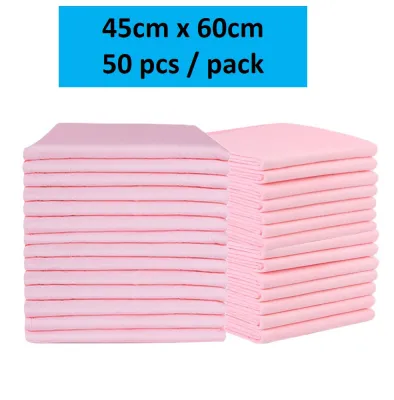
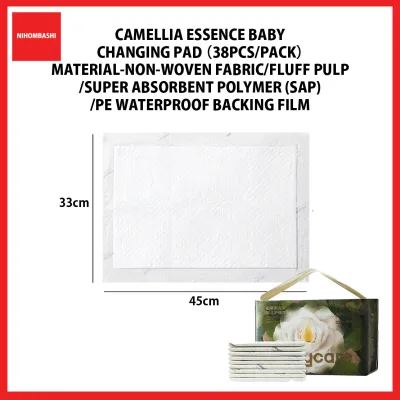
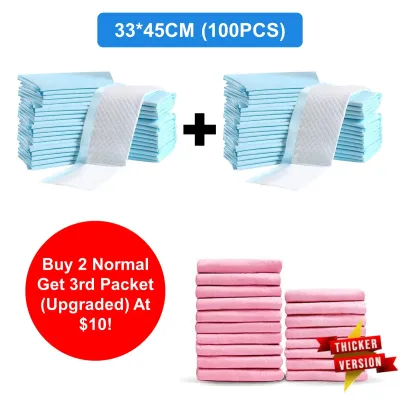
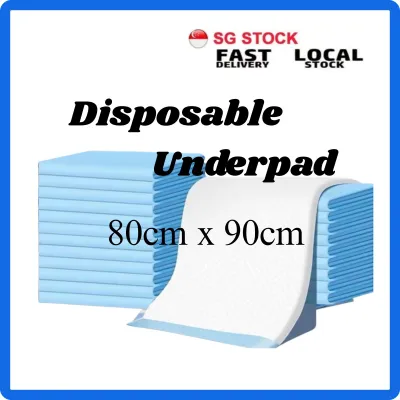
To choose the right option for your nursery, it helps to understand the structural and material differences between these two types of mats. Disposable changing mats are designed for single-use convenience. They typically feature a multi-layer construction consisting of a soft, non-woven top sheet, an absorbent paper or pulp core, and a thin plastic or waterproof backing to prevent liquid from leaking onto the changing table. Because they are lightweight and thin, they are highly portable but offer minimal cushioning on their own.
Products mentioned in this guide
![[SG Seller]Disposable Sheet/baby changing pad/Underpads/maternity pad/diaper changing pad/Pet pad/diaper changing pad](https://img.lazcdn.com/g/p/98b6308018da96ec0e340934b88f4b41.png_400x400q80.png_.webp)
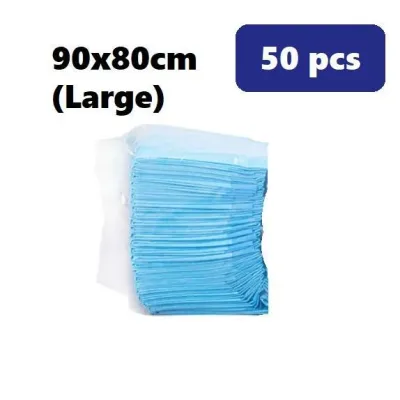
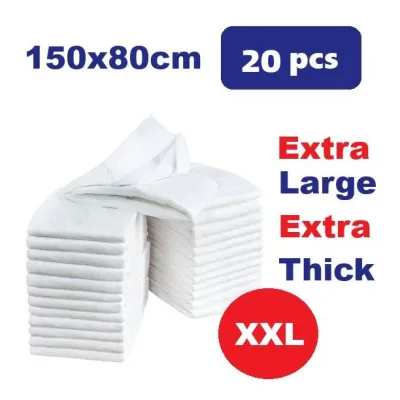
Prices are valid at publication and may change. Please refer to the product page for the latest price.
In contrast, reusable changing mats are built for long-term durability and repeated washing. These mats often feature a plush top layer made from materials like cotton flannel, bamboo terry, or microfiber, which feel soft against a baby’s skin. Beneath the soft surface, they incorporate a waterproof barrier, such as polyurethane laminate (PUL) or thermoplastic polyurethane (TPU), to block moisture. Reusable mats are generally thicker and heavier than disposables, allowing them to lie flat and stay in place more securely on a wooden or padded changing table.
The operational distinction between the two designs shapes your daily routine. A disposable mat is used once and thrown away, eliminating the need for washing but requiring a continuous supply of new mats. A reusable mat is designed to be washed and reused dozens or hundreds of times, making it a permanent fixture on your changing table. When choosing between them, consider how each type physically interacts with your changing table surface and whether you prefer a quick discard or a regular laundry routine.
Comparing Hygiene and Cleanup Convenience
Managing diaper messes and unexpected blowouts is a central part of daily baby care, making cleanup convenience a top priority for caregivers. Disposable changing mats excel at containing sudden liquid messes. The absorbent core quickly draws moisture away from the surface, while the waterproof backing ensures that nothing seeps through to the changing table pad. Once the diaper change is complete, you simply roll up the soiled mat and discard it in the trash, immediately removing odors and waste from the nursery.

Reusable changing mats require a more involved cleanup process when messes occur. If a blowout or liquid spill lands on a reusable mat, you must remove the mat, wipe away solid waste, and place it in a diaper pail or laundry basket. Depending on your laundry schedule, you may need to pre-treat stains or run a dedicated hot water cycle to ensure proper sanitation. Drying times can also vary, especially in humid climates where thick, waterproof fabrics take longer to air-dry, requiring you to keep several spare mats on hand.
Odor control and bacterial growth prevention also differ between the two options. Disposable mats prevent lingering odors in the nursery because they are discarded immediately after use. Reusable mats, if left in a laundry hamper for several days before washing, can develop odors or harbor bacteria. To maintain high hygiene standards with reusable mats, caregivers must establish a frequent washing routine, use baby-safe sanitising detergents, and ensure the mats are completely dry before placing them back on the changing table.
For households managing frequent diaper changes, newborn spit-up, or severe diaper rash, the immediate disposal of single-use mats can significantly reduce daily stress and cleanup time. However, if you prefer to avoid daily trash accumulation and do not mind adding small items to your regular laundry loads, reusable mats can easily integrate into a well-managed household routine.
Evaluating Long-Term Cost and Environmental Impact
The financial commitment of diapering extends over several years, making it important to evaluate the long-term cost differences between disposable and reusable options. Disposable changing mats require a recurring financial investment. While a single pack of disposable mats may seem inexpensive, the cumulative cost of purchasing these packs month after month can add up to a significant amount over your child’s diapering years. You must also factor in the time and effort spent monitoring stock and purchasing replacements from online marketplaces or local stores.
Reusable changing mats require a higher upfront cost, as high-quality waterproof mats are more expensive individually than a pack of disposables. However, because a small set of three to five reusable mats can last through infancy and toddlerhood, the long-term financial savings are substantial. To find the true break-even point for your household, you should contrast the recurring cost of disposable packs in S$ against the initial purchase price of reusables, plus the minor ongoing costs of water, electricity, and detergent used during laundering.
The environmental impact of your choice is another critical consideration for many modern families. Disposable changing mats contribute directly to landfill waste, as their plastic backings and synthetic absorbent cores do not biodegrade easily. For families aiming to minimize their ecological footprint, relying solely on single-use products can feel counterproductive. Reusable mats significantly reduce physical waste, though they do consume water and energy during the washing and drying cycles.
When shopping for either option, it is helpful to check product labels and packaging for environmental and safety claims. Look for certifications regarding sustainable manufacturing, organic textile standards, or biodegradable materials if you choose disposables. Verifying these details on the manufacturer’s packaging allows you to make an informed decision that aligns with both your household budget and your environmental values.
Comfort, Safety, and Nursery Integration
A baby’s comfort and safety during diaper changes are paramount, and the physical properties of your changing mat play a major role in both. Reusable changing mats generally offer superior comfort due to their thicker padding and softer surface textures. The plush fabric layers provide a gentle, warm surface for a baby’s sensitive skin, which can be particularly comforting during late-night changes when plastic surfaces might feel cold or stiff.
Disposable mats, being thin and lightweight, offer very little padding. If your changing table has a hard wooden surface, a disposable mat alone may not provide enough cushioning for your baby’s head and back. Additionally, the lightweight plastic backing of disposable mats can make them prone to sliding or shifting when a baby wiggles. To ensure safety, caregivers must verify that any mat used on a changing table remains stable and does not create a slipping hazard.
Portability is another factor where the two types diverge. Disposable mats are highly compact and fold flat, making them ideal for diaper bags, travel, and quick changes in public restrooms or in the car. Reusable mats can also be portable, but they take up more space in a diaper bag and require you to carry a soiled mat back home in a wet bag after use. For nursery integration, a reusable mat often stays permanently on the changing table, while disposables are kept nearby in a drawer for quick access.
Regardless of which mat type you choose, always prioritize safety by checking the manufacturer’s guidelines. Verify any weight limits, age recommendations, and safety warnings provided on the product packaging. Never leave a baby unattended on a changing table, and ensure that the mat fits securely within the safety barriers of your changing station to prevent accidental falls.
Decision Framework: Which Mat Should You Stock?
Choosing the right changing mat setup depends on aligning your daily priorities with the unique benefits of each option. To make the best decision for your home, consider your lifestyle, budget, and laundry preferences.
You should prioritize stocking disposable changing mats if:
- You want to minimize daily laundry and avoid handling heavily soiled fabrics.
- Your baby has severe diaper rash or a skin condition that requires a fresh, sterile surface for every change.
- You travel frequently, spend a lot of time outdoors, or need a highly portable solution for your diaper bag.
- You want a quick, hassle-free cleanup option for nighttime changes when sleep is your top priority.
You should prioritize stocking reusable changing mats if:
- You want to minimize long-term household expenses and avoid recurring purchases.
- You are committed to reducing plastic waste and minimizing your family's environmental footprint.
- You prefer a thicker, more cushioned, and plush surface that keeps your baby comfortable on a hard changing table.
- You already run frequent laundry loads and can easily add small waterproof items to your washing routine.
For many families, a hybrid approach offers the perfect balance of convenience and sustainability. You can use reusable mats as your primary surface on the nursery changing table to keep daily costs and waste low, while keeping a pack of disposable changing mats on hand for travel, emergency blowouts, or babysitter visits. Before making your final purchase, create a checklist to verify the dimensions of your changing table, check the washing instructions for reusable options, and ensure the materials meet your standards for baby safety.
Frequently Asked Questions (FAQ)
Can I use a disposable changing mat on top of a reusable one?
Yes, layering a disposable changing mat on top of a reusable one is a common practice among parents looking for extra protection during messy changes. This setup allows you to enjoy the plush cushioning of the reusable mat while using the disposable layer to catch sudden leaks or blowouts, protecting the fabric underneath from stains. However, you must ensure that the disposable mat does not slide or shift, as some plastic backings can be slippery against fabric. Always supervise your baby closely and check the manufacturer’s guidelines to ensure that layering does not compromise the stability of your changing table setup.
How often should I replace a reusable changing mat?
A reusable changing mat should be replaced as soon as it shows signs of physical wear and tear that compromise its hygiene or safety. Look for visual and tactile indicators such as cracking or peeling in the waterproof backing, thinning of the inner padding, or frayed seams that could trap bacteria. Lingering odors that persist even after a thorough washing are also a sign that the fabric fibers have degraded. Frequent washing and high-temperature drying can accelerate this wear, so inspect your mats regularly and retire them when they can no longer be thoroughly sanitized or when the waterproof barrier begins to leak.

Community discussion
Share your experience or ask a question. Comments are reviewed before publication.