
For pumping mothers, choosing between disposable and reusable breastfeeding pads is not about finding a universally superior product, but rather matching the pad’s design to your specific pumping schedule, milk volume, daily routine, and personal comfort. Pumping introduces unique physical demands compared to direct latching, often involving scheduled let-downs, structured sessions at work or home, and varying volumes of milk expression. While disposable pads offer unmatched convenience and rapid absorption for high-volume management, reusable cloth pads provide long-term financial savings and a softer feel for sensitive skin. Deciding which option works best requires evaluating how often you pump, where you pump, and how much time you can realistically dedicate to maintenance.
Key Differences Between Disposable and Reusable Pads
Understanding the structural and material differences between disposable and reusable pads is the first step in making an informed choice. Disposable pads are typically constructed with a synthetic outer layer, a superabsorbent polymer core, and a waterproof plastic backing. The superabsorbent core works by turning liquid into a gel, which locks moisture away from the skin and prevents leaks even under pressure. These pads are designed for single use, featuring adhesive strips on the back to secure them inside your bra. Because they are manufactured to be ultra-thin, they often remain highly discreet under various types of clothing, including thin workwear or athletic gear.
Reusable pads, on the other hand, rely on natural fibers or fabric blends to absorb moisture. Common materials include bamboo, organic cotton, hemp, and microfiber. Instead of chemically locking moisture into a gel, reusable pads absorb liquid directly into the fabric layers. To prevent leaks, they feature a breathable outer layer made of polyurethane laminate or a similar water-resistant fabric. While some reusable pads are contoured to fit the breast, they are generally thicker than disposables and do not have adhesive backings, meaning they rely on the snug fit of a nursing or pumping bra to stay in place.
Products mentioned in this guide
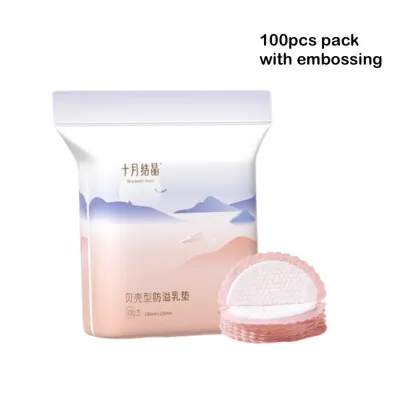
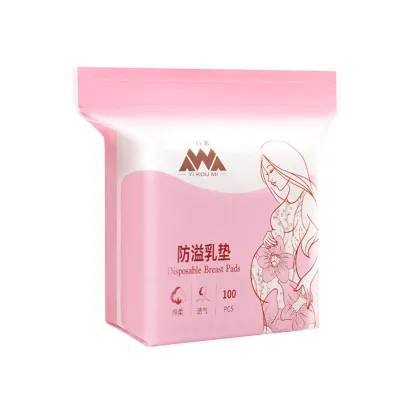
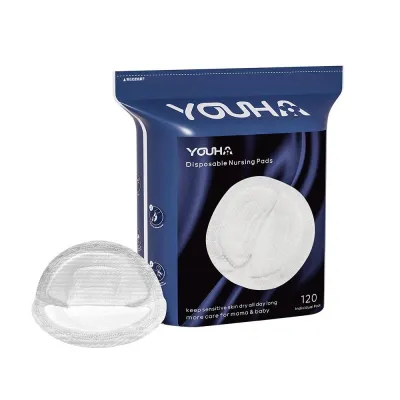
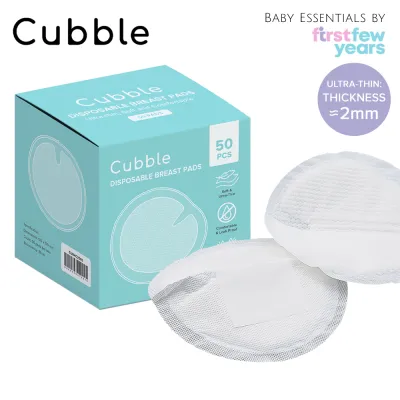
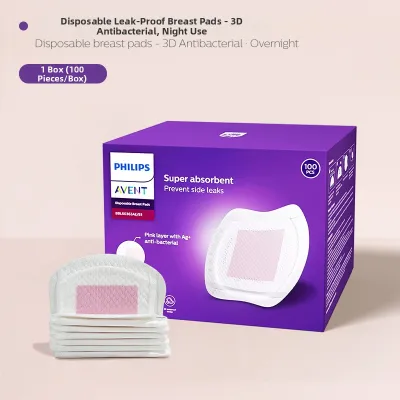
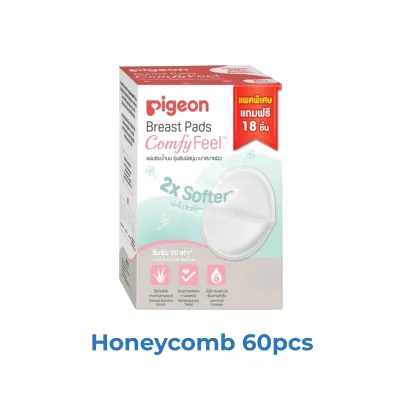
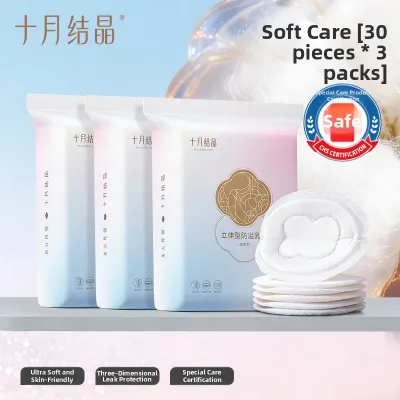
Prices are valid at publication and may change. Please refer to the product page for the latest price.
From an environmental perspective, reusable pads significantly reduce single-use household waste, as a single set can last for months or even multiple nursing journeys. However, they do require water, detergent, and energy for regular washing. Disposables offer the convenience of immediate disposal but contribute to ongoing landfill waste, making the choice a balance between daily convenience and environmental footprint.
How to Choose Based on Your Pumping Routine
Your daily pumping habits and milk production patterns play a major role in determining which pad type will serve you best. A mother who pumps exclusively will have very different needs from someone who pumps occasionally to build a small freezer stash.

For Exclusive Pumping or High-Volume Sessions
Exclusive pumping often involves high volumes of milk and frequent, intense let-downs. For mothers managing a heavy supply, disposable pads are highly efficient. The superabsorbent polymer core can handle sudden, large volumes of milk without feeling heavy or wet against the skin. This rapid absorption is particularly beneficial during long pumping sessions or overnight, when you cannot change the pad immediately.
The convenience of disposables is also a significant factor during busy pumping schedules. When you are pumping every few hours, washing parts, and managing bottles, having a pad you can simply discard saves valuable time. Furthermore, prolonged wear of saturated pads can lead to skin irritation. Because disposables lock moisture away, they help maintain skin dryness even during extended wear. If you choose to use reusables with a high-volume supply, you must be prepared to change them frequently to prevent the damp fabric from sitting against your skin.
For Occasional Pumping or Mixed Feeding
If you pump occasionally or practice mixed feeding, your leaking may be lighter and less predictable. In this scenario, reusable pads are highly cost-effective. Since you do not need to change them as frequently throughout the day, a small collection of washable pads can last a long time without the need for constant repurchasing.
Having reusable pads on hand also eliminates the stress of running out of supplies. For mothers pumping on the go or returning to the office, portability and storage are key considerations. While disposables are easy to throw away, carrying a few clean reusable pads and a small, waterproof wet bag to store used ones is highly manageable when your leaking is minimal. Reusable pads also tend to feel softer and more comfortable against skin that is not subjected to the constant friction of frequent, high-volume pumping sessions.
Practical Factors to Consider Before Buying
Before committing to one type of breastfeeding pad, it is essential to weigh the long-term financial costs, daily maintenance effort, and your overall lifestyle.
To calculate the financial break-even point, you can use a simple formula:
Break-Even Days = Upfront Cost of Reusables / Daily Cost of Disposables
The upfront cost is the initial price of purchasing a set of reusable pads, while the daily cost is your average spending on disposable pads (calculated by multiplying the number of pads used per day by the price per individual pad). For example, if a set of reusable pads costs S$30 and your daily disposable pad usage costs S$1.50, you will break even in approximately 20 days of use. Beyond this point, reusable pads represent pure savings.
Washing and drying requirements are another critical factor. Reusable pads must be washed regularly to maintain hygiene. In Singapore’s humid climate, air-drying thick natural fibers like bamboo or cotton can take a significant amount of time. If you do not have a clothes dryer, you may need to purchase a larger rotation of pads to ensure you always have dry ones available. Always check the manufacturer’s care labels to verify if the pads are machine washable and whether they can tolerate tumble drying.
For travel and commuting, logistics differ. Disposables are lightweight and can be discarded in any restroom, making them highly convenient for travel or long days away from home. Reusables require you to carry a waterproof wet bag to store damp, soiled pads until you return home, which adds a small step to your packing routine.
When purchasing, look for reputable sources such as official brand stores, pharmacies, or established online marketplaces. Always verify product listings for material safety certifications, dimensions, and customer reviews regarding adhesive strength (for disposables) or slip resistance (for reusables).
Hygiene and Skin Care: When to Change or Stop
Maintaining proper hygiene is crucial for preventing skin irritation and infections, regardless of the pad type you choose.
Perform regular visual and tactile checks on your pads. If a pad feels heavy, cold, or damp against your skin, it has reached its saturation limit and should be replaced immediately. Leaving a wet pad in contact with your skin can lead to skin maceration, a condition where the skin softens and breaks down due to prolonged exposure to moisture, making it highly susceptible to infection.
Watch for observable signs of skin irritation, such as redness, soreness, itching, or cracked skin on the nipple or areola. These symptoms can be caused by friction from a rough pad surface, an allergic reaction to synthetic materials or laundry detergents, or trapped moisture. To minimize risks with reusable pads, wash them with a mild, fragrance-free detergent and ensure they are completely dry before storing them in a clean, dry place. Storing damp pads can lead to mold or microbial growth.
If you experience persistent skin irritation, or if you develop symptoms of a yeast infection (such as a burning sensation, shooting pain during or after pumping, or shiny, flaky skin on the nipples), stop using the pads immediately. Consult a lactation consultant or a healthcare professional to address the issue and receive appropriate guidance.
Frequently Asked Questions (FAQ)
Can I use breastfeeding pads while sleeping?
Yes, breastfeeding pads can be worn while sleeping, but overnight use requires careful selection. Because you will wear the pads for an extended, unmonitored period, it is important to choose options with high absorbency and reliable leak-proof backings to prevent overnight leaks. Always check the manufacturer’s guidelines to ensure the pads are rated for overnight wear, and change them immediately before going to bed and right after waking up to maintain skin dryness.
How many reusable breastfeeding pads do I need to start?
A practical starting point is 6 to 8 pairs (12 to 16 individual pads). This quantity allows for regular changes throughout the day while factoring in washing machine capacity and drying times. In humid environments like Singapore, where air-drying thick fabric layers can take 24 hours or more, having a larger rotation ensures you do not run out of dry pads. It is best to start with a smaller batch to test the fit, comfort, and absorbency before investing in a larger set.
Community discussion
Share your experience or ask a question. Comments are reviewed before publication.