
Leaking breast milk is an entirely natural, common part of the postpartum journey. As your body adjusts to lactation, the hormone oxytocin triggers the let-down reflex, often causing milk to release from both breasts simultaneously—even when your baby is only nursing on one side. To manage this moisture, protect your clothing, and maintain healthy skin, a reliable breastpad is an essential daily accessory for nursing mothers.
Choosing between disposable and reusable breast pads comes down to balancing convenience, skin sensitivity, daily routines, and your budget. Disposable options offer unmatched convenience and high-level hygiene, making them ideal for the chaotic early weeks postpartum or when traveling. Reusable breast pads, made from washable natural fibers, provide superior breathability, long-term financial savings, and a significantly smaller environmental footprint. Many mothers find that a hybrid approach—using washable pads at home and keeping a stash of disposables in their diaper bag—offers the ideal balance of comfort and convenience.
Quick Answer: Which Breast Pad Type Is Right for You?
The optimal breastpad choice depends heavily on your current postpartum stage, your daily schedule, and how your body regulates milk production. In the first few weeks after birth, your milk supply is still establishing itself, which often results in sudden, heavy let-downs. During this transitional phase, the high absorbency and convenience of disposable pads can make managing daily life much simpler.
Products mentioned in this guide
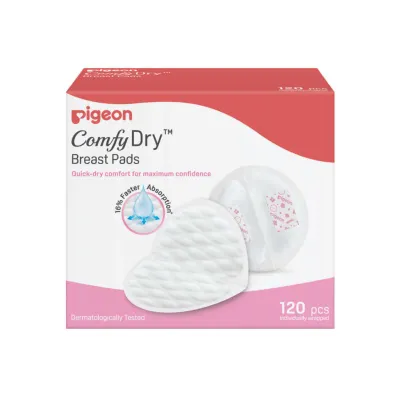
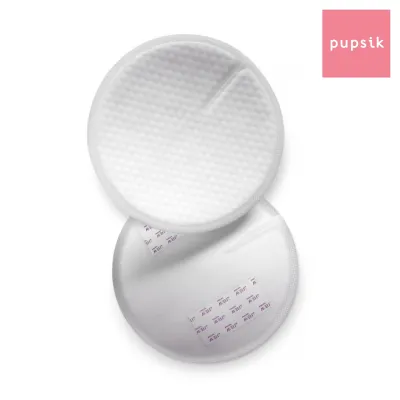
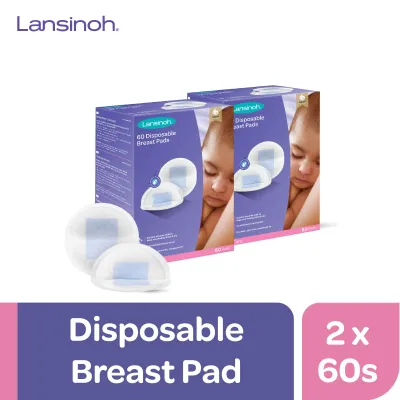
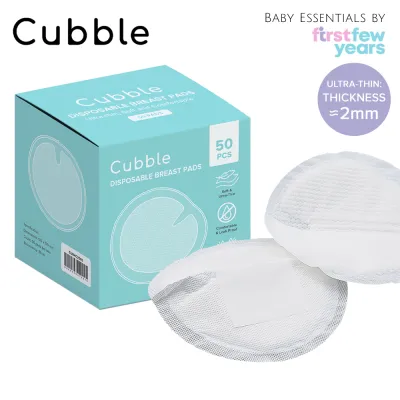
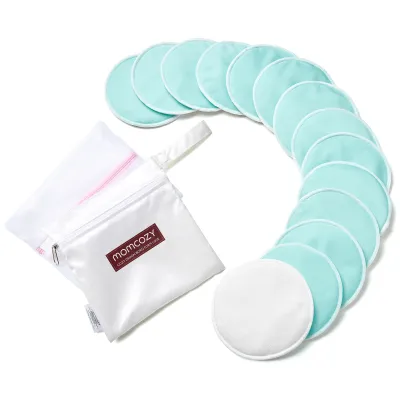
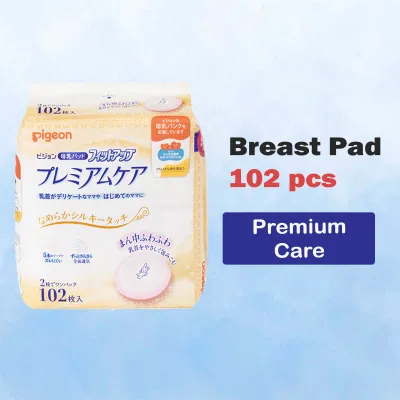
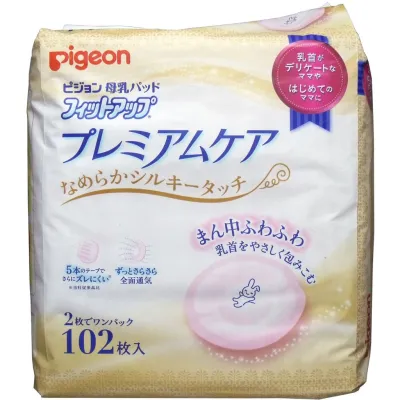
Prices are valid at publication and may change. Please refer to the product page for the latest price.
As your supply stabilizes and leaking becomes more predictable, switching to reusable breast pads often becomes the more comfortable and economical choice. Washable pads excel at managing light to moderate daily leaking while keeping sensitive skin dry and comfortable. They are also highly recommended for mothers who plan to breastfeed for six months or longer, as the cumulative savings over time are substantial.
For many parents, the most practical solution is not choosing one exclusively, but rather adopting a hybrid system. You can wear breathable reusable pads while resting at home, where laundry facilities are close at hand, and switch to highly absorbent disposable pads when returning to work, running errands, or traveling. This hybrid method ensures you always have the right level of protection without generating unnecessary waste.
Disposable Breast Pads: Maximum Convenience and Hygiene
Disposable breast pads are designed for single-use convenience, making them a popular choice for busy mothers who want to minimize their daily laundry load. The primary advantage of disposables is their simplicity: once a pad becomes damp, you simply discard it and replace it with a fresh one. This ease of use is particularly valuable during the exhausting early weeks of parenting when finding the time to wash and dry reusable items can feel overwhelming.

From a medical hygiene perspective, disposable pads offer excellent protection against common postpartum skin issues. Warm, damp environments are highly conducive to the growth of bacteria and fungi, such as Candida albicans, the organism responsible for thrush. Because disposable pads are individually packaged and sterile until opened, they provide a clean, dry barrier that helps prevent the spread of infections between feedings. If you are actively treating a case of thrush or cracked nipples, using disposable pads and changing them frequently is often recommended by lactation consultants to maintain strict hygiene.
The superior absorbency of disposable pads is due to their internal construction. Most high-quality disposables utilize super-absorbent polymers (SAP) similar to those found in baby diapers. These polymers quickly draw liquid away from the surface and lock it into a gel core, keeping the layer against your skin remarkably dry even during heavy let-downs. This rapid-wicking capability is crucial for preventing skin maceration, a condition where the skin softens and breaks down due to prolonged exposure to moisture.
However, disposable pads do come with notable drawbacks. Over a breastfeeding journey that spans several months or years, the recurring financial cost of purchasing box after box can add up to a significant household expense. Additionally, the environmental impact of sending hundreds of non-biodegradable synthetic pads to landfills is a major concern for eco-conscious parents. Some disposables can also feel slightly stiff, rustle under thin clothing, or feature adhesive backings that can lose their grip and shift out of place inside your nursing bra.
Reusable Breast Pads: Long-Term Savings and Eco-Friendly Comfort
Reusable breast pads, also known as washable breast pads, are designed to be laundered and worn repeatedly. The most compelling benefit of choosing reusables is the substantial long-term cost savings. While the initial upfront cost to purchase a complete set is higher than a single box of disposables, you will not need to buy replacements for many months, if at all, making them an exceptionally budget-friendly choice over the course of your breastfeeding journey.
For mothers with sensitive skin or those prone to eczema and contact dermatitis, reusable pads are often the far more comfortable option. They are typically constructed from soft, natural fibers such as organic cotton, bamboo viscose, or hemp. These materials are incredibly gentle against tender or sore nipples, offering a plush, cushiony feel that synthetic disposables struggle to replicate. Bamboo, in particular, is highly praised for its silk-like texture and its natural hypoallergenic properties, which reduce friction and irritation on delicate skin.
In a warm and humid environment like Singapore, breathability is a critical factor for skin health. Synthetic materials used in disposable pads can trap body heat and sweat, leading to discomfort, heat rashes, and clogged milk ducts. Natural fiber reusable pads allow air to circulate much more freely, keeping the breast area cool and dry. Furthermore, because fabric naturally molds to the shape of your body over time, contoured reusable pads tend to sit more discreetly beneath your clothing, avoiding the bunching or visible outlines that can sometimes occur with stiffer disposable options.
The primary disadvantage of reusable pads is the ongoing maintenance they require. To keep them hygienic and functional, you must commit to a regular laundry routine, ensuring they are washed thoroughly and dried completely before reuse. Building a sufficient rotation usually requires purchasing between six and ten pairs, ensuring you always have clean pads available while others are in the wash. Additionally, because they rely on physical fabric layers rather than chemical gelling agents to absorb milk, they can feel heavier when wet and may saturate more quickly during sudden, high-volume leaks.
Head-to-Head Comparison: Cost, Absorbency, and Daily Comfort
To make an informed decision, it is helpful to compare how disposable and reusable breast pads perform across the key practical categories that impact your daily life as a nursing mother.
Cost Analysis
When evaluating the financial impact, look at the cumulative cost over a typical six-month breastfeeding period. A standard box of 60 disposable breast pads generally costs between S$10 and S$20. If you experience moderate leaking and change your pads four times a day, you will go through approximately 120 pads per month, requiring two boxes. Over six months, this translates to an expenditure of S$120 to S$240.
In contrast, a high-quality set of 8 to 10 pairs of reusable bamboo or cotton breast pads typically costs between S$25 and S$50 upfront. Because these pads can be washed and reused hundreds of times, your recurring cost is virtually zero, aside from the negligible cost of water and detergent. If you plan to breastfeed for a year or carry your investment over to subsequent children, the financial savings of reusables become even more pronounced.
Absorbency and Leak Protection
Disposable pads excel at handling sudden, heavy volumes of milk. The super-absorbent polymer core reacts instantly to liquid, turning it into a stable gel that prevents wetness from transferring back onto your skin or seeping through to your clothing. This makes them highly reliable for overnight wear or during the early postpartum weeks when leaking is less predictable.
Reusable pads rely on multiple layers of absorbent fabric—such as microfiber, cotton, or bamboo—paired with a waterproof outer backing, usually made of polyurethane laminate (PUL). While highly effective for moderate daily leaks, they can become saturated during heavy let-downs. Once the fabric layers reach their physical holding capacity, they must be changed immediately to prevent moisture from seeping through the seams.
Comfort and Breathability
Reusable pads are the clear winner when it comes to tactile comfort and airflow. The natural fibers feel soft against sensitive skin, which is particularly comforting if you are dealing with initial latch soreness or cracked nipples. The breathability of cotton and bamboo prevents the buildup of sweat and heat, which is vital for maintaining healthy skin barriers in tropical climates.
Disposable pads, while soft, are lined with synthetic non-woven fabrics. Some brands incorporate plastic backings to guarantee leak protection, which can inadvertently trap moisture and heat against the skin. This lack of airflow can sometimes cause itching, irritation, or a sticky sensation during warmer days.
Convenience and Discretion
Disposable pads offer unmatched convenience when you are away from home. They are individually wrapped, easily fit into any purse or diaper bag, and can be thrown away in any restroom. Most disposables also feature adhesive strips on the back that secure the pad directly to your nursing bra, preventing it from shifting during movement.
Reusable pads require you to carry a small, waterproof wet bag when you go out so you can store damp pads safely until you return home. Because they do not have adhesive backings, they rely entirely on the snug fit of your nursing bra to stay in place. However, high-quality contoured reusables are often thicker and more structured, which can help smooth out your silhouette under fitted clothing better than thin, wrinkled disposables.
| Decision Dimension | Disposable Pads | Reusable Pads |
|---|---|---|
| Upfront Cost | Low (S$10 – S$20 per box) | Moderate (S$25 – S$50 for a full set) |
| Recurring Cost | High (Accumulates monthly) | Extremely low (Wash and reuse) |
| Absorbency Core | Super-absorbent polymer (turns liquid to gel) | Multi-layered natural fibers (bamboo, cotton, microfiber) |
| Breathability | Moderate to low (Synthetic backings can trap heat) | High (Natural fibers allow excellent airflow) |
| Skin Feel | Soft, but synthetic | Extremely soft, natural, and non-irritating |
| Convenience | High (Single-use, easy disposal on the go) | Moderate (Requires washing, drying, and carrying wet bags) |
| Adhesive Strips | Yes (Keeps pad securely in place) | No (Relies on bra fit to prevent shifting) |
| Environmental Impact | High (Generates ongoing landfill waste) | Low (Zero-waste, sustainable lifecycle) |
Decision Framework: Match the Breast Pad to Your Lifestyle
To finalize your choice, evaluate your daily routines, housing situation, and physical needs against the following practical checklists.
Choose Disposable Pads If:
- You are in the early postpartum phase: If you gave birth within the last six weeks, your milk supply is still regulating, and your energy levels are low, the convenience of zero laundry is invaluable.
- You travel frequently or commute: If you are often away from home for long stretches, being able to discard damp pads in public restrooms is much easier than carrying wet fabrics in your bag.
- You are treating a nipple infection: If you or your baby are diagnosed with thrush, using sterile, single-use disposable pads changed after every feeding is crucial to prevent reinfection.
- You lack convenient laundry access: If washing and drying laundry daily is difficult or time-consuming, disposables remove a major chore from your schedule.
Choose Reusable Pads If:
- You have highly sensitive skin: If synthetic materials cause you to itch, rash, or feel uncomfortable, the natural breathability of bamboo or organic cotton will provide immediate relief.
- You are committed to long-term breastfeeding: If you plan to breastfeed for six months, a year, or longer, the cumulative financial savings are substantial.
- You want to minimize environmental waste: If reducing your household's plastic consumption and carbon footprint is a priority, washable pads are the most sustainable choice.
- You have established a stable milk supply: Once your leaking is moderate or light, reusable pads offer more than enough absorbency for daily maintenance.
Consider a Hybrid Approach If:
- You want the best of both worlds: Use soft, breathable reusable pads at home during the day to keep your skin healthy and comfortable. Switch to high-absorbency disposable pads at night to prevent sleep-disrupting leaks, or when heading out for social activities where carrying a wet bag is inconvenient.
Verify First Before Purchasing:
- Check material composition labels: If you have known allergies to synthetic materials, polyester, or latex, carefully read the packaging of disposable pads to ensure they are chlorine-free and hypoallergenic. For reusables, verify if the inner core contains microfiber (polyester) or if it is 100% natural fiber throughout.
- Review manufacturer care instructions: Some reusable pads require delicate wash cycles or air-drying only, while others can withstand standard machine washing and machine drying. Choose a brand that aligns with your household laundry habits.
Essential Hygiene and Care Guidelines for Breast Pads
Regardless of which breastpad type you choose, practicing proper hygiene is essential to protect your skin, maintain breast health, and prevent painful complications like mastitis or thrush.
For Disposable Pads
- Change them immediately when damp: Never wait for a disposable pad to reach its maximum capacity. As soon as you feel moisture against your skin, replace the pad with a fresh one. Leaving a damp pad against your nipple creates a warm, dark, and wet environment that encourages rapid bacterial and fungal growth.
- Never reuse a disposable pad: These products are strictly designed for single-use. Attempting to dry out and reuse a disposable pad degrades the absorbent polymers and introduces bacteria directly to your breast.
- Unwrap with clean hands: Always wash your hands thoroughly with soap and water before opening a new pad packaging and applying it to your breast to avoid transferring external pathogens to your skin.
For Reusable Pads
- Rinse immediately after use: Milk proteins can dry, harden, and become difficult to remove, leading to persistent odors and stiff fabric. Rinse your used pads in cold water as soon as you remove them to flush out the milk.
- Wash with gentle, baby-safe detergent: Avoid using harsh chemical detergents, fabric softeners, or bleach. Fabric softeners leave a thin, waxy residue on the fabric fibers, which drastically reduces the pad's absorbency over time. Opt for fragrance-free, hypoallergenic detergents that will not irritate your baby's mouth or your sensitive skin.
- Place in a mesh laundry bag: To protect the delicate edges and waterproof backings of your reusable pads from getting caught or stretched in the washing machine, wash them inside a zippered mesh laundry bag.
Managing Singapore's Humid Climate
Singapore’s consistently high humidity presents a unique challenge for drying reusable breast pads. If fabric remains damp for too long, it can develop mold, mildew, or a sour, musty smell, making the pads unsafe to wear. To ensure your washable pads dry thoroughly and remain hygienic:
- Utilize a clothes dryer: If the manufacturer's care label allows, tumble-dry your pads on a low-heat setting. This is the fastest way to ensure the inner absorbent core is completely moisture-free.
- Harness direct sunlight: Hang your pads to dry in direct sunlight on your balcony or near a window. Sunlight provides natural ultraviolet (UV) sanitizing properties that help kill remaining bacteria and keep fabrics smelling fresh.
- Use a dehumidifier or fan: If you must dry your laundry indoors, place a fan or a dehumidifier in the room to increase air circulation and accelerate the drying process, preventing mold spores from settling on the damp fibers.
- Verify dryness before storing: Always squeeze the center of the pad firmly to ensure the internal layers are bone-dry before placing them in your drawer. Storing even slightly damp pads in a closed space will lead to mold growth.
When to Replace Your Reusable Pads
Reusable breast pads do not last indefinitely. You should inspect your pads regularly and replace them if you observe any of the following signs of degradation:
- Delamination of the waterproof backing: If the outer PUL layer begins to crack, peel, or separate from the fabric, the pad will no longer prevent leaks from reaching your clothing.
- Persistent sour odors: If a musty or sour milk smell remains even after a thorough hot wash with baby-safe detergent, bacteria or mold may have settled deep within the inner core. Discard the pads immediately to protect your skin and your baby.
- Significant thinning or fraying: Over time, repeated washing will wear down natural fibers, leading to thinning spots, holes, or fraying edges, which greatly reduces their absorbency.
Note: If you experience persistent nipple pain, deep breast pain, localized redness, warmth, or flu-like symptoms, stop using breast pads immediately and consult a doctor or a certified lactation consultant. These symptoms can indicate serious conditions such as mastitis, thrush, or clogged ducts that require professional medical evaluation.
Community discussion
Share your experience or ask a question. Comments are reviewed before publication.