
Selecting the right diaper tote bag is one of the most practical decisions you will make as a parent. When stepping out with your baby—whether for a quick stroll along the East Coast Park or a full-day outing at a local shopping mall—the sheer volume of gear required can quickly become overwhelming. A standard fashion handbag often turns into a chaotic, unorganized space where finding a pacifier during a sudden crying fit becomes a stressful ordeal. To make daily outings smooth and manageable, a practical diaper tote bag must combine specific features: smart compartmentalization, durable and easy-to-clean materials, and ergonomic carrying designs. By focusing on these essential elements, you can find a bag that keeps your baby’s essentials organized, clean, and easily accessible.
An effective diaper tote bag serves as a mobile nursery, ensuring that everything from clean diapers and fresh milk to spare clothes and soothing toys has a dedicated, easily reachable home. Choosing a bag designed specifically for this purpose reduces the friction of leaving the house, allowing you to focus on enjoying the journey with your child. By understanding which features align with your daily routine, you can confidently invest in a bag that supports your parenting lifestyle.
Why a Dedicated Diaper Tote Bag Matters for Daily Outings
While a standard fashion tote bag might look stylish, it generally fails to meet the demanding physical needs of daily outings with an infant. Standard bags typically feature one large, open compartment with minimal interior pockets. This design forces you to stack items on top of one another, meaning you must dig through layers of clothing and toys to find a diaper or a pack of wipes at the bottom. Furthermore, regular handbags rarely feature water-resistant linings, leaving them highly vulnerable to ruined interiors from a leaking baby bottle or an improperly sealed food container.
Products mentioned in this guide
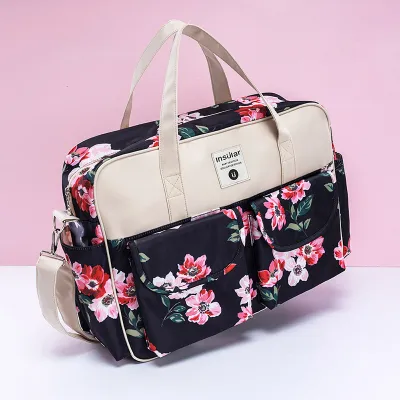
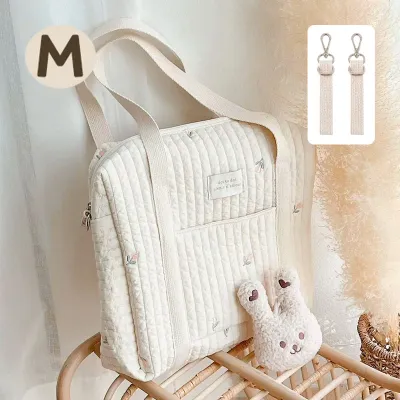
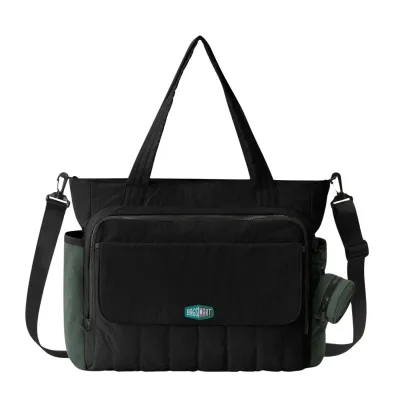
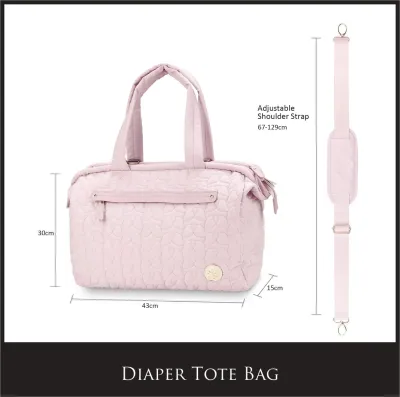
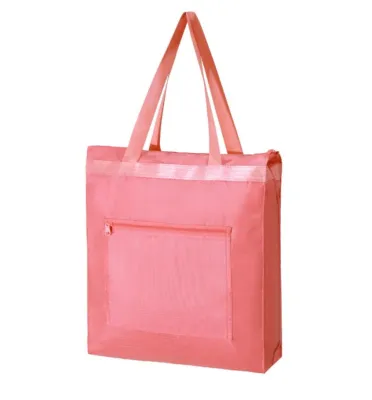
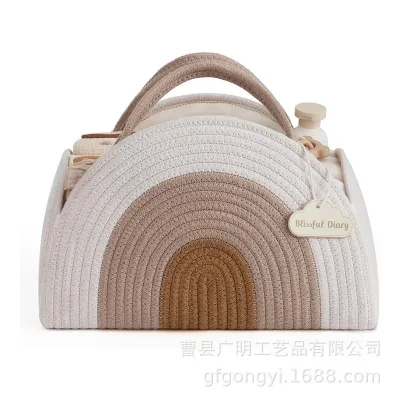
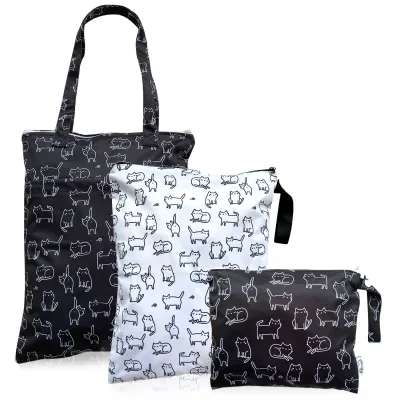
Prices are valid at publication and may change. Please refer to the product page for the latest price.
Managing baby supplies on the go involves handling a constant rotation of clean, dirty, wet, and dry items. A purpose-built diaper tote bag is engineered to handle this daily chaos by incorporating specialized zones that prevent cross-contamination. For example, a leaking bottle in an insulated pocket remains isolated from the dry clothes stored in the main compartment. Having designated spaces for every item also means you can perform a quick visual inventory before leaving the house, reducing the likelihood of forgetting crucial supplies like formula or diaper cream.
Ultimately, the right features transform a simple carryall into a highly functional mobile nursery. When you are holding a crying baby in a public restroom, every second spent searching for a clean wipe matters. A dedicated diaper tote bag minimizes these pain points by placing essential items exactly where you expect them to be. This structural organization not only saves time but also provides peace of mind, making outings less intimidating for new parents.
Key Features to Evaluate When Choosing a Diaper Tote Bag
Evaluating a diaper tote bag requires looking beyond aesthetics to analyze the functional specifications of the bag. A high-quality bag must balance organizational efficiency, material durability, and physical comfort to withstand the rigors of daily use.

Storage and Organization
Smart compartmentalization is the foundation of any practical diaper tote bag. When evaluating storage, look for a model that offers a mix of open compartments, zippered security pockets, and elasticized pouches. This variety allows you to categorize items by frequency of use and level of hygiene required.
- Insulated Bottle Pockets: These pockets are lined with thermal material to help maintain the temperature of breast milk, formula, or warm water. While these pockets are highly convenient, always check the guidelines from your pediatrician or milk storage manufacturers regarding the safe duration for keeping milk at room or chilled temperatures.
- Easy-Access Exterior Pockets: Quick-access pockets are essential for items you need to grab with one hand while holding your baby. Look for dedicated exterior pockets designed to hold baby wipes, tissues, or your mobile phone. Some bags feature a specialized wipe pocket with a magnetic flap, allowing you to pull out a single wipe without opening the main compartment.
- Wet and Dry Separation: Babies are prone to diaper blowouts and spit-ups, making soiled clothing an inevitable part of daily outings. A diaper tote bag with a built-in waterproof compartment or a detachable wet bag allows you to seal away damp or soiled garments, keeping the rest of your clean supplies hygienic.
- Secure Small-Item Storage: Dedicated loops, clips, or small zippered pouches are incredibly helpful for securing pacifiers, teething rings, and car keys. Keeping these small items in designated spots prevents them from sinking to the bottom of the bag or coming into contact with dirt.
Material, Durability, and Maintenance
Because a diaper tote bag is frequently placed on public surfaces, exposed to outdoor elements, and subjected to internal spills, its material composition is critical to its lifespan.
- Water-Resistant Linings: The interior of the bag should feature a wipeable, water-resistant lining, such as polyurethane-coated polyester or high-density nylon. This allows you to quickly clean up spilled milk, purees, or diaper creams with a simple damp cloth.
- Stain-Resistant Exteriors: The exterior fabric should be durable enough to resist abrasions and stains. Materials like treated canvas, heavy-duty nylon, and premium vegan leather offer excellent durability. Nylon is particularly popular for its lightweight properties, while vegan leather provides a more structured, classic aesthetic.
- Robust Hardware: Pay close attention to the quality of the zippers, clasps, and magnetic closures. Smooth-gliding, heavy-duty metal or molded plastic zippers are essential, as you will often need to open the bag one-handed. Double-zipper designs on the main compartment are highly recommended for easier access.
- Reinforced Base Studs: Metal feet or protective studs on the bottom of the bag prevent the fabric from directly touching dirty floors in public restrooms, cafes, or parks. This small feature significantly reduces wear and tear and keeps the base of your bag clean.
- Care Instructions: Always check the manufacturer's care labels before attempting to clean your bag. While some fabric bags are marketed as machine washable, many structured totes require spot-cleaning only to preserve their water-resistant coatings and internal structural panels.
Comfort, Weight, and Carrying Options
Carrying a fully loaded diaper bag alongside a baby can place significant physical strain on your body. Evaluating the ergonomic features of a tote bag is essential to prevent shoulder and back pain.
- Strap Width and Padding: Narrow, unpadded straps can cut into your shoulders when the bag is fully packed. Look for wide, adjustable shoulder straps with integrated padding to distribute the weight evenly across your collarbone and back.
- Versatile Carrying Styles: A great diaper tote should offer multiple carrying options. While classic shoulder straps are convenient for quick transitions, an adjustable, detachable crossbody strap allows you to carry the bag hands-free, which is incredibly helpful when navigating busy streets or holding your child.
- Empty Base Weight: Before packing any baby gear, the bag itself should be as lightweight as possible. Heavy canvas or thick genuine leather bags can weigh over a kilogram when empty, leaving you with less weight capacity for actual essentials. Aim for lightweight synthetic materials that offer structure without excessive weight.
- Integrated Stroller Straps: Built-in stroller clips or straps allow you to hang the bag directly from your stroller's handlebar. However, safety must always come first. Always consult your stroller's manufacturer manual before attaching any bag to the handlebar. Hanging heavy items can alter the stroller's center of gravity, risking a dangerous tip-over if your child climbs out or if the stroller is left unattended.
Matching Bag Features to Your Outing Style in Singapore
Your choice of diaper tote bag should reflect your daily routine, the duration of your typical outings, and the local environment. In Singapore, factors like high humidity, frequent air-conditioned indoor spaces, and reliance on public transport should influence your decision.
Quick Errands vs. Full-Day Trips
For short trips around your neighborhood, such as a quick visit to the local clinic, a walk to the nearby playground, or a grocery run, a compact and lightweight diaper tote is ideal. These smaller bags typically feature a streamlined profile with just enough space for two diapers, a small pack of wipes, a change of clothes, and a single bottle. They are easy to grab, lightweight, and prevent you from overpacking for brief excursions.
Conversely, full-day trips—such as spending a weekend afternoon at a large shopping complex, visiting family across the island, or exploring outdoor gardens—demand a high-capacity diaper tote. These bags must accommodate multiple feedings, several diaper changes, extra swaddles, toys, and personal items for the parents. For these longer trips, look for a tote that includes a dedicated, padded portable changing mat compartment and multiple insulated zones to keep milk cool for extended periods.
Navigating Public Transport and Crowded Spaces
If you frequently travel via the MRT or public buses, your diaper tote bag needs to be highly maneuverable and secure. Crowded trains and buses require a bag with a streamlined, compact profile that does not protrude excessively, preventing you from accidentally bumping into other commuters on escalators or through narrow turnstiles.
Structured bags that can stand upright on their own are highly advantageous when commuting. A self-standing bag can be placed securely on the floor between your feet on the MRT without tipping over and spilling its contents. Furthermore, ensure the bag features a secure, full-length zippered top closure rather than a single magnetic snap. This keeps your personal belongings and baby gear safe from pickpockets in crowded transit hubs and prevents items from falling out if the bag is jostled during sudden stops.
Diaper Tote Bag Feature Comparison Matrix
To help you determine which style of diaper tote best fits your lifestyle, the table below compares three common design profiles based on their primary features and ideal use cases.
| Bag Profile | Best For | Key Storage Features | Carrying Style | Ideal Outing Type |
|---|---|---|---|---|
| Compact Everyday Tote | Minimalist parents, quick neighborhood errands | 1-2 insulated pockets, main compartment, quick-access wipe pocket | Shoulder straps, lightweight grab handles | Short walks, clinic visits, quick grocery runs |
| Standard High-Capacity Tote | Full-day outings, parents of multiples | Multiple insulated zones, dedicated wet/dry compartment, padded changing mat pocket | Padded shoulder straps, detachable crossbody strap | Day trips, mall visits, family gatherings |
| Convertible Tote/Backpack | Active parents, hands-free commuting | Multi-pocket organization, laptop sleeve, hidden security pockets | Convertible backpack straps, shoulder straps, stroller clips | Public transit travel, outdoor parks, travel |
What to Pack: A Practical Checklist for Your Tote
An organized bag is only as good as how you pack it. To maximize the utility of your diaper tote’s specialized compartments, group your items logically so you can find them instantly during an emergency.
Categorized Packing List
Feeding Essentials
- Prepared baby bottles or warm water thermos (placed upright in the insulated pockets)
- Formula dispenser or breast milk storage bags
- Two clean burp cloths and a silicone bib
- Small, healthy baby snacks (for older infants)
Changing Supplies
- 4 to 6 clean diapers (verify they are the correct size for your baby's current growth stage)
- Travel pack of baby wipes (placed in the easy-access exterior pocket)
- Diaper rash cream or barrier balm
- Portable, wipeable changing mat (folded flat in its dedicated compartment)
Emergency and Comfort Items
- Two complete changes of clothes, including socks (stored in a waterproof zone or wet bag)
- 2 clean pacifiers (kept in a sterile, sealed pouch to protect your baby's health)
- A lightweight swaddle blanket (useful for sun protection or drafting AC vents)
- Travel-sized hand sanitizer and a small toy for distraction
Organization and Maintenance Tips
When packing, place heavy items like a water bottle or a thermos at the bottom of the bag, close to the center, to maintain proper balance. Place items you need frequently, like wipes and pacifiers, in the outermost pockets.
To prevent your diaper tote from becoming heavy and cluttered, establish a weekly audit routine. Empty the bag completely once a week to shake out crumbs, remove used tissues, and take out any dirty clothes. Check for expired baby snacks and replace diapers if your baby has recently transitioned to a larger size. This simple habit keeps your tote lightweight, hygienic, and ready for your next outing.
Frequently Asked Questions (FAQ)
Can I use a regular fashion tote bag instead of a specific diaper tote?
Yes, you can repurpose a regular fashion tote bag, but it comes with distinct practical trade-offs. Standard fashion totes generally lack the specialized features that make diaper bags highly functional, such as insulated bottle pockets, waterproof wet/dry compartments, and dedicated stroller attachments. Without built-in organization, a regular tote often becomes a cluttered space where items are difficult to find quickly.
To achieve a similar level of functionality with a standard handbag, you would need to purchase several separate accessories, including insulated bottle sleeves, a portable changing mat, waterproof wet bags, and aftermarket stroller clips. Buying these items individually can quickly add up in cost and often results in a bulkier, heavier setup than using a single, purpose-built diaper tote bag.
How do I clean and maintain a diaper tote bag to prevent odors?
To keep your diaper tote bag hygienic and free from unpleasant odors, establish a simple daily maintenance routine. At the end of each day, empty any damp clothing, used bibs, or half-empty bottles from the bag. Wipe down the interior lining with a damp cloth and a mild, baby-safe soap, then leave the bag completely open in a well-ventilated area to air-dry overnight. This is especially important in humid climates to prevent the growth of mold and mildew.
Always check the manufacturer’s care label before attempting to wash the bag. Many structured diaper totes contain internal cardboard or plastic support panels that can be ruined by machine washing. For these bags, spot-cleaning is recommended. Avoid using harsh chemical cleaners, bleach, or boiling water, as these can degrade the water-resistant coatings and damage specialized interior linings.
Community discussion
Share your experience or ask a question. Comments are reviewed before publication.