
Choosing the ideal diaper pouch is a balancing act between physical storage capacity and structured organization. When managing diaper changes on the go, parents quickly realize that raw volume is only half the equation. A pouch that holds a dozen diapers but forces you to empty its entire contents to find a single tube of rash cream can cause unnecessary stress during a diaper emergency.
No single brand or design wins universally; the best choice depends on whether you prioritize quick-access organization or bulk capacity. Some leading designs focus on streamlined, rigid compartments that keep small accessories perfectly in place, while others offer open, flexible main compartments that stretch to accommodate bulky items like spare clothes or thick cloth diapers. Understanding how these layout philosophies align with your daily routine is the key to finding the right fit.
To make an informed decision, you must evaluate how a pouch’s physical layout matches your typical outing. A parent taking short trips to a local cafe or park needs a vastly different setup than someone packing for a full-day excursion. By examining the structural differences, material performance, and internal architectures of modern diaper pouches, you can select a model that simplifies your routine rather than adding to your carrying load.
Products mentioned in this guide
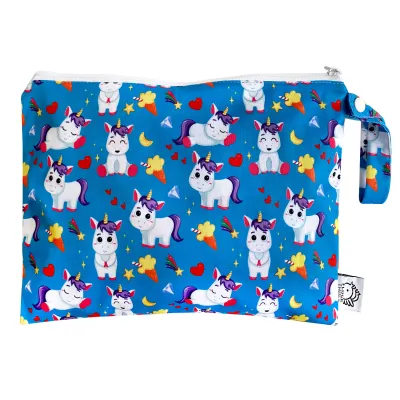
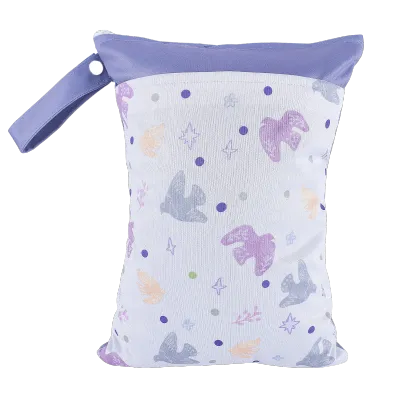
Prices are valid at publication and may change. Please refer to the product page for the latest price.
Evaluating True Storage Capacity Beyond Stated Dimensions
When comparing diaper pouches, relying solely on manufacturer-stated dimensions can be highly misleading. A pouch listed as 25 centimeters by 18 centimeters may seem spacious on paper, but if it is constructed as a flat, envelope-style clutch, its usable volume drops drastically once you insert a standard pack of baby wipes. True storage capacity is determined by how the pouch handles three-dimensional depth when fully packed.
To maximize usable volume, look for pouches featuring gusseted sides or expandable zippered panels. Gussets allow the base and sides of the pouch to expand outward as items are added, maintaining a stable shape without putting excessive tension on the seams or zippers. Expandable designs offer a dual-profile advantage: they remain slim and compact when carrying only the bare essentials, yet can unzip to reveal extra depth when you need to pack an extra romper or a bulky swaddle.
- Fixed-Capacity Designs: These models maintain a consistent, predictable footprint. While they prevent you from overpacking and keep your diaper bag streamlined, they offer zero flexibility if your child’s needs change or if you need to carry larger diaper sizes as they grow.
- Expandable Designs: These options provide adjustable depth through perimeter zippers or flexible fabric panels. They are highly versatile but can become heavy and lose their streamlined shape when fully expanded, potentially crowding the rest of your diaper bag.
The overall shape of the pouch also dictates how efficiently you can pack standard baby gear. Rectangular pouches maximize corner space, allowing you to stack diapers flat and slide in a standard folded changing pad without bending the corners. Tapered or contoured designs may look sleek and modern, but they often compress the corners, forcing you to roll or fold items awkwardly, which ultimately wastes valuable internal space.
Comparing Compartment Layouts Across Leading Brands
Different diaper pouch brands employ distinct architectural strategies to organize baby essentials. Rather than looking for a one-size-fits-all solution, parents should evaluate which layout style matches their personal packing habits and how they prefer to access items under pressure.

The All-in-One Clutch Layout
The all-in-one clutch is designed to serve as a self-contained diapering station. These pouches typically unfold into a full-sized changing pad or feature a detachable pad, with dedicated pockets for diapers and wipes integrated directly into the wings of the clutch.
- High Portability: This design is exceptionally convenient for quick trips to public restrooms where space is limited. You can leave your main diaper bag at your table or stroller and carry only the clutch.
- Self-Contained System: Because the changing pad and storage are physically connected, you never have to worry about placing your baby on an unhygienic surface while searching for a wipe.
- Limited Expansion: These clutches are highly sensitive to overpacking. If you attempt to stuff more than three or four diapers or a thick change of clothes inside, the clutch may fail to fold or snap shut.
- Fewer Micro-Compartments: To maintain a flat profile, these layouts generally eschew small, zippered pockets, meaning loose items like nail clippers, pacifiers, or small cream tubes can easily slip out.
The Modular Organizer Insert
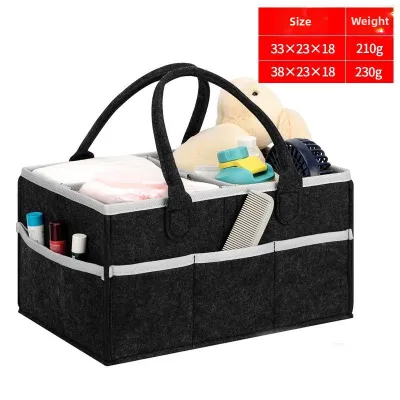
Modular organizer inserts are structured pouches designed to sit inside a larger tote, backpack, or stroller basket. They focus heavily on interior compartmentalization, featuring multiple slip pockets, elastic loops, and zippered dividers.
- Excellent Visibility: The open-top or wide-mouth designs of these organizers allow you to see every item at a glance, eliminating the need to dig through layers of gear.
- Upright Storage: Elastic loops and rigid dividers keep items like baby bottles, hand sanitizers, and diaper rash creams upright, significantly reducing the risk of accidental leaks and spills.
- Requires a Host Bag: These organizers rarely feature comfortable carrying handles or shoulder straps, making them awkward to carry as standalone bags for quick errands.
- Rigid Weight: The internal dividers and structured walls that provide organization also add dead weight to your bag, even when the organizer is empty.
The Wipe-Dispensing Hybrid
Wipe-dispensing hybrids feature a dedicated, externally accessible pocket or window designed to hold a travel pack of baby wipes. This allows parents to pull wipes directly from the outside of the pouch without unzipping the main compartment.
- One-Handed Access: This layout is incredibly useful during active, messy diaper changes when you need to keep one hand safely on a wriggling baby while retrieving a wipe.
- Reduced Contamination: Because you do not need to open the main compartment to get a wipe, the clean items inside the pouch remain protected from dirty hands.
- Sacrificed Internal Space: The dedicated wipe compartment often eats into the internal volume of the pouch, leaving less room for diapers and spare clothing.
- Dry-Out Risk: If the external flap or silicone seal on the wipe window is not perfectly airtight, the wipes can dry out quickly, especially in warm or air-conditioned environments.
How Structure and Materials Affect Compartment Usability
The physical build and interior materials of a diaper pouch directly influence how easily you can access its contents during a frantic diaper change. A beautifully organized layout can quickly become frustrating if the fabric collapses or the zippers catch constantly.
Structured pouches utilize internal foam padding, wire frames, or rigid piping to maintain their shape even when completely empty. This structural integrity ensures that pockets remain open and visible, allowing you to slide diapers in and out with one hand. Unstructured pouches, made from soft fabrics like lightweight nylon or canvas, collapse inward when partially empty. While they are highly packable and can be squished into tight spaces, they often require two hands to hold the opening open while you rummage for items.
Interior lining materials are critical for hygiene and maintenance, particularly in humid climates like Singapore’s, where moisture can quickly lead to mold or mildew. Look for pouches with wipeable, water-resistant linings such as heat-sealed TPU or high-grade polyester. These materials allow you to easily clean up spilled diaper creams or leaked liquids with a simple wipe. Some premium brands also offer antimicrobial treatments on the interior lining to help suppress odor-causing bacteria and mold growth over time.
Zipper quality and opening angles play a massive role in speed and convenience. A full clamshell opening, where the zipper runs down three sides of the pouch, allows it to lay completely flat on a table, exposing all compartments simultaneously. Top-zip openings offer a narrower entry point, which keeps items from falling out but limits visibility to the very bottom of the pouch. Regardless of the opening style, ensure the zippers are heavy-duty, smooth-sliding, and feature large pulls that you can easily grab and operate with one hand.
Decision Framework: Matching Pouch Design to Your Daily Routine
To choose the right diaper pouch, you must evaluate your parenting style, your primary mode of transit, and your typical daily outings. Use this conditional framework to identify the design that best supports your routine.
- Choose the All-in-One Clutch if you frequently make short, quick trips to local cafes, parks, or shopping malls and prefer to travel light. This design is perfect for parents who want a grab-and-go solution that handles quick restroom changes without the bulk of a full diaper bag.
- Choose the Modular Organizer if you rely on a large, unstructured tote bag or backpack as your primary diaper bag. This style is ideal for parents who value strict, visible organization and want to prevent small accessories, creams, and pacifiers from getting lost at the bottom of a deep bag.
- Choose the Wipe-Dispensing Hybrid if you prioritize speed and one-handed efficiency above all else. This layout is especially beneficial for parents of active, mobile toddlers who do not sit still during changes and require rapid, hassle-free access to wipes.
Before making a final purchase, always verify the pouch’s specific internal dimensions against your preferred changing pad and diaper sizes. If you use thick cloth diapers, you will require a more flexible, open-compartment design rather than a slim, highly compartmentalized clutch. Additionally, check that the exterior profile of the pouch fits comfortably into your stroller’s storage basket or your car’s glove compartment to ensure seamless integration into your daily travel setup.
Frequently Asked Questions (FAQ)
How many diapers should a standard diaper pouch hold?
A practical daily diaper pouch typically holds 3 to 5 disposable diapers, which is generally sufficient for a 3- to 4-hour outing. If you are using thick cloth diapers, the capacity may be reduced to 1 or 2 diapers due to their bulk. Larger travel-specific pouches can hold more, but they sacrifice the compact portability that makes a pouch convenient for quick trips.
Can I use a regular makeup pouch as a diaper pouch?
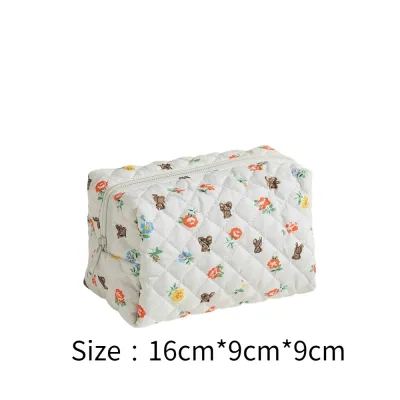
While you can use a makeup pouch in a pinch, they generally lack the specialized compartment design required for diapering essentials. Makeup pouches typically feature small, flat pockets meant for slender cosmetics, which do not accommodate bulky items like diaper stacks or thick wipe packs. Furthermore, they rarely feature the water-resistant, easy-to-wipe interior linings crucial for managing baby messes.
Do I need a separate wet bag compartment inside the pouch?
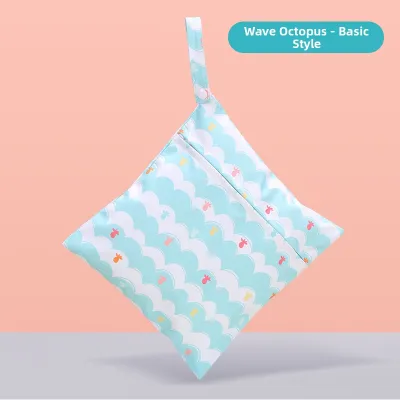
While some premium diaper pouches include a water-resistant wet pocket for soiled clothes, many parents prefer to use a separate, dedicated wet bag. Storing soiled items inside your main clean pouch increases the risk of cross-contamination, leaks, and lingering odors. A separate wet bag can be sealed and stored independently, keeping your primary diaper pouch clean, hygienic, and fresh.
Community discussion
Share your experience or ask a question. Comments are reviewed before publication.