
Quick Answer: Which Diaper Bin Should You Choose?
Selecting the right diaper bin depends on your household’s daily routine, budget, and sensitivity to odors. For families living in high-density apartments where space is compact and indoor air circulation is highly valued, a specialized diaper disposal system offers the most robust defense against unpleasant smells. These systems utilize mechanical seals or continuous barrier films to isolate waste, making them ideal if the nursery is close to living areas.
Conversely, a standard diaper pail or a regular household bin with a reliable liner is often sufficient for families who plan to empty the trash daily or have easy access to outdoor waste chutes. These options offer greater flexibility and lower long-term costs because they do not require proprietary refill cartridges. Before making a final decision, it is essential to verify the physical footprint of the unit, the cost of compatible liners in S$, and the specific sealing mechanisms detailed in the manufacturer’s product specifications.
Understanding the Three Diaper Disposal Options
To make an informed choice, parents must first understand how these three common household options differ in design, construction, and functionality. While they all serve the same basic purpose, their mechanical complexity and bag compatibility vary significantly.
Products mentioned in this guide
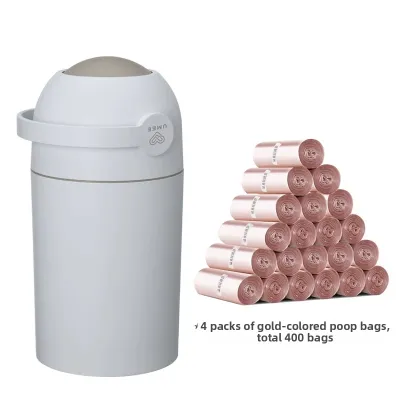
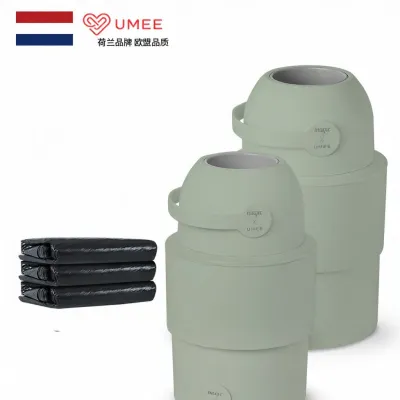
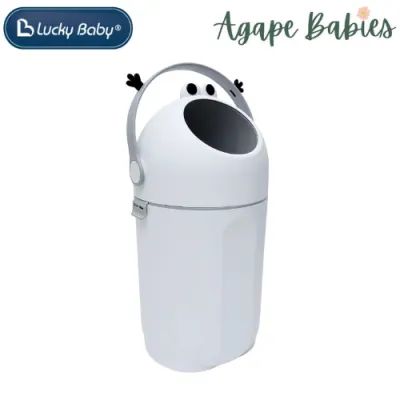
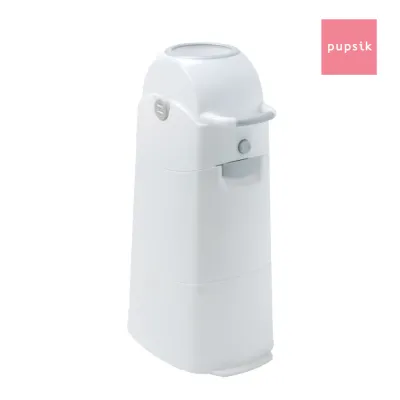
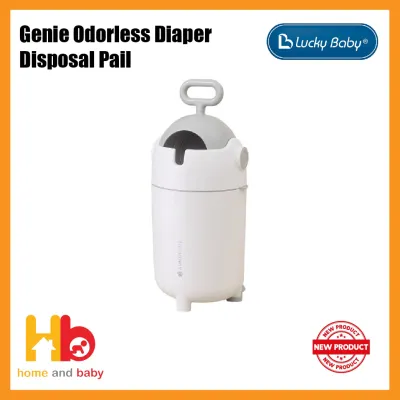
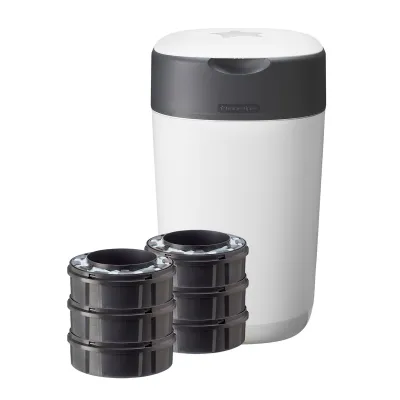
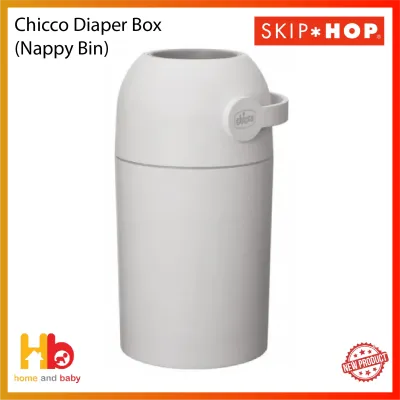
Prices are valid at publication and may change. Please refer to the product page for the latest price.

Standard Diaper Pails
A standard diaper pail is a dedicated container designed specifically for nursery waste, but it operates without complex internal machinery. These pails are typically constructed from either heavy-duty plastic or powder-coated steel. Steel models are highly regarded for their non-porous surfaces, which resist absorbing odor molecules over time. Standard pails usually feature a simple lid with a rubber or silicone gasket to create a basic seal. Their primary advantage is versatility; they are designed to hold standard household trash bags or reusable fabric liners, eliminating the need for specialized refills.
Specialized Diaper Disposal Systems
Specialized diaper disposal systems are engineered units that focus heavily on odor isolation through mechanical barriers. Instead of a simple open-and-shut lid, these systems often employ spring-loaded clamps, twisting mechanisms, or double-door seals that prevent air from escaping when a new diaper is dropped inside. Many of these systems require proprietary continuous bag cassettes. These cassettes contain a long, scented or multi-layered barrier film that you cut and tie off when the bin reaches capacity. This design ensures that the main waste compartment remains sealed off from the room even during the disposal process.
Regular Bins with Liners
A regular household bin with a liner is the most straightforward and accessible option. Typically featuring a step-pedal lid or a simple swing-top, these utility cans are used with standard plastic garbage bags. They do not possess specialized seals, carbon filters, or mechanical clamps to trap odors. To manage smells, parents using a regular bin often rely on frequent daily emptying, small individual diaper disposal bags, or separate deodorizing pucks placed at the bottom of the canister. This setup is highly adaptable and can easily be repurposed for general household use once the diapering stage is over.
Comparing Odor Control, Cost, and Convenience
Evaluating these three options requires balancing daily convenience against long-term operational costs and the practical realities of managing infant waste.
Odor Containment Mechanisms
Odor control is often the primary concern for parents, especially during the first year of a child’s life when diet transitions alter the intensity of waste odors. Specialized diaper disposal systems generally offer the highest level of odor containment because they use multi-layered barrier plastics specifically formulated to block gas molecules. Many also incorporate built-in compartments for activated carbon filters or baking soda cartridges to neutralize airborne odors.
Standard diaper pails rely on the physical seal of the lid gasket. While a steel pail with a tight silicone gasket can keep odors contained when closed, a puff of smelly air can escape whenever you open the lid to drop in a diaper. Regular bins offer the least resistance to odor transfer, as standard trash bags are thin and porous, allowing smells to permeate the plastic over several days.
Upfront and Ongoing Costs
The financial commitment of a diaper bin extends far beyond the initial purchase price. While a specialized diaper disposal system might seem reasonably priced upfront, the ongoing cost of proprietary refill cassettes can accumulate significantly over two to three years of diapering. Parents should check local retail listings and online marketplaces to verify the current price of these refill cartridges in S$ to calculate the long-term commitment.
Standard diaper pails and regular bins present a much more economical profile. Because they accept standard, widely available grocery bags or generic trash liners, your ongoing costs remain minimal. For families looking to minimize waste, standard pails also accommodate washable, reusable cloth liners, which align well with cloth diapering routines.
Daily Convenience and Operation
When holding a squirming baby with one hand, ease of use becomes a critical factor. Many specialized systems and regular bins feature hands-free foot pedals or simple push-button lids that allow you to drop the diaper inside without manual lifting. Some specialized systems require you to push the diaper through a tight mechanical clamp, which can sometimes require physical effort or cause larger diapers to get stuck.
Capacity and bag-changing frequency also dictate daily convenience. A larger bin reduces the number of trips to the main trash chute, but keeping soiled diapers in a warm room for too long can compromise even the best seals. Specialized continuous bags allow you to empty the bin at any point by cutting the liner and tying a new knot, minimizing plastic waste during partial empties.
Comparison of Diaper Disposal Options
| Feature | Specialized Diaper Disposal System | Standard Diaper Pail | Regular Bin with Liner |
|---|---|---|---|
| Primary Odor Barrier | Multi-layer barrier film & mechanical clamps | Silicone/rubber lid gaskets | Standard plastic liner only |
| Bag Compatibility | Proprietary cassettes (verify manufacturer specs) | Standard trash bags or reusable liners | Standard household garbage bags |
| Upfront Unit Cost | Moderate to High | Moderate | Low to Moderate |
| Ongoing Liner Cost | High (requires continuous refills) | Low (uses standard bags) | Low (uses standard bags) |
| Hands-Free Operation | Often available (foot pedal or drop-in) | Varies by model | Commonly available via foot pedal |
| Best Suited For | Small apartments, high odor sensitivity | Budget-conscious, cloth diapering | Frequent trash disposal routines |
Decision Framework: Matching the Bin to Your Household
To determine which diaper bin fits your home, consider your living space, daily habits, and budget constraints through this structured decision framework.
When to Choose a Specialized Diaper Disposal System
This option is highly suitable for households where the nursery or diaper-changing station is located in a central living area, close to bedrooms, or in a compact apartment with limited cross-ventilation. If you are highly sensitive to odors and prefer to empty the bin only once or twice a week, the mechanical isolation provided by these systems is a significant benefit. Before purchasing, ensure you are comfortable with the ongoing cost of proprietary refills and verify their availability at local baby specialty stores or online marketplaces.
When to Choose a Standard Diaper Pail
A standard diaper pail is the ideal middle ground if you want a dedicated, aesthetically pleasing nursery bin but refuse to be locked into buying expensive proprietary refills. It is particularly well-suited for parents who practice cloth diapering, as many standard pails are designed to hold large, washable wet bags. This choice allows you to invest in a high-quality, durable steel canister upfront while keeping your monthly operational costs at zero.
When to Choose a Regular Bin with a Liner
A regular household bin is best for families on a strict budget or those who already have a highly disciplined trash routine. If your household habits involve taking the garbage out to a central chute or outdoor collection point every single day, odors will not have the time to build up, making a specialized bin unnecessary. This setup is also highly practical for homes with limited space, as a single utility bin in the bathroom can serve both diapering and general waste needs.
Space and Installation Verification
Before finalizing your purchase, measure the designated spot in your nursery or bathroom. Check the product specifications for both the physical footprint and the lid-clearance height. A bin with a top-opening lid that swings upward may not fit comfortably under a low changing table or shelving unit. Additionally, verify that the bin’s weight when full is manageable for your daily routine.
Hygiene, Maintenance, and Safety Checks
Regardless of the diaper bin type you select, maintaining strict hygiene and safety protocols is essential to prevent bacterial growth, mold, and accidental injuries.
Routine Cleaning Protocol
Diaper bins operate in warm, humid environments—conditions that naturally accelerate the growth of bacteria and mold. To keep the bin sanitary, establish a weekly cleaning routine:
- Empty the Bin Completely: Remove the liner and any residual debris from the bottom of the canister.
- Wash with Mild Soap: Use warm water and a mild, non-abrasive dish soap to scrub the interior and exterior surfaces. Avoid harsh chemical bleach unless specified by the manufacturer, as it can degrade plastic seals and rubber gaskets.
- Dry Thoroughly: Allow the bin to air-dry completely in a well-ventilated area, preferably in direct sunlight, before inserting a new liner. Trapping moisture inside a closed bin creates an ideal breeding ground for mildew.
- Deodorize Naturally: Consider placing a small cup of baking soda or a dedicated charcoal deodorizer packet at the bottom of the dry bin to absorb lingering moisture and odors.
- Inspect the Seals: Wipe down rubber gaskets with a damp cloth to remove dust or sticky residue that might prevent a tight seal.
Mechanical and Structural Inspections
Regularly inspect the moving parts of your diaper bin, including foot pedals, lid hinges, spring-loaded doors, and bag-cutting blades. Over time, plastic hinges can warp and silicone gaskets can dry out or tear. If you notice a sudden increase in odor leakage or if the lid fails to close completely, consult the manufacturer’s user manual for troubleshooting steps or replacement parts. Do not attempt to force a broken mechanism, as this can crack the housing and render the bin unusable.
Safety Boundaries for Caregivers
As infants grow into curious toddlers, diaper bins can present safety hazards. Bins should always be kept securely out of reach of children who are beginning to pull themselves up or crawl. Toddlers may attempt to open the bin, climb on it, or play with the internal mechanisms, which can lead to pinched fingers or exposure to soiled waste.
If your specialized system features an integrated bag-cutting blade, verify that the blade is fully shielded and inaccessible from the outside. Stop using any diaper bin immediately if you observe structural damage, sharp cracked plastic, or persistent mold growth that cannot be removed through standard cleaning. If you have concerns about persistent household odors or sanitation issues affecting your child’s environment, consult a qualified home health professional for guidance.
Frequently Asked Questions (FAQ)
Can I use regular trash bags in a specialized diaper disposal system?
To determine if you can use standard trash bags, you must consult the manufacturer’s user manual for your specific model. Some specialized systems feature unique cartridge housings that only function correctly when loaded with the brand’s proprietary continuous film. Attempting to force a standard garbage bag into these units can compromise the mechanical seals, lead to severe odor leakage, or tear the internal clamps. However, some modern systems are designed with dual-compatibility adapters, allowing parents to switch between proprietary cassettes and standard liners. Always verify these specifications before attempting to modify the bag setup, as improper use may void the manufacturer’s warranty.
How often should I empty my diaper bin to prevent odors?
As a general guideline, diaper bins should be emptied every two to three days, even if they have not reached their maximum physical capacity. Several factors influence this frequency, including your baby’s developmental stage and diet. For instance, once an infant transitions to solid foods around six months of age, waste odors become significantly stronger, requiring more frequent disposal. Environmental conditions also play a major role; in warm, humid climates, bacterial activity increases rapidly, meaning bins kept in non-air-conditioned rooms will require daily emptying. Observable signs that indicate your bin needs immediate emptying and a thorough wash include a lingering musty smell when the lid is closed, visible condensation inside the canister, or any signs of mold growth on the liner.
Community discussion
Share your experience or ask a question. Comments are reviewed before publication.