
Selecting a diaper changing pad for a nursery in Singapore requires careful consideration of how materials react to persistent heat and moisture. In tropical climates, the ideal diaper changing pad is one that combines a completely non-porous, waterproof outer barrier with a highly breathable, washable cover. This setup prevents liquid messes and ambient humidity from soaking into the pad’s core, while ensuring the surface remains comfortable and hygienic for your baby’s sensitive skin.
How Singapore's Tropical Humidity Affects Changing Pad Materials
Singapore’s climate is characterised by consistently high ambient humidity, often hovering around 80% or higher, alongside warm year-round temperatures. While these conditions are comfortable for tropical living, they present unique challenges for nursery furniture and baby gear. High humidity creates an optimal breeding ground for mould, mildew, and various bacterial strains, which can rapidly colonise organic or porous surfaces.
When moisture becomes trapped in a nursery item, it does not easily evaporate. Over time, the combination of warmth and lingering dampness can cause certain synthetic materials to undergo hydrolysis, a chemical breakdown that leads to a sticky surface texture, peeling coatings, or bubbling. Furthermore, porous materials can trap microscopic organic matter from diaper leaks, leading to persistent, unpleasant odours that are incredibly difficult to eliminate.
Products mentioned in this guide
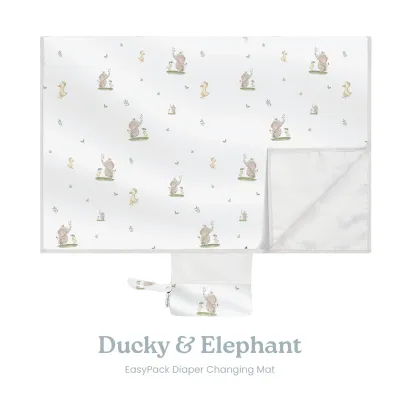
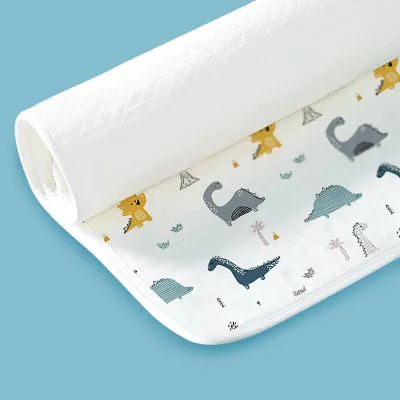
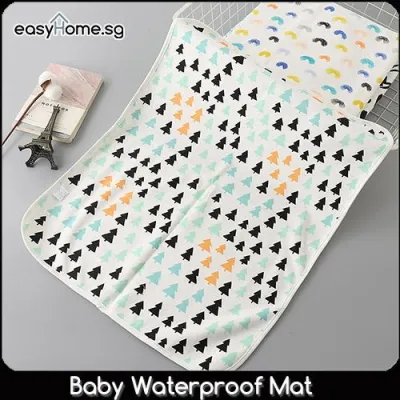
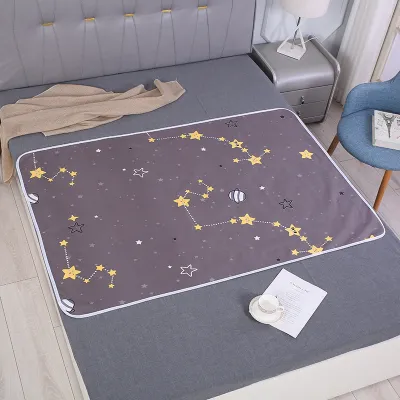
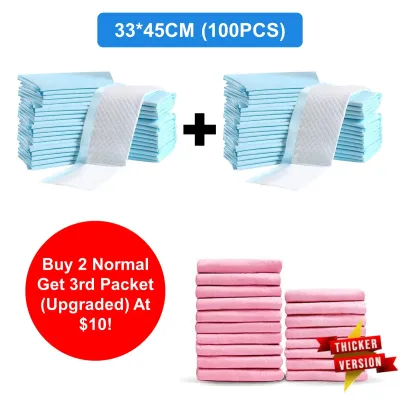
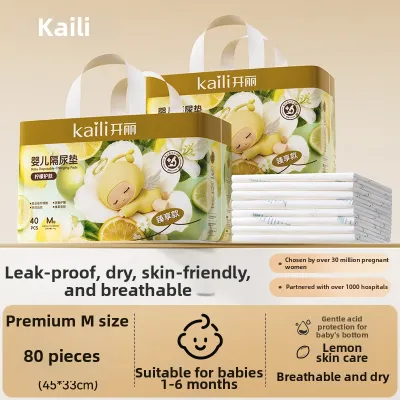
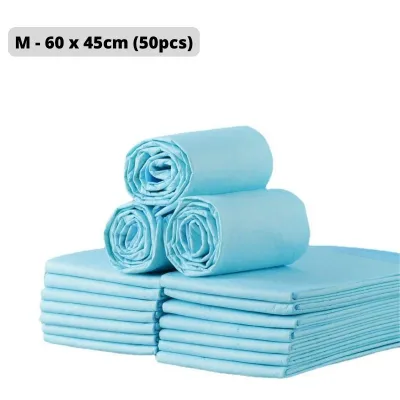
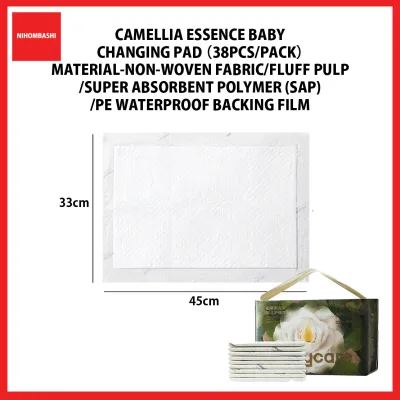
Prices are valid at publication and may change. Please refer to the product page for the latest price.
To safeguard your nursery environment, you must evaluate changing pad materials against four primary criteria. First, look for superior moisture resistance to prevent liquids from penetrating the surface. Second, ensure the pad allows for easy and thorough cleaning. Third, consider the breathability of any fabric components to keep your baby cool. Finally, assess the structural integrity of the core material to ensure it won’t warp or degrade in a humid room.
Comparing Common Changing Pad Materials for Humid Climates
Navigating the options available on the market requires understanding how different materials perform under tropical conditions. The outer cover and the inner core both play critical roles in managing hygiene and comfort.

Wipeable PVC and PU Surfaces
Polyvinyl Chloride (PVC) and Polyurethane (PU) are the most common synthetic materials used for waterproof diaper changing pad covers. Their primary advantage is absolute water resistance, which allows you to quickly wipe away liquids, creams, and solid messes before they can reach the cushioning beneath. This impervious barrier is highly effective at preventing deep-seated mould growth.
However, synthetic surfaces can pose challenges in hot weather. In a room without active air conditioning, PVC and PU can feel sticky or sweaty against a baby’s bare skin. Additionally, lower-grade plastics can degrade, crack, or peel over time if they are exposed to direct sunlight from a nearby window or subjected to harsh chemical disinfectants.
When choosing a synthetic pad, safety and chemical composition are paramount. Parents should carefully check product labels and manufacturer specifications on the packaging to verify that the pad is non-toxic, phthalate-free, and BPA-free. These certifications ensure that the waterproof barrier does not off-gas harmful chemicals in a warm nursery.
Fabric-Covered and Quilted Pads
Fabric-covered changing pads, often featuring cotton, bamboo, or quilted polyester, offer a soft and inviting surface for your baby. These natural or semi-synthetic fibers are highly breathable, which helps regulate temperature and prevents the sweaty discomfort associated with plastic surfaces.
The significant drawback of fabric in a humid climate is its high rate of moisture absorption. If a diaper leak occurs, or if the room’s ambient humidity is exceptionally high, the fabric will absorb and hold onto that moisture. Without prompt washing and thorough drying, damp fabric can develop mould spots within a matter of days.
If you prefer the comfort of fabric, it is absolutely essential to choose a system that features a 100% waterproof inner lining beneath the fabric layer. Additionally, ensure the outer fabric cover is fully removable and machine-washable. This allows you to maintain a clean surface while protecting the internal cushioning from dampness.
Foam, EVA, and Core Cushioning
The internal core of a diaper changing pad provides the necessary support and comfort for your baby, but its material composition determines how it handles trapped moisture. Traditional open-cell polyurethane foam behaves much like a household sponge; if the outer waterproof cover is punctured or compromised, the open-cell structure will draw in moisture and harbour mould internally.
In contrast, closed-cell Ethylene-Vinyl Acetate (EVA) foam features a sealed cell structure that naturally resists water absorption. Even if the surface of an EVA pad is scratched or worn, the material itself will not soak up liquids or ambient humidity. This makes closed-cell foam highly durable and resistant to microbial growth in tropical environments.
The core material also directly influences the pad’s weight, firmness, and longevity. Closed-cell foams tend to be lightweight yet firm, providing stable support that does not sag over time. Parents should regularly inspect the structural integrity of the pad and the sealing of the outer cover to ensure that no micro-tears have formed, keeping the core fully protected from ambient moisture.
Design Features That Prevent Moisture Buildup and Mould
Beyond the primary materials, specific design elements can either help mitigate or inadvertently worsen moisture retention in a humid environment. When shopping, look closely at how the pad is constructed.
First, prioritize seamless, heat-sealed, or welded edges over traditional stitched seams. Stitched seams rely on thread, which creates thousands of tiny needle punctures along the edges of the pad. These tiny holes can act as conduits, drawing liquid messes and humid air directly into the inner foam core. Heat-sealed edges, on the other hand, fuse the materials together to create a completely impenetrable barrier.
Second, consider the shape of the pad. While deeply contoured pads with high side walls are excellent for keeping an active baby centered, their deep crevices can trap sweat, spilled liquids, and cleaning solutions. If you select a contoured design, you must be diligent about wiping and drying the deep folds. Flat pads are much easier to dry completely but offer less physical containment.
Third, examine the design of the base. A changing pad should feature a non-slip bottom to prevent it from sliding on your changing table or chest of drawers. However, a completely flat, rubberised bottom can trap condensation against a wooden tabletop in a humid room. Look for bases that feature small raised feet or textured patterns that allow for slight air circulation beneath the pad.
Regardless of the design features you choose, physical safety remains the top priority. Always verify the manufacturer’s stated weight limits, age recommendations, and safety warnings before use. This includes ensuring constant caregiver supervision during every change and utilizing safety straps if provided. Material choices should never compromise these fundamental safety practices.
Cleaning and Maintenance Routines for a Humid Nursery
Establishing a consistent cleaning routine is the most effective way to prevent mould and extend the lifespan of your diaper changing pad in Singapore’s climate.
For daily maintenance, wipe down the surface after every diaper change using a mild, baby-safe cleaner or a simple mixture of water and gentle soap. Avoid harsh chemical disinfectants, heavy alcohol-based sprays, or abrasive scrubbing pads unless explicitly recommended by the manufacturer. These aggressive cleaning agents can strip away the protective waterproof coatings on PU or PVC surfaces, leading to premature cracking and peeling.
After wiping the pad clean, the most critical step is to allow it to air-dry completely in a well-ventilated area. Never rush to place a fabric cover back over a damp surface, and do not use the pad while it is still wet. In a humid nursery, even a small amount of trapped moisture between a waterproof pad and a fabric cover can initiate mould growth within 24 to 48 hours.
Managing the overall humidity of the nursery can also significantly protect your baby’s gear. Running an air conditioner or a dedicated dehumidifier can keep the ambient relative humidity within a safe range (ideally between 50% and 60%). This prevents the air from becoming saturated, allowing washed items to dry faster and making the environment less hospitable to mould spores.
If you discover that mould has penetrated the inner core of the pad, if the pad develops a persistent, musty odour that does not go away after cleaning, or if the materials begin to degrade in a way that prevents thorough sanitisation, you must stop using the pad and replace it. Do not attempt to salvage a compromised core with unverified chemical treatments, as these can leave harmful residues that may irritate your baby’s skin or degrade the materials further.
Frequently Asked Questions (FAQ)
Can I use a standard towel as a changing pad cover in humid weather?
While a standard cotton towel is soft and highly absorbent, it does not possess a waterproof barrier. If a leak occurs, the towel will absorb the liquid and hold it directly against the changing pad, creating a damp microclimate that encourages mould growth. If you choose to use a towel for added comfort, always place it over a fully waterproof, wipeable pad or a dedicated waterproof liner, and ensure the towel is washed and dried thoroughly after every single use.
How often should I deep clean the changing pad in a tropical climate?
You should perform a basic wipe-down of the surface after every diaper change. A deeper cleaning, which includes removing and washing any fabric covers or liners, should be done at least once a week, or immediately if a major spill occurs. Always consult the manufacturer’s care label for specific washing temperatures and drying instructions; excessive heat in washing machines or dryers can warp waterproof backings, melt heat-sealed seams, or degrade elastic components.
Is memory foam safe for a changing pad in a hot and humid room?
Memory foam is highly supportive but is known for retaining body heat, which can make it uncomfortably warm for a baby in a room without active air conditioning. The safety and hygiene of a memory foam pad depend heavily on its outer cover. To prevent the foam from absorbing sweat and ambient moisture, the pad must be encased in a high-quality, waterproof inner lining and topped with a highly breathable, moisture-wicking, and easily washable cover.
Community discussion
Share your experience or ask a question. Comments are reviewed before publication.