
When comparing diaper changing mat brands in Singapore, the right choice depends on your nursery space, cleaning preferences, and budget rather than a single universal winner. Popular brands in the market vary widely across material safety, structural design, and portability. Parents must navigate options ranging from premium, high-density foam contoured mats to highly portable, foldable travel clutches. To find the best fit for your home, you must evaluate how each brand’s materials, dimensions, and maintenance requirements align with your daily routine and your baby’s developmental stage.
Key Criteria to Compare Before Choosing a Brand
Selecting a diaper changing mat involves more than just picking an appealing design or color. Because this is an item you will use multiple times a day for several years, establishing a clear comparison framework is essential for making a practical investment. The primary dimensions to evaluate across different brands available in Singapore include material safety, practical daily features, and long-term structural reliability.
The ideal diaper changing mat should balance comfort for your baby with convenience for you. A key trade-off that parents often navigate is portability versus thickness. Lightweight, thin mats are excellent for travel or moving around the house, but they offer minimal cushioning and lack the secure, raised edges of stationary designs. Conversely, thick, contoured stationary mats provide superior ergonomic support and roll-prevention, but they are heavy, take up significant space, and cannot be easily packed away.
Products mentioned in this guide
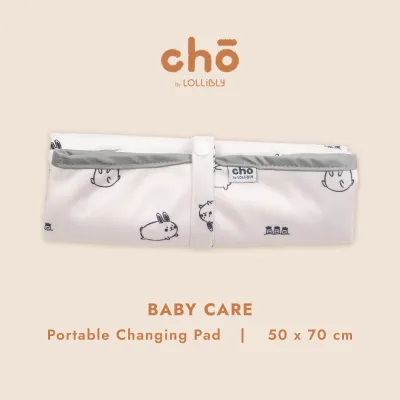
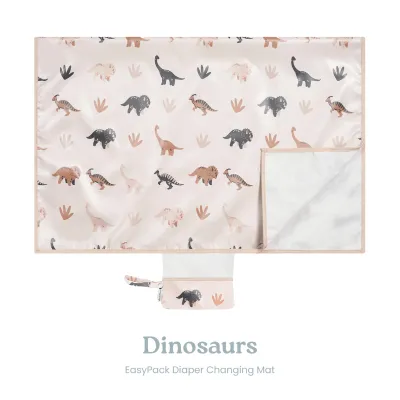
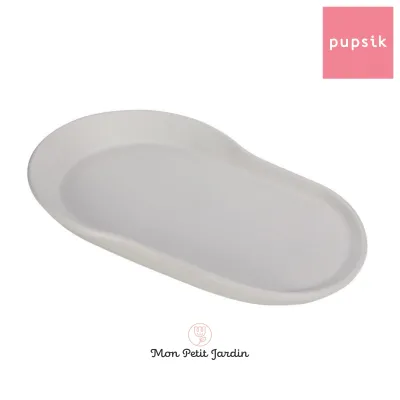
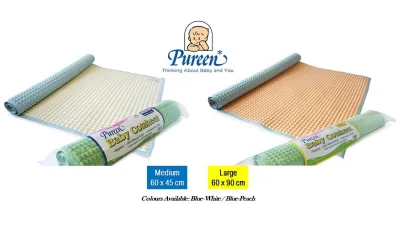
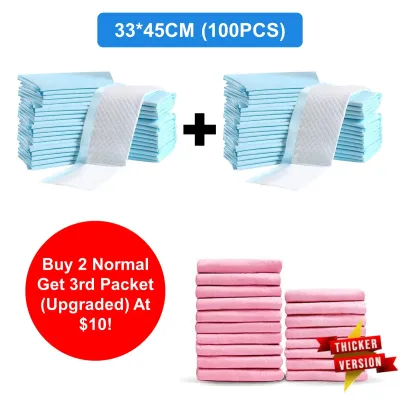
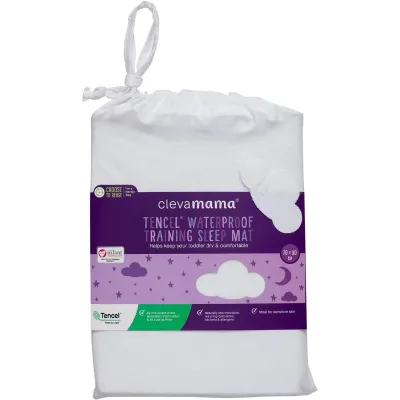
Prices are valid at publication and may change. Please refer to the product page for the latest price.
Another critical trade-off is the surface material. Wipe-clean surfaces made of polyurethane (PU), polyvinyl chloride (PVC), or silicone allow for instant cleanup during diaper blowouts, which is highly convenient. However, these materials can sometimes feel cold or sticky against a baby’s bare skin. On the other hand, mats with removable, machine-washable fabric covers offer a soft, cozy surface but require frequent washing and the purchase of multiple spare covers to manage inevitable messes.
To establish a baseline standard before purchasing, parents should verify non-toxic material claims, assess how easily the surface can be wiped down, check the level of ergonomic support, and inspect the durability of the edges and seams. By understanding these core criteria, you can systematically compare different brands and narrow down the options that best suit your family’s lifestyle.
Material Quality and Safety: What to Expect Across Brand Tiers
Material safety is the most critical factor when evaluating diaper changing mats, as your baby’s sensitive skin will come into direct contact with the surface daily. Different brand tiers approach material safety, construction, and non-toxic verification in distinct ways, and understanding these differences helps you make an informed decision.

Premium brands typically prioritize high-grade materials such as medical-grade silicone or high-density polyurethane (PU) foam. These materials are naturally water-resistant, inherently cushioned, and often designed to be used without an additional fabric cover. When evaluating premium options, do not rely solely on marketing claims. Instead, instruct yourself to verify specific safety certifications, such as OEKO-TEX Standard 100 or REACH compliance, and look for explicit BPA-free, phthalate-free, and heavy metal-free labels on the physical product tag or the manufacturer’s official specification sheet.
Mass-market brands generally utilize standard PU or PVC materials. While these mats are highly functional and widely available, the quality of the synthetic coatings can vary. To ensure safety, guide your search toward brands that offer independent testing labels and explicit odor-free guarantees. High-quality mass-market brands will use food-grade or baby-safe plastics that do not emit strong chemical off-gassing when first unpacked.
Budget options, often found on online marketplaces or in general department stores, frequently feature thinner foam padding wrapped in basic vinyl covers. While highly affordable, these mats require closer inspection. Advise yourself to check for strong chemical odors, which can indicate the presence of volatile organic compounds (VOCs). Additionally, inspect the quality of the edge sealing; poorly sealed vinyl seams can split easily, exposing the inner foam to moisture and creating a breeding ground for bacteria. Remember that material names alone do not prove safety; always verify the physical label before use.
Comparing Daily Features: Cleaning, Storage, and Portability
The daily utility of a diaper changing mat is defined by how easily it fits into your routine. Cleaning, storage, and portability are the three practical pillars that determine whether a mat becomes a helpful tool or a daily hassle.
Wipe-clean surfaces are highly favored by parents who want to minimize laundry. Silicone and high-quality PU mats can be cleaned in seconds with a damp cloth or a baby wipe, making them incredibly efficient during messy changes. However, if you prefer a softer surface for your baby, you may choose a mat that utilizes removable, machine-washable fabric covers. While fabric is gentler on the skin, the trade-off is the added laundry load and the necessity of keeping spare covers on hand for when accidents occur mid-change.
Storage and portability needs depend heavily on your living arrangements. Stationary contoured mats are designed to remain in a fixed location, such as on top of a dresser or a dedicated changing table. They offer excellent stability and safety but are bulky and difficult to store. Foldable or roll-up travel mats, on the other hand, are designed for maximum portability. They can be easily tucked into a diaper bag, stored in a drawer, or moved from room to room, making them ideal for quick changes on the go or in multi-story homes.
Built-in features also vary significantly across brand tiers. Some mats include integrated storage pockets for diapers and wipes, which keeps essentials within arm’s reach. Others feature adjustable safety straps to help keep active babies secure, or non-slip bases to prevent the mat from sliding on smooth wooden or laminate surfaces. When comparing these features, weigh the physical trade-offs: maximum portability often means sacrificing thick ergonomic support and safety barriers, while choosing a heavy, contoured mat means sacrificing the ability to change your baby outside of the nursery.
Price vs. Value: Matching Features to Your Budget
Diaper changing mats are available at a wide range of price points in Singapore. Understanding what features to expect at each tier allows you to match your budget to the level of quality and utility you actually need.
Entry-level options, typically priced under S$30, generally consist of basic flat mats with thin foam padding and simple vinyl or polyester covers. These mats are highly functional and often very portable, making them excellent choices for secondary changing stations at a grandparent’s house, travel diaper bags, or temporary setups. While they lack advanced ergonomic support or premium materials, they provide a clean, water-resistant surface for quick changes.
Mid-range options, falling between S$30 and S$80, represent the sweet spot for many parents. In this tier, you can expect contoured shapes with raised side walls, higher-quality wipeable materials like premium PU, reinforced edge stitching, and effective non-slip grips on the underside. These mats offer a great balance of safety, durability, and ease of cleaning without a premium price tag.
Premium options, priced above S$80, feature advanced materials such as medical-grade silicone, organic cotton covers, or high-density memory foam that retains its shape over years of use. These brands often focus heavily on aesthetic nursery designs, seamless construction that eliminates dirt-trapping seams, and extended manufacturer warranties. Before investing in a premium mat, always verify the warranty terms, return policies, and the availability of replacement parts directly with the brand or an authorized local retailer to ensure your investment is fully protected.
How to Match the Right Mat Style to Your Nursery Setup
Your physical home environment and nursery furniture should ultimately dictate the style of diaper changing mat you choose. Selecting a mat that does not align with your space can compromise both safety and convenience.
If you plan to use a dresser-top changing table, a contoured mat is highly recommended. The raised sides help keep your baby centered, but you must verify the exact dimensions of both the dresser surface and the mat before purchasing. Ensure there is no overhang, as an unstable mat can slide off the edge. Look for brands that include secure strap anchors or non-slip bottom textures to keep the mat firmly in place on polished wood or laminate surfaces.
For standalone changing tables, compatibility is key. Many changing tables are designed to fit proprietary mat sizes. Before buying a replacement or a third-party mat, check the manufacturer’s model numbers and recommended dimensions to ensure a snug, safe fit. A mat that is too small can slide around, while one that is too large will buckle and create an uneven, unsafe surface for your baby.
If you prefer floor or bed changing, prioritize thicker, larger flat mats or foldable designs. Changing your baby on the floor completely eliminates the risk of falls, making it a highly safe option. A thicker mat provides necessary cushioning for both the baby and the caregiver’s knees. For small apartment living, which is common in Singapore’s high-density housing, space-saving designs are invaluable. Prioritize foldable, roll-up, or multi-functional mats that can be easily tucked away in a closet or drawer when not in use, keeping your living spaces clutter-free.
Frequently Asked Questions (FAQ)
Do I need a contoured mat or is a flat mat sufficient?
Contoured mats feature raised edges that help keep your baby centered and prevent rolling, making them highly suitable for elevated changing surfaces like dressers or changing tables. However, they require precise size matching to ensure they fit securely on your furniture. Flat mats offer greater versatility, are easier to store, and can be used on various flat surfaces like the floor or bed. If you choose a flat mat, you must maintain active physical supervision at all times and utilize safety straps where available, as flat surfaces do not offer physical barriers to prevent rolling.
How do I clean and maintain a wipeable changing mat to prevent peeling?
To extend the lifespan of a wipeable changing mat, clean it using mild soap and warm water. Avoid harsh chemical cleaners, bleach, or alcohol-based sanitizing wipes, as these substances can break down polyurethane (PU) or polyvinyl chloride (PVC) coatings over time, leading to cracking and peeling. Always ensure the mat is completely dry before folding, rolling, or storing it to prevent mold and mildew growth in the creases. If you notice the surface cracking, peeling, or tearing, stop using the mat immediately and consult the manufacturer, as damaged surfaces can harbor bacteria and pose a choking hazard.
Are portable changing mats safe for primary daily home use?
Portable changing mats are designed for temporary use and travel, meaning they are generally thinner and lack the robust ergonomic support and raised safety edges of stationary contoured mats. While they are safe for home use, they should only be used on stable, flat surfaces with continuous, active caregiver supervision. They are not ideal as a primary, long-term changing station if you prefer elevated changing, as they do not secure to furniture in the same way stationary mats do. Always check the manufacturer’s weight and age limits, as portable mats often have lower structural thresholds than full-sized nursery mats.
Community discussion
Share your experience or ask a question. Comments are reviewed before publication.