
Quick Answer: Finding Your Ideal Capacity-Comfort Balance
Selecting the right diaper bag sling requires balancing the need for quick, accessible storage with the physical demands of carrying weight on a single shoulder. Unlike traditional double-strap backpacks, a sling bag redistributes weight diagonally across your torso, making strap ergonomics and load management crucial. The ideal brand and model for your family depends heavily on your baby’s current developmental stage, your feeding method, and your typical daily travel routines.
To narrow down your choices, consider this condition-based decision framework:
- Choose a structured, high-capacity brand profile if you are managing multiple daily formula feeds, carrying rigid glass bottles, packing gear for more than one child, or traveling for extended hours where you cannot easily replenish supplies.
- Choose a lightweight, minimalist brand profile if you are primarily nursing, caring for an older toddler who requires fewer diaper changes, or running quick errands where shoulder relief and physical agility are your main priorities.
- Verify first if you have pre-existing neck, shoulder, or lower back sensitivities. Because single-strap designs concentrate weight on one side of the body, parents with chronic discomfort should carefully evaluate strap padding or consider alternating a sling with a traditional ergonomic backpack.
Evaluating Capacity: Beyond Total Volume and Liter Counts
When comparing diaper bag slings, it is easy to rely solely on the manufacturer’s advertised volume, typically measured in liters. However, total volume can be highly misleading. A bag’s physical shape and structural design dictate how much usable space you actually have. For instance, a 6-liter sling with a tapered, aerodynamic silhouette often holds less practical baby gear than a 4-liter rectangular sling. Tapered designs force items to stack awkwardly, causing the bag to bulge uncomfortably against your body, whereas rectangular shapes maximize corner space for flat items like diaper clutches, changing mats, and health booklets.
Products mentioned in this guide
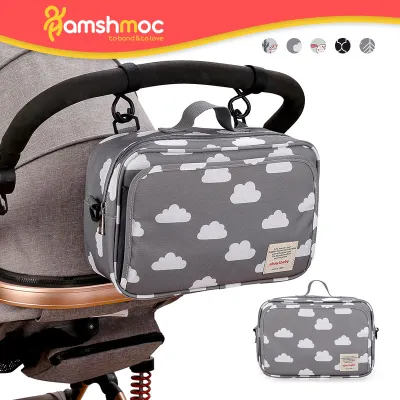
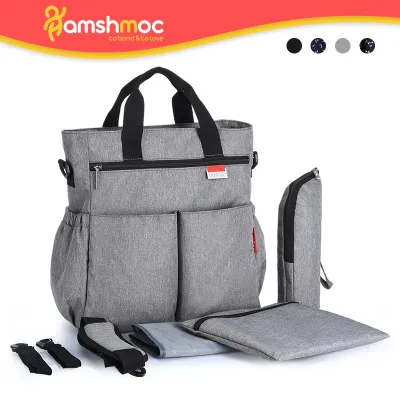
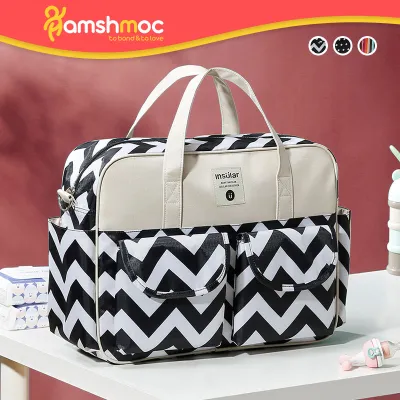
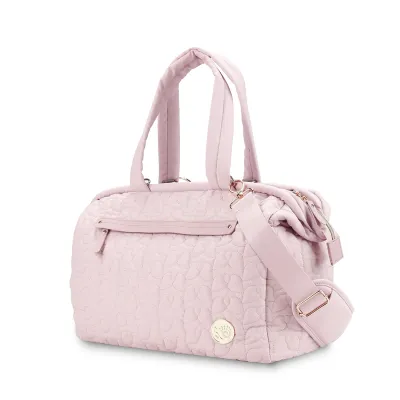
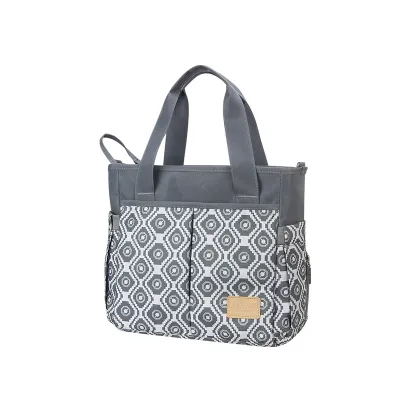
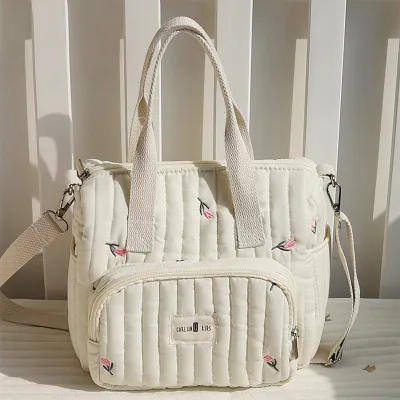
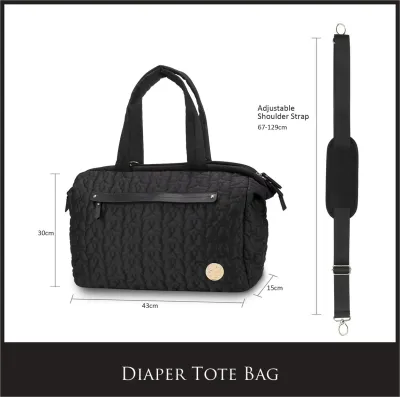
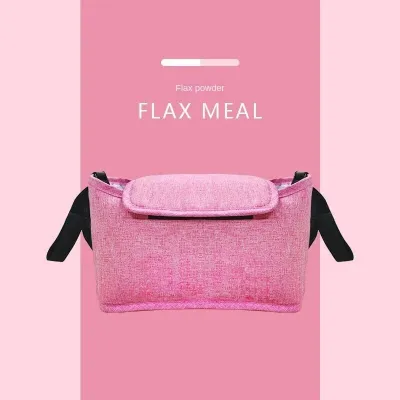
Prices are valid at publication and may change. Please refer to the product page for the latest price.

To assess real-world capacity, look closely at these critical storage checkpoints on product specification pages:
- Main Compartment Access: Slings with a wide clamshell opening allow the front panel to fold down completely, giving you a full view of your items so you do not have to dig blindly. In contrast, simple top-zip or magnetic roll-top closures offer faster one-handed access but can make it difficult to locate small items at the bottom of the bag.
- Dedicated Pockets: Verify the size and placement of specialized compartments. If you bottle-feed, look for insulated pockets that can accommodate your specific bottle brands. For example, wide-neck bottles or square-shaped models like Hegen require wider, more flexible pockets than standard narrow-neck bottles. Additionally, quick-access parent pockets for your phone, keys, and transit cards keep personal items separate from baby gear.
- Expansion Features: Check if the sling includes external attachment points, such as integrated stroller straps, carabiner loops, or D-rings. These allow you to clip on external items like pacifier pods, hand sanitizers, or a rolled-up swaddle, effectively offloading internal space when the main compartment is fully packed.
Always cross-reference the bag’s listed internal dimensions with the physical items you carry daily. Measure your preferred diaper brand, portable wipe containers, and formula dispensers to ensure they will fit comfortably without stretching the zippers or seams to their limits.
Comfort and Ergonomics: Assessing Straps and Weight Distribution
Carrying baby gear in a single-strap bag introduces unique physical challenges. Unilateral loading—where weight is concentrated on one shoulder—can quickly lead to muscle fatigue, neck stiffness, and poor posture if the bag is not designed ergonomically. To prevent strain, a diaper bag sling must be worn crossbody, allowing the strap to rest comfortably across the trapezius muscle and distribute the load diagonally down to the opposite hip.
When evaluating a sling’s ergonomic design, use this checklist to assess the strap and hardware:
- Width and Padding: Look for a strap that is at least 5 centimeters wide at the shoulder point. Thicker, contoured straps distribute weight over a larger surface area, reducing localized pressure. In warm, humid climates like Singapore, prioritize straps lined with breathable 3D air-mesh padding to minimize sweat build-up and friction against your clothing.
- Adjustability: High-quality slings feature smooth, one-handed sliding adjusters or quick-release buckles. This allows you to tighten the bag securely against your back while walking or riding public transport, preventing the bag from bouncing or swinging forward when you bend over to tend to your child.
- Hardware Placement: Carefully inspect where the adjustment buckles, plastic clips, and metal rings sit when the bag is fully loaded. If these heavy components rest directly on your collarbone, shoulder blade, or hip joint, they can cause painful pressure points over time.
Keep in mind the “empty weight” of the bag itself. Slings constructed with heavy canvas, thick vegan leather, or excessive metal hardware carry a high baseline weight before you even pack a single diaper. Always check the manufacturer’s stated maximum weight limit for the bag’s construction. If you experience persistent or worsening shoulder, neck, or back pain, stop using the single-strap sling immediately and consult a healthcare professional or physical therapist.
Build Quality: Material Checkpoints and Care Requirements
A diaper bag sling must withstand daily wear, frequent spills, and varying weather conditions. Evaluating the materials and construction quality before purchasing ensures your investment lasts through multiple developmental stages. In humid environments, material choice is particularly important to prevent mold growth and fabric degradation.
Consider the practical trade-offs of common sling materials:
- Nylon and Polyester: These synthetic fabrics are highly durable, lightweight, and naturally resistant to abrasions. They are excellent for active parents who need a low-maintenance bag that can be easily wiped down.
- Canvas: While canvas offers a classic, rugged aesthetic, it is heavier and absorbs moisture quickly. In high humidity, untreated canvas is highly susceptible to mildew and staining, requiring more frequent maintenance.
- Vegan Leather: This material provides a sleek, polished look suitable for transitioning from parenting duties to professional settings. However, low-quality polyurethane (PU) leather can crack over time when exposed to heat and moisture, and it lacks the breathability of synthetic fabrics.
When checking weather resistance, understand that “water-resistant” is not the same as “waterproof.” A water-resistant sling will protect your belongings during a quick dash through a light drizzle, but a sudden tropical downpour requires more robust protection. Look for bags with sealed seams, water-repellent zipper tape, or protective storm flaps over the main openings to keep rainwater from seeping inside.
Inside the bag, prioritize light-colored, wipe-clean linings. A bright interior fabric—such as light grey, cream, or pastel—reflects light, making it significantly easier to spot small items like pacifiers or safety pins in dim environments. Finally, inspect high-stress points like strap attachments and zipper ends. Look for reinforced bar-tack stitching and durable, smooth-gliding zipper pulls that won’t catch or split when the bag is packed tight. Always verify dynamic safety claims, such as BPA-free, phthalate-free, or specific textile certifications, directly on the brand’s official website or product packaging.
Comparing Sling Design Profiles for Different Daily Routines
Diaper bag brands generally design their slings around specific structural philosophies, catering to different lifestyles, aesthetic preferences, and organizational needs. Choosing the right profile is a matter of balancing physical structure, empty weight, and storage capacity to match your family’s daily routines.
Structured Crossbody Slings
Structured crossbody slings feature built-in internal frames, stiff padded bases, and rigid internal dividers. These bags maintain their defined shape regardless of whether they are empty or packed to capacity, allowing them to stand upright when placed on a flat surface.
Choose this profile if you need to protect fragile items, such as glass baby bottles, portable breast pumps, or personal electronics. The rigid organization is ideal for parents who want a dedicated, unyielding spot for every item, preventing gear from shifting during transit.
Neither may fit if you prefer a bag that hugs your body closely or if you are highly sensitive to empty weight. The structural reinforcement adds noticeable baseline weight and creates a bulkier, less flexible footprint that can feel cumbersome in tight spaces like crowded trains or narrow cafe aisles.
Soft and Slouchy Slings
Soft and slouchy slings are constructed from flexible, lightweight fabrics like washed cotton, soft nylon, or recycled polyester. These bags have no internal frame, allowing them to conform naturally to the contours of your body and the unique shapes of the items packed inside.
Choose this profile if you prioritize a featherlight empty weight and a casual, fashion-forward appearance. They are highly packable, making them easy to fold up and store inside a larger travel suitcase or under a stroller seat when not in use.
Verify first if you require rapid access to small items. Because of their unstructured nature, these bags can easily turn into “black holes” where small items settle to the bottom. To maintain organization, you will need to use separate internal pouches, packing cubes, or diaper clutches to organize your gear.
Compact Minimalist Slings
Compact minimalist slings are ultra-streamlined, low-capacity bags designed strictly for the bare essentials. They typically feature a small main compartment and a couple of flat pockets, hugging the body closely like an oversized waist pack or a sleek chest bag.
Choose this profile if you are embarking on quick neighborhood walks, visiting local parks, or caring for an older toddler who is mostly potty-trained. They are also excellent as a secondary parent-only pack to hold your phone, wallet, and keys while the heavy baby supplies remain in a larger organizer attached to your stroller.
Neither may fit if you are in the newborn stage, managing multiple young children, or heading out for full-day excursions. The limited capacity cannot accommodate multiple changes of clothes, large formula dispensers, or bulky swaddles, requiring you to replenish supplies frequently.
Frequently Asked Questions (FAQ)
Can a sling bag completely replace a full-size diaper backpack?
A diaper bag sling can replace a full-size backpack for short outings, quick errands, or when caring for older babies who require fewer supplies. However, for full-day excursions, newborn care, or travel, a backpack remains superior due to its larger volume and dual-shoulder strap design, which distributes heavy loads more evenly across your back. Before transitioning exclusively to a sling, map out your typical daily cargo to ensure it fits comfortably within a smaller single-strap footprint.
How do I properly clean and maintain a diaper bag sling?
To clean your diaper bag sling safely, begin by emptying all compartments, shaking out loose crumbs, and vacuuming the seams. Wipe down the interior and exterior surfaces using a soft cloth dampened with warm water and a mild, baby-safe soap. Avoid using harsh chemical disinfectants, bleach, or abrasive brushes, as these can strip away water-resistant coatings, damage synthetic leather, or weaken structural seams. Always check the manufacturer’s care label for specific instructions before attempting to machine wash or tumble dry your bag, as improper laundering can void the product warranty.
Community discussion
Share your experience or ask a question. Comments are reviewed before publication.