
Quick Answer: Which Diaper Bag Layout Fits Your Routine?
Selecting the ideal diaper bag is not about finding a single universal winner; instead, the perfect diaper organizer layout depends entirely on your daily routine, packing style, and the developmental stage of your child. Caregivers who prefer a highly structured routine where every item has an assigned, unyielding home will find that brands focusing on fixed, built-in compartments offer the most intuitive experience. Conversely, families who anticipate shifting needs—or who share a single bag between multiple caregivers—will benefit far more from modular layouts featuring removable pouches, detachable caddies, or customizable dividers.
For those who prioritize a sleek, non-babyish aesthetic and long-term utility beyond the toddler years, a minimalist open cavity paired with independent packing cubes provides unmatched flexibility. Before committing to a specific design, it is essential to analyze how you move through your day, how often you transition between short errands and full-day outings, and how much gear your specific feeding and diapering routine requires. The following detailed breakdown compares these organizational philosophies to help you identify the precise structural arrangement that will simplify your daily caregiving tasks.
Core Organizational Features That Define a Good Diaper Organizer
To evaluate how different diaper bag brands compare, you must first understand the core structural features that dictate daily usability. A diaper organizer is not merely a container; it is a mobile workstation that must function seamlessly under high-stress, one-handed conditions. The physical design of these features directly impacts how quickly you can respond to a crying baby, a sudden blowout, or a feeding emergency.
Products mentioned in this guide
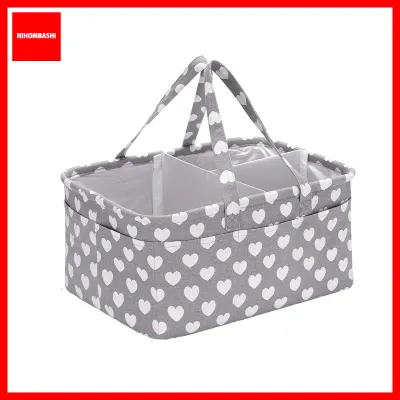
![[Local Shop] Baby Diaper Caddy Organizer Nursery Room Storage Bag](https://img.lazcdn.com/g/p/97b826d1268580040c9334c054e0a4ad.jpg_400x400q80.jpg_.webp)
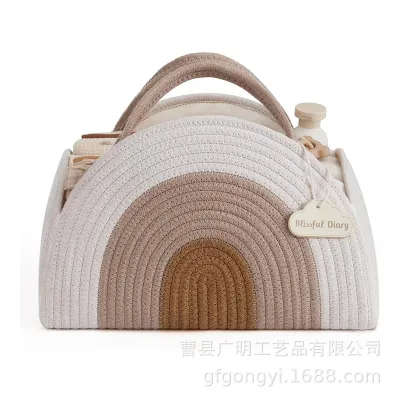
![[Ready Stock in SG] Multifunctional Baby Infant Newborn Diaper Nappy Stacker Organizer Crib Hanging bag [Little Gems]](https://img.lazcdn.com/g/p/a97d47f7037a82418a0c42d1915aba4f.jpg_400x400q80.jpg_.webp)
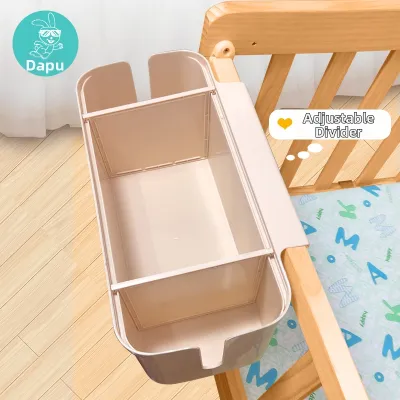
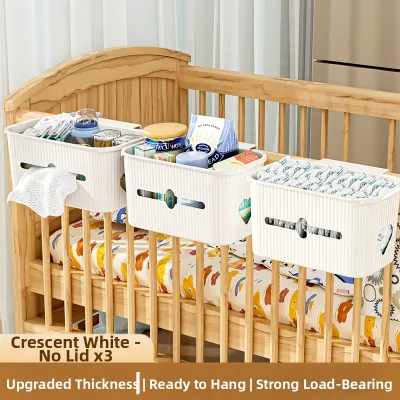
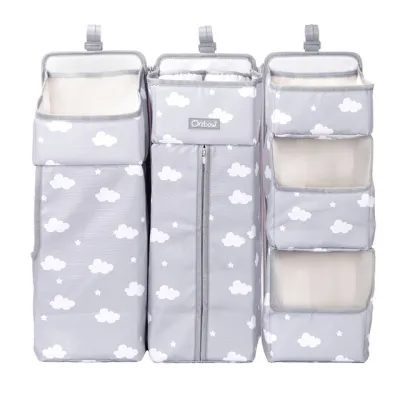
Prices are valid at publication and may change. Please refer to the product page for the latest price.

Main Compartment Openings: Clamshell vs. Top-Zip
The way a diaper bag opens determines your level of visibility and access to the interior.
- Clamshell Openings: This design features zippers that extend all the way to the base of the bag, allowing it to open flat like a suitcase. The primary advantage is total visibility; you can see every item instantly without digging. This is highly beneficial when you are using a flat surface, such as a changing table in a public nursing room. However, the trade-off is that if you need to open the bag while it is hanging from a stroller or while you are standing in a crowded space, items can easily spill out of the sides if they are not securely pocketed.
- Top-Zip Openings: Often styled like a traditional doctor's bag with a structured wire frame, top-zip openings keep the bag upright and structurally stable when open. This design prevents items from falling out during quick access on the go. The downside is the "black hole" effect; because the opening is restricted to the top, items packed at the very bottom of the main cavity are difficult to see and retrieve without removing the items layered above them.
Insulated Bottle Pockets: Internal vs. External Placement
Temperature control and spill isolation are critical when carrying breast milk, warm water for formula, or chilled baby food.
- Internal Insulated Pockets: Placing insulated pockets inside the main compartment leverages the bag's overall structure to shield bottles from external ambient temperatures. This is particularly useful in warm, humid climates where external heat can rapidly spoil milk. However, internal pockets eat into the main compartment's storage volume. Furthermore, if a bottle leaks, the liquid can migrate to clean clothes, diapers, or electronics stored in adjacent compartments.
- External Insulated Pockets: Typically integrated into the side panels or front zippered compartments, external pockets offer rapid, one-handed access without requiring you to unzip the main bag. They isolate potential leaks entirely from the interior contents. The compromise is aesthetic and physical; fully loaded external bottle pockets can make the bag's silhouette bulky, unevenly distribute weight, and make it difficult to fit the bag into tight stroller baskets.
Quick-Access Wipes Dispensers
A dedicated wipes pocket is designed to let you pull a single wipe directly from the exterior of the bag via a magnetic flap or zippered slit. While highly convenient for rapid cleanups, the utility of this feature depends heavily on compatibility. Many built-in wipes dispensers are designed to fit slim, travel-sized wipes packs. If you prefer to use bulk-sized, high-capacity wipes packs, or if your preferred brand uses a rigid plastic dispensing lid, the pack may not fit into the dedicated pocket, rendering the quick-access feature unusable.
The "Parent Zone"
A well-designed diaper organizer must protect adult essentials—such as smartphones, wallets, keys, and tablets—from baby-related messes. A dedicated parent zone should be physically separated from the main baby compartment by water-resistant barrier fabrics. Key design elements to look for include key leashes (which prevent fumbling at your front door while holding a sleeping baby), soft felt-lined pockets for sunglasses or screens, and secure zippered pockets positioned against your back for theft prevention during travel.
Comparing Compartment Layouts by Brand Design Philosophy
Rather than analyzing dozens of individual models, it is highly practical to group popular diaper bag brands into three primary design philosophies. Each philosophy represents a distinct approach to internal organization, carrying unique advantages and functional limitations.
Fixed Built-In Compartments (The "Place for Everything" Approach)
Brands adhering to this philosophy design their bags with an extensive network of permanently stitched internal pockets, elasticized mesh dividers, zippered wall compartments, and dedicated slots. Every common baby item—from pacifiers and diaper rash creams to tablets and swaddles—has a pre-determined, labeled, or structurally optimized home.
This rigid structure is exceptionally beneficial for maintaining order. It prevents items from shifting during transit, ensuring that heavy items do not crush delicate snacks or sterile pacifiers. Restocking the bag becomes highly intuitive; a quick glance at the empty pockets immediately alerts you to what is missing before you leave the house. Additionally, because the pockets are fixed to the interior walls, the center of gravity remains stable, making the bag more comfortable to carry over long periods.
However, this layout lacks adaptability. The fixed dimensions of the internal pockets mean that if you change bottle brands, transition to larger food containers, or need to pack a bulky breast pump, the pockets may be too small or awkwardly shaped to be useful. As your baby grows into a toddler and your packing list shifts from diapers and bottles to toys, change of clothes, and lunchboxes, these small, specialized compartments can become redundant, leaving you with a bag that feels cramped despite having a large nominal volume.
Modular and Removable Organizers (The "Customize Your Space" Approach)
Modular diaper bags offer a hybrid solution, featuring detachable internal caddies, clip-in divider walls, Velcro-backed panels, or color-coded matching pouches that secure directly to the bag’s interior. This design philosophy allows you to reconfigure the internal layout on a day-to-day basis depending on your specific destination and cargo.
For example, if you are heading out for a quick diaper change at a local café, you can detach the integrated diapering clutch or caddy and leave the heavy main backpack with your partner or attached to the stroller. If you are traveling, you can remove the bottle dividers entirely to create a wide-open space for clothing. This adaptability extends the lifespan of the bag, allowing it to transition seamlessly from the intensive newborn phase to the active toddler years and eventually into a standard travel or work bag.
The primary trade-off of modular systems is physical weight and bulk. The hardware required to make compartments removable—such as heavy-duty zippers, snap buttons, thick Velcro strips, and double-walled lining fabrics—adds significant dead weight to the bag before you even begin packing. Furthermore, loose modular components can be easily misplaced when not in use, and repeatedly tearing Velcro dividers can cause premature wear on the bag’s internal lining.
Minimalist Open Cavities with Pouches (The "Flexible but Unstructured" Approach)
Popular among fashion-forward and minimalist brands, this philosophy features a large, undivided main compartment with minimal built-in pocketing. Instead of relying on the bag’s structure to organize your gear, you are expected to use independent packing cubes, wet bags, and pouches to categorize and store your items.
This approach offers the absolute maximum usable packing volume because there are no fabric dividers or foam walls eating up valuable interior space. It easily accommodates unusually shaped or bulky items, such as winter jackets, large toys, or a full-sized laptop. Cleaning is exceptionally simple; because the interior is a single open cavity, you can easily pull the lining inside out to shake out crumbs or wipe down spills. Externally, these bags often maintain a sleek, sophisticated aesthetic that does not look like a traditional diaper bag.
However, this layout carries a high risk of internal chaos if you do not pack systematically. Without the discipline of using separate pouches, items will inevitably migrate to the bottom of the bag, forcing you to rummage blindly during urgent situations. Furthermore, purchasing high-quality, matching organizational pouches or standalone diaper organizer inserts adds to the overall financial investment of the bag.
Practical Comparison: How Different Layouts Handle Daily Scenarios
To understand how these design philosophies translate to real-world caregiving, we can analyze their performance across three common, high-pressure daily scenarios.
Scenario 1: Quick Diaper Changes in Public Restrooms
When managing a diaper blowout in a cramped public restroom with limited counter space, speed and accessibility are paramount.
- Fixed Built-In Layouts: These excel if they feature a dedicated, externally accessible diapering pocket. You can unzip a single compartment to access a changing mat, wipes, and a clean diaper without exposing the rest of your bag's contents to a public restroom environment.
- Modular Layouts: These offer excellent utility by allowing you to detach a self-contained diapering caddy or clutch. You can leave the bulky main bag attached to your stroller and carry only the lightweight caddy to the changing table, keeping your hands relatively free.
- Minimalist Open Layouts: These can be challenging in this scenario. If your diapering supplies are stored in a pouch at the bottom of a deep, unstructured bag, you must use one hand to hold your baby and the other to dig through the main compartment, which can be highly stressful.
Scenario 2: Feeding on the Go
Whether you are bottle-feeding expressed breast milk, preparing warm formula, or dispensing pureed baby food, temperature maintenance and quick retrieval are essential.
- Fixed Built-In Layouts: These provide immediate access to bottles via dedicated insulated pockets, but you are constrained by the pocket's physical dimensions. If you use wide-neck or extra-tall bottles, they may fit too tightly, making one-handed extraction difficult.
- Modular Layouts: These allow you to position the bottle holder in the most convenient location inside the bag or remove it entirely when transitioning to solid foods, solidifying their value as a long-term investment.
- Minimalist Open Layouts: These require you to use independent insulated bottle sleeves. While this allows you to choose a sleeve that perfectly matches your specific bottle brand, the loose sleeve can easily tip over inside the open cavity, leading to potential leaks if not packed tightly against other items.
Scenario 3: Parent Essentials Management
Protecting personal items from baby-related spills—such as leaking milk, crushed snacks, or soiled clothing—is a daily necessity.
- Fixed Built-In Layouts: These offer the highest level of protection by utilizing physically isolated, exterior-facing "parent pockets" that keep electronics and keys completely separate from the wet and messy baby zones.
- Modular Layouts: These often feature a removable pouch for personal items, which is convenient if you need to hand the baby bag to a caregiver but want to keep your wallet and keys with you. However, you must remember to secure the pouch to prevent it from getting buried.
- Minimalist Open Layouts: These rarely feature adequate separation. If a bottle leaks or a food pouch bursts inside the main open cavity, your personal items are highly vulnerable to damage unless they are stored in their own waterproof pouches.
Layout Style Comparison Table
| Layout Style | Best For | Potential Drawback | Key Scenario Performance |
|---|---|---|---|
| Fixed Built-In | Caregivers who want immediate, structured access and visual restocking cues. | Inflexible; cannot accommodate oddly shaped or bulky items as the baby grows. | Excellent for rapid diaper changes; bottle pocket access is fast but size-restricted. |
| Modular & Removable | Families seeking a highly adaptable, long-term bag shared between caregivers. | Added physical weight and bulk from connecting hardware; parts can be lost. | High utility for feeding transitions; allows carrying only the diapering caddy. |
| Minimalist Open Cavity | Parents prioritizing a sleek aesthetic, travel utility, and custom pouch systems. | Prone to internal clutter; requires separate purchases to achieve organization. | Requires systematic pouch packing; high risk of items migrating to the bottom. |
How to Choose the Right Diaper Bag Organization for You
To narrow down your choices and select the most practical diaper organizer layout for your family, utilize the following structured decision framework based on your lifestyle and packing preferences.
Choose a Fixed Built-In Layout If:
- You thrive on a highly structured packing routine and want to know exactly where every item is without looking.
- You prefer a ready-to-go organizational system out of the box and do not want to purchase additional packing accessories.
- You primarily take short, predictable outings where your packing list remains consistent from day to day.
- You want to minimize the time spent packing and restocking your bag before leaving the house.
Choose a Modular Layout If:
- Your daily activities vary widely, ranging from quick neighborhood walks to full-day trips requiring different sets of gear.
- Multiple caregivers with different organizational preferences will be sharing and carrying the same bag.
- You view the diaper bag as a long-term investment and want it to adapt from the newborn stage through toddlerhood and preschool.
- You highly value the ability to detach a small, self-contained diapering clutch for quick restroom trips.
- You do not mind carrying a slightly heavier bag in exchange for maximum configuration flexibility.
Choose a Minimalist Open Layout If:
- You already use a comprehensive system of packing cubes or pouches and prefer to organize your gear your own way.
- You want a bag that does not look like a traditional diaper bag and can transition seamlessly into a work tote, gym bag, or carry-on travel bag.
- You frequently carry bulky, non-standard items such as a laptop, camera gear, or winter clothing.
- You prioritize ease of cleaning and want to be able to wipe down the entire interior cavity quickly.
Critical Verification Checks Before Purchasing
Before finalizing your purchase, perform these essential verification checks against the manufacturer’s official product documentation:
- Bottle Dimension Compatibility: Measure the outer diameter and height of your preferred baby bottles (including any silicone sleeves or handles) and compare them directly with the dimensions of the bag's insulated pockets. Do not assume standard bottles will fit specialized or narrow pockets.
- Wipes Pocket Sizing: If the bag features a quick-access wipes dispenser, verify if it accommodates standard, full-sized wipes packs (typically 80-wipe counts) or if it is restricted to slim, travel-sized packs.
- Weight Limits and Stroller Safety: Check the manufacturer's specified weight limits, particularly for the stroller straps. Hanging an overpacked, heavy diaper bag on a stroller handlebar can cause the stroller to tip backward, posing a significant safety hazard to your child. Always follow the stroller manufacturer's weight distribution guidelines.
- Material Care and Cleaning: In warm, humid climates, damp fabrics are highly susceptible to mold and mildew. Verify if the bag's lining is water-resistant, if it can be pulled completely inside out for thorough drying, and whether the manufacturer recommends spot cleaning, hand washing, or machine washing.
- Warranty Conditions: Review the brand's warranty policy regarding zipper failures, strap tearing, and hardware defects, as diaper bags experience significant daily wear and tear over several years of use.
Frequently Asked Questions (FAQ)
Can I add my own diaper organizer insert to a minimalist diaper bag?
Yes, you can easily convert a minimalist open-cavity bag or a standard fashion tote into a highly functional diaper bag by adding an aftermarket diaper organizer insert. Before purchasing an insert, measure the interior base dimensions (length, width, and height) of your bag to ensure a snug fit. Look for inserts made of lightweight, water-resistant materials like nylon or felt, and prioritize models with structured bases to prevent the insert from collapsing. Additionally, check if your bag has internal D-rings or key clips that can be used to anchor the insert and prevent it from shifting while you are walking.
Do insulated bottle pockets actually keep milk cold?
Built-in insulated bottle pockets are designed to slow down heat transfer, but they do not function as active refrigerators. In warm, tropical climates, an insulated pocket will typically keep a pre-chilled bottle cool for only a few hours. If you plan to be outdoors for an extended period, you should always place a compact gel ice pack inside the insulated pocket alongside the bottle. To ensure infant health and safety, always adhere to official medical guidelines regarding the safe storage and consumption times for expressed breast milk and prepared infant formula.
Community discussion
Share your experience or ask a question. Comments are reviewed before publication.