
A diaper bag is an essential piece of baby gear for navigating outings in Singapore’s humid climate and busy urban spaces. The ideal choice is not a single “best” brand, but rather the one that aligns with your specific lifestyle, budget, and durability requirements. To find the right fit, parents must weigh build quality (such as water-resistant nylon versus premium vegan leather), functional features (like insulated bottle pockets and stroller attachments), and price tiers ranging from budget-friendly options to premium designer investments.
By analyzing how different brand profiles design their bags, you can select a model that supports your daily routine, whether you are commuting via the MRT, navigating narrow mall aisles, or planning long weekend trips.
Quick Answer: Matching Diaper Bag Brands to Your Parenting Style
No single diaper bag brand is objectively superior across all metrics. Instead, the market is divided into distinct segments designed to cater to different parenting styles and needs. Your choice should depend on how you plan to use the bag, how long you expect it to last, and your aesthetic preferences.
Products mentioned in this guide
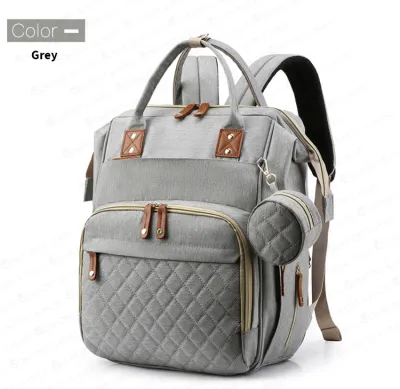
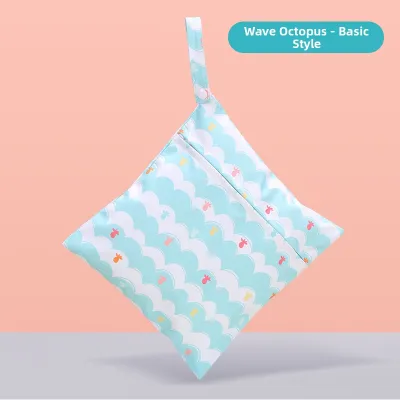
Prices are valid at publication and may change. Please refer to the product page for the latest price.
For parents who prioritize maximum durability and plan to use the same bag for multiple children, investing in premium brands that use high-grade materials like ballistic nylon or top-tier vegan leather is often the most cost-effective decision in the long run. These brands focus on structural integrity, reinforced stress points, and robust hardware that can withstand years of daily wear.
Conversely, if you prefer a lightweight, highly functional bag for quick daily trips around Singapore’s neighborhood malls, a mid-range brand focusing on water-resistant fabrics and practical, multi-pocket layouts may be the ideal choice. These bags balance weight and organization without the added cost of luxury branding or heavy materials.
For those on a strict budget or looking for a secondary bag to keep in the car or leave with a caregiver, entry-level options provide basic carrying capacity. However, these require closer inspection of structural elements to ensure they can handle the weight of daily baby essentials.
Key Comparison Dimensions: Quality, Features, and Value
When comparing diaper bag brands, evaluating them across three core pillars—quality, features, and overall value—helps strip away marketing hype and reveals how a bag will actually perform in daily life.

Quality refers to the physical construction of the bag. It encompasses the durability of the outer shell, the water resistance of the inner lining, the strength of the zippers, and the comfort of the carrying straps. High-quality construction ensures the bag does not sag, tear, or lose its shape when loaded with heavy bottles, spare clothes, and personal items. In Singapore’s humid climate, quality also means selecting materials that resist mold, mildew, and color fading over time.
Features dictate the bag’s daily usability. This dimension looks at how intuitively the bag is organized. A well-designed diaper bag goes beyond simply having many pockets; it places them where parents can access them one-handed while holding a baby. This includes dedicated quick-access wipe dispensers, insulated compartments to maintain milk temperature, secure parent pockets for valuables, and integrated stroller attachments.
Price and Value represent the relationship between what you pay and what you get in return. True value is not just about the lowest price tag; it is about the cost-per-use over the bag’s lifespan. A moderately expensive bag that lasts through toddlerhood and can be repurposed for travel offers higher long-term value than a cheap bag that requires replacement after a few months due to a broken zipper or torn seam. Value also factors in brand warranties, customer service, and the inclusion of essential accessories like changing mats and insulated pouches.
Assessing Build Quality and Material Durability
Evaluating build quality requires looking closely at the materials and construction techniques used by different brands. The choice of exterior fabric directly affects the bag’s weight, aesthetic, and resistance to the elements.
Water-Resistant Nylon and Polyester: These synthetic fabrics are highly popular for mid-range and premium diaper bags because they are lightweight, exceptionally durable, and easy to wipe clean. High-density weaves, such as ballistic nylon, offer superior puncture and tear resistance. These fabrics are ideal for Singapore’s frequent rain showers, as water typically beads off the surface rather than soaking through to the clean clothes inside.
Vegan Leather (Polyurethane/PU): Many premium brands use high-quality vegan leather to achieve a sophisticated, non-babyish look. While vegan leather is highly water-resistant and easily cleaned with a damp cloth, its quality varies significantly. High-grade PU leather remains supple and resists cracking even under sun exposure, whereas low-quality alternatives may peel, crack, or feel stiff. Note that vegan leather bags are generally heavier than their nylon counterparts before any items are packed inside.
Canvas and Cotton Blends: Canvas offers a classic, casual aesthetic and is highly durable. However, untreated canvas is prone to staining and absorbs moisture easily, which can lead to musty odors in humid conditions. If choosing a canvas bag, verify that the manufacturer has applied a water-resistant coating or look for blended fabrics designed for outdoor use.
Hardware and Closures: The longevity of a diaper bag often depends on its hardware. Look for heavy-duty metal zippers (such as YKK zippers) that glide smoothly without catching. Plastic zippers are more prone to teeth misalignment under pressure. D-rings, strap adjusters, and magnetic clasps should feel solid and secure. Magnetic closures are convenient for quick access, but they must be strong enough to stay shut when the bag is fully packed.
Structural and Ergonomic Elements: Examine the stitching at load-bearing points, such as where the shoulder straps attach to the main body. Look for reinforced box-X stitching or metal rivets. Padded, breathable mesh shoulder straps are essential for backpack-style bags to distribute weight evenly and prevent discomfort during long walks. Base studs (metal or plastic feet) on the bottom of the bag are another indicator of quality; they keep the fabric off dirty floors and reduce wear on the base. Always check the manufacturer’s specified maximum weight limits to avoid overloading the suspension system.
Comparing Features: Daily Essentials vs. Premium Add-Ons
Diaper bag features range from basic organizational pockets to specialized accessories designed for specific lifestyles. Understanding the difference between essential utility and premium add-ons helps you avoid paying for features you may never use.
Essential Organization and Accessibility
At a baseline, any functional diaper bag must provide smart, accessible organization. This starts with a wide-opening main compartment—often utilizing a structured doctor-bag frame—that stays open on its own so you can see all contents at a glance.
Insulated bottle pockets are a crucial baseline feature. These pockets are lined with thermal material to help maintain the temperature of breast milk, warm water, or formula bottles during outings. Look for brands that offer multiple insulated pockets that are wide enough to accommodate various bottle brands.
A dedicated, wipe-clean changing mat is another essential. It should be compact enough to fit neatly inside the bag without taking up excessive space, yet padded enough to provide comfort on hard public changing tables. Additionally, quick-access exterior pockets for parent essentials—such as keys, wallets, and mobile phones—prevent you from having to rummage through baby gear during a transaction or phone call.
Advanced and Lifestyle-Specific Features
Premium and specialized mid-range brands often differentiate themselves by offering advanced features tailored to specific travel and daily routines.
Integrated Stroller Clips and Straps: These allow you to hang the diaper bag securely from your stroller’s handlebar, freeing up the under-seat basket for shopping. It is important to ensure these clips are robust and that hanging the bag does not make your specific stroller model tip backward.
Luggage Sleeves: For parents who travel frequently, a built-in luggage sleeve (or trolley sleeve) on the back of the bag allows it to slide securely over the handle of a rolling suitcase, streamlining airport navigation.
Convertible Carrying Styles: Some bags feature modular strap systems that allow them to convert seamlessly from a backpack to a tote, shoulder bag, or crossbody bag. This versatility is highly useful if multiple caregivers with different carrying preferences share the same bag.
Tech Compartments: Modern diaper bags often include padded laptop or tablet sleeves, recognizing that parents may need to carry work devices alongside baby gear, or transition the bag into a work backpack later on.
Evaluating Feature Utility
While advanced features sound appealing, they add weight, bulk, and cost to the bag. To maximize your investment, prioritize features that match your actual daily routine.
For example, if you primarily use a baby carrier rather than a stroller, heavy-duty stroller clips are less important than thick, ergonomic backpack straps that distribute weight comfortably across your shoulders. If you feed your baby exclusively with formula, having multiple large insulated pockets is highly beneficial for carrying pre-measured warm water flasks. Conversely, if you are nursing directly, those pockets might go unused and take up space that could be better allocated to clothing storage.
Before purchasing, verify the bag’s compatibility with your existing gear. Check that the stroller straps fit your stroller’s handlebar diameter, and confirm that the diaper bag’s dimensions comply with standard airline carry-on limits if you plan to use it for travel.
Understanding Price Tiers and Long-Term Value
Diaper bags in Singapore span a wide price spectrum. Understanding what each tier offers helps you set a realistic budget based on your expectations for materials, durability, and brand support.
Budget and Entry-Level Tier: Typically found on online marketplaces, these bags focus on basic functionality. They often use standard polyester fabrics and lightweight plastic hardware. While they are highly affordable and come in a wide variety of trendy designs, they may lack reinforced stitching and durable zippers. If choosing a budget bag, inspect the seams and zipper action carefully upon receipt, and avoid overloading the bag to prevent premature tearing.
Mid-Range Tier: This is the sweet spot for the majority of parents. Brands in this tier offer a balanced combination of durable, water-resistant fabrics (like high-density nylon), reliable hardware, and thoughtful organizational layouts. They frequently include high-quality changing mats, insulated bottle holders, and stroller attachments as standard. Mid-range brands also tend to offer better customer support, clearer product warranties, and materials that are thoroughly tested for safety and wear resistance.
Premium and Designer Tier: Positioned at the top of the market, these bags are characterized by luxury materials, such as premium vegan leather, top-grade hardware, and sleek, minimalist designs that do not look like traditional diaper bags. They are built to transition seamlessly into professional or travel bags long after your child outgrows diapers. Premium brands often provide extended warranties and superior structural longevity, though a portion of the cost is associated with brand prestige and aesthetic design.
To assess true value, calculate the potential cost-per-use. A premium or high-quality mid-range bag that costs more upfront but lasts through multiple children or transitions into a travel backpack offers excellent value over several years. When purchasing, always buy from official brand stores or authorized retailers in Singapore to ensure you receive a genuine product and are covered by the manufacturer’s official warranty and return policies.
Decision Framework: Which Brand Profile Should You Choose?
To simplify your decision, use this conditional framework to match your parenting needs to the correct diaper bag category.
Choose a Mid-Range Functional Brand if:
- You want a durable, lightweight daily bag that can handle the wear and tear of active parenting.
- You prioritize practical, easy-to-clean materials like water-resistant nylon over luxury aesthetics.
- You require comprehensive built-in organization, including insulated pockets and quick-access wipe compartments, without paying a premium for designer labels.
Choose a Premium or Designer Brand if:
- You want a diaper bag that complements your professional or personal style and does not look out of place in a business or fine dining setting.
- You plan to use the bag as a personal travel backpack or work bag after your child's diapering years are over.
- You value premium materials like high-grade vegan leather and heavy-duty metal hardware, and are willing to accept a slightly heavier starting weight for superior aesthetics and longevity.
Choose a Budget-Friendly Brand if:
- You need a secondary diaper bag to keep as a backup in your car, at a grandparent's house, or with a temporary caregiver.
- You are on a strict budget and prefer to allocate your baby gear funds toward high-priority safety items like car seats or strollers.
- You are comfortable with basic material durability and are willing to handle the zippers and straps with extra care to prevent damage.
Before Finalizing Your Purchase, Verify That:
- The bag's dimensions and attachment mechanisms are fully compatible with your stroller model to prevent tipping hazards.
- The shoulder straps offer adequate padding and breathability, especially if you have existing back, neck, or shoulder discomfort.
- The manufacturer's care instructions align with your maintenance preferences; some materials require specialized spot-cleaning, while others are machine-washable.
Frequently Asked Questions (FAQ)
Do I really need a dedicated diaper bag, or can I use a regular backpack?
While you can technically use a regular backpack, dedicated diaper bags offer significant advantages in organization and hygiene. Standard backpacks typically lack insulated pockets to keep milk or water at temperature, and they rarely feature water-resistant, wipe-clean linings to contain accidental spills or soiled clothes. Furthermore, dedicated diaper bags are designed with integrated stroller attachments and wide-mouth openings that allow you to access items quickly with one hand—a crucial convenience when managing a baby in public spaces. Regular backpacks often lack the structural support needed to keep heavy baby gear upright, leading to items shifting and spilling inside.
How do I clean and maintain a diaper bag to extend its lifespan?
To maintain your diaper bag, always check the manufacturer’s care label first, as cleaning methods vary by material. For nylon and polyester bags, regular spot-cleaning with a damp cloth and mild, baby-safe detergent is usually sufficient; do not submerge or machine-wash unless explicitly permitted by the care instructions, as this can degrade water-resistant coatings. For vegan leather bags, wipe down the exterior with a soft, damp cloth and avoid harsh chemical cleaners that can cause the material to peel or crack. Always allow the bag to air-dry completely in a well-ventilated, shaded indoor area before storing it, and regularly check the zippers and hardware for signs of wear or debris that could impede smooth operation.
Community discussion
Share your experience or ask a question. Comments are reviewed before publication.