
Choosing the right diaper bag backpack in Singapore requires a careful balance between storage volume and protective design. There is no single brand that fits every family perfectly. The ideal choice depends on whether your daily routine demands meticulous internal organization or rugged weatherproofing to withstand the elements.
Premium baby-gear brands typically prioritize specialized compartments, structured layouts, and dedicated pockets for every infant accessory. In contrast, outdoor-inspired or heavy-duty brands focus on robust weatherproofing, flexible volume, and durable exterior fabrics.
By understanding how different brand designs handle storage and environmental protection, you can select an archetype that aligns with your lifestyle. This guide breaks down the essential features to look for and provides a structured decision framework to help you make an informed choice.
Products mentioned in this guide
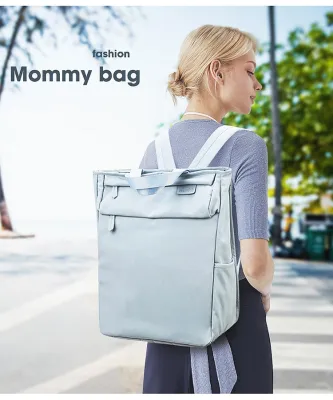
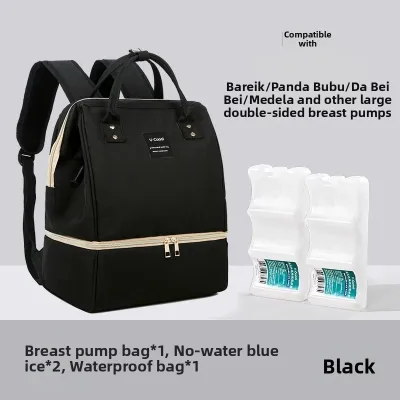
Prices are valid at publication and may change. Please refer to the product page for the latest price.
Why Singapore's Environment Demands Specific Protection Features
Singapore’s tropical climate presents unique challenges for carrying baby gear. With high humidity levels often exceeding 80 percent and sudden, torrential downpours throughout the year, a standard canvas backpack can quickly leave your baby’s clean clothes and diapers damp. Moisture-resistant exterior fabrics are essential to prevent water from seeping into the main compartment during a sudden monsoon shower.
Furthermore, the local humidity creates a breeding ground for mold and mildew if wet items are not isolated. If you travel frequently along the Park Connector Network (PCN) or spend afternoons at outdoor playgrounds, your bag will be exposed to sweat, dirt, and rain. A diaper bag with a quick-drying, water-repellent exterior ensures that moisture does not linger on the fabric.
Navigating the urban transit network also introduces rapid temperature fluctuations. Transitioning from the humid, 32°C outdoor heat into a heavily air-conditioned MRT train or a chilly shopping mall can cause rapid cooling. These temperature shifts can impact prepared milk or warm water stored in your bag, making reliable thermal insulation a critical requirement.
Because baby items like pacifiers, teats, and sterile bottles must remain hygienic, the diaper bag acts as a primary shield against environmental contaminants. Dust, soot from urban traffic, and ambient moisture can compromise the cleanliness of your baby’s feeding accessories. Consequently, protective features are just as vital as raw storage capacity when evaluating different brands.
Evaluating Protection: What Makes a True Baby Protector Backpack?
To find a diaper bag that offers genuine protection, you must look closely at the materials, construction methods, and specialized compartments. A high-quality baby protector backpack should safeguard its contents from external weather, maintain safe temperatures for food, and prevent cross-contamination between clean and soiled items.

Weather and Spill Resistance
When evaluating a bag’s exterior, check the product specifications for water-repellent coatings or specialized laminates. Materials such as polyester or nylon treated with a Durable Water Repellent (DWR) finish, or fabrics featuring a Thermoplastic Polyurethane (TPU) backing, offer excellent resistance to light rain and accidental spills.
Additionally, inspect the zippers, as standard zippers are a common entry point for water. Look for bags that feature water-resistant zipper tapes or fabric flaps that cover the zipper tracks to keep moisture out.
It is important to distinguish between “water-resistant” and “waterproof” ratings. A water-resistant bag can handle light splashes and brief exposure to rain, which is usually sufficient for urban commuting. A fully waterproof bag can withstand complete submersion or prolonged torrential downpours, but these are rarer and often utilize stiffer, heavier materials. Always check the manufacturer’s documentation to verify the exact level of protection provided.
For the interior, prioritize light-colored, wipeable linings. Dark interiors make it difficult to locate small items at the bottom of the bag, while non-wipeable fabrics can absorb spilled milk or formula, leading to persistent odors and bacterial growth. A quick-wipe interior allows you to clean up spills immediately with a wet wipe, keeping the environment hygienic for your baby’s gear.
Temperature Control for Feeding
Maintaining the temperature of expressed breast milk, warm water, or baby food is a constant challenge in a hot climate. Insulated bottle pockets rely on multi-layer thermal linings, often combining aluminum foil layers with thick Expanded Polyethylene (EPE) foam to slow down heat transfer.
Before purchasing, verify the physical dimensions of the insulated pockets. Some diaper bags feature narrow pockets designed only for standard, slim-neck bottles. If you use wide-neck bottles or taller toddler sippy cups, these bottles may not fit, or they may stretch the insulation, reducing its thermal efficiency.
Properly insulated compartments help keep milk cool or water warm for several hours, but they are not a substitute for refrigeration. For long day trips in high temperatures, consider using a separate cooler bag with ice packs, and always follow safety guidelines for storing breast milk and prepared formula.
Security and Hygiene
Physical security is another aspect of protection, especially when navigating crowded transit hubs or busy shopping centers. Look for diaper bag backpacks that feature a hidden, anti-theft pocket on the back panel. Because this pocket rests directly against your back, it is an ideal, secure location for storing high-value items like your wallet, passport, and smartphone.
Hygiene protection within the bag is equally critical to prevent cross-contamination. Dedicated wet-dry compartments or integrated waterproof wet bags allow you to isolate soiled rompers, used bibs, or damp washcloths from clean diapers and feeding equipment.
By keeping dirty items sealed in a separate, impermeable zone, you protect the rest of the bag’s contents from germs and moisture. This structural separation is vital for maintaining a clean environment for items that go directly into your baby’s mouth.
Assessing Storage Capacity Beyond the Liter Count
While manufacturers often advertise diaper bags by their total capacity in liters, raw volume does not tell the whole story. How that volume is distributed and organized determines how much gear you can actually carry and how quickly you can retrieve it during an emergency.
Main Compartment vs. Organization
When choosing a bag, you will generally face a trade-off between a large, open main compartment and a highly partitioned interior. A wide clamshell or doctor-bag style opening allows the main compartment to open fully, giving you a clear view of all your bulky items. This layout is highly beneficial for packing larger gear, such as a portable breast pump, a thick winter jacket for travel, or multiple changes of clothes.
However, a large open space can lead to smaller items sinking to the bottom, forcing you to rummage through the bag when you need a pacifier or a diaper cream quickly. To prevent this, some bags offer heavily partitioned interiors with numerous small, elasticized pockets.
While these pockets keep small accessories organized, they can restrict the bag’s flexibility. If the internal pockets are filled to capacity, they project inward, reducing the usable space in the center of the main compartment.
To balance this trade-off, analyze your typical daily packing list. If you carry mostly small accessories, a highly structured bag is ideal. If you frequently carry bulky items, look for a bag with a spacious main compartment supplemented by a few well-placed, flexible pockets.
Quick-Access and External Storage
External pockets play a crucial role in expanding the functional capacity of your diaper bag without adding bulk to the main compartment. Side pockets designed with a dedicated slit for baby wipes allow you to pull out a wipe instantly without opening the entire bag. This feature is incredibly useful for cleaning up sudden messes on the go.
Deep, elasticized external side pockets are also perfect for holding a parent’s water bottle or an umbrella. Front zippered or magnetic-closure pockets provide quick access to high-frequency items like keys, transit cards, hand sanitizer, and tissues.
Many diaper bag backpacks also come equipped with integrated stroller straps or clips. Hanging the bag from your stroller handlebar frees up your shoulders and effectively increases your mobile storage capacity.
However, you must always check your stroller’s manufacturer instructions regarding weight limits. Hanging a heavy diaper bag on the handlebar of a lightweight stroller can cause the stroller to tip backward, posing a safety hazard to your child. Always ensure the stroller remains stable when the bag is attached.
Comparing Popular Brand Archetypes in Singapore
When shopping for a diaper bag in Singapore, you will find various brands available at local baby boutiques, department stores, and online marketplaces. Rather than focusing on specific, fast-changing models, it is helpful to categorize these options into three distinct brand archetypes based on how they balance capacity and protection.
Premium Organization Brands
These brands focus heavily on parent-centric convenience, offering highly structured interiors with dedicated spaces for every conceivable baby item. They frequently feature built-in, fold-out changing pads, specialized pacifier pods, and multiple insulated bottle compartments.
- Materials: Often constructed from premium nylon, polyester blends, or vegan leather. These fabrics are chosen for their refined aesthetic and ease of wiping clean.
- Protection: They offer excellent daily protection, including reliable water-resistant exterior coatings and well-insulated zones. However, they are generally designed for urban use rather than extreme weather conditions.
- Capacity: Highly structured and partitioned. While they make organizing small items effortless, they can feel restrictive if you need to pack bulky, irregularly shaped gear.
Rugged and Weather-Resistant Brands
Inspired by outdoor adventure gear, these brands prioritize durability, heavy-duty weatherproofing, and flexible storage capacity. They are designed for active parents who spend a significant amount of time outdoors or traveling.
- Materials: Built from high-denier ballistic nylon, ripstop fabrics, or heavy-duty tarpaulin. They often feature roll-top closures and highly water-resistant zippers.
- Protection: Superior weather protection. These bags can withstand heavy downpours and rough handling, making them highly resilient against tears and abrasions.
- Capacity: Highly flexible and expandable. They often feature large, open main compartments that can accommodate bulky gear easily. However, they usually have fewer built-in pockets, meaning you may need to purchase separate packing cubes or pouches to organize smaller items.
Minimalist and Convertible Brands
These brands cater to parents who prefer a sleek, modern aesthetic that does not look like a traditional diaper bag. They often feature convertible designs, allowing you to switch between a backpack, a shoulder tote, or a messenger bag.
- Materials: Often made from lightweight canvas, structured cotton blends, or premium synthetic fabrics with a matte finish.
- Protection: Streamlined and basic. They typically offer standard water resistance and simple, single-layer insulated pockets. They are best suited for short trips where extreme weather protection is not required.
- Capacity: Optimized for lighter loads. These bags are ideal for quick outings, shopping trips, or when traveling with older toddlers who require fewer supplies. They transition easily to professional or casual use once your child outgrows the need for a diaper bag.
Decision Framework: Choose the Right Backpack for Your Routine
To select the best diaper bag backpack for your family, match the brand archetypes to your daily habits, transit choices, and parenting style. Use this structured decision framework to guide your purchase:
- Choose a Premium Organization brand if: You prefer a highly structured packing system where every item has a designated spot. This archetype is ideal if you carry multiple baby bottles that require strict temperature control, frequently use public transit, and want integrated conveniences like a built-in changing pad for quick diaper changes in public restrooms.
- Choose a Rugged Weather-Resistant brand if: You lead an active lifestyle, enjoy outdoor activities like hiking or visiting parks, and need a bag that can withstand sudden tropical downpours. This option is best if you require maximum, flexible storage capacity for bulky items and do not mind using separate pouches to organize smaller accessories.
- Choose a Minimalist Convertible brand if: You primarily take short trips to local malls, use a stroller for most outings, and want a versatile, stylish bag that can transition seamlessly between baby duties and professional work environments.
- Verify before buying: Before finalizing your purchase, always check the manufacturer's website for specific warranty details. Measure your preferred baby bottles to ensure they will fit comfortably inside the bag's insulated pockets. Finally, review the care label instructions to understand the cleaning requirements for the specific materials used.
Frequently Asked Questions (FAQ)
How do I clean a water-resistant diaper bag without ruining the coating?
To clean a water-resistant diaper bag, start by emptying all compartments and shaking out any loose crumbs or debris. Wipe the exterior and interior surfaces gently using a soft, damp microfiber cloth and a small amount of mild, pH-neutral soap. Avoid using harsh chemical cleaners, bleach, or abrasive scrubbing pads, as these can strip away the protective water-repellent coating.
Do not submerge the bag fully in water or place it in a washing machine or tumble dryer unless the manufacturer’s care label explicitly states it is safe to do so. Allow the bag to air dry completely in a well-ventilated, shaded indoor area away from direct sunlight and heat sources before packing it again.
Can I use a regular hiking backpack as a diaper bag?
Yes, you can use a regular hiking backpack as a diaper bag, as they offer excellent raw storage capacity, ergonomic shoulder straps, and superior weather protection. However, standard hiking bags typically lack specialized baby-centric features, such as insulated bottle pockets to keep milk at a safe temperature, wipeable interior linings for easy cleanup of spills, and integrated stroller straps.
If you choose to use a hiking backpack, you will likely need to purchase separate accessories to compensate for these missing features. This includes buying insulated bottle sleeves, a portable changing mat, and dedicated wet-dry pouches to keep soiled clothes isolated, which can add to the overall bulk and weight of your gear.
Community discussion
Share your experience or ask a question. Comments are reviewed before publication.