
Quick Answer: Is Destin the Best Diaper Cream for Your Baby?
Choosing the right diaper rash cream is a highly individual decision, as there is no single product that serves as a universal cure-all for every baby. The ideal choice depends entirely on whether your primary goal is daily prevention, soothing mild redness, or treating a severe, stubborn flare-up. Destin (frequently recognized in its zinc oxide-based formulations like Desitin) is widely regarded as a robust, heavy-duty physical barrier cream. It is designed to seal out wetness and protect compromised skin from the harsh irritants found in soiled diapers.
While Destin excels at providing an impermeable shield, alternative formulations may be better suited for different skin types, daily cleaning routines, or minor irritation. For instance, provitamin B5 ointments are excellent for supporting the skin’s natural healing processes and are much easier to wipe away during routine changes. Meanwhile, botanical balms offer a plant-based, minimalist alternative for parents who prefer to avoid synthetic barriers on mild redness.
Regardless of which product you choose, safety must always come first. If your baby’s diaper rash is severe, bleeding, blistering, weeping, spreading rapidly, or accompanied by a fever, you should stop using over-the-counter comparisons immediately. In these cases, bypass home remedies and consult a pediatrician or qualified healthcare professional to rule out secondary infections.
Products mentioned in this guide
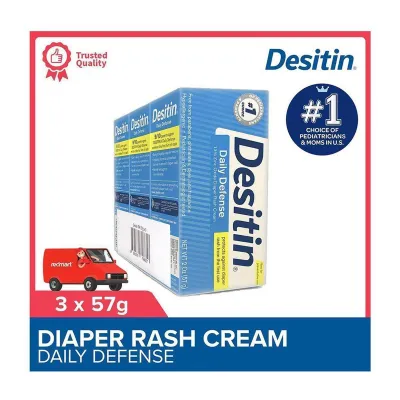
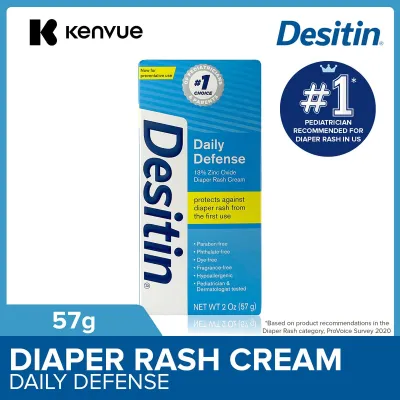
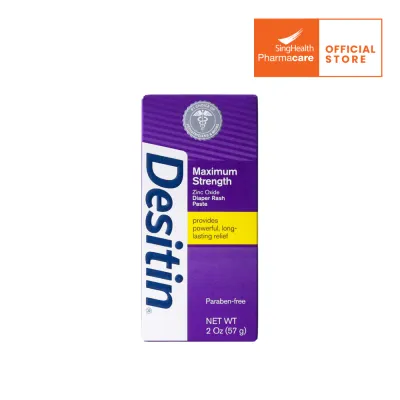
![[Bundle of 3] Desitin Daily Defense Diaper Rash Protection Cream Instantly Soothe Diaper Rash Discomfort 57g](https://img.lazcdn.com/g/p/b74ae21f7b47f8ec6b2c02dbfd829fc2.jpg_400x400q80.jpg_.webp)
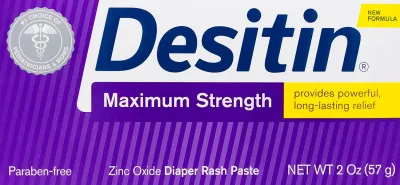
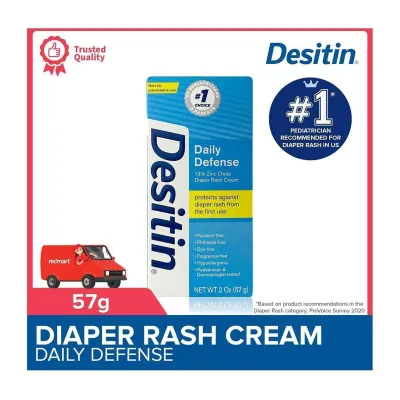
Prices are valid at publication and may change. Please refer to the product page for the latest price.
Core Dimensions for Comparing Diaper Rash Creams
To make an informed decision when browsing the baby care aisle, you must understand how to evaluate diaper creams based on their functional characteristics. Comparing products requires looking past marketing claims and focusing on three core dimensions: active ingredients, texture, and potential skin sensitizers.

Active Ingredients
The active ingredients listed on the packaging dictate how a cream interacts with your baby’s skin. The most common active components in diaper care include:
- Zinc Oxide: This mineral acts as a non-absorbable physical barrier. It sits on top of the stratum corneum (the outermost layer of skin) to block moisture, urine, and fecal enzymes from making contact with the skin. It is highly effective for active inflammation and overnight protection.
- Panthenol or Provitamin B5: Rather than simply blocking moisture, panthenol penetrates the skin to promote hydration, support cellular regeneration, and reinforce the natural skin barrier. It is commonly found in lighter, healing-focused ointments.
- Natural Oils and Waxes: Ingredients such as beeswax, shea butter, coconut oil, and sunflower seed oil provide natural emollient properties. They help soften the skin and offer a mild, breathable moisture barrier, though they generally lack the heavy-duty blocking power of zinc oxide.
Texture and Spreadability
Texture directly impacts both the level of protection a cream provides and how easy it is to use during daily diaper changes. Thick, opaque pastes containing high concentrations of zinc oxide offer the strongest, longest-lasting barrier against wetness. However, these pastes can be difficult to spread over tender skin and equally challenging to clean off. Lighter, translucent ointments or creams glide on smoothly with minimal friction and wipe away easily, making them highly convenient for frequent daytime diaper changes.
Skin Sensitivity and Additives
A baby’s skin barrier is significantly thinner and more permeable than adult skin, making it highly susceptible to contact dermatitis. When comparing creams, always inspect the ingredient list for added fragrances, parabens, alcohol, and potential allergens. Fragrances are a leading cause of cosmetic allergies in infants. If your baby has eczema-prone or highly reactive skin, verifying that a product is labeled as fragrance-free and hypoallergenic is an essential step before application.
Understanding Destin: What to Check on the Label
When evaluating Destin, it is important to recognize that the brand offers multiple formulations tailored to different stages of diaper discomfort. To select the correct option, parents must carefully examine the packaging to verify the specific variant and its corresponding active ingredient concentration.
Destin formulations generally fall into two categories: daily preventative options and maximum strength treatments. The primary differentiator between these variants is the percentage of zinc oxide. Daily defense versions typically contain a lower concentration (around 10% to 13%), resulting in a smoother, more spreadable cream that is suitable for everyday protection. Maximum strength formulations contain a much higher concentration (often up to 40% zinc oxide), creating a dense, pasty barrier designed to treat active, moderate-to-severe diaper dermatitis.
This high-zinc physical barrier is particularly useful for managing prolonged wetness, such as during overnight sleep stretches or long travel periods. Because the thick paste does not absorb into the skin, it remains intact as a protective shield even when exposed to heavy moisture. Before purchasing, always read the full ingredient list on the back of the tube to check for any specific ingredients your baby may be sensitive to, and strictly follow the manufacturer’s age and application guidelines printed on the packaging.
Destin vs. Popular Alternatives Available in Singapore
Singapore’s hot and humid tropical climate presents unique challenges for diaper area care. High ambient temperatures and humidity can accelerate sweat production and trap moisture inside the diaper, increasing the risk of friction, heat rash, and diaper dermatitis. Consequently, local parents must carefully weigh the performance of Destin against other widely available diaper care products.
Destin vs. Traditional Zinc Oxide Pastes
When comparing Destin to other traditional zinc-based barrier creams available in Singapore, such as Sudocrem, the similarities lie in their reliance on zinc oxide to form a physical shield. Both products are designed to sit on top of the skin to block external irritants.
However, the primary differences emerge in their exact formulations, textures, and packaging. While some traditional pastes are packaged in tubs, Destin is frequently sold in squeeze tubes, which many parents find more hygienic as it prevents double-dipping. Additionally, alternative zinc pastes may incorporate secondary ingredients such as lanolin (for deep moisturization), benzyl benzoate, or mild hypoallergenic fragrances. Lanolin is an excellent emollient, but it can occasionally trigger sensitivity in babies with compromised skin or wool allergies. Parents should compare the active zinc oxide percentages on the labels to determine whether they need a highly concentrated treatment or a milder, daily-use barrier paste.
Destin vs. Provitamin B5 Healing Ointments
Contrasting Destin with provitamin B5 healing ointments, such as Bepanthen, highlights two entirely different philosophies of diaper care. Destin focuses on creating an impermeable, heavy physical block to keep wetness away from the skin. In contrast, provitamin B5 ointments are designed to support the skin’s natural recovery processes from within.
Provitamin B5 formulations are typically translucent, breathable, and significantly easier to apply and wipe off than heavy zinc pastes. Because they do not leave a thick, white residue, they are highly favored for daily preventative care and managing mild redness or chafing. For optimal results, many parents adopt a hybrid approach: utilizing a lightweight B5 ointment during frequent daytime diaper changes to keep the skin hydrated and breathable, and reserving a thick zinc-based paste like Destin for overnight use when the baby will go longer periods without a change.
Destin vs. Plant-Based and Botanical Balms
For parents seeking minimalist or organic baby care, plant-based and botanical balms represent a distinct category from clinical formulations like Destin. These natural balms typically eschew zinc oxide entirely, relying instead on plant-derived lipids such as calendula, chamomile, shea butter, coconut oil, and beeswax to soothe and protect the skin.
While botanical balms are highly appealing to those wishing to avoid synthetic ingredients, they generally do not provide the same impermeable, heavy-duty moisture barrier as high-concentration zinc oxide creams. In Singapore’s humid climate, a weak barrier may allow trapped sweat and urine to penetrate the skin more quickly, potentially worsening diaper rash. Furthermore, natural does not always mean irritation-free. Botanical extracts and essential oils can sometimes act as sensitizers on broken or highly compromised skin. Parents must carefully inspect the ingredient labels of botanical balms to ensure they do not contain ingredients that could trigger allergic contact dermatitis in their child.
Price and Value: How to Compare Costs Effectively
Evaluating the cost of diaper creams in Singapore requires looking beyond the initial retail price of a single tube. Because packaging sizes and formulations vary significantly across brands, calculating the cost per gram or milliliter (S$ per 100g or 100ml) is the most accurate way to compare value.
When conducting this calculation, it is also important to factor in the product’s “yield” or application density. A highly concentrated, thick zinc oxide paste like Destin Maximum Strength requires only a small, thin layer to establish a highly effective physical barrier. This means a single tube can last substantially longer than a lighter, more fluid lotion or cream that must be applied generously and frequently to achieve a similar level of protection.
Diaper creams are widely available across Singapore at major local physical pharmacies, such as Watsons and Guardian, as well as through official brand stores on reputable online marketplaces. When purchasing online, exercise caution to ensure product safety. Always verify the authenticity of the seller, check that the packaging seals are intact upon delivery, and inspect the expiry dates. Using expired diaper cream can result in degraded active ingredients, reducing the product’s effectiveness and potentially irritating your baby’s delicate skin.
The Final Verdict: Which Cream Should You Choose?
To simplify your decision, use this condition-based framework to select the most appropriate diaper cream for your baby’s current skin needs:
- Choose Destin (or high-zinc pastes) if: Your baby is currently experiencing an active, moderate-to-severe diaper rash, is prone to heavy wetting during long overnight sleep stretches, or requires a highly durable, impermeable physical barrier to withstand Singapore's humid climate.
- Choose Provitamin B5 ointments if: You are looking for a lightweight, breathable, and easily absorbed cream for daily preventative maintenance that can be wiped away quickly and cleanly during routine daytime diaper changes.
- Choose Botanical balms if: You prefer plant-derived, minimalist ingredients, your baby’s skin is currently healthy or only mildly pink, and you have verified through careful label reading that your baby has no known sensitivities to the specific plant extracts used.
- Verify first / Stop and consult a doctor if: The diaper rash is severe, bleeding, peeling, blistering, weeping, accompanied by a fever, or does not show noticeable improvement after two to three days of consistent care. Under these circumstances, seek professional medical advice rather than continuing to experiment with over-the-counter creams.
Frequently Asked Questions (FAQ)
Can I use Destin diaper cream on a newborn?
You must check the specific product packaging for age recommendations and guidelines before applying any cream to a newborn. A newborn’s skin is exceptionally thin, delicate, and highly permeable, making it more sensitive to active ingredients and potential irritants. While zinc oxide is generally recognized as safe, many pediatricians recommend using fragrance-free, minimalist formulations or consulting a healthcare professional before applying heavy barrier creams during the first few weeks of life.
Do I need to wipe off all the diaper cream during every change?
It is generally unnecessary—and often counterproductive—to scrub off every trace of clean, unsoiled zinc oxide paste during a diaper change. Aggressive wiping can cause friction, which further irritates and damages your baby’s delicate skin barrier. Instead, gently wipe away the soiled top layer of cream along with any waste using a soft, damp cloth or water-based wipe. Leave the clean, remaining base layer of cream intact on the skin, and simply apply a fresh layer directly over it. For lighter, translucent ointments, a standard gentle wipe is typically sufficient.
What should I do if the diaper rash does not improve?
If your baby’s diaper rash does not improve after two to three days of consistent diaper changes and cream application, or if it worsens, spreads beyond the diaper area, or shows signs of infection, you should stop using over-the-counter creams and consult a pediatrician immediately. Signs of infection include yellow crusting, pus-filled blisters, bleeding, or extreme pain when touched. These symptoms often indicate a fungal (yeast) or bacterial infection, which cannot be cured by standard barrier creams and requires a targeted prescription treatment.
Community discussion
Share your experience or ask a question. Comments are reviewed before publication.