
Dealing with diaper rash is a common challenge for parents raising babies in Singapore’s tropical climate. The combination of constant moisture, friction from diapers, and the region’s year-round high humidity creates an environment where sensitive skin can easily become irritated. Finding the right diaper cream is essential to keep your baby comfortable and prevent minor redness from developing into a painful rash.
With popular brands like Desitin, Bepanthen, and Sudocrem widely available, deciding which product to buy can feel overwhelming. Each of these brands uses a different formulation strategy to protect and soothe your baby’s delicate skin. Understanding how their active ingredients, textures, and barrier mechanisms perform under different conditions is the key to making the best choice for your little one.
Quick Answer: Which Diaper Cream Should You Choose?
To make a quick and effective decision, you should match the diaper cream to your baby’s current skin condition and immediate environmental needs.
Products mentioned in this guide
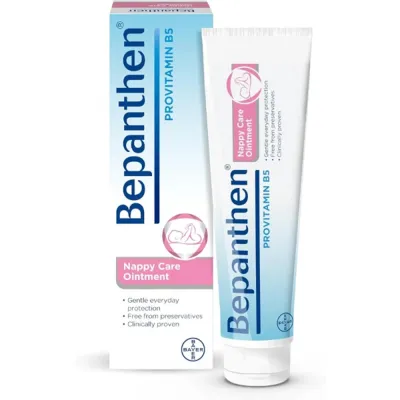
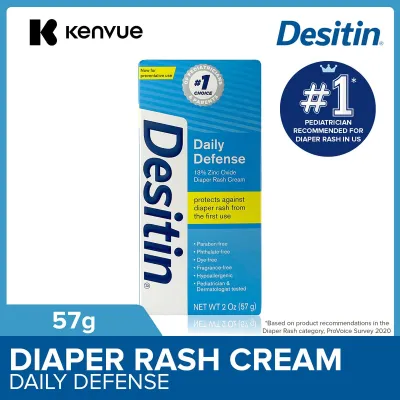
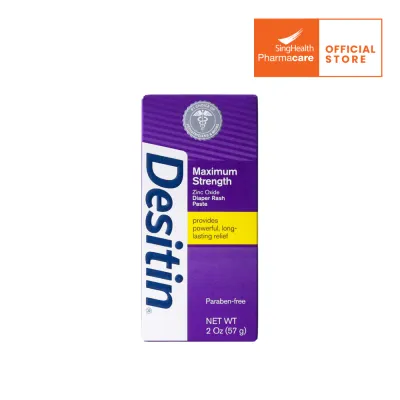
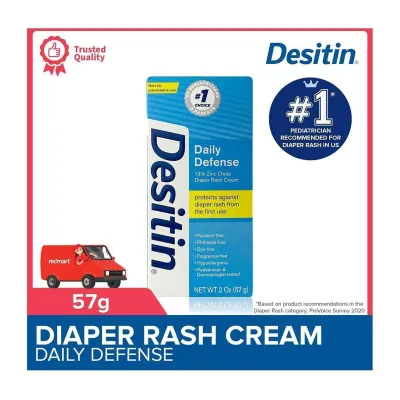
Prices are valid at publication and may change. Please refer to the product page for the latest price.
Choose Desitin if your baby is currently dealing with moderate to severe redness, or if you need a heavy-duty physical barrier for overnight use. Its zinc oxide-based formula creates a thick, resilient shield that blocks wetness and prevents friction during long stretches of sleep.
Choose Bepanthen if you are looking for an everyday preventative ointment that supports the skin’s natural healing process. Its lighter, breathable formulation is ideal for daily application after every diaper change, especially in humid weather where heavy pastes might trap excess heat.
Choose Sudocrem if you want a versatile, multi-purpose cream that calms mild to moderate inflammation while providing a reliable moisture barrier. It is particularly useful for soothing red, irritated patches and can be kept on hand as a family-friendly skin protectant.
Please keep in mind that diaper creams are designed for prevention and the management of minor, non-infected skin irritation. Before applying any product, always read the manufacturer’s packaging instructions and check for age suitability, weight limits, or specific warnings. If your baby’s skin is broken, bleeding, oozing, or shows signs of infection, stop home treatment immediately and consult a pediatrician or qualified healthcare professional.
Meet the Contenders: Core Formulations and Purposes
Every parent’s diapering kit benefits from a reliable barrier cream, but the ideal choice depends on what active ingredients are doing the heavy lifting. Let us examine the design philosophies behind Desitin, Bepanthen, and Sudocrem to see how they differ.

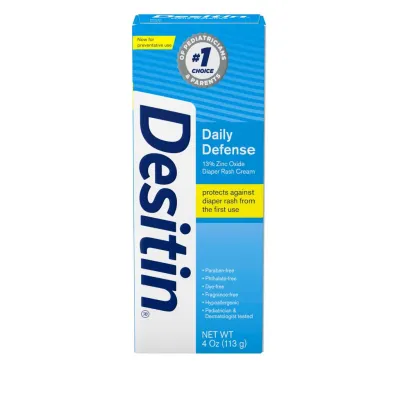
Desitin Desitin is widely recognized for its high-performing zinc oxide formulations, which act as a classic physical barrier. Depending on what is stocked in Singapore retail stores, you will typically find two main variants: the Daily Defense (often in a blue tube, containing around 13% zinc oxide) and the Maximum Strength (in a purple tube, containing up to 40% zinc oxide). The primary goal of Desitin is to seal out wetness completely, making it a go-to solution when the skin is highly vulnerable to acidic stools and constant wetness.
Bepanthen Bepanthen takes a fundamentally different path by focusing on skin conditioning and natural recovery. Its primary active ingredient is dexpanthenol (pro-vitamin B5), which is embedded in a lipid-rich ointment base. Instead of forming an impenetrable, opaque white wall over the skin, Bepanthen supports the skin’s natural barrier function by keeping it hydrated and encouraging cellular regeneration. This breathable design makes it highly favored for daily preventative care and minor chafing.
Sudocrem Sudocrem is a traditional, multi-purpose antiseptic healing cream that has been a household staple for generations. Its formulation combines zinc oxide (to provide a protective moisture barrier) with emollients like hypoallergenic lanolin and mild soothing agents such as benzyl alcohol. Benzyl alcohol acts as a mild local anesthetic to help ease the discomfort of raw, inflamed skin, while the overall cream base helps to soften and protect the area.
Because formulations can vary by region and batch, always inspect the ingredient list on the specific tube you purchase in Singapore. Look out for potential allergens, such as lanolin or specific preservatives, which might trigger reactions in babies with extremely sensitive skin or pre-existing eczema. Knowing exactly what is in the tube helps you avoid unwanted contact reactions.
Key Comparison Dimensions for Your Baby's Skin
To choose the best product for your baby, it helps to look beyond marketing claims and examine how these creams perform under daily, real-world conditions.
Active Ingredients and Barrier Mechanisms
The fundamental difference between these three creams lies in how they interact with moisture and the skin barrier. Zinc oxide, the cornerstone of Desitin and Sudocrem, is a mineral that does not absorb into the skin; instead, it sits on top of the epidermis to form a physical wall. This wall physically blocks urine, feces, and diaper friction from making contact with the baby’s skin.
In contrast, Bepanthen’s dexpanthenol works by penetrating the outer layers of the skin to support hydration and lipid synthesis. It acts as an emollient and humectant, helping the skin repair itself from within while still leaving a light, protective lipid layer on the surface.
If your baby is experiencing frequent, loose bowel movements or is sleeping through the night without a diaper change, a physical barrier like zinc oxide is highly effective at preventing chemical irritation. If you are focused on maintaining a healthy, supple skin barrier and preventing dryness, a skin-conditioning agent like dexpanthenol is often the more suitable daily choice.
Texture, Spreadability, and Tropical Climate Factors
Living in Singapore means dealing with high humidity and warm temperatures year-round, which directly affects how skincare products feel on your baby’s skin. Thick, heavy pastes can sometimes feel occlusive and heavy in tropical weather, potentially trapping sweat and heat against the skin if applied too generously.
Desitin Maximum Strength is exceptionally thick and paste-like, which makes it incredibly durable but also more challenging to spread evenly over irritated skin. Desitin Daily Defense is smoother, but it still leaves a noticeable white residue. Sudocrem has a unique, slightly dry, creamy texture that spreads reasonably well but requires a light touch to avoid leaving a thick, suffocating layer.
Bepanthen has a greasy, ointment-like texture that glides effortlessly over the skin without dragging or pulling on sore areas. Because it does not contain high concentrations of heavy powders, it is highly breathable and less likely to trap sweat in humid conditions. For daytime use in Singapore, a thin layer of Bepanthen or a light application of Desitin Daily Defense is often the most comfortable option, while the heavier Desitin Maximum Strength is best reserved for air-conditioned overnight sleep.
Best Use Cases: Daily Prevention vs. Active Treatment
Using the right cream at the right time prevents unnecessary skin irritation and saves you from dealing with stubborn, hard-to-clean residues.
For daily prevention, your goal is to maintain skin hydration and provide a light, breathable shield against friction. Applying a thin layer of Bepanthen or a low-concentration zinc oxide cream at every diaper change keeps the skin barrier resilient without building up a heavy residue that is difficult to wash away.
For active treatment of an existing, red diaper rash, you need a targeted, thick application of a high-concentration zinc oxide paste like Desitin Maximum Strength or Sudocrem. This is often referred to as “frosting” the skin, where you apply the cream thickly—like icing on a cake—so that feces and urine cannot penetrate the barrier to reach the inflamed skin underneath.
It is crucial to remember that standard over-the-counter diaper creams are not formulated to treat fungal (yeast) or bacterial diaper infections. If your baby has a bright red rash with distinct red spots (satellite lesions) or pus-filled blisters, these creams will not cure it. Such conditions require specific medicated treatments prescribed by a doctor, so you should seek professional medical advice if the rash does not improve.
Side-by-Side Comparison at a Glance
When you are standing in the baby care aisle of a local pharmacy or browsing an online marketplace, having a quick reference can help you make a fast decision. The table below summarizes the practical differences between Desitin, Bepanthen, and Sudocrem.
| Feature / Dimension | Desitin (Maximum Strength) | Bepanthen (Ointment) | Sudocrem (Antiseptic Cream) |
|---|---|---|---|
| Primary Active Ingredient | Zinc Oxide (typically up to 40%) | Dexpanthenol (Pro-Vitamin B5) | Zinc Oxide, Benzyl Alcohol, Lanolin |
| Texture & Consistency | Very thick, heavy, opaque paste | Smooth, greasy, breathable ointment | Creamy, slightly dry, moderate paste |
| Primary Best Use Case | Heavy-duty treatment & overnight protection | Daily prevention & mild skin recovery | Multi-purpose soothing & moderate barrier |
| Ease of Cleanup | Difficult; requires gentle oil or soapy water | Easy to wipe away with a damp cloth | Moderate; can leave a light residue |
| Key Consideration | Excellent for wetness block; can stain fabrics | Highly breathable; does not leave a white cast | Contains mild soothing agents; check for lanolin allergy |
Please note that prices can vary significantly depending on retail promotions, bundle offers, and package sizes. To find the best deals, check local Singapore pharmacies, supermarkets, or authorized online retailers for current pricing and availability.
Safe Application and When to Seek Medical Help
No matter which diaper cream you choose, correct application technique is vital to ensure the product works as intended and does not inadvertently worsen your baby’s skin condition.
The Golden Rule of Application Always apply diaper cream to completely clean and thoroughly dry skin. If you apply a thick, moisture-impermeable barrier like Desitin or Sudocrem over skin that is still damp from a bath or a wet wipe, you will trap that moisture directly against the skin. In Singapore’s humid climate, trapping moisture under a heavy paste can quickly lead to maceration (softening and breaking down of the skin) and accelerate the development of a painful rash. After cleaning your baby, gently pat the skin dry with a soft, clean towel, or let it air-dry completely before applying any cream.
Gentle Cleanup Techniques Removing stubborn zinc oxide pastes during diaper changes can be challenging, and aggressive scrubbing will damage your baby’s delicate skin barrier. To clean the area gently, soak a soft cotton pad or cloth in a small amount of mineral oil, baby oil, or warm water. Gently wipe the old cream away without rubbing harshly. If the underlying layer of cream is clean and free of urine or stool, you do not need to scrub it off completely; simply apply a fresh layer over it to minimize friction.
When to Stop and See a Doctor While home care is highly effective for mild diaper dermatitis, you must recognize when professional medical intervention is required. Stop using over-the-counter creams and consult a pediatrician or qualified healthcare professional immediately if you observe any of the following red flags:
- The rash worsens or does not improve after three to four days of consistent care.
- The rash spreads beyond the diaper area to the abdomen, back, or limbs.
- The skin is broken, bleeding, oozing fluid, or developing pus-filled blisters.
- Your baby develops a fever or seems unusually fussy and in pain.
- You suspect a fungal or yeast infection, which typically presents as a bright red rash in the skin folds with small red spots nearby.
Never apply these creams to deeply broken or infected skin unless explicitly directed to do so by a healthcare professional.
Frequently Asked Questions (FAQ)
Can I use diaper cream on my baby's face or other body parts?
While ingredients like zinc oxide and dexpanthenol are common in general skincare, diaper creams are specifically formulated for the thicker, more resilient skin of the diaper area. These products are often highly occlusive, thick, and may contain ingredients like lanolin or specific fragrances that can clog pores or irritate the highly sensitive skin on a baby’s face. If your baby has dry patches, drool rash, or eczema on their face, it is best to use a facial moisturizer or barrier cream specifically formulated and labeled for facial use. Always consult your pediatrician or check the product packaging before applying any diaper cream outside the diaper area.
Do I need to wipe off all the diaper cream during every change?
You do not need to scrub off every trace of clean diaper cream during every single change. If the cream on your baby’s skin is clean and has not been soiled by urine or stool, you can leave the remaining barrier intact and simply apply a fresh layer on top. Aggressive scrubbing to remove every bit of residue can cause unnecessary friction, which damages the delicate skin barrier and worsens irritation. Only wipe away the cream that has become soiled or wet, using a gentle wipe or a cloth with a little baby oil to minimize friction.
Community discussion
Share your experience or ask a question. Comments are reviewed before publication.