
Diaper rash is an almost universal challenge for parents, particularly in warm, humid climates like Singapore where moisture, friction, and heat constantly challenge a baby’s delicate skin barrier. When searching for the right solution, caregivers frequently encounter three household names: Desitin Rapid Relief, Sudocrem, and Bepanthen. While all three products are designed to protect and soothe a baby’s bottom, they rely on fundamentally different active ingredients, textures, and mechanisms of action. Choosing the wrong cream can lead to trapped moisture, worsening irritation, or simply an ineffective barrier that washes away too quickly.
To make an informed decision, it is essential to understand that there is no single “best” diaper rash cream. Instead, the ideal choice depends entirely on your baby’s current skin condition, whether you are seeking daily prevention or active treatment, and how the product interacts with environmental factors like humidity. By comparing these three popular options across key performance dimensions, you can select the precise formulation that will keep your baby comfortable and rash-free.
Quick Answer: Which Diaper Rash Cream Fits Your Baby's Needs?
When your baby is uncomfortable, you need a clear, reliable decision framework to choose the right skincare product immediately. The effectiveness of a diaper rash cream is determined by how well its formulation matches the specific state of the baby’s skin at any given moment.
Products mentioned in this guide
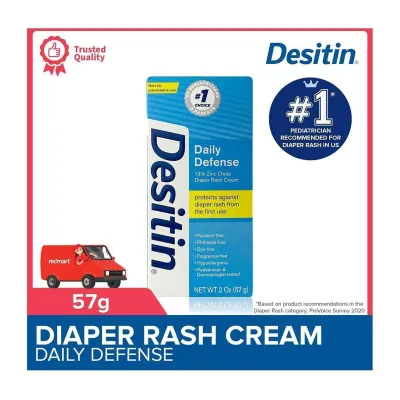
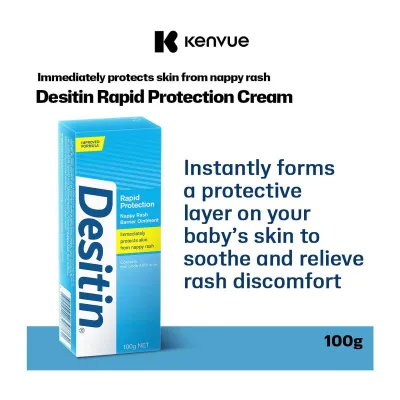
Prices are valid at publication and may change. Please refer to the product page for the latest price.
Use this quick guide to determine which of the three popular options is most suitable for your baby’s immediate needs:
- Choose Desitin Rapid Relief if: Your baby has moderate to severe redness and you need a fast-acting, thick zinc oxide barrier to protect against wetness. It is highly effective for overnight use or during periods of frequent, loose stools when the skin requires an impermeable shield.
- Choose Sudocrem if: You need a highly water-repellent, thick paste to soothe existing irritation, prevent painful chafing from diaper edges, and provide a long-lasting protective seal, provided your baby does not have a sensitivity to lanolin.
- Choose Bepanthen if: You are looking for a lighter, highly breathable ointment for daily preventative care, mild redness, or supporting natural skin regeneration without creating a heavy, occlusive physical barrier.
- Verify first if: Your baby has known allergies, broken skin, bleeding, or signs of a fungal infection. In any of these situations, you must consult a pediatrician before applying any over-the-counter creams, as specialized medical treatments may be required.
Key Comparison Dimensions: Ingredients, Texture, and Barrier Strength
To understand why these three creams perform so differently, we must examine the objective criteria that dictate their behavior on the skin. The primary differences lie in their active ingredients, their physical consistency, and the balance they strike between blocking external moisture and allowing the skin to breathe.

Active Ingredients and Their Roles
The choice of active ingredients determines whether a cream acts as a physical shield or an active skin healer. Zinc oxide, the primary active agent in both Desitin Rapid Relief and Sudocrem, is a natural mineral compound that is insoluble in water. When applied to the skin, zinc oxide does not absorb; instead, it sits on the surface to reflect moisture and block irritants like urine and fecal enzymes. This makes zinc oxide exceptionally effective at preventing chemical irritation.
In contrast, Bepanthen relies on dexpanthenol, also known as pro-vitamin B5. When applied, dexpanthenol penetrates the outer layers of the skin and is converted into pantothenic acid, a key component in cellular metabolism. Rather than sitting entirely on the surface as a heavy block, it actively supports the skin’s natural regeneration process, strengthens the lipid barrier, and helps the skin retain its internal hydration. Caregivers should always verify the exact active ingredient percentages on the product packaging, as formulations can vary by region.
Texture, Consistency, and Application Friction
The physical feel of these creams significantly impacts how easy they are to apply and remove, which is a major consideration when dealing with sore, tender skin. Zinc oxide-based creams are typically thick, heavy, and paste-like. Desitin Rapid Relief is formulated to be smoother and more spreadable than maximum-strength zinc creams, but it still leaves a distinct, white protective layer. Sudocrem has a dense, clay-like consistency that adheres firmly to the skin. While these thick textures provide excellent protection, they require more effort to wipe away during diaper changes, which can cause friction-induced irritation if not done gently.
Bepanthen, on the other hand, is a lipid-rich ointment that has a smooth, slightly greasy consistency. It glides effortlessly over the skin with minimal friction, making it highly comfortable to apply even to very sensitive or slightly raw areas. It leaves a thin, shiny, translucent layer rather than a thick white paste, allowing caregivers to easily monitor the skin’s condition without wiping the cream away.
Barrier Strength vs. Breathability in Humid Climates
The trade-off between barrier strength and breathability is particularly relevant in tropical climates like Singapore’s. An impermeable zinc oxide barrier is highly effective at keeping external wetness out, but it can also trap sweat and body heat underneath if the skin is not completely dry before application. This trapped moisture can lead to secondary skin issues, such as heat rash or sweat irritation.
A breathable ointment like Bepanthen allows air and moisture vapor to pass through, maintaining a healthy microclimate on the skin surface while still offering water-repellent properties. This breathability supports the skin’s natural healing environment but may not provide sufficient protection against highly acidic, frequent diarrhea. Caregivers must weigh these factors and always check the full ingredient lists for potential allergens, such as lanolin or specific preservatives, before introducing a new product to their baby’s routine.
Desitin Rapid Relief: Profile and Best Use Cases
Desitin Rapid Relief is widely recognized for its fast-acting protective qualities, making it a staple in many diapering routines. Understanding its formulation and ideal application scenarios helps caregivers maximize its benefits while avoiding common pitfalls.
Formulation Focus and Barrier Properties
Desitin Rapid Relief is specifically formulated to balance high-level moisture protection with ease of use. It contains zinc oxide as its primary active ingredient, typically at a concentration of 13%. This concentration is high enough to form an immediate, reliable barrier against wetness, yet low enough to keep the cream relatively smooth and easy to spread compared to maximum-strength formulations that contain up to 40% zinc oxide. The formulation also includes emollients like mineral oil and petrolatum, which help to soothe and soften the skin while the zinc oxide blocks external irritants. Caregivers should verify specific concentration details on the packaging of their purchased product.
Ideal Scenarios for Use
This cream is best suited for treating active, moderate diaper rashes where the skin is visibly red, irritated, and sensitive to wetness. It is particularly valuable for overnight use, as babies wear diapers for extended periods without changes while sleeping. By applying a protective layer of Desitin before bed, you can prevent urine from breaking down into ammonia and irritating the skin overnight. It is also highly recommended during periods of teething, dietary changes, or illness, when loose and highly acidic stools can rapidly damage the skin barrier.
Application and Gentle Removal Notes
For optimal protection, Desitin Rapid Relief should be applied in a thick, visible layer over the affected area, similar to “frosting a cake.” This ensures that a continuous barrier remains intact even as the baby moves and the diaper rubs against the skin. Because zinc oxide is highly water-resistant, attempting to wash it off with water or standard baby wipes can require harsh scrubbing, which further irritates the rash. Instead, caregivers should use a cotton pad saturated with a gentle baby oil to smoothly dissolve and wipe away the residual cream during diaper changes.
Limitations in Tropical Climates
In hot and humid environments, the thick, occlusive nature of Desitin can feel heavy on the skin. If applied too generously during warm daytime hours when the baby is active and sweating, it can trap perspiration, potentially leading to heat rash or clogged pores. To prevent this, ensure the diaper area is completely dry before application, and consider using it primarily for overnight protection or during active rash flare-ups rather than as an everyday, every-change preventative cream.
Sudocrem: Profile and Best Use Cases
Sudocrem is a versatile, multi-purpose barrier cream that has been trusted by families for generations. Its unique formulation offers robust protection against moisture while providing mild soothing properties for irritated skin.
Formulation Focus and Active Components
Sudocrem features a multi-ingredient formulation designed to address multiple aspects of skin irritation. It combines zinc oxide with a water-repellent paraffin and hypoallergenic lanolin base. The lanolin acts as an emollient, softening the skin and forming a highly effective seal against external moisture. Additionally, Sudocrem contains mild soothing agents such as benzyl alcohol, which possesses mild local anesthetic and antiseptic properties to help reduce pain and discomfort associated with diaper rash.
Ideal Scenarios for Use
Sudocrem is exceptionally well-suited for preventing chafing and treating established, stubborn diaper rashes. Its thick, clay-like consistency ensures that it stays exactly where it is applied, making it highly effective for babies who are crawling or highly active, as the cream will not easily rub off onto the diaper. It is also an excellent option for protecting the skin folds where moisture and friction frequently combine to cause painful chafing. Beyond diaper care, its soothing properties make it useful for minor household skin irritations, such as mild sunburns or superficial scratches.
Application and the "Thin Smear" Rule
A common mistake when using Sudocrem is applying it too thickly. Unlike Desitin, Sudocrem is designed to be used sparingly. Caregivers should apply a very small amount and massage it gently into the skin in circular motions until it forms a thin, translucent, barely visible film. If the skin remains white, too much cream has been applied. Applying Sudocrem too thickly does not enhance its protective qualities; instead, it makes the cream incredibly difficult to clean off and can transfer onto disposable diapers, clogging their absorbent fibers and leading to leaks.
Limitations, Allergens, and Climate Considerations
Before using Sudocrem, caregivers must carefully check the product label for potential allergens. The formula contains lanolin, a natural substance derived from sheep’s wool, which can trigger allergic contact dermatitis in individuals with a lanolin sensitivity. If your baby has a known wool allergy, Sudocrem must be avoided. Furthermore, because of its highly water-repellent and occlusive paraffin base, Sudocrem can easily trap heat and moisture if applied to skin that is not thoroughly dried, which can exacerbate skin irritation in Singapore’s humid climate.
Bepanthen: Profile and Best Use Cases
Bepanthen Ointment takes a supportive, regenerative approach to diaper care, focusing on strengthening the skin’s natural defenses rather than simply blocking external elements. This makes it a popular choice for daily maintenance and highly sensitive skin.
Formulation Focus and Regenerative Properties
The core active ingredient in Bepanthen Ointment is dexpanthenol, also known as pro-vitamin B5, typically formulated at a 5% concentration. When applied, dexpanthenol is absorbed into the skin, where it converts to pantothenic acid, an essential component that supports cellular metabolism and the synthesis of skin lipids. This process actively accelerates the natural healing of the skin barrier and helps maintain optimal hydration levels. The ointment base consists of a high-lipid formulation that creates a breathable, protective layer on the skin’s surface without clogging pores.
Ideal Scenarios for Use
Bepanthen is the ideal choice for daily preventative care and mild skin dryness. Because it is highly breathable and supports natural skin recovery, it is gentle enough to be applied at every diaper change from birth, making it excellent for newborns with highly delicate skin. It is also highly effective for treating mild redness or early-stage irritation before it develops into an active, painful rash. Its versatile, gentle formulation also makes it suitable for treating dry patches on the face or body, as well as for nipple care for breastfeeding mothers, provided they follow manufacturer guidelines regarding cleaning the area before feeding.
Application and Breathability Benefits
Bepanthen has a smooth, oily consistency that spreads effortlessly over the skin, requiring virtually no pressure or rubbing to apply. This is a significant advantage when treating sensitive or slightly sore skin, as it minimizes friction-induced discomfort. It leaves a thin, shiny, and breathable protective layer on the skin rather than a heavy white residue. This breathability allows air to circulate freely, which is highly beneficial for maintaining skin health and preventing the buildup of trapped heat and sweat in tropical environments.
Limitations and When to Switch
While Bepanthen is outstanding for daily prevention and mild irritation, its primary limitation is its lack of a heavy, physical moisture block. Because it does not contain a high concentration of zinc oxide, it may not provide sufficient protection against severe, weeping diaper rashes or when the baby is experiencing frequent, highly acidic bowel movements. In these situations, the liquid wetness can easily bypass the breathable lipid layer and continue to irritate the compromised skin. If a moderate to severe rash develops, caregivers should transition to a zinc oxide-based barrier cream like Desitin or Sudocrem to provide immediate physical isolation from moisture.
Actionable Selection and Application Guide for Caregivers
Choosing the right cream is only half the battle; applying it correctly and monitoring the skin’s response are critical to ensuring your baby’s comfort and safety. Follow this step-by-step guide to manage diaper care effectively.
Step 1: Assess the Skin Condition
Before applying any product, carefully inspect your baby’s diaper area under good lighting. Identify the severity of the irritation:
- Preventative Stage: The skin is clear, slightly dry, or has very mild pinkness. Action: Use a breathable, regenerative ointment like Bepanthen at every diaper change to maintain skin health.
- Active Irritation Stage: The skin is bright red, warm to the touch, or showing signs of chafing, but remains intact. Action: Transition to a zinc oxide-based barrier cream like Desitin Rapid Relief or Sudocrem to isolate the skin from wetness.
- Severe or Compromised Stage: The skin is broken, bleeding, peeling, blistering, or oozing fluid. Action: Stop using over-the-counter creams immediately and consult a pediatrician, as these symptoms require professional medical assessment.
Step 2: Prepare the Skin Area Thoroughly
No diaper cream can perform effectively if it is applied over trapped moisture, urine, or fecal residue. Clean the diaper area gently using lukewarm water and a soft cloth, or high-quality, alcohol-free, and fragrance-free baby wipes. Avoid rubbing or scrubbing, which can worsen skin damage; instead, use gentle patting motions. In Singapore’s humid climate, ensuring complete dryness is vital. Pat the skin dry with a clean, soft towel, or allow the baby to air-dry for a few minutes before applying any cream to prevent trapping moisture beneath the barrier.
Step 3: Apply the Selected Cream Correctly
Wash your hands thoroughly with soap and water before applying any cream to avoid introducing bacteria to the sensitive skin. Apply the product according to its specific formulation rules:
- For Desitin Rapid Relief: Apply a thick, visible layer over the entire affected area, ensuring complete coverage. Avoid rubbing it deeply into the skin; let it sit as a protective shield.
- For Sudocrem: Take a small amount and massage it gently in circular motions until it forms a thin, translucent, barely visible film.
- For Bepanthen: Spread a thin, even layer smoothly over the skin, focusing on areas prone to dryness or mild redness.
Step 4: Monitor Progress and Recognize Red Flags
Consistently monitor your baby’s skin during subsequent diaper changes. A typical, non-infected diaper rash should begin to show visible improvement within 3 to 4 days of proper care. If the rash does not improve, worsens, spreads to the abdomen or thighs, or if you notice bright red “satellite” spots, pus, or blisters, stop using the cream and seek immediate medical attention from a pediatrician. These signs often indicate a secondary fungal or bacterial infection that requires targeted prescription treatments rather than standard barrier creams.
Frequently Asked Questions (FAQ)
Can I use these diaper rash creams on newborns?
Newborn skin is exceptionally thin, delicate, and highly permeable, which makes it far more sensitive to external chemicals, fragrances, and potential allergens than the skin of older infants. While many popular diaper rash creams are formulated to be gentle enough for use from birth, caregivers must always verify the specific age recommendations and safety warnings on the product packaging before application. For newborns, it is highly recommended to select products that are fragrance-free, hypoallergenic, and contain minimal ingredients to reduce the risk of skin sensitization. Always consult a pediatrician before applying any new skincare product to a premature baby or a newborn with compromised skin.
How long should I wait to see improvement before seeing a doctor?
When practicing diligent diaper hygiene—including frequent diaper changes, thorough drying of the skin, and the consistent application of an appropriate barrier cream—a mild diaper rash should begin to show clear signs of improvement within 2 to 3 days. Caregivers must seek immediate professional medical care if the rash does not improve after 3 days, worsens rapidly, bleeds, develops blisters or pus-filled bumps, is accompanied by a fever, or if the baby appears to be in severe pain or distress. Do not attempt to self-diagnose or treat suspected fungal, yeast, or bacterial infections with standard over-the-counter barrier creams, as these conditions require specific prescription treatments from a healthcare professional.
Community discussion
Share your experience or ask a question. Comments are reviewed before publication.