
When shopping for baby essentials, you have likely noticed the rise of water-based wipes. Marketed as a pure, gentle alternative to traditional baby wipes, these products frequently feature prominent labels boasting “99.9% water” and “chemical-free” formulations. For parents navigating the sensitive skin needs of a newborn, these claims sound incredibly reassuring.
However, understanding what actually goes into these products is essential for making informed care decisions. While water wipes are indeed highly minimalist, they are not entirely devoid of other substances, nor are they literally free of chemicals. Examining the actual ingredient list, understanding the role of preservatives, and learning how to read packaging labels will help you determine if these wipes are the right choice for your family.
What Exactly Is Inside Water Wipes?
The primary ingredient in any water wipe is, unsurprisingly, water. This is not ordinary tap water; manufacturers use highly purified water that has undergone filtration, deionization, or sterilization processes. This purification removes minerals, chlorine, and any trace microorganisms, ensuring the base liquid is as clean and non-irritating as possible. This purified water typically makes up 99.9% of the product’s total weight.
Products mentioned in this guide
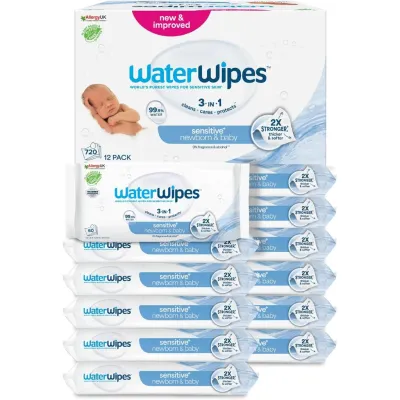
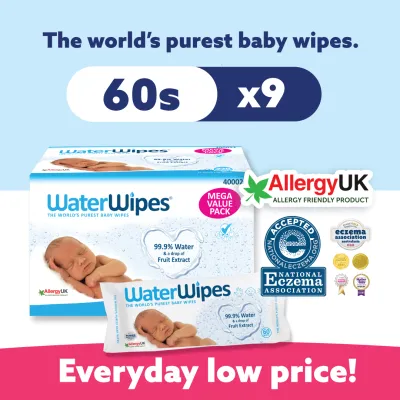
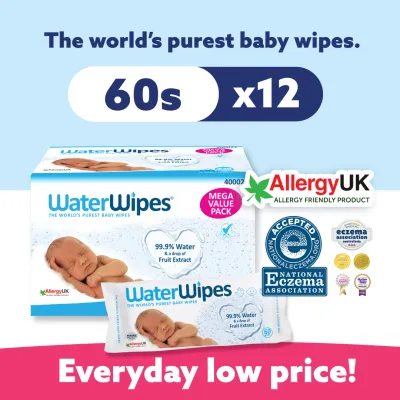
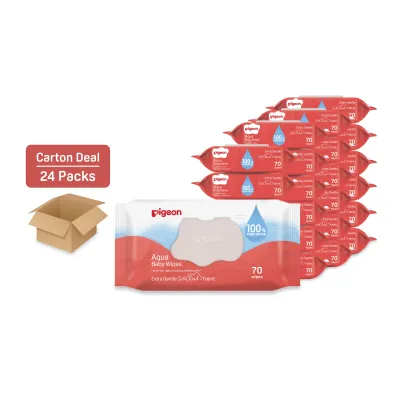
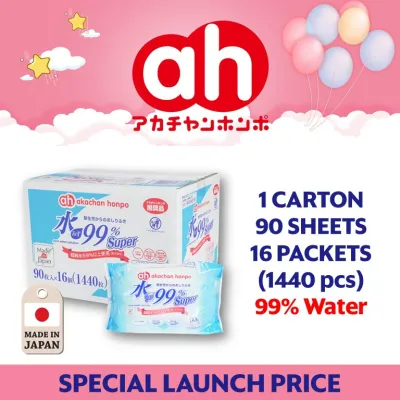
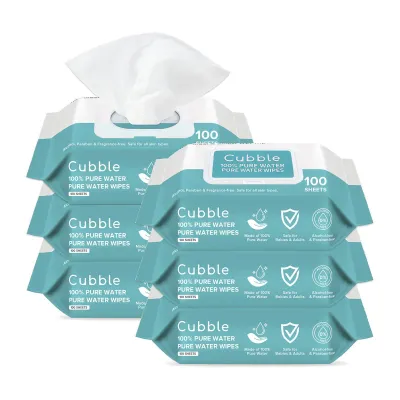
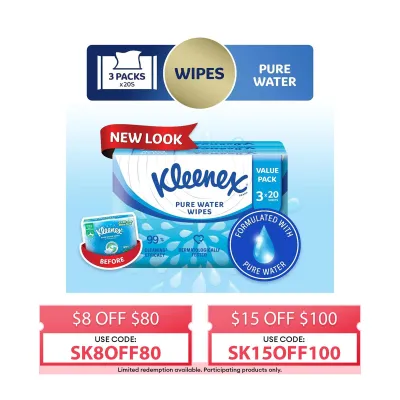
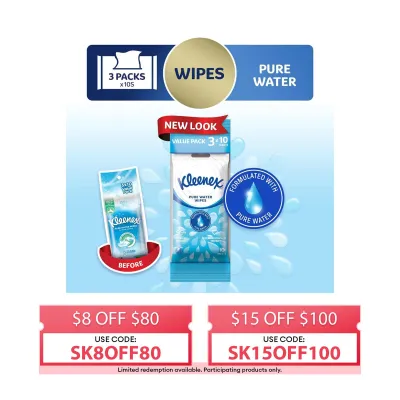
Prices are valid at publication and may change. Please refer to the product page for the latest price.
The remaining fraction, often just 0.1%, is where the critical science of wet wipes lies. This tiny percentage consists of conditioning agents or mild preservatives. Without this 0.1%, a pack of wet wipes would become a breeding ground for bacteria, mold, and yeast within days of being manufactured and opened. Because water supports microbial life, a completely preservative-free wet wipe is a significant safety hazard that could introduce harmful pathogens to your baby’s delicate skin.
To verify what is in a specific pack, you must look at the International Nomenclature of Cosmetic Ingredients (INCI) list on the back of the packaging. By law, ingredients are listed in descending order of concentration. On a pack of water wipes, you will see “Aqua” or “Water” listed first, followed by one or two other ingredients. These secondary ingredients are often botanical extracts with natural antimicrobial properties, such as grapefruit seed extract, or mild synthetic preservatives like sodium benzoate.
Understanding this minimalist structure allows you to evaluate different brands objectively. While the water content remains consistently high across the category, the specific preservative or conditioning agent used in that final 0.1% can vary. Checking this list ensures you know exactly what is coming into contact with your baby’s skin during every diaper change.
Decoding the "Chemical-Free" Marketing Claim
The term “chemical-free” is one of the most common marketing phrases used in the baby care industry, but from a scientific perspective, it is entirely inaccurate. Water itself is a chemical compound made of hydrogen and oxygen (H2O). Every botanical extract, preservative, and even the fabric of the wipe itself is composed of chemical structures. Therefore, no physical product can ever be truly chemical-free.

When brands use this claim, they are using consumer-friendly shorthand to indicate that the product is free from specific synthetic additives that are widely known to cause skin irritation or allergic reactions. In the context of baby wipes, “chemical-free” usually means the formulation excludes harsh surfactants, synthetic fragrances, parabens, phthalates, and alcohol.
To protect your baby’s skin, it is highly beneficial to look past the front-of-pack marketing and use a systematic checklist when evaluating ingredients. Here is what to look for and what to verify on the label:
- Water Source: Confirm the label specifies purified, deionized, or sterilized water.
- Preservative Type: Look for mild, food-grade preservatives like sodium benzoate or citric acid, which help maintain a skin-compatible pH.
- Fragrance Status: Ensure the product is explicitly labeled as fragrance-free rather than unscented, as unscented products may still contain masking fragrances to hide chemical odors.
- Avoidable Additives: Check for the absence of phenoxyethanol, parabens, propylene glycol, and alcohol, especially if your baby has highly sensitive or broken skin.
By focusing on the actual chemical names on the INCI list rather than the marketing slogans, you can make a much safer and more accurate assessment of how a product will interact with your baby’s skin barrier.
Water Wipes vs. Regular Baby Wipes: Evaluating Safety and Suitability
To decide whether water wipes are worth the investment, it helps to contrast them with standard baby wipes. Regular wipes are formulated for heavy-duty cleaning and often contain a complex mixture of ingredients. This typically includes mild detergents (surfactants) to lift stubborn messes, emollients to moisturize the skin, and synthetic fragrances to mask odors. While highly effective at cleaning, this complexity increases the number of potential skin irritants.
Water wipes offer a minimalist alternative by stripping away these extra cleansing and moisturizing agents. By reducing the ingredient list to the bare minimum, you statistically lower the risk of contact dermatitis and allergic sensitization. However, it is important to remember that fewer ingredients do not guarantee a zero-allergy experience. Natural botanical extracts, such as grapefruit seed extract or chamomile, can still trigger allergic reactions in babies with specific sensitivities.
Choosing between the two depends largely on your baby’s developmental stage and skin condition:
- Newborn Stage: A newborn's skin barrier is up to 30% thinner than adult skin and highly permeable. During the first few months, water wipes or cotton wool and warm water are highly recommended to minimize exposure to potential irritants.
- Eczema and Sensitive Skin: If your baby is prone to eczema, dryness, or frequent diaper rash, the minimal formulation of water wipes helps prevent further disruption to the compromised skin barrier.
- Heavy or Sticky Messes: As babies transition to solid foods, their stool changes in consistency. Standard wipes, which contain mild surfactants, are often more practical for cleaning sticky messes efficiently, reducing the need for repetitive rubbing that can cause mechanical irritation.
Practical Steps for Choosing and Using Baby Wipes Safely
When selecting a brand of water wipes, start by verifying the manufacturer’s packaging for reputable testing claims. Look for indications of dermatological testing or pediatrician approval, but always cross-reference these claims with the ingredient list on the back. Ensure the packaging is intact and has not been exposed to extreme heat, which can degrade the mild preservatives inside and compromise the product’s safety.
Before introducing any new wipe to your daily routine, it is highly recommended to perform a simple patch test. Gently wipe a small, healthy area of your baby’s skin, such as the inner arm or thigh, and wait 24 hours. Monitor the spot closely for any signs of redness, swelling, or tiny bumps. If no reaction occurs, the product is generally suitable for wider use.
Always establish clear stop-conditions for any skincare product. If you observe sudden redness, a persistent rash, dry peeling patches, or if your baby cries or shows discomfort during wiping, stop using the wipes immediately. Switch to using plain water and a soft, dry cotton cloth to clean the area. If the skin irritation does not improve within a few days, or if you notice signs of infection such as blisters or pus, consult a qualified healthcare professional or pediatrician promptly.
Frequently Asked Questions (FAQ)
Can I use water wipes on a newborn's face and hands?
You should always check the manufacturer’s specific packaging guidelines to confirm if the wipes are cleared for facial use. If approved, you can use them to clean milk spills or food residue, but you must avoid the immediate eye area to prevent physical or chemical irritation. Always supervise your baby closely during cleaning to ensure they do not put the wet wipe in their mouth, which minimizes any risk of ingesting the preservative ingredients.
Do water wipes need to be used with a diaper cream?
Yes, water wipes and diaper creams serve entirely different functions in a diapering routine. Wipes are designed solely to clean urine and fecal matter from the skin, whereas diaper barrier creams provide a protective layer that shields the skin from moisture and friction. After cleaning with a water wipe, ensure the baby’s skin is completely dry before applying any diaper cream, as trapping residual moisture beneath a barrier cream can actually encourage diaper rash.

Community discussion
Share your experience or ask a question. Comments are reviewed before publication.