
Evaluating whether a specific laundry detergent is safe for your baby’s sensitive skin requires looking beyond the brand name and closely examining the ingredient list. Because infant skin is significantly thinner, more permeable, and more prone to dryness than adult skin, what works perfectly for one household might trigger a reaction in another. Parents considering D-Nee detergent must evaluate the physical label of the specific bottle they purchase, as formulations can vary by region, product line, and manufacturing batch.
Safety is not a universal guarantee; it depends heavily on your baby’s unique skin sensitivity and the specific product variant you choose. For instance, standard family formulas often contain stronger cleaning agents and heavier fragrances than dedicated sensitive skin or baby-specific variants. Before purchasing, make it a habit to check the physical product label or the manufacturer’s official website for the most up-to-date ingredient list. Additionally, look for clear packaging indicators such as dermatological testing claims, hypoallergenic certifications, or pediatrician recommendations, which suggest the formulation has undergone standardized testing for skin mildness.
How to Read the D-Nee Ingredient Label
Understanding how to read a detergent label empowers you to make informed decisions rather than relying solely on front-of-bottle marketing. Laundry detergents are complex mixtures of cleaning agents, water softeners, and stabilizers. By breaking these down into key categories, you can quickly identify whether a formulation aligns with your baby’s skin needs.
Products mentioned in this guide
![[SG INSTOCK] D-Nee Baby Organic Liquid Detergent (550ml) Hypoallergenic Gentle & Safe Baby Clothes](https://img.lazcdn.com/g/p/2ee92953c507e182a16b2debc1589cc4.jpg_400x400q80.jpg_.webp)
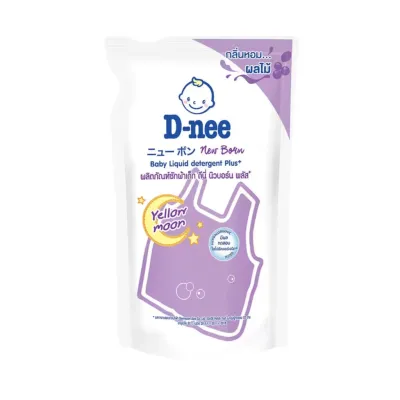
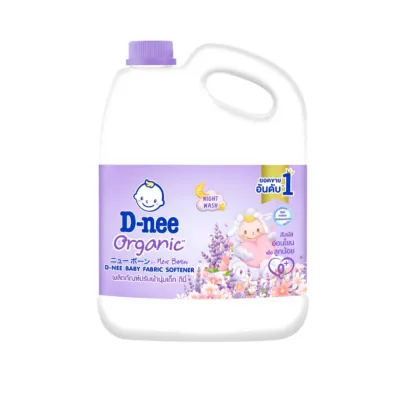
Prices are valid at publication and may change. Please refer to the product page for the latest price.
Surfactants are the primary cleaning agents responsible for lifting dirt, oils, and stains from fabric fibers. When reviewing the label, look for the specific types of surfactants used. Milder, plant-derived surfactants—such as those derived from coconut, corn, or palm—are generally preferred for delicate skin over harsh synthetic alternatives. These baby-specific surfactants clean effectively without stripping the natural lipid barrier of your baby’s skin when they wear the washed garments.
Fragrances and dyes are added to make laundry look and smell clean, but they serve no functional purpose in removing dirt. On the ingredient list, these may be listed generically as “fragrance,” “perfume,” or specific chemical colorants. Added perfumes and synthetic dyes are among the most common triggers for contact dermatitis and eczema flare-ups in infants. Even natural essential oils can sometimes cause reactions on highly sensitive skin, making it crucial to identify their presence on the label.
Preservatives and stabilizers are necessary in liquid detergents to prevent the growth of bacteria and mold over time. However, certain harsh chemical stabilizers and preservatives can linger on fabric fibers even after a thorough rinse cycle. When reading the label, check for the presence of mild, food-grade, or cosmetic-grade preservatives, and be cautious of formulations that rely on known skin sensitizers to maintain shelf life.
Identifying Gentle vs. Irritating Ingredients
To protect your baby’s skin, you must be able to distinguish between potentially irritating chemicals and gentler, skin-friendly alternatives when reviewing any baby detergent formulation.

There are several ingredients you should aim to limit or avoid entirely in your baby’s laundry routine. Strong synthetic fragrances, optical brighteners (chemicals that remain on clothes to reflect light and make fabrics appear whiter), and harsh sulfates like Sodium Lauryl Sulfate (SLS) are known to cause skin dryness and irritation. These substances can easily rub off the fabric and penetrate the delicate skin barrier of an infant, leading to discomfort.
Conversely, look for gentle alternatives that prioritize skin safety. Enzyme-based stain removers are highly effective at breaking down organic stains like milk, formula, and baby food without relying on harsh chemical action. Mild non-ionic surfactants and natural soothing botanical extracts (provided they are explicitly verified on the ingredient list) are excellent indicators of a formula designed with sensitive skin in mind.
It is also important to understand the actual meaning of common marketing terms. A “hypoallergenic” label indicates that the product has been formulated to minimize the risk of allergic reactions, but it does not guarantee a zero-reaction rate for every individual. “Fragrance-free” means the product contains absolutely no fragrance chemicals, whereas “unscented” products may actually contain masking fragrances designed to neutralize the natural smell of the raw ingredients without leaving a noticeable scent.
Signs Your Baby's Skin is Reacting to the Detergent
Even when using a detergent marketed for babies, you must remain vigilant and monitor your child’s skin for any signs of sensitivity or allergic reactions after they wear freshly washed clothes.
Visual cues are often the first indicator of a detergent sensitivity. Watch for localized redness, dry or flaky patches, or small red bumps. These rashes typically appear in areas where clothing fits tightly or causes friction against the skin, such as around the collar, cuffs, waistband, thighs, and the diaper area. If the rash matches the pattern of your baby’s clothing, the detergent is a likely culprit.
Behavioral signs can also signal skin discomfort, especially in infants who cannot yet communicate verbally. Look for an unexplained increase in fussiness, frequent scratching or rubbing of their body against sheets and carpets, or general restlessness during sleep and active play. Itching and skin tightness can significantly disrupt a baby’s comfort and sleep quality.
If you suspect a reaction, take immediate action. Stop using the detergent right away and switch to a verified, fragrance-free alternative or wash clothes in plain warm water to strip away lingering residues. Re-wash all of your baby’s clothes, bedding, and towels. Keep the skin clean and moisturized with a gentle, pediatrician-approved emollient. If the rash persists, spreads, or causes your baby significant distress, consult a pediatrician or pediatric dermatologist for a proper evaluation and treatment plan.
Laundry Habits to Minimize Skin Irritation
Choosing a gentle detergent is only half the battle; how you wash your baby’s clothes plays an equally critical role in preventing skin irritation.
Correct dosing is essential for maintaining fabric safety. Many parents assume that using more detergent results in cleaner clothes, but the opposite is often true. Over-dosing detergent creates excess suds that cannot be easily rinsed away, leaving a concentrated chemical residue trapped within the fabric fibers. In humid climates, this residue can also trap moisture and bacteria, leading to musty odors and skin irritation. Always follow the manufacturer’s dosing instructions based on your load size.
Adding an extra rinse cycle to your washing machine routine is a highly effective way to minimize risk. This simple step ensures that any remaining surfactants, soil, or fragrance molecules are thoroughly flushed out of the clothing fibers before the garments are dried and worn. It is a small adjustment that provides significant peace of mind for parents of babies with highly reactive skin.
Finally, always separate your laundry loads. Wash your baby’s clothes, cloth diapers, and bedding separately from heavily soiled adult garments. Adult clothing often carries stronger perfumes, fabric softeners, and industrial soils that can easily transfer to delicate baby wear during a combined wash cycle. Keeping loads separate prevents cross-contamination and allows you to customize the wash settings and detergent dosage specifically for your baby’s needs.
Frequently Asked Questions (FAQ)
Can I Use Standard D-Nee Detergent for a Newborn?
Newborn skin is exceptionally delicate, thin, and highly permeable, making it far more vulnerable to chemical irritants than the skin of older babies. Standard family detergents often contain stronger surfactants and more intense fragrances to tackle heavy adult soils. Before using any D-Nee variant for a newborn, you must verify that the specific bottle is explicitly marketed, formulated, and dermatologically tested for newborn use. If the label does not clearly state it is suitable for newborns, it is safer to opt for a dedicated sensitive or fragrance-free infant formula.
Should I Wash New Baby Clothes Before the First Wear?
Yes, you should always wash new baby clothes before your baby wears them. During the manufacturing process, fabrics are often treated with chemical sizing agents to keep them looking crisp on hangers, as well as excess dyes and anti-mildew agents for transit. Additionally, clothes accumulate dust and handling residues during shipping and storage. Washing new garments on a gentle cycle with a verified baby-safe detergent removes these potential irritants, ensuring only clean, soft fabric touches your newborn’s skin.
Liquid vs. Powder: Which Format is Gentler?
Liquid detergent is generally the gentler format for baby laundry and sensitive skin. Liquid formulas dissolve completely and evenly in both cold and warm water, leaving far less residue on fabric fibers. Powder detergents, on the other hand, can sometimes fail to dissolve fully, especially in shorter or cooler wash cycles. Undissolved powder grains can become trapped in the weave of the clothing, creating abrasive, highly concentrated chemical patches that physically chafe and chemically irritate your baby’s skin during wear.
Community discussion
Share your experience or ask a question. Comments are reviewed before publication.