
Choosing the right postpartum binder for daily wear is a highly personal decision that depends on your recovery type, body shape, and local climate. While the Cubble postpartum binder is designed with structured, multi-panel support to target specific recovery zones, other market alternatives might offer lighter, more seamless wrap designs that prioritize maximum breathability. There is no single universal option that fits every mother; instead, the most comfortable binder is the one that matches your physical recovery stage, provides adjustable compression without restricting your breathing, and remains gentle against your skin during daily movements.
Navigating the postpartum period requires balancing physical healing with the demands of caring for a newborn. A supportive binder can offer abdominal stability and lower back relief, but a poorly fitting or overly restrictive garment can hinder your recovery. By understanding how different design elements—such as material composition, fastening systems, and structural panels—impact your daily comfort, you can make an informed choice that supports your body’s natural healing process.
Key Comfort Factors for Daily Postpartum Wear
When evaluating any postpartum support garment for daily wear, material breathability is a primary consideration, especially in warm and humid climates like Singapore. Heavy, non-porous fabrics can trap heat and sweat against your skin, leading to discomfort, rashes, or irritation along incision lines. Look for binders that incorporate lightweight mesh panels, perforated elastic, or moisture-wicking fabric blends that allow air to circulate freely throughout the day.
Products mentioned in this guide
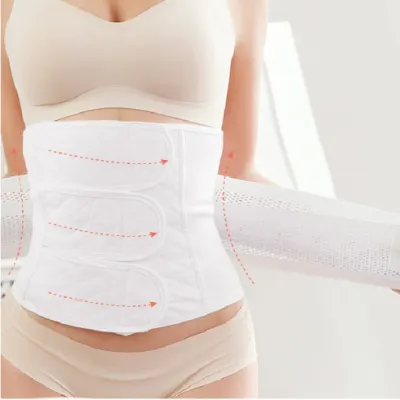
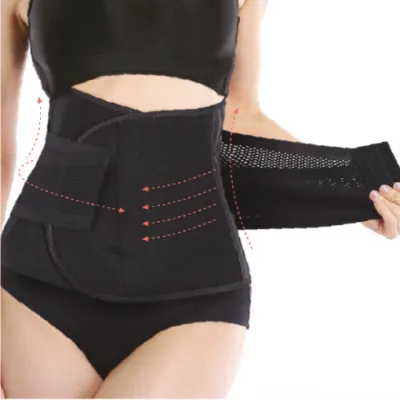
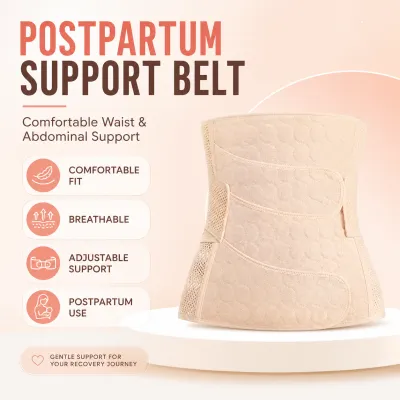
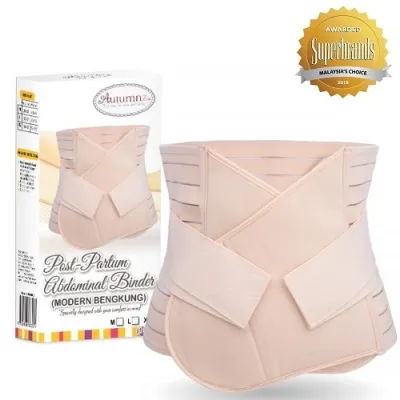
Prices are valid at publication and may change. Please refer to the product page for the latest price.
Adjustability is another critical factor because your abdominal volume and swelling levels change rapidly in the weeks following childbirth. A binder with rigid, non-adjustable compression cannot adapt to these daily fluctuations, potentially becoming too tight after meals or too loose as swelling subsides. Multi-panel fastening systems, adjustable elastic straps, or wide Velcro closures allow you to customize the compression level across different zones of your torso.
Finally, pay close attention to the edge finishing and seam placement of the garment. Binders with thick, stiff borders or exposed internal seams can dig into your hips, ribs, and waist when you sit down or bend over to tend to your baby. Soft, bound edges and seamless transitions help prevent chafing and ensure the binder remains comfortable during both active movement and periods of rest.
Evaluating the Cubble Postpartum Binder
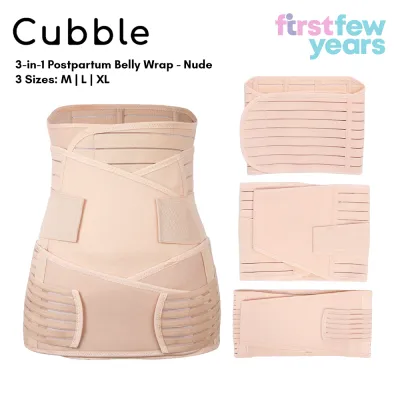
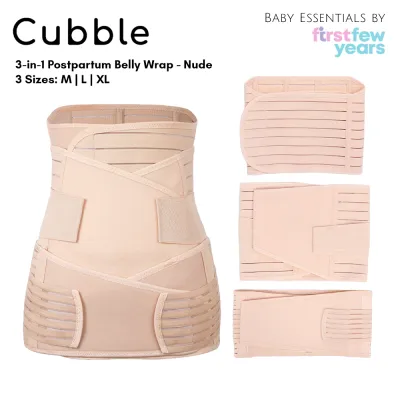
The Cubble postpartum binder is designed as a structured, multi-panel support system aimed at helping mothers transition smoothly through their recovery. According to manufacturer specifications, this binder typically features a combination of breathable elastic materials and structured panels that wrap around the midsection. Before purchasing, you should check the product label to verify the exact material composition, ensuring it aligns with your skin sensitivity and comfort preferences.

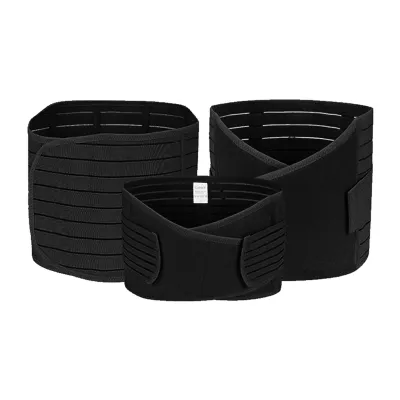
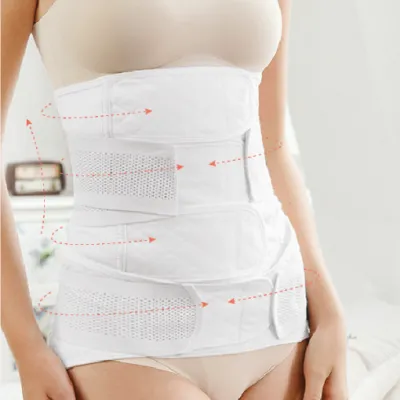
In terms of support zones, the design focuses on providing targeted compression to the lower back, abdomen, and pelvic area. The multi-strap system allows users to adjust the tension on individual panels, which helps distribute pressure evenly and support the core muscles without putting excessive downward pressure on the pelvic floor. You can observe how these adjustable bands align with your natural waistline to ensure the compression is concentrated where you need it most.
To maintain the structural integrity and elasticity of the binder, proper care is essential. The manufacturer’s product manual generally recommends hand washing the garment in cold water with a mild detergent and allowing it to air dry flat. Machine washing or tumble drying can damage the elastic fibers and degrade the hook-and-loop fasteners over time. Additionally, consult the official sizing guidelines carefully, measuring your postpartum hips and waist rather than relying on pre-pregnancy clothing sizes to ensure a proper fit.
How Cubble Compares to Alternative Binder Designs
To find the most comfortable option, it is helpful to contrast the structured design of the Cubble binder with other common postpartum support categories. Traditional wrap-around belly bands are typically simpler, single-panel elastic bands that offer uniform compression. While these wraps are exceptionally easy to put on and adjust quickly, they may lack the targeted, multi-zone support and structural rigidity that a multi-strap binder like Cubble provides for lower back relief.
On the other end of the spectrum are structured pull-on girdles or high-waisted recovery briefs. These garments offer seamless, continuous compression and do not have bulky fasteners that might show under clothing. However, pull-on styles can be challenging to put on during the early days of recovery and do not allow you to adjust the compression level as your body changes. They also make bathroom access more complicated compared to wrap-style binders that can be easily unfastened or adjusted.
The fastening systems themselves present distinct trade-offs. Binders utilizing continuous Velcro sheets offer highly customizable tightness but can sometimes feel stiff or create bulk under thin clothing. In contrast, garments with hook-and-eye closures provide a very secure, flat profile but offer limited adjustability and can be tedious to fasten. The multi-strap design of the Cubble binder aims to strike a balance, offering the quick adjustability of Velcro with independent panels that contour more naturally to the curves of your body.
Choosing the Right Binder for Your Recovery Stage
Your choice between a structured binder and a lightweight alternative should be guided by your specific physical needs and daily activities. If your daily routine involves extended periods of standing, walking, or lifting, a structured binder like Cubble can provide the firm abdominal and lower back support necessary to maintain good posture and reduce fatigue. The targeted compression helps stabilize weakened core muscles, making physical tasks feel more manageable.
Conversely, if your primary goal is gentle abdominal containment, maximum breathability for lounging at home, or quick bathroom access, a lightweight, seamless wrap might be more suitable. These simpler wraps offer a softer feel against the skin and are often preferred during the very early days postpartum when the abdomen is highly sensitive to pressure. They provide a mild level of support that encourages natural muscle engagement without feeling overly restrictive.
Regardless of the brand or design you prefer, it is crucial to verify suitability with your healthcare provider before wearing any postpartum binder. This is especially important if you delivered via C-section, as improper binder placement or excessive pressure can irritate the incision site, restrict localized blood flow, or interfere with wound healing. Your doctor or physical therapist can provide personalized guidance on when to start wearing a binder and the appropriate level of compression for your specific recovery path.
Safe Usage, Fit Checks, and When to Stop
Using a postpartum binder safely requires regular self-assessments to ensure the garment is aiding your recovery rather than hindering it. To perform a physical fit check, put the binder on and take a deep breath; you should be able to inhale and exhale fully without feeling restricted or short of breath. Sit down in a chair to verify that the binder does not dig painfully into your ribs or thighs, and ensure you can swallow and digest food comfortably without feeling excessive upward pressure.
In addition to checking your breathing, establish a daily skin inspection routine. Take the binder off periodically to check for signs of friction, such as deep red marks, chafing, or localized rashes along the seams and edges. If you notice skin irritation, allow your skin to rest completely before wearing the garment again, and consider wearing a thin, soft cotton camisole underneath the binder to act as a protective barrier.
Most importantly, you must recognize the warning signs that indicate you should stop using the binder immediately and consult a medical professional. If you experience increased pelvic floor pressure, numbness or tingling in your legs, sharp abdominal pain, or any irritation, redness, or discharge near a C-section incision, remove the binder right away. A binder should support your body’s natural healing, and any sensation of pain or physical distress is a clear signal to seek professional medical advice.
Frequently Asked Questions (FAQ)
How many hours a day should I wear a postpartum binder?
Most manufacturers and healthcare professionals recommend wearing a postpartum binder for around two to six hours a day during active periods, rather than keeping it on continuously. It is important to take regular breaks throughout the day to allow your core muscles to engage and strengthen naturally without relying entirely on external support. Always remove the binder before going to sleep to ensure unrestricted circulation and deep, relaxed breathing during rest.
Can I wear a postpartum binder while exercising or sleeping?
It is generally not recommended to wear a restrictive postpartum binder while sleeping, as your body needs to rest, breathe deeply, and maintain optimal circulation without external compression. For exercise, while a binder can offer helpful stability during low-impact activities like walking, you should avoid wearing highly restrictive garments during strenuous workouts. Instead, check the manufacturer’s specifications for activewear compatibility, and focus on gentle, progressive core rehabilitation exercises approved by your healthcare provider.

Community discussion
Share your experience or ask a question. Comments are reviewed before publication.