
When comparing the Cubble postpartum belly band with other maternity support brands, there is no single universal winner. The best choice depends entirely on your specific delivery type, comfort preferences, and recovery goals. Rather than relying on generalized claims, this guide helps you objectively evaluate material specifications, compression levels, adjustability, and pricing to determine which brand genuinely aligns with your postpartum recovery needs.
Postpartum belly bands are designed to provide external support to your abdominal muscles and lower back as your body transitions after childbirth. In Singapore, where the tropical climate and local confinement practices influence daily routines, choosing the right support garment requires careful consideration of fabric breathability, ease of use, and structural integrity. By understanding what your body needs and how different brands construct their support belts, you can make an informed decision that promotes a safe and comfortable recovery.
Identifying Your Postpartum Recovery and Support Needs
Before comparing specific brands like Cubble with other market alternatives, you must identify your primary physical recovery goals. The type of delivery you experienced plays a critical role in determining which style of belly band is safe and effective for your body.
Products mentioned in this guide
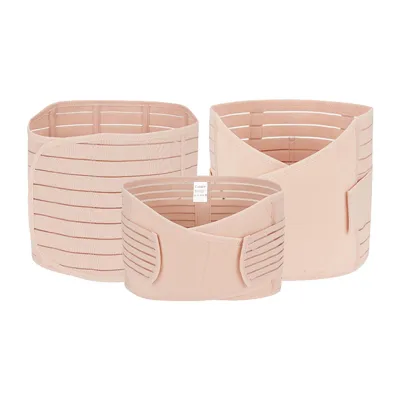
Prices are valid at publication and may change. Please refer to the product page for the latest price.
For those who had a vaginal delivery, the primary focus is often on gentle abdominal compression and pelvic floor support. During pregnancy, the abdominal muscles stretch significantly, and the hormone relaxin loosens the ligaments throughout the pelvis. A supportive band can help stabilize the core, improve posture during breastfeeding, and provide a gentle upward lift that relieves pressure on the pelvic floor. In these cases, a wider band that covers the entire midsection is often preferred.
For those who underwent a Cesarean section, the recovery priorities are quite different. A C-section is a major abdominal surgery, meaning the belly band must protect the incision site from friction, pulling, and accidental impact. The compression must be carefully distributed so that it supports the abdominal wall without placing excessive downward pressure on the healing wound. Many C-section mothers look for bands with soft, non-abrasive inner linings and highly adjustable panels that can be loosened directly over the incision.
It is also essential to distinguish between core stabilization, gentle compression, and pelvic floor support. Core stabilization helps you regain a sense of balance and alignment, while compression helps reduce postpartum swelling. However, excessive or poorly distributed compression can push downward on the pelvic floor, potentially worsening conditions like pelvic organ prolapse. If you experience heavy pelvic pressure, urinary incontinence, or severe pain, you should stop using any support garment immediately.
Regardless of your delivery type, obtaining clearance from your healthcare professional is an absolute necessity before using any postpartum garment. Your obstetrician, gynecologist, or a specialized women’s health physiotherapist can evaluate your healing progress, check for conditions like diastasis recti (abdominal separation), and advise you on when it is safe to begin wearing a support band.
Comparing Core Features: Cubble vs. Other Maternity Brands
When evaluating Cubble against other maternity brands available in Singapore, you should focus on objective product specifications. Examining the material composition, compression mechanisms, and closure designs will help you understand how each band performs during daily wear.

First, check the product labels for material composition. High-quality postpartum bands typically use a blend of polyester, nylon, elastane, or natural fibers like cotton and bamboo. Elastane provides the necessary stretch and recovery, ensuring the band does not permanently lose its shape after a few uses. Cotton and bamboo linings offer a softer feel against sensitive skin, which is particularly important if you are wearing the band directly over a healing C-section scar or stretch marks. Look for brands that explicitly state their materials are hypoallergenic and free from harsh chemical dyes.
Next, assess the compression levels and tension mechanisms. Some basic belly bands offer uniform compression throughout the entire width of the belt. While simple, this design may not accommodate the natural curves of a postpartum body. Advanced brands, including Cubble and other specialized maternity labels, often feature multi-panel designs or secondary tension straps. These secondary straps allow you to customize the tightness in specific zones, such as applying firmer support around the hips and lower back while keeping the upper abdominal area slightly looser.
Finally, compare the practical pros and cons of different closure systems. Velcro is the most common closure method because it allows for micro-adjustments as your body shape changes. However, low-grade Velcro can be noisy, stiff, and prone to snagging delicate clothing or scratching your skin. Hook-and-eye closures offer a very secure, flat profile under clothing but are much harder to adjust independently, especially in the early weeks of recovery. Pull-on designs eliminate fasteners entirely, offering a seamless look, but they can be incredibly difficult to pull over your hips or head shortly after giving birth.
Assessing Comfort, Fit, and Daily Wearability
An effective postpartum belly band is one that you can wear consistently without discomfort. Assessing the physical construction of the band and how it behaves during movement is crucial to ensuring long-term wearability.
Pay close attention to the edge finishing and seam placement of the band. When you sit, bend over to pick up your baby, or feed, the edges of a poorly designed belly band can roll down, bunch up, or dig into your ribs and hips. Look for bands with reinforced, flexible boning or soft, bound edges that maintain their structure without causing skin chafing. Seamless constructions or flat-locked seams are highly desirable features that minimize friction against the skin.
In Singapore’s hot and humid climate, fabric breathability is a major factor in daily comfort. Wearing a thick, non-breathable elastic band for several hours can quickly lead to excessive sweating, heat rash, and skin irritation. When comparing brands, look for those that incorporate mesh panels, perforated elastic, or moisture-wicking fabrics. These design elements allow air to circulate, keeping your skin dry and comfortable even during the warmest parts of the day.
To maintain skin health and ensure the longevity of the garment, always review the manufacturer’s guidelines regarding daily wear time and hygiene. Most experts recommend wearing a postpartum band for no more than two to eight hours a day, focusing on periods when you are active, standing, or walking. Avoid wearing support bands while sleeping, as your body needs to rest and breathe without external restriction. For hygiene, consider wearing a thin, breathable cotton camisole underneath the band to act as a barrier, and follow the washing instructions carefully—most elastic support garments require gentle hand washing and air drying to preserve their elasticity.
Evaluating Price, Sizing, and Long-Term Value
Investing in a postpartum belly band requires balancing the retail cost against the expected lifespan and utility of the garment. Because your body shape changes rapidly in the weeks following delivery, sizing and adjustability directly impact the long-term value of your purchase.
Compare the retail prices in S$ across official brand websites and authorized online marketplaces. While it can be tempting to opt for the least expensive option available on online marketplaces, lower-priced bands often compromise on material durability, elasticity, and skin safety. Conversely, the most expensive medical-grade binders may offer features you do not actually require for a standard recovery. Look for a mid-range option like Cubble or comparable maternity brands that offer a balance of durable materials, adjustable tension, and reasonable pricing.
Navigating sizing charts correctly is essential to getting the right fit. To measure your abdomen, use a flexible measuring tape around the widest part of your belly, typically near the belly button. Because your body changes quickly, check whether the brand recommends measuring during your third trimester or immediately after delivery. A band that is too small will pinch, roll, and restrict breathing, while a band that is too large will fail to provide adequate compression.
Consider whether the band’s design accommodates shrinking measurements over several weeks. A highly adjustable band with wide Velcro panels or multiple fastening zones allows you to tighten the garment as your uterus contracts and your abdominal wall returns to its pre-pregnancy state. This adjustability extends the lifespan of the product, preventing the need to purchase multiple sizes as your recovery progresses.
Decision Framework: Which Postpartum Band Fits You Best?
To finalize your choice, use this conditional framework to match your specific physical needs, lifestyle, and budget with the right postpartum support garment.
You may want to choose the Cubble postpartum belly band if you are looking for a reliable, mid-range option that balances breathable materials with highly adjustable Velcro straps. It is particularly suitable for mothers in Singapore who prioritize a balance of comfort, local availability, and straightforward daily usability during their confinement period.
You should consider alternative brands if you require specialized medical-grade compression, have a very specific sizing requirement that falls outside standard ranges, or prefer a completely seamless pull-on style. Specialized medical brands may also be more appropriate if you are recovering from a complex surgical birth or require targeted orthopedic lower-back support.
Before making any final purchase, always verify your physical condition. If you have healing surgical incisions, active skin conditions, or suspected diastasis recti, consult your doctor or a physical therapist first. They can recommend specific features—or warn you against certain closure types—to ensure your chosen postpartum belly band supports your recovery safely and effectively.
Frequently Asked Questions (FAQ)
How soon after delivery can I start wearing a postpartum belly band?
For a straightforward vaginal delivery, many women can begin wearing a gentle support band within the first few days postpartum, once they feel comfortable doing so. For a Cesarean delivery, you must wait until your surgical incision is closed, stable, and free from active infection, which often takes several weeks. Because recovery timelines vary greatly, you must obtain explicit clearance from your doctor before wearing any compression garment.
Can wearing a postpartum band help my stomach return to its pre-pregnancy size?
No, a postpartum belly band does not permanently shrink your stomach, burn fat, or repair separated muscles. The band provides temporary external compression and structural support, which helps stabilize your core, improve your posture, and reduce swelling in the early weeks. Actual long-term physical recovery, muscle healing, and tissue return depend on time, proper nutrition, hydration, and targeted postpartum rehabilitation exercises.
Community discussion
Share your experience or ask a question. Comments are reviewed before publication.