
When preparing a nursery in Singapore, selecting a safe sleeping environment for your baby is one of the most critical decisions you will make. While Singapore does not enforce a single, localized safety registration mark specifically for non-electrical baby furniture, all cot beds sold in the market are subject to general consumer product safety regulations. This means retailers and importers are legally obligated to ensure their products are safe for use, which is typically demonstrated by compliance with recognized international safety standards.
To ensure your peace of mind, you must take an active role in verifying these safety credentials before making a purchase. Rather than relying solely on brand reputation or aesthetic appeal, parents should look for specific international certifications and perform physical safety checks. Understanding how these standards protect your child from common nursery hazards—such as entrapment, falls, and structural failures—will help you make an informed and secure decision.
Understanding the Regulatory Landscape for Nursery Furniture in Singapore
In Singapore, consumer product safety is overseen by Enterprise Singapore, the national standards and consumer protection body. Under the Consumer Protection (Consumer Product Safety Requirements) Regulations, general consumer goods—including nursery furniture like cot beds—must not pose a danger to users. However, unlike household electrical appliances or gas accessories, cot beds are not classified as “controlled goods” and therefore do not carry the mandatory, high-visibility local SAFETY Mark sticker.
Products mentioned in this guide
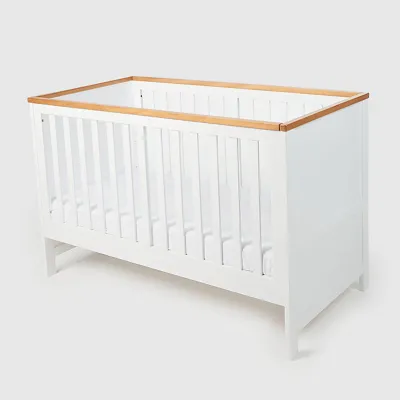
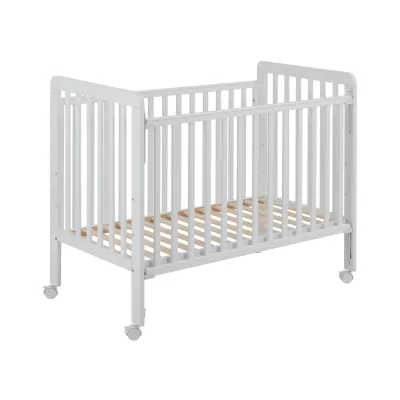
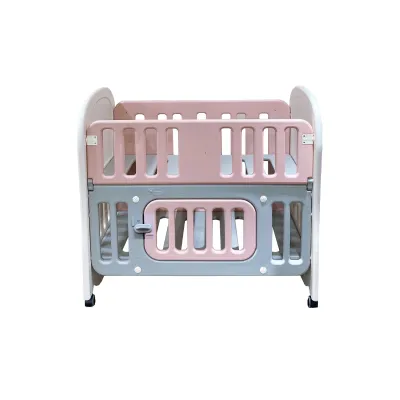

![[SG Stock]Brotish Multifunctional 2 Layer Portable Infant Baby Cot Playpen Travel Cot Bed Double-deck Playpen Sleep Bed](https://img.lazcdn.com/g/p/9306630fe674b3e82e74c940f19a16cd.jpg_400x400q80.jpg_.webp)

Prices are valid at publication and may change. Please refer to the product page for the latest price.
Instead, the regulatory framework relies on suppliers ensuring their products meet international safety benchmarks before they are offered for sale. This means the responsibility of verifying compliance often falls on the consumer at the point of purchase. When shopping at local retailers or online marketplaces, you should not hesitate to ask the seller for official documentation demonstrating that the cot bed has undergone rigorous testing.
A reputable retailer should be able to provide a Declaration of Conformity or a copy of an independent laboratory test report. These documents, issued by accredited third-party testing bodies, confirm that the specific model has passed mechanical and chemical safety tests. When reviewing these reports, verify that the model number on the certificate matches the exact model you intend to buy, and check that the testing was conducted against a recognized international standard.
Recognizing and Verifying International Safety Certifications
Because Singapore adopts a global approach to product safety, cot beds sold locally are typically manufactured to comply with major international standards. The most common frameworks you will encounter are European, British, Australian/New Zealand, and American standards. Each of these frameworks outlines strict design, structural, and material requirements to minimize the risk of injury to infants and toddlers.

The European standard, designated as EN 716 (specifically EN 716-1 and EN 716-2), is widely regarded as a benchmark for children’s cots and folding cots. This standard governs aspects such as the distance between slats, the height of the cot sides, and the strength of the base. In the United Kingdom, this is mirrored as BS EN 716. If you are looking at products imported from Australia or New Zealand, look for compliance with AS/NZS 2172, which enforces stringent structural integrity and impact tests. For American imports, the relevant standard is ASTM F1169, which establishes safety specifications for full-size baby cribs.
To verify these claims, look for standard reference numbers permanently marked on the product itself, usually on the underside of the mattress base or on an inner rail. The user manual and product packaging should also clearly state which standards the cot bed meets. Do not rely on vague marketing terms like “safety certified” or “meets all standards” without a specific reference number. Always verify that the standard cited is the most current version, as safety requirements are updated periodically to address newly identified hazards.
Essential Physical Safety Checks Before and During Use
Even when a cot bed claims compliance with international standards, performing your own physical inspection is a vital safeguard. The structural design of the cot bed must prevent the most common nursery accidents, including head entrapment, limb wedging, and falls. Before assembling or using the cot bed, consult the manufacturer’s documentation to understand its specific weight limits, age recommendations, and assembly instructions.
Begin by measuring the spacing between the vertical slats. According to international safety guidelines, the gap between slats must be between 50 mm and 65 mm. If the gaps are too narrow, a baby’s arm or leg can easily become wedged; if they are too wide, there is a severe risk of head entrapment. Ensure that all slats are securely fixed in place and do not rotate or bend when pressure is applied.
Next, evaluate the mattress fit, which is critical for preventing suffocation. The mattress must fit snugly within the cot frame, leaving virtually no space along the sides or ends. As a general rule, the gap between the mattress and any part of the cot sides should not exceed 20 mm. If you can fit more than two fingers between the mattress and the cot frame, the mattress is too small and poses an entrapment hazard.
If the cot bed features a drop-side mechanism, inspect the locking systems with extreme care. Drop-side cots have been heavily restricted or banned in several international markets due to risks associated with hardware failure and infant entrapment. If you choose to use a model with a drop-side, ensure it features a double-action locking mechanism that cannot be accidentally released by a child or by simple bumping. Regularly test these locks, along with all bolts, screws, and brackets, to ensure they remain tight and structurally sound.
Finally, run your hands over all surfaces of the cot bed to check for sharp edges, splinters, or rough wood. Inspect the finish for any signs of peeling paint or varnish. Because infants frequently chew on cot rails during teething, the paint or protective coating must be non-toxic and lead-free. Many modern cot beds include protective teething covers along the top rails, which should be securely attached and free from cracks.
Red Flags and Conditions for Stopping Use
As your child grows and becomes more active, the physical demands on the cot bed increase. Regular maintenance and vigilant monitoring are necessary to ensure the sleeping environment remains secure. You must establish clear boundaries for safe usage and be prepared to discontinue use immediately if the structural integrity of the cot bed is compromised.
Critical failure signs that require you to stop using the cot bed immediately include cracked or split wooden rails, loose joints that wobble even after tightening, stripped screw threads, or malfunctioning locking mechanisms. If any hardware component is lost or broken, do not attempt to repair it with generic screws or brackets from a hardware store. Standard household fasteners may not possess the shear strength required to support the cot’s structure under dynamic loads, such as when a toddler bounces. Always contact the manufacturer or authorized distributor for genuine replacement parts.
Using second-hand or handed-down cot beds carries inherent risks that require extra caution. Older models may feature outdated safety designs, such as wider slat spacing, decorative cut-outs in the headboards that can trap limbs, or unsafe drop-side mechanisms. Furthermore, second-hand furniture often lacks the original assembly manual, making correct setup difficult, and may have suffered invisible material degradation from improper storage in humid climates.
If you identify a safety concern or suspect a manufacturing defect, stop using the cot bed and transition your child to a safe alternative sleeping arrangement. Contact the retailer or manufacturer immediately to report the issue. You should also check the product recall portals managed by Enterprise Singapore or international consumer safety databases to see if your specific model is subject to a safety recall.
Frequently Asked Questions (FAQ)
Do all cot beds sold in Singapore need a specific local safety mark? (FAQ)
No, cot beds sold in Singapore do not require a specific local safety mark, such as the SAFETY Mark used for controlled electrical goods. Instead, they are regulated under general consumer product safety laws. Importers and retailers must ensure that these products are safe, which is typically demonstrated by compliance with recognized international standards like EN 716, AS/NZS 2172, or ASTM F1169.
Is it safe to buy a second-hand cot bed in Singapore? (FAQ)
Buying a second-hand cot bed carries significant safety risks and is generally not recommended unless you can verify its complete history. If you choose to purchase or accept a used cot, you must ensure it has not been recalled, possesses all original assembly hardware, includes the manufacturer’s instruction manual, and meets modern safety standards, including slat spacing between 50 mm and 65 mm.
How can I verify if a cot bed model has been recalled? (FAQ)
To verify if a cot bed has been recalled, search the product recall and safety alert databases hosted by Enterprise Singapore. You can also consult international consumer safety portals, such as the European Commission’s Safety Gate or the United States Consumer Product Safety Commission (CPSC) database. Additionally, registering your product directly on the manufacturer’s website ensures you receive direct safety alerts.
Community discussion
Share your experience or ask a question. Comments are reviewed before publication.