
Choosing between a contoured and a flat diaper changing mat comes down to balancing immediate newborn security with long-term versatility. While contoured mats feature raised sides designed to keep a baby centered during changes, flat mats offer a uniform, highly portable surface that easily transitions to floor play as your child grows. Neither design eliminates the risk of falls on its own, meaning your daily routine, nursery setup, and commitment to active supervision will ultimately dictate which style is more practical for your home.
Core Structural Differences and Safety Boundaries
Contoured mats are typically constructed from dense foam with a curved, concave center and raised outer walls. These elevated edges are designed to cradle the baby, creating a distinct physical boundary. In contrast, flat changing mats maintain a uniform thickness across the entire surface. They lack any built-in borders or raised barriers, presenting a completely level plane.
Regardless of the shape you choose, it is critical to understand that no diaper changing mat is a safety device capable of preventing falls. A contoured edge is not a physical restraint. The absolute baseline safety rule for diaper changes is that a caregiver must keep at least one hand on the baby at all times. Even a brief moment of distraction can lead to a fall from an elevated surface, regardless of how high the mat’s edges are.
Products mentioned in this guide

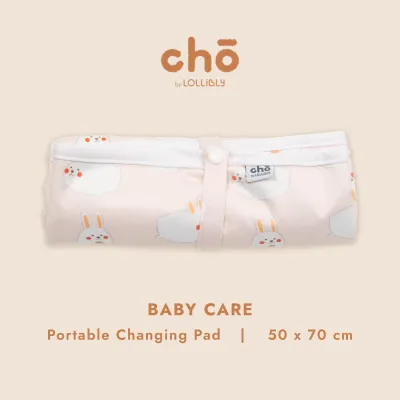
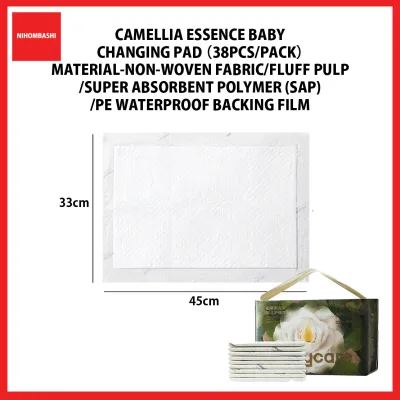


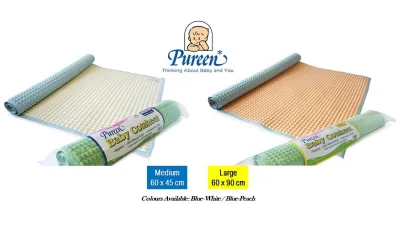

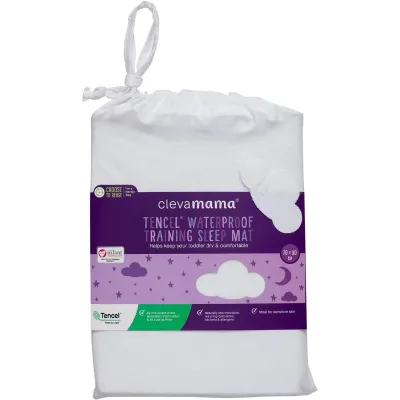
Prices are valid at publication and may change. Please refer to the product page for the latest price.
When shopping, parents must carefully review the manufacturer’s product labels and instruction manuals. Look for specific weight limits and age recommendations, as some contoured models are only rated for infants up to a certain weight or developmental milestone. Additionally, verify material safety certifications, such as certifications for foam and waterproof covers, to ensure the materials are free from harmful chemicals and heavy metals.
Evaluating Safety: Containment vs. Fall Risks
During the first few months of life, a newborn’s movements are relatively limited. A contoured mat excels during this stage by gently centering the infant in the middle of the pad, which can make diaper changes feel more secure for new parents. However, as your baby develops and begins to wiggle, kick, or attempt to roll, these same raised edges can present a different kind of hazard. An active baby can leverage their feet against the raised sides, potentially pushing themselves upward or flipping over the edge more easily than they would on a flat surface.

Flat changing mats do not offer any physical containment, which places the responsibility for spatial awareness entirely on the caregiver. Because there are no raised borders to act as a visual or physical buffer, you must remain highly vigilant about the baby’s position relative to the edge of the changing table. This design requires strict, uninterrupted physical contact, especially as the baby enters the rolling phase. However, because there are no side walls to push against, some parents find that active older babies are less prone to leverage-based flips on a flat surface.
The safety of any changing mat also depends heavily on how securely it sits on the underlying furniture. When evaluating either design, inspect the bottom surface for robust anti-slip features. Look for mats with high-friction rubberized backings, silicone grip patterns, or integrated safety straps that anchor the mat directly to the changing table or dresser. A mat that slides easily across a polished wooden surface poses a significant risk, particularly when you are managing a squirming infant.
Practicality and Daily Routine Fit
Diaper changes are inherently messy, making ease of cleaning a primary practical consideration. Flat changing mats are exceptionally straightforward to maintain; their smooth, continuous surfaces can be wiped down in seconds with a damp cloth and mild soap. Contoured mats, particularly those with fabric covers or stitched seams, often have crevices where liquids and debris can accumulate. Cleaning these areas requires more meticulous attention to prevent mold, bacteria, or odor buildup over time. If you choose a contoured model, look for seamless, molded foam designs that can be wiped clean without the need for removable fabric covers.
Your daily routine may require you to change diapers in multiple rooms or while traveling. Flat mats are highly advantageous in this regard, as they are typically lightweight, flexible, and easy to roll or fold into a diaper bag. They can be quickly deployed on a bed, a carpeted floor, or a hotel changing station. Contoured mats, due to their rigid foam structure and bulky shape, are generally stationary items. They are difficult to transport outside the nursery and require dedicated storage space when not in use.
The useful lifespan of a changing mat varies significantly between the two designs. Contoured mats are highly specialized and are typically outgrown once the baby reaches the rolling stage or exceeds the manufacturer’s weight limit, often around the six-to-nine-month mark. Once retired from diaper duty, they have little alternative utility. Flat mats, however, offer excellent longevity. Because they are flat and durable, they can easily transition into waterproof play mats, tummy time surfaces, or protective liners for outdoor activities long after your child is potty trained.
Before purchasing any changing mat, it is essential to measure your nursery furniture. Contoured mats have fixed, rigid dimensions and must fit precisely within the guardrails of your changing table or atop your dresser. If the mat is too large, it may overhang the edges, creating an unstable and highly dangerous surface. Flat mats offer slightly more flexibility, but they still require a flat, stable base that fully supports the entire underside of the mat. In compact Singapore apartments where multi-functional furniture is common, a smaller flat mat that can be tucked away when not in use is often a highly practical choice.
Decision Framework: Which Mat Fits Your Nursery?
Choose a contoured mat if you plan to establish a dedicated, permanent changing station in your nursery using a standard changing table or a secure dresser. This setup is ideal for parents of newborns who appreciate the physical boundaries and centering effect of raised edges during the early, frequent changing stages. It is best suited for those who do not plan to move the mat around the house or travel with it regularly.
Choose a flat mat if your parenting style favors flexibility, portability, and long-term value. A flat mat is highly practical if you live in a smaller home, prefer to change your baby on the floor or various secure surfaces throughout the house, or travel frequently. It is also highly recommended for older, highly active babies who have outgrown the physical constraints of contoured designs and require a versatile surface that can double as a play mat.
Before making a final decision, always measure the exact surface area where the mat will be placed. Check that the mat’s dimensions align perfectly with your furniture and that any included safety straps or anti-slip backings are compatible with the surface material. Review the manufacturer’s safety guidelines to ensure the mat is rated for your baby’s current weight and developmental stage.
Frequently Asked Questions (FAQ)
Do I need a changing mat if I use a changing table with built-in rails?
Yes, a changing mat is still highly recommended even if your changing table features built-in wooden or metal safety rails. While the furniture’s rails provide the primary structural barrier to prevent falls, they do not offer the cushioning or hygienic benefits of a dedicated mat. A high-quality changing mat provides a soft, supportive surface for your baby’s head and body, and its waterproof exterior makes it easy to clean up inevitable messes. Always ensure the mat fits snugly within the built-in rails without overlapping or sliding.
Are contoured changing mats safe for older, rolling babies?
Contoured changing mats become less practical and potentially less safe once a baby begins to roll over or push up on their hands and knees. The raised edges, which are helpful for keeping a newborn centered, can be used as leverage by an active older baby to roll or push themselves over the side. If your baby is showing signs of rolling or has outgrown the manufacturer’s recommended weight or age limits, it is safest to transition to a flat mat placed on the floor for all future diaper changes.

Community discussion
Share your experience or ask a question. Comments are reviewed before publication.