
Finding the right detergent for your Baby Brezza bottle washer is essential to keep your infant’s feeding gear clean and protect your appliance from costly mechanical failures. Automated bottle washers require highly specialized, low-sudsing detergents that can dissolve completely and rinse away cleanly under specific water pressure and temperature cycles. Using standard household dish soaps or incompatible baby detergents can lead to excessive foam, pump damage, and chemical residues on your baby’s bottles, nipples, and pacifiers. To ensure safe operation, caregivers must select formulas that align strictly with the manufacturer’s guidelines, focusing on low-foaming, plant-based liquid options or official detergent tablets.
Why Detergent Choice Matters for Bottle Washers
Automated bottle washers are precision appliances engineered to clean delicate baby items using targeted water jets, high temperatures, and controlled drainage cycles. Unlike traditional hand-washing in a sink, where high-sudsing soap is desirable for manual scrubbing, automated systems rely on mechanical water pressure to strip away milk fats and proteins. When a high-sudsing detergent is introduced into this closed environment, the rapid agitation creates an uncontrollable volume of foam. This excess foam can quickly overwhelm the internal chamber, leading to water and suds escaping through ventilation ports or door seals, potentially damaging surrounding kitchen countertops or electrical outlets.
Beyond the immediate mess of an overflow, excessive suds pose a severe threat to the machine’s internal components. The water pump is designed to move liquid, not air-filled foam. When foam enters the pump assembly, it causes the motor to spin without sufficient water resistance, a condition known as dry running. This places immense strain on the pump motor, leading to overheating, premature wear, and eventual mechanical failure. Additionally, thick foam can coat the electronic sensors that monitor water levels, causing them to misread the water level, trigger persistent error codes, or halt the wash cycle prematurely.
Products mentioned in this guide
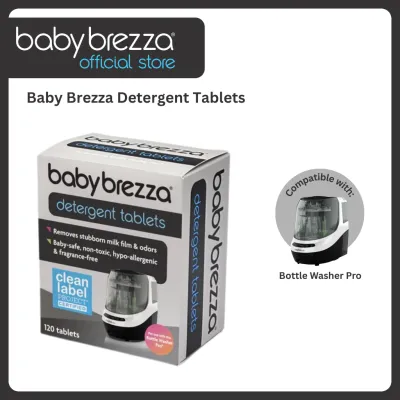
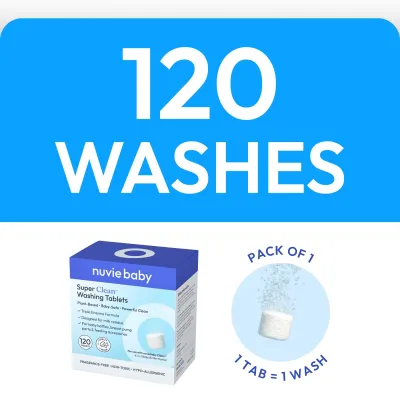
Prices are valid at publication and may change. Please refer to the product page for the latest price.
The safety of your baby is another critical reason to choose the correct detergent. Automated cycles use a set volume of water for rinsing. If a detergent produces too much lather or contains heavy binding agents, the standard rinse cycles may not be sufficient to wash away all chemical residues. This can leave a thin, invisible film of soap on the interior walls of bottles, nipples, and pacifiers. When these items are filled with milk or formula, the residue can dissolve into your baby’s feed, potentially causing digestive discomfort.
Finally, using unauthorized or incompatible detergents can have serious financial consequences. Manufacturers design their appliances to operate under specific chemical and physical conditions. If a machine fails due to the use of an unapproved, high-sudsing, or corrosive detergent, the resulting damage is typically classified as user error. This can void the manufacturer’s warranty, leaving you responsible for the full cost of repairs or replacement parts.
Official vs. Third-Party Detergents: What You Need to Know
When operating your automated bottle washer, you generally have two paths: using the manufacturer’s official detergent or sourcing compatible third-party alternatives. The official Baby Brezza detergent, often supplied in pre-measured tablet or specific liquid forms, represents the baseline for guaranteed compatibility. These official formulas are custom-engineered to dissolve at the exact water temperatures used during the machine’s cycles and are calibrated to produce virtually zero suds. By using the official product, you eliminate the guesswork associated with dosage and chemical compatibility, ensuring that the machine rinses clean every time without leaving any film or causing mechanical errors.

However, many caregivers seek third-party alternatives due to local availability, cost considerations, or a preference for specific organic ingredients. If you choose to deviate from the official brand, you must ensure the alternative meets strict criteria. A compatible third-party detergent must be a low-sudsing, highly concentrated liquid formulated specifically for automated baby care appliances or high-efficiency (HE) dishwashers, provided the manufacturer’s manual permits such use. These formulas must be free from phosphates, chlorine, and synthetic dyes, relying instead on mild, plant-based surfactants that break down milk proteins without creating a mountain of bubbles.
Before introducing any third-party detergent into your bottle washer, it is vital to consult your specific model’s user manual and warranty terms. Some appliance warranties explicitly state that damage caused by third-party cleaning agents is not covered. If you decide to use an alternative, keep detailed purchase records of both the machine and the detergent, and carefully monitor the first few cycles. If you observe any excess foaming, film on the bottles, or unusual pump noises, stop using the alternative immediately and revert to the manufacturer’s recommended formula to protect your investment.
Key Criteria for Choosing a Compatible Baby Detergent
To evaluate whether a third-party baby detergent is safe for your automated bottle washer, you must look beyond the marketing claims on the front label and analyze the specific physical and chemical properties of the formula. The primary criterion is the suds level. Traditional baby dish soaps are formulated for sink washing and contain high concentrations of foaming agents like sodium lauryl sulfate (SLS) or sodium laureth sulfate (SLES). For an automated washer, you must select formulas explicitly labeled as “low-suds,” “low-foaming,” or designed for “machine use.” Highly concentrated, low-lather formulas are ideal because they require only a tiny volume to break down milk fats, minimizing the risk of foam buildup while maximizing cleaning efficiency.
Ingredient safety is another non-negotiable factor when selecting a detergent for infant feeding items. Look for plant-derived surfactants, such as those derived from coconut or corn, which naturally break down organic residues without leaving harsh chemical traces. The formula must be entirely fragrance-free and dye-free. Artificial fragrances and colorants serve no cleaning purpose and are notorious for adhering to silicone nipples and plastic bottles, leaving a persistent scent that can deter a sensitive baby from feeding. Additionally, ensure the formula is hypoallergenic and dermatologically checked, as any microscopic residue that remains could come into contact with your baby’s mouth and skin.
Rinse-ability is the third essential pillar of compatibility. An automated bottle washer operates on a fixed timeline with a predetermined volume of water. The detergent must be highly water-soluble, meaning it breaks down rapidly and completely when exposed to the machine’s heated wash cycles. It should not require excessive mechanical scrubbing or prolonged rinsing to disappear. A highly rinse-able formula will leave the bottles sparkling clean, dry, and completely free of the cloudy, white film that often indicates hard water interaction or undissolved soap residue.
Detergent Types to Avoid in Your Bottle Washer
Understanding what not to put into your automated bottle washer is just as important as knowing what is compatible. First and foremost, standard adult liquid dish soaps and natural castile soaps must never be used in these machines. Standard dish soaps are formulated to create thick, long-lasting suds to help manual hand-washing. Even a single drop of regular dish soap can cause an automated bottle washer to overflow with foam within minutes, triggering immediate sensor errors, risking electrical short circuits, and potentially burning out the water pump. Castile soaps, while natural, contain high levels of oils that can react with minerals in the water to form a sticky scum, clogging the machine’s internal spray nozzles and leaving a greasy residue on bottles.
You must also avoid any detergents containing harsh chemical additives, such as chlorine bleach, strong synthetic enzymes, or heavy artificial fragrances. Bleach can degrade the silicone seals and plastic components inside the washer over time, leading to leaks and mechanical breakdown. Strong enzymes, while effective at breaking down stains on clothing, can be difficult to rinse completely from the narrow necks of baby bottles and may cause oral irritation if ingested by an infant. Heavy fragrances will bond chemically with the plastic and silicone of feeding gear, creating an unpleasant taste and smell that can cause babies to reject their bottles.
Finally, completely avoid powdered detergents, standard dishwasher pods, or laundry detergent sheets. Powdered formulas often require high water volumes and prolonged agitation to dissolve fully. In the relatively short, water-efficient cycles of a baby bottle washer, undissolved powder grains can accumulate in the water lines, spray arms, and filters, leading to severe clogs and reduced water pressure. Pods and sheets are also highly discouraged because their outer casings may not dissolve properly at the machine’s operating temperatures, and their concentrated chemical payloads are far too aggressive for delicate baby plastics, risking warping or chemical degradation.
How to Verify Compatibility and Maintain Your Machine
Before pouring any new detergent into your Baby Brezza bottle washer, establish a systematic verification process. Start by cross-referencing the ingredient list and usage instructions on the detergent bottle with the specific guidelines outlined in your machine’s user manual. Look for explicit warnings regarding chemical compatibility or dosage limits. If the manual states that only the manufacturer’s proprietary tablets should be used, deviating from this instruction is done at your own risk. If the manual permits compatible alternatives, ensure the detergent’s label explicitly supports automated machine use.
If you decide to test a new, compatible liquid detergent, perform a small-batch observation test. Load the machine with just a few non-essential plastic items or run an empty cycle. Add a highly conservative amount of the detergent—typically a fraction of what you would use for hand-washing, such as a few drops or a quarter-teaspoon, depending on the manufacturer’s guidance. Start a standard wash cycle and remain nearby to observe the machine. Watch the drainage area and the transparent door (if applicable) for any signs of rapid foam accumulation. Listen to the pump; if it begins to make a high-pitched, straining, or sucking sound, it may be struggling with air pockets caused by suds. If the cycle completes successfully, inspect the items for any soapy smell, slippery feel, or white residue.
Maintaining your bottle washer is crucial to preventing detergent buildup and ensuring long-term performance. Over time, even the most compatible detergents can leave microscopic mineral and soap deposits inside the water lines and heating elements. To combat this, perform a routine descaling cycle at least once a month, or more frequently if you live in an area with hard water. Use a food-grade descaling solution or white vinegar as recommended by the manufacturer to dissolve calcium deposits and soap scum. Additionally, regularly remove and clean the machine’s water filter, rinsing away any trapped debris or undissolved residue to maintain optimal water flow and hygiene.
Frequently Asked Questions (FAQ)
Can I use regular dish soap in a Baby Brezza bottle washer?
No, you should never use regular dish soap in a Baby Brezza bottle washer. Regular liquid dish soaps are formulated to produce a high volume of suds to assist with manual hand-washing. In an automated machine, these soaps will rapidly create an excessive amount of foam that can overflow the wash chamber, damage the internal water pump, and trigger electronic sensor errors. Additionally, regular dish soaps are highly viscous and difficult for the machine’s automated rinse cycles to wash away completely, leaving potentially harmful chemical residues inside narrow bottle necks and silicone nipples.
How much detergent should I use per wash cycle?
The exact amount of detergent depends on whether you are using the manufacturer’s official tablets or an approved third-party liquid alternative. For official tablets, always use exactly one tablet per cycle as directed. If you are using an approved, low-sudsing liquid alternative, you must use an extremely small amount—often just a few drops or up to a quarter-teaspoon. Always consult both the detergent label and your bottle washer’s user manual for precise dosage instructions. Using too much detergent will not make the bottles cleaner; instead, it increases the risk of suds overflow and soapy residue.
What should I do if my bottle washer overflows with suds?
If your bottle washer begins to overflow with suds, immediately pause or cancel the cycle and unplug the machine from the electrical outlet to ensure safety. Do not attempt to open the door while the machine is actively running or full of hot water. Once unplugged and safe, carefully open the door and use a clean towel to scoop out as much foam as possible. Wipe down the interior walls, spray arms, and seals to remove soap residue. Remove the water filter and rinse it under clean tap water. Once the excess suds are cleared, plug the machine back in and run a rinse-only cycle with clean water—without adding any detergent—to flush out the internal water lines and pump.
Community discussion
Share your experience or ask a question. Comments are reviewed before publication.