
Finding a reliable waterproof diaper bag in Singapore is a priority for parents navigating sudden tropical downpours, humid outdoor parks, and busy public transit. While many brands claim to offer the ultimate combination of storage and water protection, the right choice depends heavily on your daily routine, the age of your child, and how you prefer to carry your gear. Rather than relying solely on marketing buzzwords, making an informed decision requires looking closely at material specifications, internal compartment designs, and ergonomic features. By understanding what makes a bag truly functional, you can select a durable option that keeps your baby essentials dry and organized.
How to Verify Waterproof Claims and Material Quality
To truly understand a bag’s ability to repel water, you must look beyond the generic waterproof label on the packaging. Most consumer diaper bags are technically water-resistant rather than fully submersible, which is usually sufficient for daily urban use. Look for materials like high-density nylon, polyester with a polyurethane (PU) coating, or thermoplastic polyurethane (TPU) laminates. These materials provide a physical barrier against moisture, ensuring that a sudden afternoon downpour does not soak through to your baby’s clean clothes, dry formula, or electronic accessories.
Pay close attention to the construction of the seams and zippers, as these are the most common entry points for water. High-quality brands often feature taped or welded seams and water-resistant zipper tracks to prevent moisture from seeping through the stitching. Additionally, distinguish between the bag’s exterior protection and its interior lining. A truly functional diaper bag should feature a fully waterproof internal compartment—often made of thick, easy-to-wipe TPU—specifically designed to isolate wet clothes, soiled diapers, or leaking bottles from the rest of your dry cargo.
Products mentioned in this guide

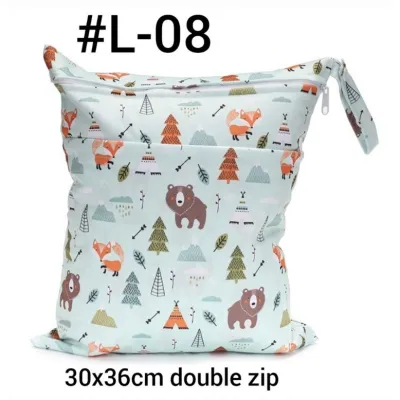
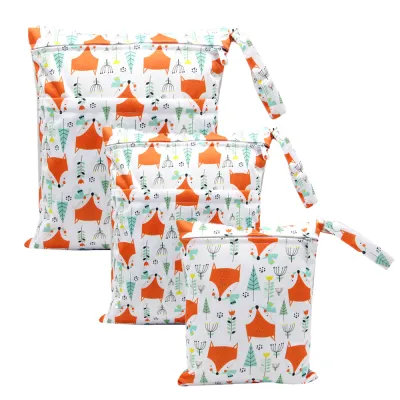
Prices are valid at publication and may change. Please refer to the product page for the latest price.
Before purchasing, check the manufacturer’s specifications for any independent testing labels or water-column ratings, which indicate how much water pressure the fabric can withstand. While high-performance outdoor gear often lists these ratings explicitly, diaper bag brands may simply describe their fabrics as water-repellent. In such cases, verifying the material composition and checking user reviews regarding real-world rain performance can help you avoid bags that absorb moisture and become heavy when wet.
Evaluating Capacity and Organizational Features
Selecting the right capacity requires a realistic assessment of your daily outings, your child’s developmental stage, and your family size. For short trips to a local mall or neighborhood clinic, a compact bag of 15 to 20 liters is generally sufficient to hold a few diapers, a travel pack of wipes, a change of clothes, and a single bottle. However, if you are planning full-day excursions to outdoor parks, or if you are packing for multiple children, a larger capacity of 25 to 30 liters becomes necessary to accommodate extra snacks, toys, and spare outfits.

Organization is just as critical as raw volume when managing baby gear on the go. Look for a bag that offers dedicated, insulated bottle pockets to help maintain the temperature of milk or warm water during your travels. Separate wet and dry compartments are essential for maintaining hygiene, allowing you to store soiled items securely without contaminating clean baby clothes. Furthermore, evaluate the bag’s physical layout; deep, unstructured main compartments often lead to clutter, whereas bags with wide-opening doctor-bag style tops or multiple zippered sub-pockets allow you to locate items quickly in an emergency.
Ergonomics should never be overlooked, especially when carrying a fully loaded bag in Singapore’s warm, humid climate. Look for wide, padded shoulder straps lined with breathable mesh to minimize heat retention and distribute weight evenly across your shoulders. Integrated stroller clips or luggage sleeves are highly valuable additions, allowing you to transfer the weight of the bag from your body to your stroller frame during long walks. When using stroller clips, always verify the manufacturer’s weight limits and ensure the stroller remains stable to prevent tipping, which can pose a safety risk to your child. Many premium options also include a matching, easy-to-clean waterproof changing pad, which provides a hygienic surface for diaper changes in public restrooms.
Comparing Diaper Bag Styles for Daily Convenience
The structure of your diaper bag directly influences your comfort and mobility throughout the day. Backpack-style diaper bags are widely favored by active parents because they distribute weight symmetrically across both shoulders, reducing the risk of muscle strain during extended wear. This style keeps both of your hands completely free, making it much easier to push a stroller, hold a toddler’s hand, or navigate busy escalators in transit stations. The primary trade-off is that you must remove the backpack entirely to access items stored deep in the main compartment.
Tote-style diaper bags offer a more classic, professional aesthetic and provide exceptionally quick access to your belongings through a wide top opening. They are highly convenient for quick car trips or short strolls where you can easily rest the bag on a flat surface to retrieve items. However, carrying a heavily loaded tote on one shoulder for long periods can cause significant neck and shoulder discomfort. If you choose a tote, look for models that include a detachable, adjustable crossbody strap to offer alternative carrying methods when your hands are full.
Messenger and crossbody diaper bags occupy a middle ground, offering quick access to your gear without requiring you to take the bag off. They are highly suitable for parents who prefer a minimalist carry setup and only need to pack the bare essentials for a quick outing. The main limitation of the messenger style is its restricted capacity; overloading a crossbody bag can create an unbalanced load that strains your back and makes maneuvering in tight spaces uncomfortable.
Decision Framework: Choosing the Right Bag for Your Routine
To narrow down your choices among the various brands available, align the bag’s design with your primary parenting scenarios and lifestyle needs. If your daily routine involves long walks outdoors, frequent use of public transport, or managing more than one young child, a high-capacity waterproof backpack is almost always the most practical investment. The hands-free convenience and ergonomic support outweigh the minor inconvenience of having to take the bag off to retrieve items.
Conversely, if your outings are primarily centered around quick trips to indoor spaces, dining out, or environments where you want a bag that transitions seamlessly into a professional or casual work setting, a structured waterproof tote is an excellent choice. Whichever style you prefer, prioritize brands that offer clear warranty terms covering manufacturing defects, zipper failures, or premature peeling of the waterproof coating. Before finalizing your purchase on any online marketplace, verify the seller’s return policy to ensure you can exchange the product if it does not meet your expectations upon physical inspection.
Smart Shopping and Pre-Purchase Checks
When shopping for a waterproof diaper bag in Singapore, prices can range from approximately S$40 for basic utility models to over S$200 for premium designer brands. To ensure you are receiving a genuine product with high-quality waterproof materials, compare prices across official brand websites and authorized distributors. Be cautious of deals on unauthorized online marketplaces that seem unusually low, as counterfeit bags often use cheap PVC coatings that emit strong chemical odors and degrade rapidly under local humid conditions.
Once your bag arrives, perform a thorough physical inspection before removing any tags or using it outdoors. Test all zippers multiple times to ensure they glide smoothly without catching on the fabric, and inspect the interior seams to confirm that any waterproofing tape or lining is fully intact and free of bubbles. To prolong the lifespan of your bag’s waterproof properties, always follow the manufacturer’s care instructions. Avoid machine washing or tumble drying unless explicitly authorized by the brand, as the heat and agitation can crack the protective coatings and compromise the bag’s water resistance.
Frequently Asked Questions (FAQ)
How do I clean a waterproof diaper bag without damaging the coating?
To maintain the integrity of the waterproof barrier, the safest cleaning method is to spot-clean the bag using a soft, damp cloth and a mild, pH-neutral soap. Gently wipe down both the exterior fabric and the interior lining to remove dirt, spit-up, or spilled liquids, avoiding abrasive sponges or harsh chemical cleaners that can strip away the protective polyurethane or TPU coatings. After cleaning, open all compartments fully and allow the bag to air dry completely in a well-ventilated, shaded indoor area; never expose the bag to direct, intense sunlight or high heat sources, as this can cause the waterproof layers to warp, crack, or delaminate.
Can I use a regular waterproof bag instead of a specific diaper bag?
While a standard waterproof backpack or dry bag can protect your belongings from rain, it generally lacks the specialized organizational features that make daily parenting manageable. Standard bags rarely include insulated pockets to keep milk bottles at a safe temperature, nor do they feature dedicated wet/dry compartments to isolate soiled clothes from clean items. If you choose to use a regular waterproof bag, you will likely need to purchase separate organizing pouches, stroller straps, and a portable changing mat to achieve the same level of convenience and safety offered by a dedicated diaper bag.
Community discussion
Share your experience or ask a question. Comments are reviewed before publication.