
Finding the most comfortable twin feeding pillow for long feeding sessions requires looking beyond brand marketing to evaluate structural support, foam density, and ergonomic design. Feeding two babies simultaneously is a physically demanding task that can last for hours each day. Without the right support, caregivers often experience severe strain in their neck, shoulders, and lower back. The ideal pillow must provide a stable, level platform that keeps both babies at the correct height for breastfeeding or bottle-feeding, while wrapping securely around the caregiver’s waist to eliminate gaps. Because every body shape and feeding setup is different, the most comfortable option is the one that matches your physical frame, your preferred feeding positions, and your home environment.
Key Comfort Features to Evaluate in Twin Feeding Pillows
When evaluating different twin feeding pillow options, firmness is the single most critical factor for long-term comfort. While a soft, plush pillow might feel cozy to the touch, it will quickly sag under the combined weight of two babies. This sinking effect forces the babies to roll inward or outward, disrupting their latch and compelling the caregiver to hunch forward to maintain contact. High-density polyurethane foam or highly compressed polyester fiberfill provides the necessary resistance to keep both babies level with the breast or bottle without sagging, protecting the caregiver’s posture over extended sessions.
Ergonomic shape and waist support are equally vital for reducing physical strain. A well-designed twin pillow must distribute the babies’ weight across the caregiver’s hips and lap rather than pulling down on the neck and shoulders. Pillows that feature integrated lumbar support or attachable backrests help maintain the natural curve of the spine. This structural support prevents the slouching that leads to chronic lower back pain, allowing the caregiver to remain relaxed and comfortable during long feeding cycles.
Products mentioned in this guide
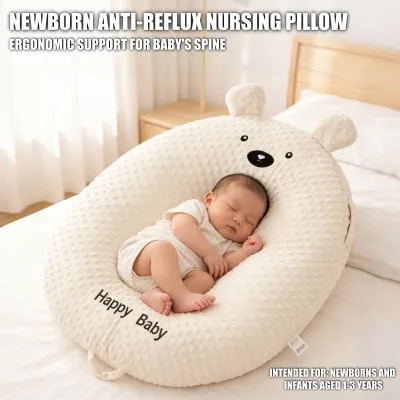
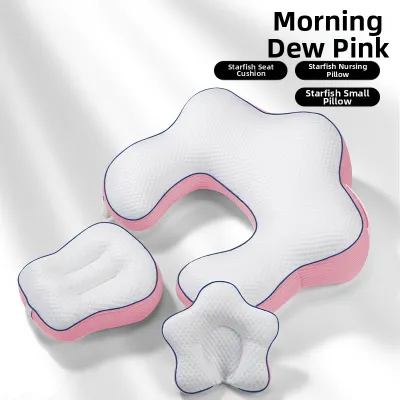
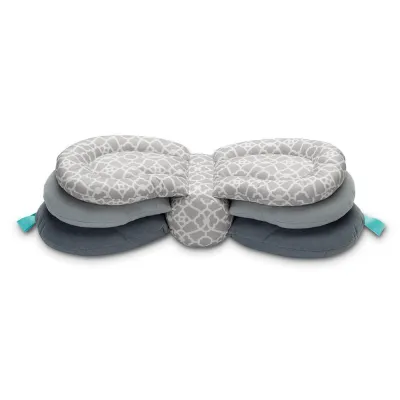
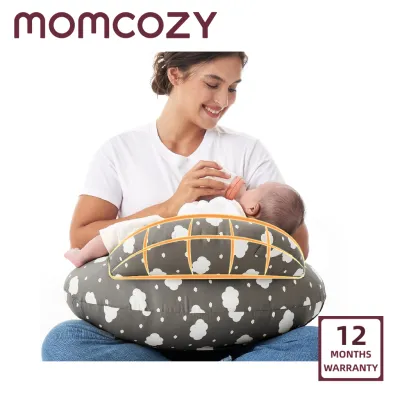
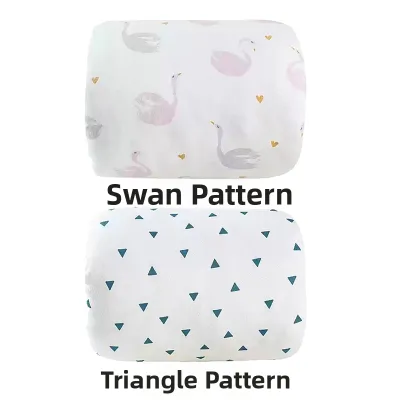
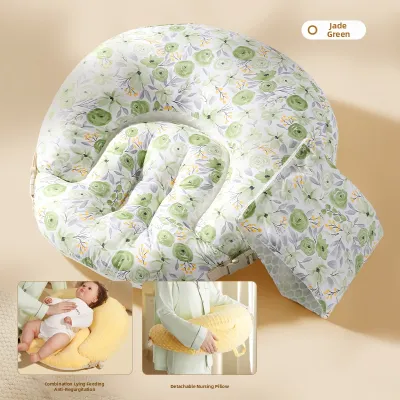
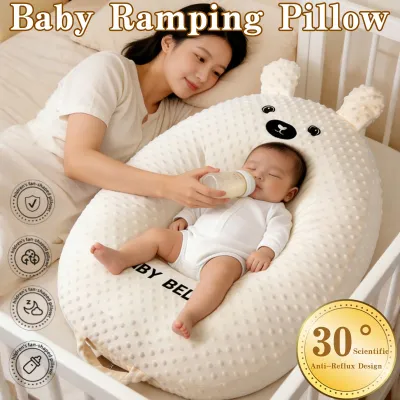
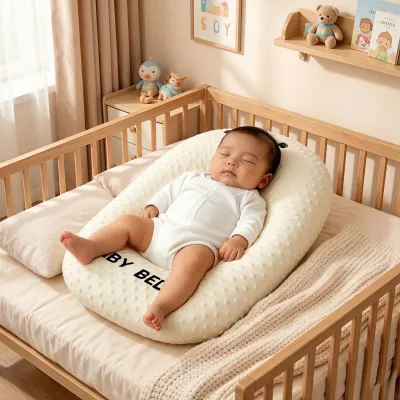
Prices are valid at publication and may change. Please refer to the product page for the latest price.
The choice of cover material directly impacts comfort, particularly in warm and humid climates like Singapore. Caregivers and babies generate significant body heat during close, skin-to-skin contact. Covers made from natural, breathable fibers—such as organic cotton, bamboo-derived rayon, or specialized moisture-wicking technical blends—help dissipate heat and keep both caregiver and babies cool. Selecting a cover that promotes airflow reduces sweating and skin irritation, making long feeding sessions much more tolerable.
Comparing Twin Feeding Pillow Shapes and Fill Types
The structural shape of a twin feeding pillow dictates how well it supports the babies and how easily the caregiver can move. U-shaped pillows typically wrap entirely around the torso and secure with a strap or buckle at the back. This design offers a wide, flat, and continuous surface on both sides of the caregiver’s body, which is ideal for the double football hold. The primary trade-off is their large footprint; these pillows can be bulky to store, difficult to position in narrow armchairs, and heavy to maneuver when holding two infants.

In contrast, C-shaped pillows slide onto the front of the waist without a rear closure. They are highly flexible and easy to put on quickly, making them convenient for rapid transitions. However, because they lack a secure rear fastening system, they can shift forward under the weight of two growing babies. This shifting creates a gap between the pillow and the caregiver’s abdomen, which can cause the babies to slip inward and disrupt the feeding process.
V-shaped pillows offer an alternative, modular support system that can be angled to fit different seating arrangements. While they are highly portable and easy to adjust, they often lack the flat, structured surface area required to keep two babies stable simultaneously. Caregivers using V-shaped designs frequently find they need to prop up the ends with additional household pillows to achieve a secure, level feeding height.
The interior filling material determines the pillow’s longevity, weight, and heat retention. Memory foam offers exceptional pressure relief and contours gently to the babies’ bodies, providing a highly stable and quiet surface. However, standard memory foam tends to retain heat and is significantly heavier than other materials. Polyester fiberfill is lightweight, highly breathable, and generally more flexible, but low-quality fiberfill can clump or flatten over time, requiring frequent fluffing to maintain an even surface.
Adjustability features play a crucial role in customizing the feeding experience. Removable foam inserts allow caregivers to adjust the height of the pillow as the babies grow and their positioning needs change. Adjustable straps or heavy-duty buckles are essential for securing the pillow tightly against the body, ensuring that the platform remains stable and does not drift away during active feeding sessions.
Decision Framework: Matching Pillow Designs to Your Needs
Selecting the right twin feeding pillow requires a realistic assessment of your physical frame, recovery needs, and home setup. A firm, U-shaped pillow with an adjustable back strap is highly recommended if you require maximum wrap-around stability and have a larger physical frame. The secure buckle system ensures the pillow stays in place, while the firm platform protects the sensitive abdominal area for those recovering from a Caesarean delivery.
If you have a smaller frame or limited seating space, a lighter, C-shaped or V-shaped pillow may be more suitable. Large, bulky pillows can overwhelm a smaller torso, forcing the caregiver’s arms into unnatural, elevated positions that cause shoulder strain. A more compact, flexible design fits easily into standard nursing gliders and is much simpler to pack for travel or visits to family.
Before making a final purchase, always verify that the brand offers fully removable, machine-washable covers and a non-slip base. Spills, spit-up, and diaper leaks are inevitable during twin feedings, and a cover that is difficult to remove or requires hand-washing will add unnecessary stress to your daily routine. A non-slip textured underside is also highly beneficial for keeping the pillow stable on slick leather or synthetic chair fabrics.
It is important to recognize that no single pillow design works for everyone. If you find that your shoulders are constantly hunching, your neck is strained, or you cannot achieve a comfortable latch despite adjusting the pillow, the design may not match your body’s proportions. In such cases, continuing to force a poor fit can lead to chronic pain; consider consulting a certified lactation specialist who can evaluate your posture and recommend personalized positioning adjustments.
Setup and Posture Tips for Extended Twin Feeding Sessions
Achieving long-term comfort during twin feeding sessions requires looking at the entire seating environment rather than relying solely on the pillow. Caregivers should sit in a supportive chair that allows their feet to rest flat on the floor. If the chair is too high, using a footrest or a small stool to elevate the knees slightly will tilt the pelvis backward, naturally relieving pressure on the lower spine. Placing a small, firm cushion behind the lower back can also fill any remaining gaps to provide optimal lumbar support.
When positioning twins for simultaneous feeding, the double football hold is highly effective for breastfeeding, as it keeps both babies supported along the sides of the caregiver’s body. For bottle-feeding, placing both babies in the pillow’s front contours facing slightly inward allows the caregiver to hold both bottles comfortably without twisting their wrists. Ensuring the babies’ heads are elevated slightly above their tummies helps promote digestion and reduces reflux.
Caregivers must remain highly attentive to physical warning signs during long sessions. If you feel your shoulders tensing up toward your ears, or if you find yourself leaning forward to meet the babies, stop and adjust your posture immediately. If a baby begins to slip into a gap or their latch becomes shallow, gently break the suction, reposition the pillow, and re-latch. Taking a few seconds to reset your posture prevents long-term muscle strain and ensures a safer, more comfortable feeding experience for both you and your babies.
Frequently Asked Questions (FAQ)
Can I use a regular nursing pillow for twins?
Regular nursing pillows are designed to support only one baby at a time and generally lack the surface area, depth, and lateral support required for twins. Attempting to balance two babies on a single-baby pillow often forces them to roll off the sides or slide into the middle, creating safety hazards and forcing the caregiver into highly strained, uncomfortable postures. Investing in a dedicated twin feeding pillow is essential for maintaining proper ergonomics and safety.
How do I clean a twin feeding pillow after a long feeding session?
Always check the manufacturer’s care label first, as cleaning instructions vary depending on the materials used. Most high-quality twin pillows feature a removable outer cover that can be machine-washed on a gentle cycle with mild, baby-safe detergent. For the inner foam core or fiberfill, spot cleaning with a damp cloth and mild soap is typically recommended; never submerge solid foam cores in water, as they can trap moisture and harbor mold. Ensure all components are completely dry before reassembling.
Community discussion
Share your experience or ask a question. Comments are reviewed before publication.