
Feeding a newborn is a beautifully intimate experience, but the repetitive physical demands can quickly take a toll on a caregiver’s body. With infants feeding up to twelve times a day in the early weeks, maintaining an awkward posture for extended periods often leads to persistent strain in the neck, shoulders, and lower back. A high-quality baby nursing pillow is designed to alleviate this physical burden by elevating the infant to the correct height, allowing the caregiver to maintain a relaxed, upright posture. However, finding the right pillow is not about chasing a specific brand name; instead, it requires matching the pillow’s structural design to your unique body shape, posture needs, and feeding style.
Ergonomic comfort is highly individual, meaning the “best” brand is simply the one whose physical specifications align with your daily routine. Wrap-around pillows that feature integrated back support and secure waist straps are highly recommended for individuals recovering from abdominal surgery or those experiencing chronic lumbar pain. Conversely, classic C-shaped pillows offer unmatched convenience and portability, making them ideal for quick positioning and moving easily between different rooms. To find the perfect fit, caregivers must look past marketing claims and carefully evaluate the actual structural specifications, filling density, and adjustability of each model.
Core Dimensions for Evaluating Ergonomic Support and Comfort
When comparing different brands of nursing pillows, the choice of filling material directly dictates the level of physical support you and your baby will receive. Soft, plush fillings like standard polyester fiberfill tend to compress under the baby’s weight, causing the infant to sink downward over time. When a baby sinks, the caregiver naturally hunches forward to maintain the feeding connection, which quickly leads to neck and shoulder strain. Opting for high-density polyester fiber, molded foam, or firm memory foam cores ensures the pillow retains its shape, providing a stable, flat platform that keeps the baby positioned at the correct height throughout the entire feeding session.
Products mentioned in this guide
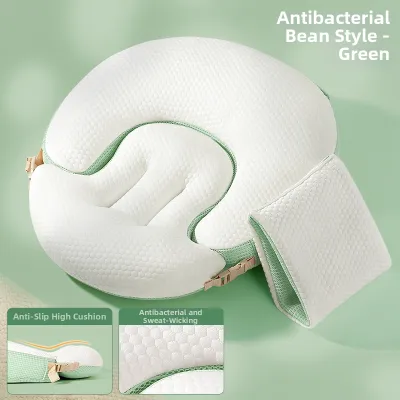
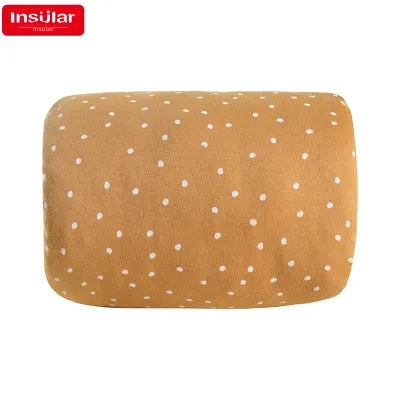
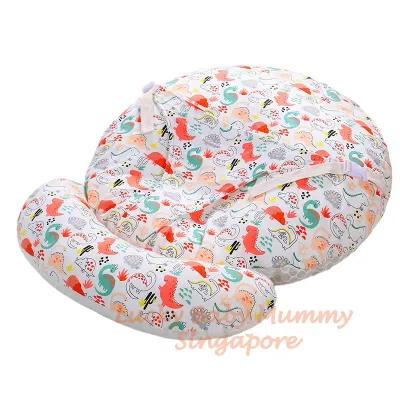

Prices are valid at publication and may change. Please refer to the product page for the latest price.
The overall shape and wrap design of the pillow determine how securely it anchors to your body. Open designs, such as standard semi-circles, rely on the natural tension of the cushion to hug the waist, which can result in the pillow shifting or sliding forward when you move. This shifting creates a physical gap between your abdomen and the pillow, allowing the baby to roll inward or slide down into the crevice. Wrap-around designs completely encircle the torso and lock into place, eliminating these gaps and ensuring the baby remains securely positioned against your body without requiring constant manual adjustment.
In hot and humid climates like Singapore, fabric selection is a critical component of overall comfort. Close physical contact during feeding generates significant body heat, which can make synthetic, non-breathable fabrics feel hot, sticky, and uncomfortable for both caregiver and baby. Choosing covers made from natural, breathable fibers such as organic cotton or bamboo-derived rayon helps wick away moisture and promotes better airflow. Additionally, because leaks, spit-up, and sweat are inevitable, verifying that the pillow features a easily removable, machine-washable cover is essential for maintaining daily hygiene and preventing fabric degradation.
The fastening mechanisms used on adjustable pillows play a major role in maintaining a relaxed, upright posture. High-quality wrap-around models utilize adjustable straps with quick-release plastic buckles or secure hook-and-loop closures to customize the fit around the waist. These fasteners allow you to tighten the pillow securely at the precise height of your breast or bottle, transferring the baby’s weight directly to your hips rather than forcing your arms and shoulders to support the load. When evaluating these mechanisms, look for straps that offer a wide range of adjustment to accommodate changing postpartum bodies and different seating arrangements.
Comparing Common Nursing Pillow Structures
Understanding the physical differences between common nursing pillow structures is key to selecting a design that supports your body mechanics and daily feeding routine.

C-Shaped and U-Shaped Pillows
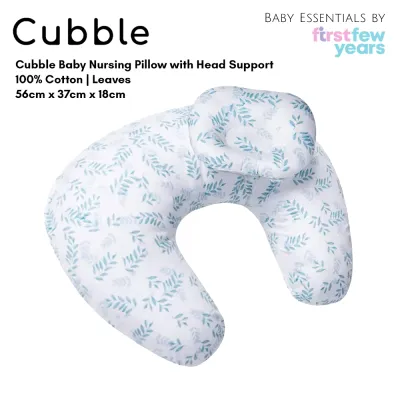
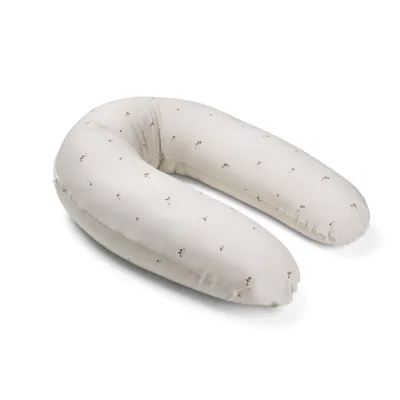
The classic C-shaped or U-shaped design is a highly popular option offered by many mainstream baby brands. These semi-circular cushions are designed to slide easily around the front or side of the waist, providing a quick, padded platform for the baby to rest on. Because they do not feature complicated straps or buckles, they are incredibly easy to slip on and off with one hand, which is highly convenient during late-night feeds when a baby is crying and immediate positioning is required.
Despite their convenience and excellent portability, C-shaped pillows have notable ergonomic limitations. Because they lack a rear fastening strap, they tend to pull away from the body as the baby moves or as the caregiver shifts in their seat. This movement forces the caregiver to use their arms, wrists, and shoulders to actively hold the pillow and baby close, defeating much of the pillow’s ergonomic purpose. Over long feeding sessions, this repetitive muscle tension can lead to significant shoulder fatigue and wrist strain.
Wrap-Around and Back-Support Pillows
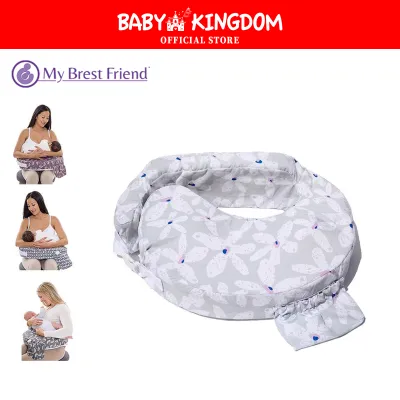
Wrap-around nursing pillows are specialized ergonomic tools designed to secure firmly around the caregiver’s torso. These models feature a flat, rigid foam platform that buckles at the waist and often includes a raised, padded lumbar support block that rests against the lower back. This structural design ensures the pillow stays locked at the exact height required for a proper feeding latch, allowing the caregiver’s arms, neck, and shoulders to remain completely relaxed.
This high level of structural support is particularly beneficial for individuals recovering from a Caesarean section, as the firm platform protects the abdominal incision from direct pressure while keeping the baby positioned high enough to prevent abdominal strain. However, wrap-around pillows are inherently bulkier and less portable than their C-shaped counterparts. They require two hands to buckle and adjust, which can be challenging when managing a fussy infant, and the full-wrap design can sometimes feel restrictive or warm if used in unconditioned spaces.
Decision Framework: Choosing the Right Pillow for Your Situation
To simplify your purchasing decision, use the following condition-based framework to determine which structural design best suits your physical needs and household setup.
Choose a wrap-around pillow if:
- You are recovering from a Caesarean section or other abdominal surgery and require a firm, protective barrier that prevents the baby from resting directly on your incision.
- You experience chronic lower back, neck, or shoulder pain and require dedicated lumbar support to maintain an upright, neutral spinal posture during long feeds.
- You are exclusively breastfeeding and need a highly stable, non-slip platform to maintain a consistent latch height without constantly adjusting your arms.
- You prefer a secure, locked-in fit that remains perfectly in place even if you need to adjust your seating position or reach for a nearby item.
Choose a C-shaped pillow if:
- You want a lightweight, highly portable cushion that is easy to carry from room to room, pack into a travel bag, or use while visiting family.
- You primarily bottle-feed, which naturally allows for more flexible positioning and does not require a highly rigid, elevated platform.
- You plan to use the pillow for multiple developmental stages, such as propping your infant up for supervised tummy time or providing cushioning during early sitting practice.
- You prioritize speed and simplicity, wanting a hassle-free setup that can be slipped around your waist instantly with a single hand.
Verify first if:
- You have a larger or smaller body type: Standard C-shaped pillows have a fixed inner diameter that may pinch a larger waist or slide off a smaller torso. Before buying, verify the manufacturer's waist measurements or opt for a wrap-around model with an adjustable strap that accommodates your specific dimensions.
- You are nursing twins: Standard single-baby pillows do not provide sufficient surface area to support two infants simultaneously. If you are feeding twins, look for specialized, extra-wide tandem nursing pillows designed specifically to support two babies side-by-side.
- You have a very small newborn: If your infant is premature or exceptionally small, a standard-sized pillow may position them too high or allow them to roll into the gap between the cushion and your body. Check the manufacturer's minimum weight recommendations and verify that the foam surface is firm enough to keep a small infant stable without sagging.
Critical Safety Boundaries and Maintenance Rules
While nursing pillows are highly effective ergonomic aids, they must be used with strict adherence to infant safety guidelines to prevent serious accidents.
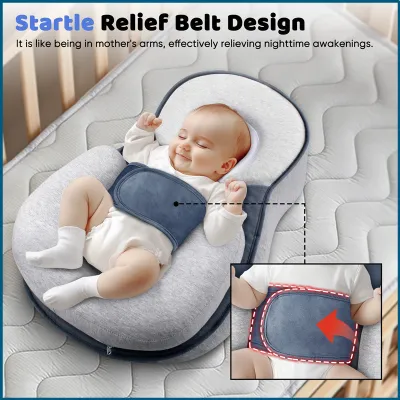
First and foremost, baby nursing pillows are designed strictly for supervised feeding sessions and must never be used for infant sleep, unsupervised lounging, or as a sleep positioner. Leaving an infant to sleep on a nursing pillow poses a severe risk of positional asphyxiation, which occurs if the baby’s head falls forward and chin presses to the chest, blocking the airway. Additionally, if a baby rolls over or slides down into the soft contours of the pillow, they face a severe risk of suffocation. If your baby falls asleep during a feed, always transfer them immediately to a safe, flat, and firm sleep surface, such as a crib or bassinet.
During every feeding session, caregivers must actively monitor the infant’s positioning to ensure their airway remains completely clear. Verify that the baby’s head and neck are kept straight and aligned, rather than bent at an awkward angle or turned sharply to the side. The baby’s face should always be fully visible, with no fabric from the pillow cover, clothing, or blankets draping over their nose or mouth. If the baby begins to slide or slouch down on the pillow, pause the feed immediately to reposition them safely.
Proper maintenance is essential for keeping the pillow hygienic and preserving its structural integrity over months of daily use. Most brands feature removable covers that can be cleaned in a standard washing machine; however, you must always read and follow the specific care labels provided by the manufacturer. Use gentle, baby-safe detergents to avoid irritating your infant’s sensitive skin, and avoid high-heat drying cycles that could shrink the cover. For the inner cushion core, spot-cleaning with a damp cloth and mild soap is typically recommended, as completely submerging the inner foam or fiberfill in water can damage its density and permanently ruin the pillow’s supportive shape.
Frequently Asked Questions (FAQ)
Can a nursing pillow help with reflux or gas?
Using a firm nursing pillow to elevate your baby’s head and chest slightly during and immediately after a feed can aid digestion and help reduce minor spit-up. However, it is important to remember that a nursing pillow is not a medical device or a cure for gastroesophageal reflux. If your infant displays symptoms of severe reflux, frequent vomiting, or persistent discomfort during or after feeding, you should consult a pediatrician or qualified healthcare professional for proper diagnosis and guidance.
When should I stop using a nursing pillow?
Caregivers typically transition away from using a nursing pillow when the baby reaches four to six months of age. At this developmental stage, infants develop stronger neck and core control, allowing them to sit up with minimal support and making it much easier to hold them in a comfortable feeding position without extra elevation. While some parents choose to repurpose the pillow to assist with supervised sitting practice, you should always follow the manufacturer’s specific age and weight limits, and ensure all activities remain strictly supervised.
Community discussion
Share your experience or ask a question. Comments are reviewed before publication.