
When transitioning your child from a crib to a toddler bed, choosing the right mattress is one of the most important decisions you will make for their physical development. With numerous brands available in Singapore, navigating the marketing claims around firmness and support can feel overwhelming. Rather than relying on vague product descriptions, parents must learn how to evaluate physical specifications, material densities, and certified safety standards to make an informed choice.
A toddler’s sleep surface directly impacts their growing skeletal system. During these early years, children require a mattress that balances firm support to keep their spine aligned with enough pressure relief to accommodate their increasing weight and active sleep positions. In Singapore’s warm and humid climate, factors like breathability and heat dissipation are equally critical to ensure uninterrupted, comfortable sleep.
Why Firmness and Support Matter for Toddlers
During the toddler years, a child’s bones are rapidly growing and ossifying. Unlike adults, whose spinal curves are fully developed, toddlers need a flat, firm surface to support natural spinal alignment and prevent unnatural bending. A mattress that is too soft can cause the heavier parts of their body, such as the hips and shoulders, to sink too deeply, leading to poor posture and discomfort.
Products mentioned in this guide
![[PRE-ORDER] Getha Sunny 5 Kids Mattress / Eco Latex Mattress](https://img.lazcdn.com/g/p/0d0e2c046017d2c742bed193ef79dfaf.jpg_400x400q80.jpg_.webp)
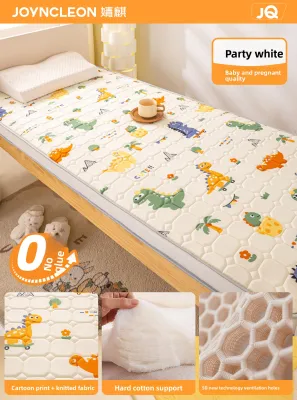
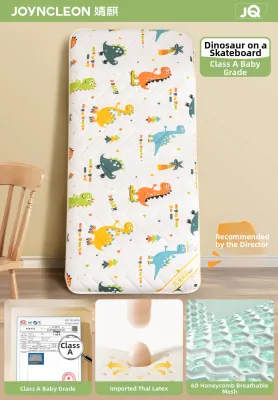
Prices are valid at publication and may change. Please refer to the product page for the latest price.
Safety remains a primary concern even as children grow past infancy. While the risk of sudden infant death syndrome decreases, a soft mattress still presents safety hazards for active toddlers who roll onto their stomachs. A firm surface ensures that their airways remain clear and unobstructed. Additionally, a supportive mattress makes it easier for toddlers to roll over, sit up, and eventually stand, aiding their motor skill development.
The transition from infancy to toddlerhood also brings a shift in sleep preferences. Infants require an ultra-firm, unyielding surface for safety, whereas toddlers can benefit from a slightly more responsive surface that cushions their joints. Understanding this distinction helps parents choose a mattress that offers the precise level of support needed for this specific developmental stage.
Key Dimensions for Comparing Toddler Mattresses
To compare different brands effectively, parents should focus on the core materials used in construction. Innerspring mattresses utilize steel coils to provide robust, traditional support and excellent edge stability. They are naturally highly breathable because of the open space between the coils, making them a popular choice for tropical climates. However, they can be heavier and noisier than foam alternatives.

High-density foam mattresses offer consistent, quiet support and excellent contouring. When evaluating foam, it is crucial to look at the density rather than just the thickness. Low-density foams tend to sag quickly under a child’s weight, whereas high-density polyurethane or memory foams provide lasting support. For a natural alternative, organic latex mattresses offer a responsive, springy feel that supports the body while resisting dust mites and mold, which thrive in humid environments.
Many modern brands offer dual-firmness designs, featuring a highly firm side for infants and a slightly softer, more cushioned side for toddlers. This design extends the usability of the mattress, allowing you to simply flip it over as your child grows. When comparing these models, verify that both sides are clearly labeled so you can easily identify the correct surface for your child’s age.
Edge support is another critical dimension that is often overlooked. Toddlers frequently sit on the edge of their bed to read, play, or put on shoes, and they tend to migrate to the edges of the mattress while sleeping. Strong edge support, often achieved through reinforced foam borders or heavier border coils in innerspring models, prevents the mattress from sagging at the sides and reduces the risk of your child rolling off the bed.
In Singapore, temperature regulation is a vital component of sleep quality. Mattresses that trap heat can cause night waking and heat rashes. Look for brands that incorporate cooling technologies, such as open-cell foam structures, gel-infused layers, or ventilated latex cores. The mattress cover material also plays a significant role; natural fibers like bamboo, organic cotton, or Tencel promote airflow and wick away moisture far better than synthetic polyesters.
How to Evaluate Brand Specifications and Labels
Because there is no universal industry standard for mattress firmness, brand-specific firmness ratings (such as “medium-firm”) can be highly subjective. To make an objective comparison, look for verifiable physical specifications. For foam mattresses, check the foam density rating if available. For innerspring mattresses, look at the coil count and the coil gauge; a lower gauge number indicates thicker, firmer wire that provides stronger support.
Safety and material certifications are essential for verifying that a mattress is free from harmful chemicals and emissions. Since these certifications are dynamic, parents should actively verify them on the manufacturer’s official website or certification databases. Look for recognized standards such as CertiPUR-US for polyurethane foams, OEKO-TEX Standard 100 for textiles, or GREENGUARD Gold for low chemical emissions. These labels ensure the materials have been tested for volatile organic compounds that could affect indoor air quality.
Warranty terms and sleep trials offer valuable insight into a brand’s confidence in its product durability. A reputable brand should offer a warranty that covers manufacturing defects and abnormal sagging. Additionally, look for brands that provide a risk-free sleep trial, allowing your child to test the mattress at home for several weeks. Be sure to read the return policy carefully to understand if you will be responsible for return shipping costs or restocking fees in Singapore.
When evaluating the price-to-value ratio, consider the long-term utility of the mattress. While a budget-friendly foam mattress may seem appealing, it may lose its support within a year, requiring a premature replacement. Investing a bit more in a high-density foam, natural latex, or dual-firmness mattress can provide consistent support for several years, ultimately offering better value for your money.
Decision Framework: Matching Mattress Features to Your Child
Choosing the right mattress depends on your child’s specific sleep habits and physical needs. If your child is highly active, tosses and turns frequently, or primarily sleeps on their stomach, a firmer, highly responsive mattress is recommended. High-density foam or natural latex options will prevent them from sinking too deeply, allowing them to move easily and maintain proper spinal alignment throughout the night.
If you are looking for a versatile option that adapts to your child’s growth, a dual-firmness mattress is the most practical choice. This allows you to use the ultra-firm side during their first year and transition to the slightly softer toddler side as they grow heavier and require more pressure relief. Always refer to the manufacturer’s guidelines to determine the appropriate age or weight milestone for flipping the mattress.
For children with sensitive skin, allergies, or asthma, prioritizing hypoallergenic materials is essential. In Singapore’s humid climate, dust mites and mold can accumulate quickly. In this scenario, look for mattresses made from natural latex or those featuring fully washable covers and cores. Verify that the materials are certified hypoallergenic and free from harsh chemical flame retardants.
If a mattress brand does not provide clear, verifiable specifications regarding its materials, density, or safety certifications, it is best to look elsewhere. Vague marketing terms like “pediatrician-approved” or “orthopaedic” carry little weight without transparent data. Prioritize brands that are open about their manufacturing processes and material sources to ensure you are getting a safe, high-quality product.
Practical Steps for Testing and Transitioning
If you are shopping in a physical showroom, you can perform a simple “hand test” to assess baseline firmness. Press your hand firmly into the center of the mattress and release it. The surface should compress slightly under your weight but immediately rebound to its original flat shape. If your hand leaves a lasting indentation or if the mattress feels excessively soft and spongy, it may not provide adequate support for a growing toddler.
Once you bring the mattress home, observe your child’s sleep posture during the initial trial period. When they are lying on their side, their spine should appear straight and horizontal, without their hips or shoulders sagging deeply into the bed. Watch for signs of discomfort, such as frequent tossing and turning, waking up hot, or complaining of a sore back, which can indicate that the mattress is either too firm or too soft.
Before finalizing your purchase from an online marketplace or physical retailer, double-check the return and exchange conditions. Some retailers in Singapore only accept returns if the mattress is in its original, unopened plastic packaging, which makes a true home trial impossible. Ensure you understand the exact steps required to initiate a return or claim a warranty if the mattress does not meet your expectations.
Regularly inspect the mattress for signs of wear and tear. If you notice permanent indentations, visible sagging in the center, or if the mattress fails to regain its shape, stop using it immediately. Continued use of a sagging mattress can compromise your child’s spinal development and lead to chronic discomfort. In such cases, consult the manufacturer’s warranty guidelines or prepare to replace the mattress.
Frequently Asked Questions (FAQ)
Can I use a standard crib mattress for my toddler?
Yes, in many cases you can. Most standard crib mattresses share the same dimensions as toddler beds, typically measuring around 130 cm by 70 cm, allowing them to fit seamlessly into a toddler bed frame. However, you must verify the manufacturer’s weight limit and age recommendations in the product documentation. Some infant mattresses are designed exclusively for lighter weights and may not provide adequate support as your child grows. If you are using a dual-firmness mattress, ensure you flip it to the toddler side to provide the appropriate balance of comfort and support.
How often should a toddler mattress be replaced?
On average, a high-quality toddler mattress should be replaced every 5 to 7 years, though this depends heavily on the materials and usage. Innerspring and natural latex mattresses generally offer greater longevity than low-density foam options. You should replace the mattress immediately if you observe permanent sagging, lumps, or if your child has outgrown the manufacturer’s maximum weight capacity. Additionally, because Singapore’s high humidity can encourage the buildup of allergens, mold, and dust mites, replace the mattress if deep cleaning and airing it out no longer resolve hygiene concerns or persistent odors.

Community discussion
Share your experience or ask a question. Comments are reviewed before publication.