
When your baby transitions from crawling to cruising, sharp furniture corners suddenly become significant household hazards. Choosing the right safety corner guard requires balancing impact protection, material safety, and furniture preservation.
The ideal choice depends on your child’s developmental stage, your furniture materials, and the specific layout of your home. By understanding how different materials and adhesives perform under Singapore’s humid conditions, you can select a reliable option that keeps your child safe without ruining your decor.
Quick Answer: Which Corner Guard Type Fits Your Furniture?
To simplify your decision, match the guard type directly to your furniture and your baby’s current physical activity.
Products mentioned in this guide
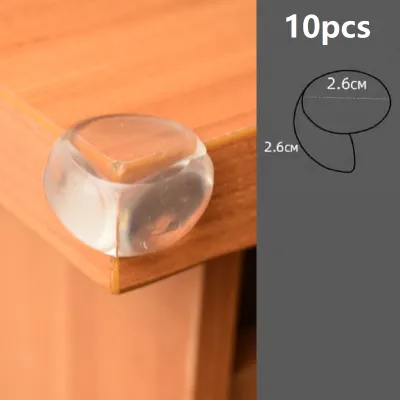


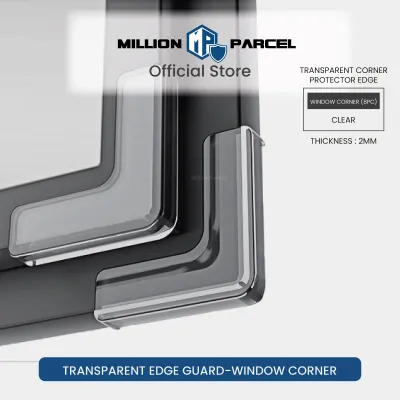
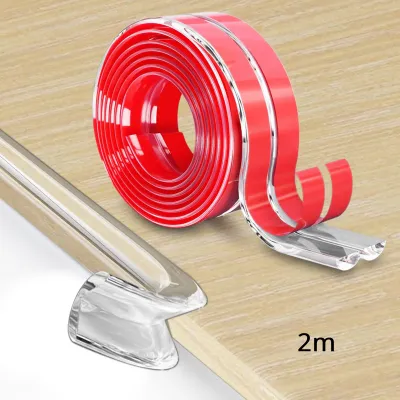
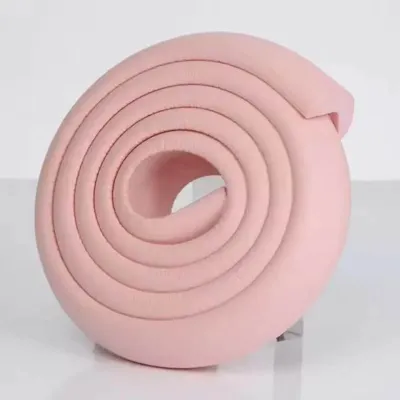
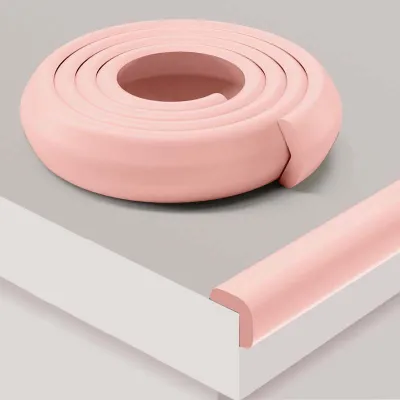
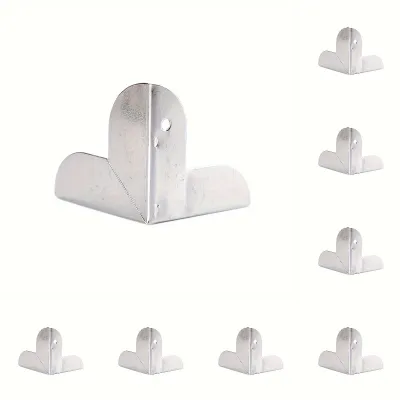
Prices are valid at publication and may change. Please refer to the product page for the latest price.
Choose clear silicone guards if you need discreet, low-profile protection for glass coffee tables, acrylic surfaces, or dark wood finishes where aesthetics are a priority.
Choose thick PVC or rubber guards if your baby is actively walking or running and you require maximum shock absorption on heavy dining tables or metal bed frames.
Choose high-density foam guards only for low-traffic, soft-edge areas where chewing risks are strictly managed under direct caregiver supervision.
When evaluating brands in Singapore, prioritize verified non-toxic material certifications and furniture-safe adhesive specifications over marketing claims.
No single brand or material is universally perfect; the right choice always depends on the specific furniture surface and your child’s mobility level.
How to Evaluate Safety Corner Guard Brands in Singapore
Evaluating safety corner guard brands in Singapore requires looking past attractive packaging to verify objective manufacturing standards.

Because babies frequently explore their environment with their mouths, verifying the chemical safety of the guard material is your first priority.
Look for brands that explicitly state their products are BPA-free, phthalate-free, lead-free, and non-toxic.
You should verify that the product complies with international safety standards, such as REACH, RoHS, or EN 71-3 certifications, by checking the manufacturer’s official documentation.
Remember that a generic label like “silicone” or “rubber” does not guarantee food-grade safety unless the brand provides independent testing verification.
Next, examine the adhesive specifications provided by the brand rather than accepting generic claims of “strong double-sided tape.”
High-quality brands partner with reputable adhesive manufacturers to provide specialized pressure-sensitive acrylic tapes designed for clean removal.
In Singapore’s hot and humid climate, cheap rubber-based adhesives often degrade quickly, becoming sticky, sliding off, or leaving a stubborn residue.
Acrylic-based adhesives generally offer superior shear strength and environmental stability, making them much more reliable for local homes.
Additionally, the constant high humidity can cause certain natural woods to expand and contract, which places extra stress on the adhesive bond.
Finally, assess the physical design and coverage of the guard to ensure it matches your specific furniture dimensions.
Pre-formed corner pieces offer seamless, three-sided protection for sharp 90-degree corners and are less likely to catch on clothing.
Cut-to-size rolls provide excellent versatility for long, exposed edges but require precise manual cutting to avoid leaving hazardous gaps.
Pay close attention to the guard’s thickness and internal structure, as hollow or honeycombed designs often absorb impact better than solid, rigid plastics.
Always measure the radius of your furniture corners before purchasing, as a guard that is too small will not seat properly, leading to early adhesive failure.
Material Comparison: Silicone vs. PVC vs. Foam
Understanding the physical properties of silicone, PVC, and foam will help you match the right material to your home environment.
Each material offers distinct trade-offs in terms of impact absorption, durability, aesthetic impact, and safety risks.
Clear Silicone Guards
Clear silicone guards are highly favored for their ability to blend seamlessly into modern home decors.
These guards are particularly suited for glass coffee tables, acrylic furniture, and delicate wood finishes where you want to minimize visual clutter.
Silicone is naturally flexible and provides moderate shock absorption, effectively cushioning minor bumps and scrapes.
The material maintains its elasticity exceptionally well across temperature variations, such as switching between air-conditioned and non-air-conditioned rooms.
However, clear silicone can sometimes appear slightly frosted due to light refraction, meaning it is rarely completely invisible.
Over time, exposure to sunlight and UV rays can cause silicone to yellow, which may affect the look of your furniture.
Additionally, teething babies may find the firm texture of silicone appealing to chew, which can weaken the adhesive bond if they repeatedly pull at it.
PVC and Rubber Guards
Opaque PVC and rubber guards are designed for high-impact protection in active households.
These guards feature thicker profiles and superior shock absorption, making them ideal for toddlers who are learning to run and jump.
Many brands offer color-matching options, allowing you to select guards that blend with dark wood, white laminate, or black metal frames.
The dense physical structure of high-quality PVC provides excellent durability against repeated impacts from toys and walkers.
The primary trade-off is their high visibility, as these bulky guards can significantly alter the appearance of your furniture.
Cheaper PVC variants can also be quite rigid, making them difficult to conform to slightly rounded or irregular corners.
You must verify that any PVC guard you purchase is certified phthalate-free, as older or lower-quality PVC formulations can contain harmful plasticizers.
High-Density Foam Guards
High-density foam guards, often made from Nitrile Butadiene Rubber (NBR), offer the softest cushioning and highest impact dispersion.
They are highly effective for severe hazards, such as brick fireplaces, heavy metal desks, or low-hanging shelves.
The closed-cell structure of NBR foam traps tiny pockets of air, which compress upon impact to gently absorb the force of a fall.
Despite their excellent impact protection, foam guards present a significant safety risk that parents must carefully manage.
The soft, porous texture of foam makes it highly susceptible to being bitten, torn, and swallowed by teething babies.
Ingested foam pieces present a severe choking hazard, meaning these guards must only be used under constant caregiver supervision.
If your baby begins to bite or chew on a foam guard, you must stop using it immediately and consult a professional for alternative childproofing solutions.
Furthermore, the porous surface of foam does not bond as effectively with adhesives, which often leads to the edges peeling back over time.
Adhesive Strength and Furniture Protection
Securing a safety corner guard requires a strong adhesive bond, but this must not come at the cost of destroying your furniture.
Understanding how to prepare surfaces and manage adhesive chemistry is key to protecting both your child and your home.
To achieve a reliable bond, thorough surface preparation is a non-negotiable first step.
You must clean the furniture surface with isopropyl alcohol to remove accumulated oils, dust, household wax, and polish.
Allow the surface to dry completely before applying the guard, as any remaining moisture or solvent will ruin the adhesive bond.
Avoid using standard household surface sprays, as they often leave behind a microscopic residue that prevents proper adhesion.
Be aware that high-bond adhesives carry inherent risks when applied to delicate or expensive furniture materials.
Using strong adhesives on untreated wood, delicate wood veneers, antique finishes, or freshly painted surfaces can result in permanent damage.
When you eventually remove the guard, the adhesive may strip away the paint, varnish, or even delaminate thin wood veneers.
To mitigate this risk, you should always perform a hidden spot test on an inconspicuous area of the furniture before full application.
Check the manufacturer instructions of both your furniture and the adhesive product to ensure compatibility before proceeding.
If the instructions conflict or the furniture material is unidentified, consult a professional refinisher before applying any high-bond adhesive.
Once applied, pressure-sensitive adhesives require a specific curing period to establish their maximum bonding strength.
Most high-quality adhesives require 24 to 48 hours to cure completely, during which time the guard should not be touched or pulled.
Keep your child away from the newly installed guards during this curing phase to prevent them from loosening the bond prematurely.
The chemical structure of the adhesive flows into the microscopic crevices of the furniture surface over time, which is why patience during curing is essential.
High-quality brands often use acrylic foam tape, which features a thick core that absorbs shear stress when a child bumps into the guard.
This design prevents the impact force from transferring directly to the adhesive interface, reducing the likelihood of the guard popping off.
Installation, Maintenance, and Damage-Free Removal
Proper installation and regular maintenance ensure your corner guards remain effective, while a careful removal protocol protects your furniture.
Following a systematic approach prevents common mistakes that lead to failed childproofing or damaged surfaces.
When installing the guard, align it precisely with the corner point before letting the adhesive make contact.
Press firmly from the center of the guard outward to the edges, applying consistent pressure for at least 30 seconds to eliminate air bubbles.
Ensure that all contact surfaces of the guard are firmly pressed against the furniture to maximize the adhesive surface area.
For furniture with rounded bullnose corners or chamfered edges, select flexible guards that can stretch slightly without lifting at the ends.
Routine maintenance is crucial, as active babies will naturally test, pull, and pick at the edges of the guards.
Inspect the adhesive bond of every corner guard weekly to ensure no edges are peeling or lifting.
Clean the guards regularly using a soft cloth dampened with mild soap and water to remove dirt and sticky fingerprints.
Avoid using harsh chemical cleaners, abrasive pads, or alcohol-based sprays for routine cleaning, as these can degrade both the guard material and the adhesive.
If a guard becomes loose, damaged, or shows signs of wear, replace it immediately to maintain a safe environment.
When your child outgrows the need for corner guards, follow a damage-free removal protocol to protect your furniture finishes.
First, check the manufacturer instructions of the adhesive and your furniture to verify the safest removal method.
Use a hairdryer on a low, warm setting to gently heat the corner guard, which softens the adhesive backing.
Slowly slide a piece of dental floss or a thin plastic scraper underneath the guard to slice through the softened adhesive tape.
Never use metal scrapers, knives, or highly abrasive scrubbing pads, as these will scratch and gouge your furniture.
To clean up any remaining sticky residue, apply a small amount of furniture-safe adhesive remover or warm soapy water and wipe gently with a microfiber cloth.
Frequently Asked Questions (FAQ)
Are clear silicone corner guards completely invisible on glass?
While clear silicone corner guards are the most discreet option available, they are not completely invisible on transparent glass.
The physical thickness of the silicone, light refraction through the material, and the double-sided adhesive layer will create a visible outline.
However, they remain far less conspicuous than opaque foam or PVC guards, allowing you to prioritize safety while maintaining a clean aesthetic.
Can I use adhesive corner guards on fabric or leather furniture?
Standard adhesive corner guards are not designed to bond securely to porous or textured surfaces like fabric, leather, or velvet.
Attempting to stick adhesives to these materials will result in poor adhesion, and the chemical adhesive may permanently stain or ruin the upholstery.
Instead of adhesive guards, consider temporary solutions such as repositioning the furniture, wrapping corners with soft blankets, or restricting access to the area.

Community discussion
Share your experience or ask a question. Comments are reviewed before publication.