
Finding the right hands-free pumping bra in Singapore is essential for maintaining a comfortable, efficient, and sustainable expression routine. While many parents are familiar with standard zip-front or pull-over pumping bras, the Pumpin’ Pal hands-free system offers a distinct structural approach designed to secure flanges effectively. Comparing these options requires looking closely at how each design manages breast support, flange alignment, and daily convenience. By evaluating your specific physical needs, pumping frequency, and lifestyle, you can determine whether the specialized design of Pumpin’ Pal or a more traditional hands-free pumping bra will best support your breastfeeding journey.
Defining Your Hands-Free Pumping Requirements
Before comparing specific brands or designs, you must identify your unique physical and routine requirements. Postpartum breasts undergo significant changes in shape, volume, and sensitivity throughout the day. A bra that fits perfectly in the morning may feel restrictive by afternoon, making it crucial to choose a support system that accommodates these natural fluctuations. Additionally, high skin sensitivity during the early weeks of breastfeeding means that any friction or uneven pressure from a poorly fitting bra can cause discomfort or skin irritation.
Your daily pumping frequency and environment also dictate the type of hands-free support you need. An exclusive pumper who expresses milk six to eight times a day requires a highly durable, comfortable option that can be worn continuously or slipped on quickly. If you are returning to an office environment in Singapore, you may prioritize a discreet design that fits seamlessly under professional attire. Conversely, if you primarily pump at home while managing household tasks, you might prefer a highly secure, high-compression structure that allows for maximum physical mobility.
Products mentioned in this guide
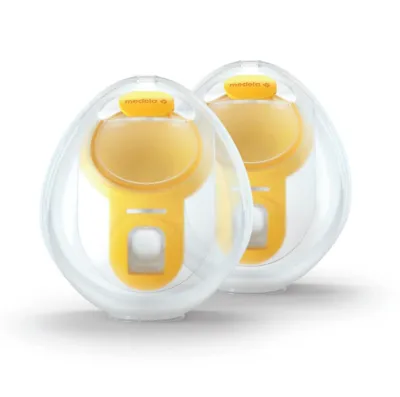
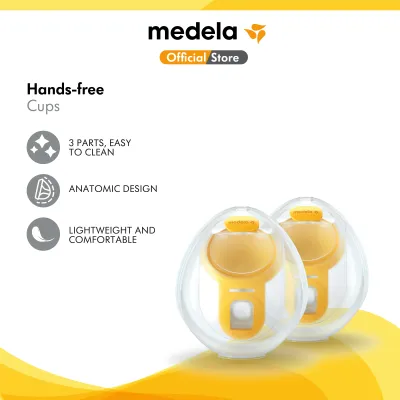
Prices are valid at publication and may change. Please refer to the product page for the latest price.
Compatibility with your current breast pump is another critical factor to verify. Different breast pumps utilize varying flange styles, including traditional rigid plastic flanges, flexible silicone flanges, and integrated cup systems. Some hands-free bras are optimized for standard two-piece flange systems, while others may struggle to support heavier glass collection bottles or wider closed-system connectors. Ensuring that your chosen bra securely holds your specific pump parts without slipping is vital to maintaining a consistent vacuum seal.
Core Dimensions for Evaluating Pumping Bras
To make an objective comparison between Pumpin’ Pal and alternative hands-free pumping bras, you should evaluate them across four core dimensions: support, adjustability, ease of use, and material comfort.

Support and Compression
The primary job of a pumping bra is to hold the pump flanges firmly against your chest to maintain a secure seal. However, excessive compression can be counterproductive. If a bra presses too tightly against the breast tissue, it can compress the milk ducts, potentially restricting milk flow and increasing the risk of clogged ducts. The ideal support structure provides targeted upward and inward lift, keeping the flanges in perfect alignment with the nipple without squeezing the surrounding breast tissue.
Adjustability and Fit
Because breast size changes before and after each pumping session, a one-size-fits-all approach rarely works. Look for bras that offer multiple adjustment points, such as adjustable shoulder straps, multi-column hook-and-eye back closures, or removable Velcro panels. These features allow you to customize the band and strap tension as your body changes, ensuring a secure fit throughout your entire postpartum recovery.
Ease of Use
A pumping bra should simplify your routine, not add frustration. Consider how easily you can insert and align the flanges while wearing the garment. Some designs require you to thread the flange through a small opening from the inside, which can be cumbersome when you are in a hurry. Other designs feature front-clasping panels or wide elastic slits that allow for rapid, one-handed setup. If you pump frequently throughout the day, a fast and straightforward setup process is essential.
Material and Comfort
In Singapore’s warm and humid climate, fabric selection is highly important for skin health. Synthetic materials that trap heat and moisture can lead to skin chafing, rashes, or yeast infections. Look for breathable, moisture-wicking fabrics such as cotton blends, bamboo-derived viscose, or lightweight performance synthetics. Additionally, check the manufacturer’s care label to ensure the fabric can withstand frequent washing without losing its elasticity or shape over time.
Comparing Pumpin' Pal to Alternative Designs
Understanding the structural differences between Pumpin’ Pal and other common hands-free pumping bras helps you choose the design that best matches your physical needs.
Structural Approaches
Pumpin’ Pal is widely recognized for its specialized hands-free strap and halter systems, which focus on direct, adjustable tension to hold flanges in place. Rather than relying on a full-coverage compression bra, this approach uses targeted straps that pull the flanges inward and upward against the breast. This design minimizes fabric coverage, making it a cooler option for warm environments.
In contrast, traditional hands-free pumping bras utilize a full-coverage garment design, such as zip-front, pull-over, or classic clasp-style bras. Zip-front designs are highly popular for their convenience, allowing you to quickly slip the bra over your regular nursing bra or bare chest when it is time to pump. Pull-over crop-top styles offer a seamless, wire-free fit that can be worn comfortably all day, though they may provide less structured support for heavier, full bottles.
Flange Holding Mechanisms
The way a bra secures the flange varies significantly across designs. Many standard pumping bras feature built-in circular slits or overlapping fabric panels (often referred to as a cross-band design) that grip the neck of the flange. While this holds the flange close to the body, it can sometimes restrict your view of the nipple, making it difficult to verify proper alignment and milk flow.
Other designs utilize separate insert panels or adjustable elastic loops. The Pumpin’ Pal system and similar strap-based designs allow for a clearer view of the flange and breast, making it easier to adjust the angle of the flange during a session. This is particularly beneficial if you use angled or customized silicone flanges that require precise positioning to function effectively.
Sizing Systems
Sizing methods differ greatly between standard apparel brands and specialized pumping wear. Many basic pumping bras use standard apparel sizing (S, M, L, XL), which may not accurately account for the relationship between a narrow underbust band and a full cup size. This can result in a bra that is too loose in the band or too tight across the bust.
Specialized brands typically provide detailed sizing charts that require you to measure both your underbust and full bust circumference. Some systems also factor in your specific flange size to ensure the fabric openings align correctly with your nipples. Always measure yourself using a soft tape measure while wearing a non-padded bra, and refer directly to the manufacturer’s specific sizing guidelines rather than relying on your pre-pregnancy dress size.
Decision Framework: Which Bra Fits Your Routine?
To finalize your choice, consider how these design characteristics align with your daily habits, physical comfort, and equipment.
- Choose the Pumpin' Pal system if you prefer a minimalist, highly adjustable support structure that does not require wearing a full, heavy bra all day. This option is highly suitable if you use angled silicone flanges, require precise control over the angle and tension of your pump setup, or want to avoid extra fabric layers in Singapore's warm climate.
- Choose alternative zip-up or seamless pumping bras if you prioritize rapid, straightforward setups and want a garment you can wear continuously from morning to night. These designs are ideal if you frequently pump on the go, need to transition quickly between nursing and pumping, or prefer the familiar feel and coverage of a traditional sports bra.
- Verify before purchasing by checking the manufacturer's official compatibility list to ensure the bra works with your specific breast pump model. Because pumping bras are personal hygiene items, local retailers and online marketplaces in Singapore generally do not accept returns or exchanges once the packaging has been opened. Taking accurate measurements and verifying compatibility beforehand will help you avoid an unusable purchase.
Frequently Asked Questions (FAQ)
Can I use a hands-free pumping bra for both nursing and pumping?
Many hands-free pumping bras are designed with dual functionality, featuring both nursing clasps and pumping slits. These dual-use bras allow you to drop down the outer panel to nurse your baby, or insert pump flanges through the inner slits for a hands-free expression session. However, you should check the manufacturer’s specifications, as some highly structured, high-compression pumping bras do not have drop-down cups and are not suitable for direct nursing. If you plan to practice hands-on pumping or transition frequently between nursing and pumping throughout the day, a dedicated dual-use bra is highly recommended to avoid constant clothing changes.
How do I wash and maintain my pumping bra to preserve elasticity?
To extend the lifespan of your pumping bra and maintain its supportive properties, always follow the care instructions on the manufacturer’s label. It is generally recommended to hand wash your pumping bras or use a delicate machine cycle with cold water and a mild detergent. To protect the elastic fibers from breaking down, place the bra in a mesh laundry bag before washing and avoid using fabric softeners. Air drying is the safest method to preserve the garment’s shape and elasticity. If you must use a dryer, select a low-heat or air-fluff setting, as high heat can warp elastic bands and weaken the fabric over time.
Community discussion
Share your experience or ask a question. Comments are reviewed before publication.