
Quick Answer: Finding the Right Protective Foam for Your Home
When childproofing your home, choosing the right protective foam edge guard is a crucial step in creating a safer environment for your little one. There is no single “best” brand that fits every household; instead, the ideal choice depends on your specific furniture profiles, surface materials, and environmental factors. For sharp corners on heavy wood, metal, or stone tables, high-density Nitrile Butadiene Rubber (NBR) or specialty silicone-foam blends generally offer the most effective impact absorption. Meanwhile, in Singapore’s humid climate, the choice of adhesive is just as critical as the foam itself, with acrylic-based gel adhesives providing the most reliable, long-term bond without sliding or leaving stubborn residues.
Before purchasing any childproofing product, caregivers must verify the child’s developmental stage—such as crawling, pulling up, or cruising—to identify which furniture heights present the greatest risk. Please remember that while protective foam guards mitigate the severity of accidental bumps, they do not replace active caregiver supervision, which remains the single most important factor in child safety. If you are unsure about the compatibility of an adhesive with your furniture, or if the manufacturer’s instructions conflict with standard installation steps, stop and consult the furniture manufacturer directly.
Core Dimensions for Comparing Edge Guard Brands
To make an informed decision when browsing local baby boutiques or online marketplaces, you must look past generic marketing claims and evaluate edge guards based on objective, verifiable specifications. Understanding the physical and chemical properties of these safety products allows you to choose a guard that will truly perform when needed.
Products mentioned in this guide
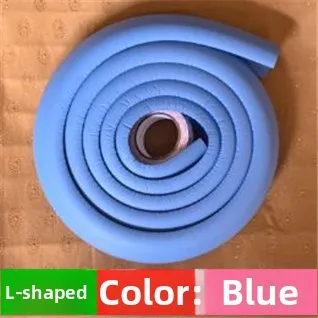
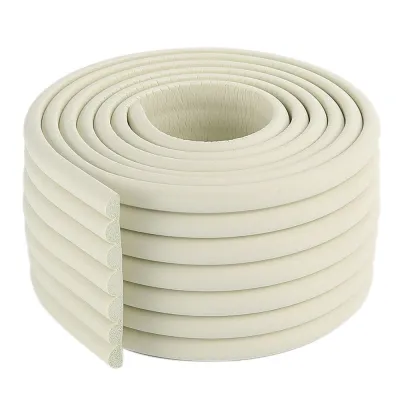
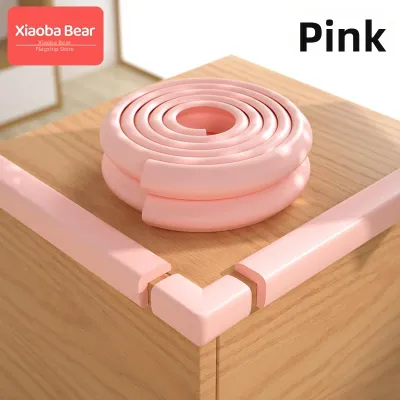

Prices are valid at publication and may change. Please refer to the product page for the latest price.

Material Density and Thickness
The primary function of a protective foam guard is to absorb and dissipate the kinetic energy of an impact, preventing it from transferring directly to a child’s delicate head or body. This shock-absorbing capability is determined by the material’s density and physical thickness. Low-density materials, such as cheap Ethylene-Vinyl Acetate (EVA) foam, are highly compressible but often bottom out under sudden force, offering minimal protection against sharp edges.
In contrast, high-density NBR or heavy-duty PVC foams feature a closed-cell structure that provides a controlled rebound rate. When compressed, these materials distribute the force of an impact across a wider surface area and slowly spring back to their original shape. When evaluating brands, do not rely on subjective descriptors like “extra thick” or “ultra-soft.” Instead, check the product packaging or manufacturer specifications for explicit cross-sectional thickness measurements, typically represented in millimeters (e.g., 8mm, 10mm, or 12mm). A thicker, high-density profile is generally required for sharp, unforgiving surfaces like glass dining tables or low-slung TV consoles.
Adhesive Quality and Surface Compatibility
An edge guard is only as effective as the adhesive holding it in place. Many parents face the frustrating cycle of foam strips peeling away within weeks, leaving behind sticky residues or damaging expensive finishes. The adhesive’s performance is heavily influenced by Singapore’s high relative humidity and temperature fluctuations, which can cause standard double-sided tissue tapes to soften, lose tack, and slide off.
When comparing brands, look for those that utilize high-performance acrylic gel tape rather than basic rubber-based double-sided foam tape. Acrylic gel adhesives form a stronger, cross-linked bond over a 24-to-72-hour curing period, making them significantly more resistant to moisture, humidity, and the persistent tugging of curious toddlers. Furthermore, you must verify whether the brand explicitly lists compatibility with your specific furniture surfaces, such as polished wood, laminated MDF, glass, marble, or powder-coated metal. Some high-strength adhesives can strip veneers or unsealed paint, so check the manufacturer’s care instructions for both the edge guard and your furniture before application.
Material Safety and Certification Marks
Because infants and toddlers frequently explore their environment using their mouths, edge guards must be free from harmful chemical substances. Many cheap, unbranded foam products contain hazardous plasticizers, flame retardants, or heavy metals that pose a risk if chewed or swallowed. It is common to see product listings splashed with phrases like “100% non-toxic,” “BPA-free,” or “eco-friendly,” but these marketing claims carry no weight without independent verification.
To ensure your child’s safety, look for physical proof of compliance with recognized international safety standards printed directly on the product packaging. Key certifications to verify include the European Toy Safety Standard (EN71, particularly Part 3 which regulates the migration of toxic elements), ASTM F963 (the standard consumer safety specification for toy safety in the United States), or local consumer product safety requirements. Avoid purchasing products from sellers that cannot provide official testing documentation or those that rely solely on unverified digital text descriptions on e-commerce platforms.
Evaluating Brand Categories in the Local Market
The Singapore market offers a wide array of protective foam options, ranging from premium imported specialty brands to budget-friendly bulk rolls. Understanding the typical characteristics, strengths, and trade-offs of these distinct brand categories will help you match the right product to your household budget and safety needs.
Premium Imported Brands
Premium imported brands are typically engineered with safety and longevity as their primary focus. These products are characterized by their use of medical-grade or high-density NBR foam and often feature pre-applied, high-bond acrylic tape (such as genuine 3M adhesive backings). They are rigorously tested against international chemical and physical safety standards, with certifications clearly documented.
These brands offer specialized, pre-molded shapes tailored to specific furniture configurations, including L-shaped guards for sharp table corners and U-shaped guards designed specifically to wrap around thin glass shelves or metal frames. While these premium options command a higher price point—often ranging from S$25 to S$50 for complete multi-pack kits—they provide unmatched durability, reliable impact absorption, and clean, residue-free removal. They are highly recommended for high-risk areas, such as heavy marble coffee tables, sharp kitchen countertops, or low-lying structural pillars.
Value-Oriented and Bulk Brands
For families needing to childproof large open areas or multiple rooms on a budget, value-oriented and bulk brands offer an economical alternative. Typically sold in long, continuous rolls (often 2 to 5 meters) with separate rolls of double-sided tape, these products are widely available on online marketplaces and local discount stores, usually priced under S$12 per roll.
However, these budget-friendly options come with distinct trade-offs. They are frequently made from lower-density EVA foam, which compresses easily and may not provide sufficient cushioning for high-impact falls against very sharp corners. Additionally, the included adhesive is often a standard double-sided tissue tape that struggles to withstand Singapore’s humid climate, leading to premature peeling and a sticky, hard-to-clean residue when removed. These bulk rolls are best suited for temporary childproofing needs, low-risk areas with pre-rounded wooden furniture, or vertical surfaces where direct downward impact is highly unlikely.
Specialty and Aesthetic-Focused Brands
As modern home aesthetics become a priority for many homeowners in Singapore, specialty brands have emerged to bridge the gap between child safety and interior design. These brands offer innovative solutions, such as ultra-clear, transparent silicone-foam hybrids that blend seamlessly with glass or light-colored furniture, as well as foam guards finished with realistic wood-grain or marble patterns.
While these products are visually appealing, you must approach them with a critical eye. Aesthetic modifications can sometimes compromise the material’s physical performance; for instance, some highly transparent PVC or silicone guards are firmer and less compressible than traditional NBR foam, meaning they protect against cuts and scrapes but offer less blunt-force cushioning. When selecting an aesthetic-focused brand, carefully verify the product’s actual thickness and check for verified impact ratings to ensure you are not sacrificing crucial safety for visual appeal.
Installation and Maintenance for Reliable Protection
Even the highest-quality protective foam guard will fail if it is installed incorrectly or left unmaintained. To ensure your childproofing investments provide reliable, long-lasting protection, follow these systematic steps for surface preparation, application, and ongoing inspection.
Surface Preparation: Before applying any adhesive, you must thoroughly clean the target furniture edge to remove accumulated oils, dust, wax, and furniture polish. Wipe the area down using a clean microfiber cloth dampened with isopropyl alcohol (rubbing alcohol). Allow the surface to dry completely. This step is absolutely critical in Singapore’s humid climate, as even a microscopic layer of oil or moisture will prevent the adhesive from forming a permanent, cross-linked bond with the substrate.
Application Technique: Measure the furniture edge carefully and cut the foam guard to the exact length required. If you are using separate adhesive tape, apply the tape to the inside of the foam guard first, pressing down firmly along the entire length. Peel off the protective backing, align the guard precisely with the furniture edge, and press it firmly into place. Apply steady, even pressure with your hands along the entire length of the guard for at least 60 seconds, paying extra attention to the ends and corners. Once applied, allow the adhesive to cure undisturbed for a full 24 hours before allowing children to touch or pull on it.
Inspection and Replacement: Childproofing is not a set-and-forget task. You should perform a visual and tactile inspection of all installed edge guards at least once a month. Look for clear warning signs that indicate the foam needs immediate replacement, such as:
- Foam that remains compressed and no longer rebounds when pressed.
- Peeling or lifting edges where the adhesive has begun to fail.
- Visible bite marks, tears, or missing chunks of foam, which present a serious choking hazard if swallowed.
- Accumulation of dust or moisture underneath loose edges, which can damage the underlying furniture finish.
Safety Boundary: Always check the applied product’s label and the treated item’s manufacturer instructions before installation. If the instructions conflict, if your furniture is made of antique, unsealed wood, or if it features a delicate, freshly painted finish, stop immediately. Applying strong adhesives to these surfaces can cause permanent damage, strip the finish, or void your furniture’s warranty. In such cases, consult the furniture manufacturer or a professional childproofing installer for alternative, non-adhesive safety solutions.
Decision Framework: Which Protective Foam Should You Choose?
To help you navigate your choices and select the most appropriate protective foam for your home, use the following scenario-based decision framework:
- Choose Premium High-Density NBR Brands if: You need to protect sharp, high-risk surfaces such as glass dining tables, marble countertops, or metal bed frames. These environments require maximum shock absorption, reliable pre-applied acrylic gel adhesives that resist humidity, and specialized pre-molded corners to prevent severe impact injuries.
- Choose Value EVA Foam Rolls if: You are childproofing a large living space on a budget, particularly on furniture that already has slightly rounded wooden edges. This option is suitable if you are willing to regularly monitor the adhesive's performance and replace the foam strips as they wear out or lose grip over time.
- Choose Transparent Silicone-Foam Hybrids if: Maintaining the visual design of your modern home is a priority, and you are applying the guards to highly visible glass or light-colored wood furniture. Ensure that you verify the product's actual thickness and safety certifications to confirm it offers adequate cushioning.
- Verify First if: Your furniture is an antique, has an unsealed or delicate finish, or is constructed from rare materials. Always perform a spot-test with the adhesive on a hidden, inconspicuous area of the furniture, or contact the furniture manufacturer directly to ask for safe childproofing recommendations.
Frequently Asked Questions (FAQ)
How do I safely remove old foam edge guards without damaging wood furniture?
To remove old foam edge guards without stripping or damaging wood finishes, you must gently soften the adhesive bond before peeling. Use a hairdryer set to a low or medium heat setting, holding it a few centimeters away from the guard, and warm the foam along its length for one to two minutes. This heat will soften the acrylic or rubber adhesive, allowing you to slowly and gently peel the foam away at a shallow angle. If any sticky residue remains on the wood, apply a small amount of a mild, oil-based adhesive remover or common household vegetable oil to a soft cloth, rub the residue gently, and wipe it clean. Always check your furniture’s care instructions first, and avoid using sharp metal scrapers, razor blades, or harsh chemical solvents like acetone, which can permanently strip varnishes and wood stains.
Are transparent edge guards as safe as thick foam ones?
Transparent edge guards offer excellent protection against sharp cuts, scrapes, and minor bumps, but they generally do not provide the same level of deep cushioning as thick, high-density NBR foam. Most clear guards are made from solid PVC or silicone, which are physically firmer and have a faster, less forgiving rebound rate than closed-cell foam. This means that while they successfully eliminate the hazard of a razor-sharp edge, they transfer more of the blunt-force energy back to the child during a high-velocity fall. When choosing transparent guards, it is vital to check the product’s specified thickness and impact rating. They are highly suitable for low-lying glass coffee tables or subtle furniture profiles where a toddler is less likely to experience a heavy, direct fall, but thick NBR foam remains the safer choice for high-risk, sharp-edged impact zones.
Community discussion
Share your experience or ask a question. Comments are reviewed before publication.