
When childproofing a home, selecting the right protective foam edge guards is one of the most practical steps you can take to prevent painful bumps and serious injuries as your child begins to crawl, stand, and walk. However, there is no single brand that stands out as the absolute best for every household. The ideal choice is highly conditional, depending on a balance of cushioning density, adhesive chemistry, and material safety certifications.
Thicker, high-density foam provides superior impact absorption for active toddlers but has a larger visual profile and may require aggressive adhesives that risk peeling paint or veneer from delicate furniture. Conversely, thinner, low-profile guards are less obtrusive and easier to remove but offer less cushioning for high-speed impacts. Local parents must navigate a wide variety of options across local department stores and online marketplaces, evaluating technical specifications rather than relying on generic marketing claims.
This guide provides a clear framework to evaluate the protective foam options available in the local market. By understanding the physical and chemical properties of these safety products, you can select the brand profile that best matches your furniture, your child’s developmental stage, and your home environment.
Products mentioned in this guide
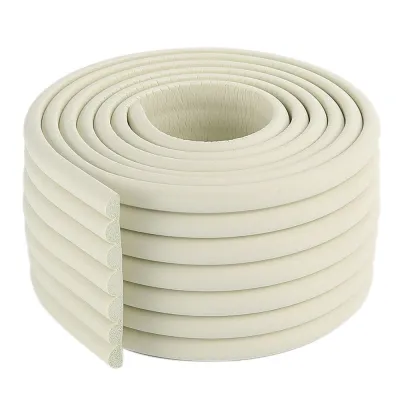
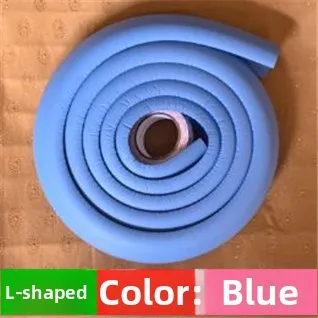

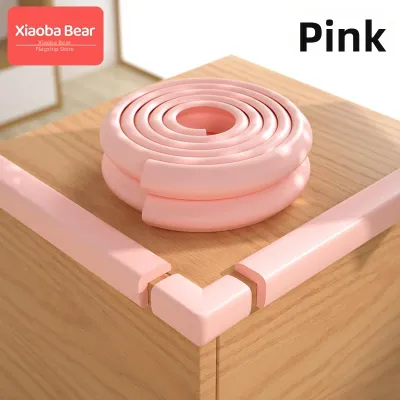
Prices are valid at publication and may change. Please refer to the product page for the latest price.
Core Dimensions for Comparing Edge Guard Brands
Marketing labels like “premium safety,” “ultra-soft,” or “child-friendly” are common in product listings, but they lack standardized definitions. To make an objective comparison between brands, you must look past these generic claims and examine the physical and chemical specifications of the products.
Evaluating protective foam requires looking at three main pillars: impact absorption, surface compatibility, and chemical safety. A brand that excels in one area may fall short in another, meaning your choice should align with your specific household priorities.
Cushioning Thickness and Foam Density
The protective capability of an edge guard relies on two physical properties: thickness and material density. Thickness determines the distance the foam can compress before an impact reaches the hard furniture edge, while density determines how much force the foam can absorb during that compression.
Most protective foam guards are made from either Nitrile Butadiene Rubber (NBR) or Ethylene-Vinyl Acetate (EVA). High-density NBR is highly elastic and resilient, making it excellent for absorbing heavy impacts and returning to its original shape. EVA foam is lighter and often cheaper, but it tends to be stiffer and can compress permanently over time under repeated pressure, reducing its protective value.
When comparing brands, check the product descriptions for exact millimeter measurements. Standard guards typically range from 8mm to 15mm in thickness, with widths varying from 20mm to 35mm. Thicker, denser NBR guards absorb high-impact falls better, making them suitable for sharp coffee tables or low TV consoles. However, they create a larger visual footprint on furniture, which can attract a toddler’s attention and encourage them to pull or bite the foam.
Adhesive Quality and Surface Compatibility
An edge guard is only effective if it remains securely attached to the furniture. The adhesive must withstand both the physical tugging of a child and local environmental conditions. In humid climates, cheap rubber-based adhesives can slide or lose grip over time, whereas double-sided acrylic tapes (such as genuine 3M acrylic tape) offer superior moisture resistance and long-term stability.
Adhesive strength must be matched carefully to the furniture material:
- Glass and Metal: These non-porous surfaces require high-tack acrylic adhesives to prevent the guard from sliding along the smooth edges.
- Solid Wood: Durable solid wood can handle strong adhesives, though natural wood grain can still be damaged if the guard is removed too aggressively.
- Veneer and Painted MDF: These surfaces are highly susceptible to peeling. Aggressive adhesives can strip away paint or wood veneer upon removal, meaning gentler or specialized low-tack options are preferred, even if they require more frequent replacement.
Before purchasing, check brand reviews specifically for complaints regarding “sticky residue” or “peeled paint.” This feedback is a reliable indicator of how the adhesive performs on different finishes.
Material Safety and Certification Checks
Because infants and toddlers often explore their environment by chewing on objects, edge guards must be chemically safe. Many children will attempt to bite the foam, making material safety a critical consideration.
Key chemical hazards to avoid include phthalates (used to soften plastics), Bisphenol A (BPA), heavy metals, and volatile organic compounds (VOCs). Do not assume a product is safe simply because of its material name; NBR, EVA, and PVC can all contain harmful additives if manufactured without strict quality controls.
To verify material safety, look for brands that provide explicit compliance with recognized toy or child safety standards, such as EN 71-3 (the European standard restricting heavy metals in toys), REACH (European chemical regulations), RoHS, or ASTM F963. Avoid unbranded, inexpensive foam that lacks certification. These products often emit a strong, sweet, or acrid chemical odor (off-gassing), indicating high VOC emissions that can compromise indoor air quality in enclosed, air-conditioned rooms.
Evaluating Brand Value and Pricing Structures
To compare costs effectively across different brands, avoid looking solely at the upfront package price. Instead, calculate the true cost by determining the price per meter or price per roll. A S$15 package containing only 2 meters of foam (S$7.50 per meter) is less economical than a S$25 package containing 5 meters (S$5.00 per meter).

Packaging formats vary widely across budget and premium brands in the local market:
- Multi-Roll Budget Bundles: Often sold in bulk on online marketplaces, these bundles offer a low price per meter. However, they frequently use lower-density foam and generic double-sided tape that may peel quickly, requiring frequent replacement.
- Premium Single-Roll Kits: These kits generally cost more upfront but include high-density NBR foam, pre-cut corner pieces (which prevent gaps and tearing), and high-quality branded adhesive tape. Some premium kits also include specialized adhesive removers.
There are also hidden costs associated with low-quality brands. If an edge guard peels off within a few weeks, you will need to purchase replacement tape or an entirely new roll. Furthermore, if a cheap adhesive ruins the veneer on an expensive dining table, the cost of furniture repair or replacement will far exceed the savings from a budget safety guard.
Always check whether the package includes an adequate amount of double-sided tape. If you have to purchase high-quality third-party tape separately, the overall value of the budget brand decreases significantly.
Decision Framework: Choosing the Right Brand for Your Needs
To select the most suitable protective foam brand for your home, match the product specifications to your specific living situation and child’s developmental stage.
Choose a high-density, thick foam brand if:
Your child is actively learning to walk, prone to high-impact falls, and your furniture is constructed from durable materials like solid wood, metal, or thick laminate. In this scenario, maximum impact absorption is the priority. Look for NBR foam with a thickness of 12mm or more, paired with high-strength acrylic tape. The durable furniture surfaces can withstand the strong adhesive bond required to keep the heavy foam in place.
Choose a brand with specialized, gentle adhesives if:
You are renting your home, have delicate wood veneer or painted furniture, or require a temporary childproofing solution. In these cases, preserving the furniture surface is as important as impact protection. Select a brand that features low-residue or easily removable adhesives. Be prepared for the trade-off: these guards may require closer supervision or occasional re-application if your child pulls on them, but they will protect your security deposit and furniture finishes from damage.
Choose a brand with verified non-toxic certifications if:
Your infant is in the teething stage and is likely to chew on the edge guards, making chemical safety your absolute priority over maximum thickness. Look for brands that provide clear, verifiable test reports for EN 71-3 or REACH compliance. Opt for high-density NBR foam, which is more bite-resistant than standard EVA and less likely to tear into small, swallowable pieces that present a choking hazard.
Verify first if:
An online listing or packaging does not clearly state the foam material (e.g., NBR, EVA, PVC) or the adhesive type. Avoid brands that rely solely on generic “baby-safe” marketing without providing technical specifications or access to safety test reports. If the product documentation is incomplete, contact the manufacturer or search for an alternative brand that offers full transparency.
Installation and Maintenance for Reliable Protection
Proper installation and maintenance are essential to ensure your chosen protective foam performs as intended. Even the highest-quality adhesive will fail if applied to an unprepared surface.
Before applying any adhesive or cleaning agent, check the applied product’s label and the treated item’s manufacturer instructions. If instructions conflict, the item is unidentified, or the use is not covered, stop and consult the manufacturer or a qualified professional.
To install the edge guards securely, follow these steps:
- Clean the Surface: Wipe the furniture edge thoroughly with a mild degreaser or isopropyl alcohol to remove dust, oils, and fingerprints. Ensure the surface is completely dry before proceeding.
- Apply the Tape: Attach the double-sided tape to the inside of the foam guard first, pressing down firmly along the entire length to eliminate air bubbles.
- Mount the Guard: Align the guard with the furniture edge, peel away the tape backing, and press the guard firmly onto the furniture. Apply steady pressure along the entire length for at least 30 seconds.
- Allow to Cure: Adhesives typically require 24 hours to cure and reach their maximum bond strength. Keep children away from the newly installed guards during this period to prevent premature peeling.
When it is time to remove the edge guards, prioritize low-risk, reversible methods to protect your furniture. Using a hairdryer on a low-warm setting can help soften the adhesive, allowing you to gently peel the foam back at a 180-degree angle. Alternatively, applying a small amount of mild, furniture-safe oil (such as mineral oil) can help loosen the bond. Always consult the furniture manufacturer’s care instructions before applying any heat or oil to delicate finishes.
Frequently Asked Questions (FAQ)
Can I use protective foam edge guards on glass tables?
Yes, protective foam guards can be used on glass tables, but glass requires specific adhesive considerations. Because glass is smooth and non-porous, standard foam tapes may slide or peel easily. It is best to use a high-clarity, high-strength acrylic adhesive designed specifically for non-porous surfaces. Ensure the glass is thoroughly cleaned and dried before application. If the guard detaches, it not only leaves the sharp glass edge exposed but also poses a choking hazard if a child chews on the loose foam.
How do I safely remove adhesive residue from wood furniture?
To remove leftover adhesive residue safely, check your furniture manufacturer’s care instructions first. A gentle, low-risk method is to apply a small amount of cooking oil or mineral oil to the residue, letting it sit for a few minutes to soften the adhesive before wiping it away with a soft cloth. Avoid using harsh chemical solvents like acetone, nail polish remover, or paint thinners, as well as abrasive scraping tools, which can strip the wood finish, paint, or veneer. Always test any removal method on a small, hidden area of the furniture first to verify compatibility.

Community discussion
Share your experience or ask a question. Comments are reviewed before publication.