
Choosing the right nappy bag in Singapore requires balancing practical functionality with the demands of a tropical climate and an active urban lifestyle. Whether you are navigating crowded MRT stations, strolling through humid outdoor parks, or visiting air-conditioned shopping malls, you need a bag that keeps baby essentials organised without causing physical strain. To find the ideal balance of durability, organisation, and price, you must look beyond brand names and evaluate specific material specifications, pocket configurations, and carrying styles.
Identifying Your Primary Use Case and Carrying Style
In Singapore, parents often switch between babywearing, pushing a stroller, and using public transport. If you rely heavily on a stroller, look for a bag with integrated stroller clips or dedicated attachment points. Universal straps can work, but built-in clips offer a more secure fit and prevent the bag from sliding down the stroller chassis during transit.
Carrying style significantly impacts your daily comfort. Backpacks are highly popular because they distribute weight evenly across both shoulders, keeping your hands free to carry your baby or navigate escalators. However, in warm and humid weather, a backpack can trap heat against your back. Totes and messenger bags offer excellent airflow and rapid access to items without needing to take the bag off, making them ideal for quick trips.
Products mentioned in this guide
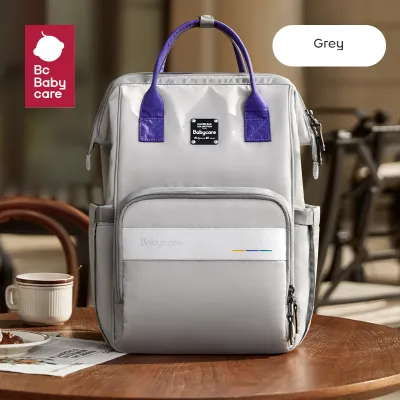
Prices are valid at publication and may change. Please refer to the product page for the latest price.
Consider your typical outing duration when choosing a style. A quick trip to the local clinic or neighborhood supermarket requires only a compact bag for a spare diaper, wipes, and a bottle. Conversely, full-day excursions to the Singapore Botanic Gardens or family gatherings demand a larger capacity bag that can comfortably accommodate multiple changes of clothes, feeding gear, toys, and personal items.
Evaluating Durability: What to Look for in Materials and Hardware
Singapore’s tropical climate, characterised by high humidity and sudden heavy downpours, demands highly durable and weather-resistant materials. When reviewing product specifications, look for high-denier fabrics. Denier (D) measures fiber thickness; a nylon or polyester bag with a rating of 500D or higher offers excellent resistance to tears and abrasions. While cotton canvas bags offer a classic aesthetic, they are prone to absorbing moisture and developing mold in humid environments unless treated with a specialized water-resistant coating.

Hardware quality is a critical indicator of a bag’s lifespan. Metal zippers, particularly those made of brass or high-grade aluminum, generally outperform plastic alternatives, which can crack under tension. Look for self-repairing coil zippers or water-resistant zipper tracks that protect the bag’s contents during sudden rainstorms. D-rings and stroller strap attachments should be securely anchored and made of heavy-duty metal or reinforced polymer to support the weight of a fully loaded bag.
Inspect the stitching at high-stress areas, such as where the shoulder straps and carrying handles meet the main body of the bag. Look for reinforced stitching patterns, such as box-X stitches, which distribute tension across a wider surface area. The base of the bag should feature protective feet or a wipeable, reinforced material to prevent wear when placed on rough outdoor benches or public restroom changing tables.
Assessing Organisation and Pocket Layouts
An organised nappy bag prevents the frustration of rummaging through a dark, deep compartment while holding a crying baby. The style of main compartment access plays a major role in daily usability. Clamshell or wide-frame doctor-bag openings allow the bag to stay open on its own, providing a complete view of the interior. Top-loading bags, while often more compact, can force you to stack items, making it harder to reach essentials at the bottom.
Dedicated storage zones help maintain hygiene and order. Insulated bottle pockets are essential for keeping milk or warm water at a stable temperature during outings. Look for pockets lined with thick, wipeable thermal material. A separate, easily accessible compartment for a changing mat and wet wipes allows you to perform quick diaper changes without exposing the rest of the bag’s contents. Additionally, a secure, zippered parent pocket on the exterior keeps your phone, keys, and transit cards safe and within reach.
A balanced layout features a mix of internal and external pockets. External pockets are best for items you need to grab instantly, such as hand sanitiser, tissues, or pacifiers. Internal mesh or elasticised pockets are ideal for organising diapers, spare clothes, and cream, keeping them upright and preventing them from shifting during transit.
Understanding Price Tiers and Value for Money
Nappy bags in Singapore span a wide price range, typically starting around S$40 for basic utility models and exceeding S$250 for premium designer options. Budget-friendly bags often focus on basic functionality, using standard polyester fabrics and plastic hardware. Premium price tags are usually justified by high-performance materials like ballistic nylon or vegan leather, custom metal hardware, extended warranties, and specialized accessories like matching insulated bottle holders or premium changing pads.
To evaluate value for money, consider the bag’s longevity. A highly durable bag can transition into a work backpack, travel carry-on, or gym bag once your child outgrows the diaper stage. If you plan to have more children, investing in a robust, premium bag can save money in the long run compared to replacing a worn-out budget bag every year.
When purchasing online, always verify that you are buying from an authorised retailer or the official brand store on online marketplaces. Counterfeit nappy bags are common on major ecommerce platforms; these imitations often use inferior materials, weak stitching, and toxic dyes that do not meet safety standards. Check the manufacturer’s official website for a list of authorised local distributors in Singapore and review the warranty terms, as parallel-imported bags may not be covered by local customer service.
Decision Framework: Choosing the Right Nappy Bag Profile
To narrow down your choices, match your daily routine to one of these primary profiles:
Choose a structured backpack profile if you prioritize hands-free mobility, frequently use public transport, or prefer babywearing. The dual-shoulder design distributes weight evenly, reducing neck and back strain during long walks. Look for models with padded, breathable mesh shoulder straps to minimize heat buildup in Singapore’s climate.
Choose an open tote profile if you primarily travel by car or keep your bag attached to a stroller. Totes offer rapid, one-handed access to all contents, which is highly convenient when you need to grab a wipe or toy quickly. Ensure the tote features a secure top zipper or magnetic closure to prevent items from spilling out when the bag is placed in a car boot or stroller basket.
Before making a final purchase, verify the bag’s empty weight and strap padding. A bag that feels heavy when empty will quickly become uncomfortable once loaded with water bottles, diapers, and spare clothes. If possible, visit a physical store to test the strap comfort and check how easily the zippers glide under light tension.
Frequently Asked Questions (FAQ)
How do I clean and maintain a water-resistant nappy bag?
Always check the manufacturer’s care label inside the bag before cleaning. Most water-resistant nappy bags should be spot-cleaned using a damp cloth and a mild, baby-safe detergent to preserve the water-repellent coating. Avoid machine washing and tumble drying unless the care instructions explicitly state it is safe, as the agitation and heat can delaminate the waterproof backing and damage the hardware. Always air-dry the bag completely in a shaded, well-ventilated area away from direct sunlight to prevent fabric fading and mold growth.
When should I transition from a nappy bag to a regular bag?
The transition typically occurs around the toddler stage, between 18 months and 3 years of age. As your child undergoes potty training, the need to carry multiple diapers, bulky changing mats, and wet bags decreases significantly. Additionally, as toddlers transition to self-feeding and solid foods, you will no longer need dedicated insulated bottle pockets. At this stage, many parents successfully transition to a regular backpack or tote bag by using a compact, removable diaper clutch or organiser insert to hold a single spare diaper, a travel pack of wipes, and a water bottle.
Community discussion
Share your experience or ask a question. Comments are reviewed before publication.