
Selecting a suitable mummy bag backpack in Singapore requires a systematic approach that goes beyond brand popularity. With a vast array of options available across local retail boutiques and online marketplaces, parents often face a confusing mix of marketing claims regarding capacity, organization, and durability. Because individual daily routines, transit methods, and baby developmental stages vary so significantly, there is no single universal backpack that suits everyone. Instead, finding the right bag involves analyzing how specific design features, material choices, and compartment configurations align with your family’s unique lifestyle, the local tropical climate, and your typical travel patterns. By focusing on verifiable specifications and physical construction details, you can make an objective comparison that ensures long-term utility and comfort.
Evaluating Capacity and Compartment Layouts
To compare mummy bag backpacks effectively, you must first determine the volume and organizational structure required for your daily outings. Diaper bags generally range from compact 12-liter daypacks to heavy-duty 25-liter travel backpacks. The appropriate capacity is heavily influenced by your baby’s age and developmental stage. For instance, parents of newborns often require a larger capacity to accommodate multiple changes of clothes, extensive diapering supplies, formula dispensers, or breast pumps. Conversely, short trips with an older infant might only require a streamlined bag. When your child reaches the toddler stage, the packing list shifts toward snacks, toys, and change-of-clothes, which may require different compartment shapes rather than sheer volume. If you are managing multiples or planning full-day excursions across Singapore, a high-capacity bag is almost always necessary to avoid carrying secondary totes.
Beyond total volume, the layout of the compartments determines how easily you can access items under pressure. Compare the main cavity access styles: clamshell openings zip all the way down, allowing the bag to lay flat like a suitcase, which makes finding buried items simple. Top-loading designs, while often more compact, can lead to a “black hole” effect where small items settle at the bottom, though they are easier to zip shut when overstuffed. Look for dedicated insulated bottle pockets, verifying their dimensions against your preferred baby bottle brand to ensure a snug fit. Easy-reach parent compartments are also crucial; these separate pockets keep your personal items, such as keys, transit cards, and smartphones, isolated from baby gear so you do not have to rummage through diapers during transit. Always check the product labels or online listings for the stated capacity in liters and the physical dimensions (height, width, and depth) to ensure the backpack will fit comfortably within your stroller’s storage basket or comply with public transport space constraints.
Products mentioned in this guide
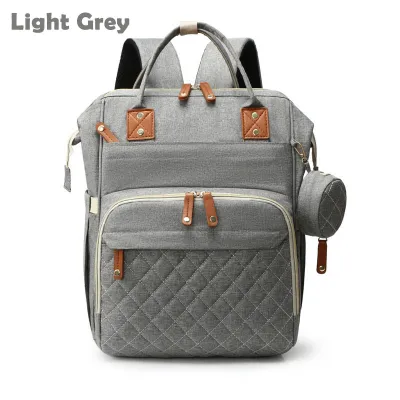
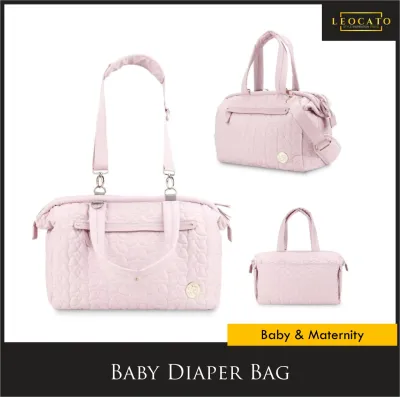
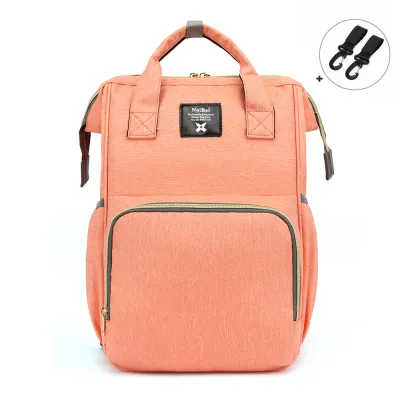
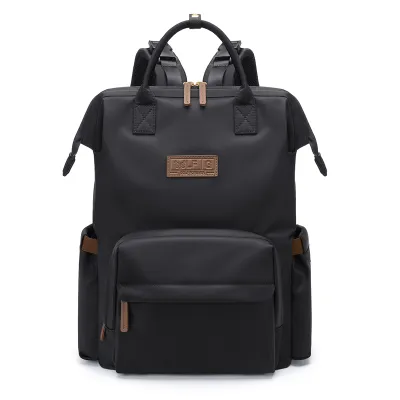
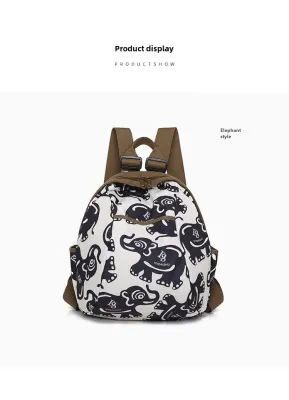
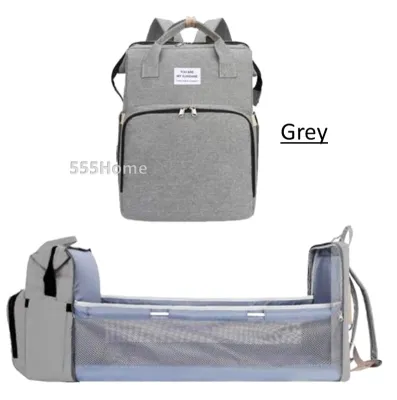
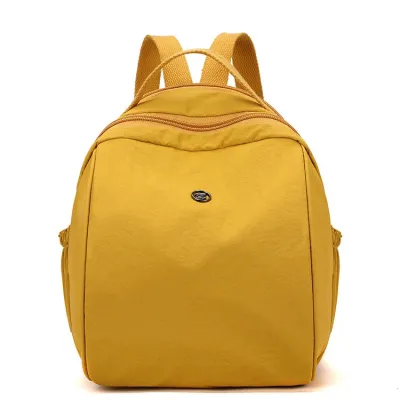
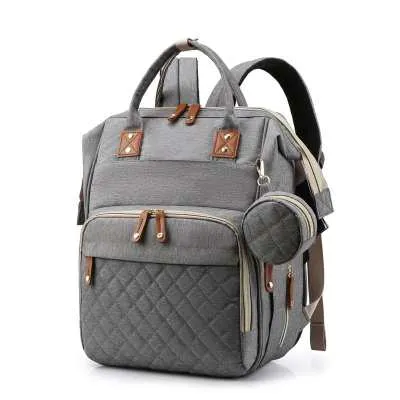
Prices are valid at publication and may change. Please refer to the product page for the latest price.
Comparing Build Quality and Material Durability
The physical construction of a mummy bag backpack dictates how well it survives daily wear, frequent spills, and Singapore’s humid weather. Exterior materials generally fall into three categories: nylon, polyester, and vegan (polyurethane) leather. Nylon is highly regarded for its exceptional strength-to-weight ratio and natural water resistance, making it an excellent choice for sudden tropical downpours. Polyester is highly durable and often more budget-friendly, though its water resistance depends heavily on post-weaving chemical coatings. Vegan leather offers a sophisticated, structured aesthetic that mimics traditional leather, but it tends to be significantly heavier and can trap heat against your back. When comparing these materials, prioritize wipeability; the exterior should allow you to easily clean off milk spills, dirt, or rain with a damp cloth.

Equally important is the inspection of critical stress points where backpacks typically fail. Examine the zipper quality, looking for robust, self-repairing coil zippers with smooth pull mechanisms that do not catch on the fabric lining. Check the shoulder straps for reinforced stitching, particularly box-stitch or bar-tack patterns where the strap meets the main body of the bag, as this area bears the brunt of a heavy load. For comfort in Singapore’s year-round heat, pay close attention to the back panel. A high-quality backpack should feature a padded back panel lined with breathable 3D air mesh to promote ventilation and reduce sweat buildup during outdoor walks. Finally, before making a purchase, always verify the manufacturer’s care instructions, warranty terms, and return policies, as some premium brands offer limited warranties against manufacturing defects while others offer no coverage once the bag is used.
Prioritizing Features for Your Daily Routine
Functional add-ons can transform a standard backpack into a highly efficient caregiving tool, but they must align with how you actually move through your day. Stroller compatibility is a primary feature to evaluate. Some mummy bag backpacks come equipped with integrated stroller straps or clips, while others require you to purchase separate attachment accessories. When comparing these systems, consider how the bag’s weight is distributed when suspended. Hanging a heavy backpack from a stroller handlebar can alter the stroller’s center of gravity, creating a tipping hazard. If you plan to hang your bag frequently, look for low-profile attachment points that keep the bag close to the stroller frame, and always check your stroller manufacturer’s weight limits.
The value of included accessories should also be weighed against your existing gear. Many backpacks include a matching, fold-out changing mat, which is incredibly useful for public diaper-changing stations. Other common accessories include zippered wet bags for soiled clothing and detachable pacifier pods that keep pacifiers clean and accessible. While these extras add convenience, ensure they do not compromise the bag’s primary storage space. Modern conveniences such as water-resistant interior linings are essential for containing accidental bottle leaks, while hidden anti-theft pockets located against your lower back provide a secure spot for passports, wallets, and cash during travel. If you frequently carry a laptop or tablet for work or personal use, verify whether the bag includes a dedicated, padded tech compartment that keeps your electronics isolated from wet baby items.
Decision Framework: Matching a Backpack to Your Needs
To finalize your choice, map your daily habits to a specific backpack profile rather than buying based on aesthetics alone. If your routine primarily involves navigating public transit, walking through crowded shopping malls, and taking short trips to local parks, a streamlined, lightweight profile is highly recommended. These bags typically feature a capacity of 12 to 15 liters, prioritizing a slim depth so you do not accidentally bump into passengers on buses or the MRT. They are easy to lift, quick to open, and discourage overpacking, which keeps the overall physical strain on your shoulders to a minimum.
Conversely, if you are managing twins, caring for an active toddler alongside an infant, or spending full days outdoors at attractions like the Singapore Botanic Gardens, you should opt for a high-capacity, multi-compartment profile. These backpacks, usually ranging from 18 to 25 liters, offer the extensive organizational architecture needed to separate clean clothes from soiled ones, store multiple thermal flasks, and carry a variety of toys and snacks. Look for models with wide, heavily padded shoulder straps and an adjustable chest strap to help distribute the substantial weight evenly across your torso.
Before committing to any high-capacity model, honestly assess your physical comfort and health. If you have pre-existing back or shoulder concerns, a heavily loaded backpack can exacerbate these issues, regardless of how ergonomic the straps claim to be. In such cases, you may need to rely more on stroller storage, which means verifying that the backpack’s physical dimensions fit securely inside your stroller’s under-seat basket without scraping the wheels. By matching the bag’s physical specifications to your body, your stroller, and your typical daily itinerary, you will secure a practical tool that genuinely simplifies your parenting journey.
Frequently Asked Questions (FAQ)
Can I hang any mummy bag backpack on my stroller handle?
No, you should never assume that any mummy bag backpack can be safely hung from your stroller’s handlebar. Hanging a heavy bag shifts the stroller’s center of gravity backward, which significantly increases the risk of the stroller tipping over, especially when you lift your child out of the seat. Stroller manufacturers establish strict weight limits for handlebars, and many explicitly forbid hanging any bags from them to prevent structural damage or injury. Before using built-in stroller straps or aftermarket clips, consult your stroller’s instruction manual to verify its specific weight capacities and safety warnings. If hanging is permitted, always ensure the bag is balanced and remove it before taking your child out of the stroller.
How do I clean and maintain the interior lining?
Proper maintenance of the interior lining is essential for hygiene and longevity, but the correct method depends entirely on the materials used. Always check the manufacturer’s care label sewn inside the bag before attempting to clean it. For most water-resistant polyester or nylon linings, spot cleaning is the safest approach. Use a soft cloth or sponge dampened with warm water and a small amount of mild, fragrance-free baby soap to gently wipe away spills and crumbs. Avoid harsh chemical detergents, bleach, or abrasive scrubbing pads, as these can permanently strip away the water-resistant polyurethane coatings. After cleaning, open all compartments fully and allow the backpack to air dry completely in a well-ventilated, shaded indoor area before storing it, preventing the growth of mold or mildew in Singapore’s humid climate.
Community discussion
Share your experience or ask a question. Comments are reviewed before publication.