
Choosing the right changing mat for your nursery in Singapore involves balancing safety, comfort, and practical maintenance. With local homes often requiring space-efficient layouts, finding a mat that fits your specific changing table or dresser top is just as important as choosing the right material. While premium brands offer ergonomic contours and advanced wipeable surfaces, mid-range and entry-level options provide excellent utility if you verify their material safety and structural integrity. By understanding the key differences in safety features, material durability, and long-term value, you can make an informed decision that keeps your baby secure and comfortable during every diaper change.
Key Criteria for Evaluating Changing Mat Quality and Safety
When evaluating changing mats, safety features should always be your primary consideration. Look for mats with raised edges, often referred to as contoured designs, which help keep your baby centered and prevent them from rolling easily. A non-slip base or integrated grip dots on the bottom are essential to keep the mat from sliding across smooth wooden dressers or changing tables. Additionally, check for secure strap attachments, which can secure the mat to your furniture and provide an extra layer of stability during active changes.
Material safety is another critical factor, as your baby’s delicate skin will frequently come into direct contact with the mat’s surface. Look for products that explicitly state they are free from harmful chemicals, such as phthalates, BPA, lead, and formaldehyde. Because safety standards and certifications can vary or change over time, it is highly recommended to verify the manufacturer’s current product documentation and labels rather than relying solely on retail descriptions.
Products mentioned in this guide
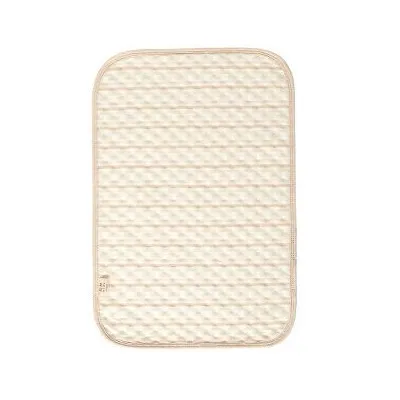
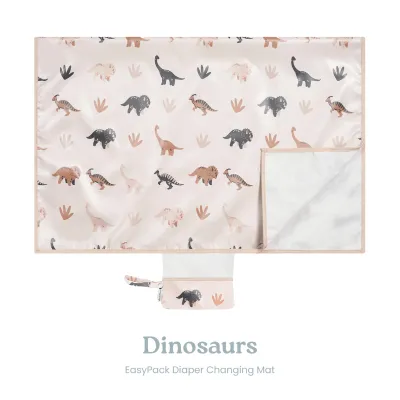
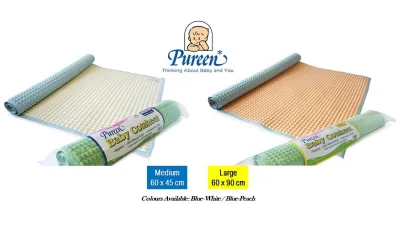
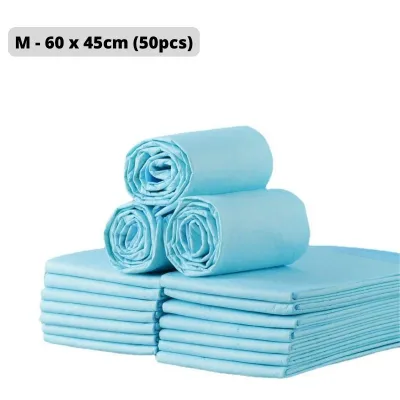
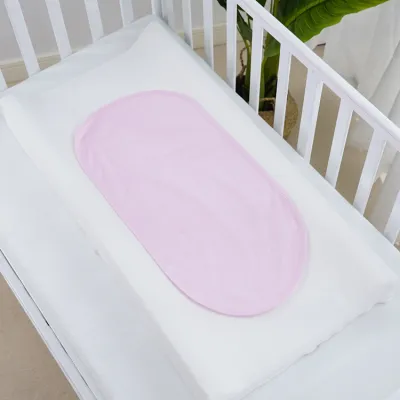
Prices are valid at publication and may change. Please refer to the product page for the latest price.
In Singapore’s warm and humid climate, hygiene and ease of maintenance are paramount for preventing bacterial growth. Compare wipe-clean surfaces, such as polyurethane or water-resistant coatings, with removable, machine-washable fabric covers. Wipe-clean surfaces allow for quick sanitization between changes but can sometimes feel cool or sticky against the baby’s skin. On the other hand, fabric covers offer a softer feel but require regular laundering, which can be time-consuming in a busy household.
Regardless of the safety features a changing mat offers, caregiver supervision remains the most critical element of nursery safety. No safety strap or contoured edge can replace the active presence of a parent or caregiver. Always keep one hand on your baby during changes, and never leave them unattended on an elevated surface, even for a brief moment.
Feature and Material Trade-Offs Across Price Tiers
Understanding what features and materials are available within different budget ranges helps you manage expectations and identify the best value. Premium changing mats often feature high-density polyurethane foam or memory foam, which provides superior cushioning and retains its shape over years of use. These high-end options frequently utilize advanced, medical-grade polyurethane or silicone coatings that are completely waterproof and inherently resistant to mold and bacteria. Because these surfaces can be wiped clean instantly without absorbing liquids, they eliminate the need for separate fabric covers, saving you significant laundry time.

Mid-range changing mats typically offer standard polyurethane foam wrapped in durable vinyl or water-resistant polyester covers. These mats provide a practical balance of cushioning and water resistance at a moderate price point. While they are highly functional, the plastic-like surface can feel cold or cause the baby to sweat in Singapore’s humid weather. Consequently, many parents find they need to purchase separate fabric covers or place a soft muslin cloth over the mat, which adds to the overall cost and laundry load.
Entry-level options generally consist of thin, flat foam pads or inflatable travel mats with basic waterproofing, such as PVC or PEVA. While these mats are highly affordable and easy to store, they offer minimal cushioning and support for your baby. The thin outer materials are also more prone to tearing or cracking over time. If you choose an entry-level mat, you will likely need to invest in multiple washable fabric covers or disposable liners to ensure your baby’s comfort, which can quickly narrow the price gap between entry-level and mid-range options.
When comparing these tiers, consider the hidden costs of maintenance and accessories. A premium mat with a built-in, easily sanitized surface may have a higher upfront cost but can save you money on covers and liners over time. Conversely, a budget-friendly flat mat might require additional purchases that elevate the total cost of ownership.
Assessing Durability and Long-Term Value
A durable changing mat should withstand thousands of diaper changes, exposure to moisture, and frequent cleaning without degrading. Surface resilience is key; the outer cover must resist staining, peeling, and cracking when exposed to acidic messes, baby wipes, and diaper creams. Some cheap plastic coatings can dry out and crack over time, especially when cleaned with harsh disinfectants, creating crevices where moisture and bacteria can accumulate.
Structural integrity is equally important for long-term safety and value. Inspect the seams of the mat carefully before purchasing. Heat-sealed seams are generally superior to stitched seams because they create a completely waterproof barrier, preventing liquids from seeping into the inner foam core. Additionally, test the firmness of the edges; soft, collapsing edges will not provide adequate lateral support as your baby grows heavier and more active.
If you plan to reuse a changing mat for a second child or are considering purchasing one second-hand, a thorough inspection is essential. Check the foam core for any signs of sagging, flattening, or permanent indentation, which indicates the material has lost its supportive properties. Most importantly, inspect the seams and underside for any signs of mold, mildew, or discoloration. If the waterproof barrier has been compromised and moisture has penetrated the inner foam, the mat should be replaced immediately to protect your baby’s health.
Decision Framework: Choosing the Right Brand for Your Needs
To finalize your purchase, match the changing mat’s design and features to your specific nursery setup, lifestyle, and home environment. If you have a dedicated changing table or a wide chest of drawers in a spacious nursery, a premium contoured foam mat is an excellent investment. This setup allows the mat to remain in a fixed location, maximizing the benefits of its supportive foam, raised safety edges, and easy-to-wipe surface.
If you live in a compact home, such as a typical Singapore HDB flat or condominium, and need to change your baby in multiple rooms, flexibility is key. A lightweight, mid-range mat with a non-slip base is highly practical for this lifestyle. You can easily carry it from the nursery to the living room floor, bed, or sofa, providing a clean and cushioned surface wherever you need it.
For parents who travel frequently or prefer a minimalist home setup, an entry-level flat mat or an inflatable travel pad is highly suitable. These mats can be easily folded, rolled up, or packed into a diaper bag when not in use. Pairing a basic flat mat with a few washable, waterproof fabric liners allows you to maintain hygiene and comfort without taking up valuable space in your home.
Before making your final decision, always measure the dimensions of your changing table or dresser top to ensure the mat fits securely within the furniture’s safety barriers. Additionally, check the manufacturer’s weight and age limits. Most changing mats are designed for babies up to a certain weight or developmental stage, and you should stop using the mat on elevated surfaces once your baby begins to roll over or attempt to sit up independently.
Frequently Asked Questions (FAQ)
Are contoured changing mats inherently safer than flat ones?
Contoured changing mats feature raised sides that provide a physical barrier, helping to keep your baby centered and reducing the risk of rolling off the edge. This design makes them highly popular for elevated changing tables. However, they are not inherently safer unless paired with active caregiver supervision. Flat mats can be just as safe when used on the floor or when the caregiver maintains constant physical contact with the baby. No matter which design you choose, never leave your baby unattended on any elevated surface, as babies can move unexpectedly.
How can I prevent mold and odors on a waterproof changing mat?
Singapore’s high humidity makes moisture control essential for preventing mold, mildew, and unpleasant odors. Always wipe up liquids and spills immediately after each diaper change. Clean the mat’s surface using a mild, baby-safe soap and warm water, avoiding harsh chemical cleaners or alcohol-based wipes that can degrade the waterproof coating over time. Allow the mat to air dry completely in a well-ventilated area before placing any fabric covers over it or storing it away, as trapped moisture is the primary cause of mold growth.
Community discussion
Share your experience or ask a question. Comments are reviewed before publication.